2026 Wedding Photography Trends Worth Knowing
A wedding day rarely unfolds in the clean, linear way a mood board suggests. The flower girl may decide the aisle is a stage. A best man may deliver a toast that changes the room. A quiet exchange between a parent and newlywed may become the image a family returns to for decades. The most compelling 2026 wedding photography trends recognize that real life is the point.
For couples planning weddings in Washington, DC, Northern Virginia, and Maryland, the direction is clear: photography is becoming less performative and more personal, particularly for Washington DC wedding photography. Editorial polish still has a place, especially at architecturally distinctive venues and formal celebrations, but it works best when paired with honest observation, thoughtful pacing, and photographs that feel unmistakably like the people in them.
2026 Wedding Photography Trends Put Story First
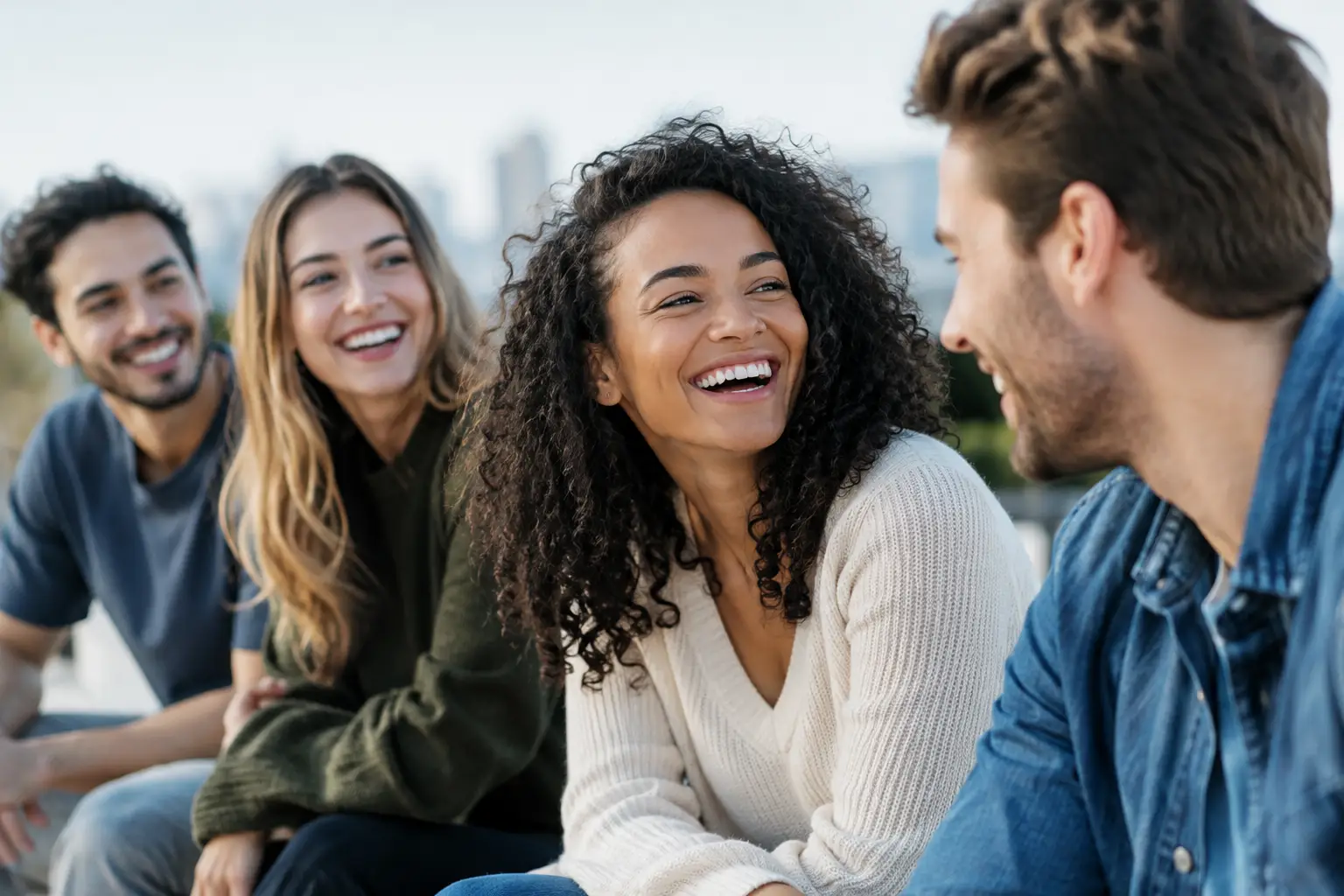
The strongest trend is not a camera setting or a social-media effect. It is a renewed appreciation for narrative. Couples are asking for images that preserve the entire emotional texture of the day: the anticipation before the ceremony, the nervous laughter during portraits, the grandparents on the dance floor, and the small glances that happen when no one thinks they are being photographed.
This documentary-minded approach is particularly well suited to a DC-area wedding, where celebrations often bring together family, colleagues, longtime friends, and guests traveling from across the country. The photographs should show not only how the room looked, but who filled it and what it meant.
That does not mean abandoning direction. Experienced photographers know when to step in, refine the light, and create a beautifully composed portrait. The difference is intention. Rather than turning a wedding into a continuous photo shoot, portrait time is planned efficiently so couples can stay present with their guests.
Editorial portraits with a relaxed point of view
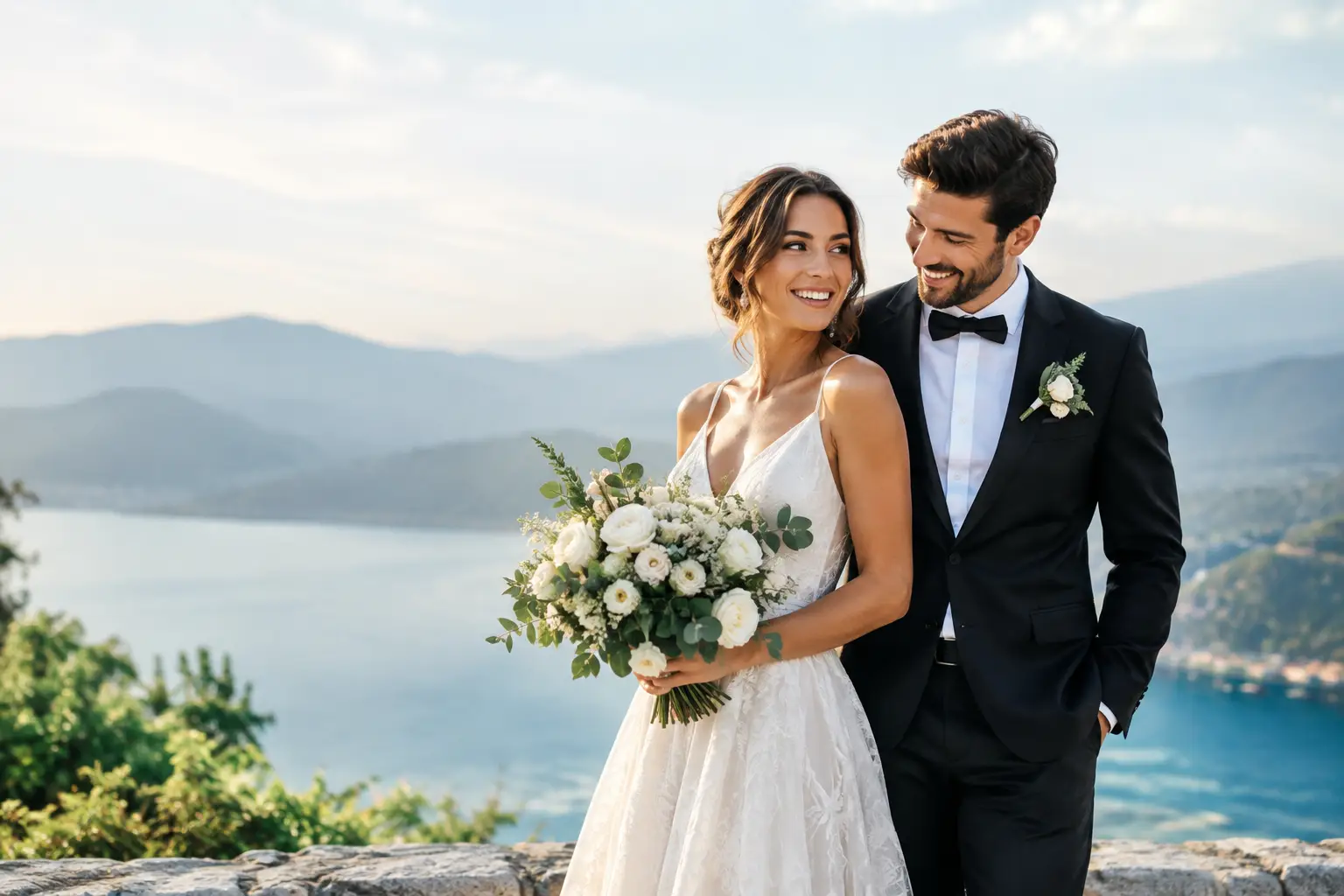
Couples still want the cover-worthy portrait: a bride framed in the doorway of a Georgetown townhouse, a newly married couple against the clean lines of a modern DC venue, or a dramatic image at sunset. In 2026, those portraits are likely to feel less rigid.
Expect more movement, natural interaction, and room for personality. A gentle walk, a shared laugh, or a moment to take in the scene often produces a more lasting image than an elaborate pose. The goal is refined photography without making the couple look like they are playing a role.
The trade-off is timing. Relaxed images are not the same as unplanned images. A well-built timeline gives portraits enough breathing room while protecting the moments that cannot be recreated.
Direct flash returns, with restraint
Direct flash photography continues to appear at receptions, after-parties, and late-night dance floors. It can bring energy, contrast, and a fashion-forward edge to images that might otherwise disappear into dim ballroom light. Used thoughtfully, it captures movement and celebration with an immediacy that feels alive.
It is not the right visual language for every part of a wedding. A candlelit ceremony, a formal black-tie reception, or a quiet first dance may call for a more nuanced approach to lighting. The best coverage shifts naturally throughout the day: soft and unobtrusive when the moment requires discretion, bolder when the party calls for it.
Film-Inspired Color Over Heavy Filters
Film remains a powerful reference point, but couples are moving away from presets that overwhelm skin tones, venue details, or the actual color of the day. The 2026 preference is for images with depth, flattering color, and a slight softness that feels timeless rather than artificially aged.
This matters in the Washington region, where wedding settings can range from spring gardens in Maryland to marble interiors downtown and waterfront celebrations in Northern Virginia. Each environment has its own palette. A strong editing approach honors the warmth of candlelight, the richness of florals, and the natural tones of the people being photographed.
Film-inspired should not mean muddy, faded, or overly beige. Similarly, crisp digital photography should not mean harsh or overprocessed. Couples benefit from asking to see complete wedding galleries, not just a carefully selected feed. Consistency across changing light, skin tones, weather, and fast-moving events is where professional experience becomes visible.
The Return of the Printed Photograph
Digital galleries remain essential, but the appetite for tangible photography is growing. Heirloom albums, framed prints, and smaller parent books are becoming part of the planning conversation earlier rather than being treated as an afterthought.
There is a practical reason for this shift. A gallery is wonderful for sharing, but an album creates a deliberate way to revisit the day. It gives ceremony images, portraits, family moments, and reception stories a home beyond a phone screen. For families with significant milestones, a well-designed album becomes part of the family archive.
Couples do not need hundreds of printed images to make the result meaningful. A thoughtful edit, strong sequencing, and quality materials matter more than volume. Consider whether an album is important before booking, so it can be included in the investment and planned with care.
Guest Perspective, Without Losing the Professional Standard
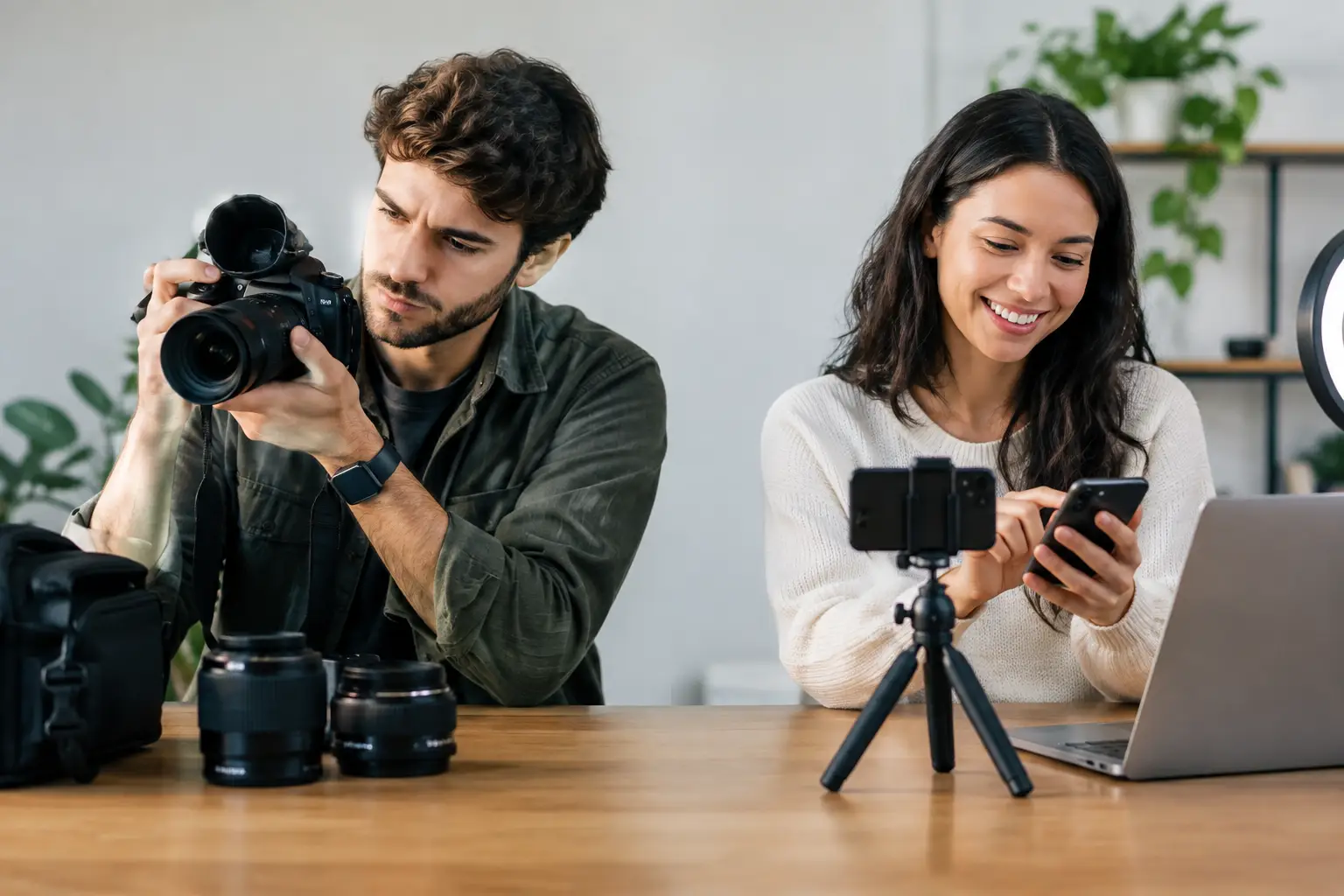
Guest-created content has become part of the wedding ecosystem. Short videos and candid phone photos can capture spontaneous snippets almost instantly, and some couples choose to hire a dedicated content creator for vertical video throughout the day.
This can be a useful complement to professional photography, particularly for couples who want informal social content while traveling or celebrating the following morning. But it is not a replacement for experienced visual storytelling. A professional photographer anticipates key moments, handles difficult lighting, composes group portraits efficiently, and produces a cohesive collection with lasting technical quality.
The most successful approach is collaborative. If a content creator is part of the vendor team, clarify responsibilities in advance. A photographer needs unobstructed access during major moments, while the content creator needs a plan that does not interrupt the ceremony, portraits, or guest experience.
Smaller Details, Photographed with Greater Meaning
Detail photographs are evolving beyond the standard flat lay. Invitations, jewelry, fashion, florals, and heirlooms still deserve attention, but couples increasingly want those objects shown in context. A grandfather’s cuff links carry more meaning when connected to the person who wore them. A handwritten note matters because of the hands that hold it and the reaction it creates.
This is especially relevant for multicultural weddings and family-centered celebrations. Ceremonial objects, cultural traditions, and inherited pieces are not decorative extras. They are part of the story. Share their significance with your photographer before the wedding day, and allow enough time in the schedule to document them properly, particularly when working with a Washington DC wedding photographer.
More intentional family portraits
Family formals are also receiving a deserved reset. They remain among the most valuable photographs from a wedding, especially for families gathering across generations. The trend is not to skip them. It is to make them efficient, organized, and emotionally natural.
A concise list, a designated family helper, and a clear location can turn what might feel stressful into a calm 15 or 20 minutes. Once the essential portraits are complete, there is often room for more candid family images that reveal the warmth behind the formal record.
What Should You Actually Choose?
Not every 2026 wedding photography trend belongs at every wedding. A sophisticated city celebration may suit editorial portraits and direct-flash reception images. A garden wedding may feel best with soft natural light and a quieter documentary rhythm. A weekend with deep family traditions may prioritize ceremony coverage, heirlooms, and extended family portraits.
The most useful question is not, “What is trending?” It is, “What will feel true when we look back?” Share the parts of the day that matter most to you: the people you cannot imagine celebrating without, the traditions you want preserved, and the atmosphere you have worked to create. At Rodney Bailey, more than 30 years of wedding storytelling has reinforced a simple truth: photographs endure when they are both artfully made and genuinely felt.
Choose a photographer whose complete body of work shows technical command, sensitivity, and consistency. Then give yourself permission to be present. The best images of 2026 will not be the ones that chase a trend most closely. They will be the ones that make a wedding day feel vividly yours, years after the music has faded.
Related Posts