Proposal Photography Checklist for a Flawless Yes
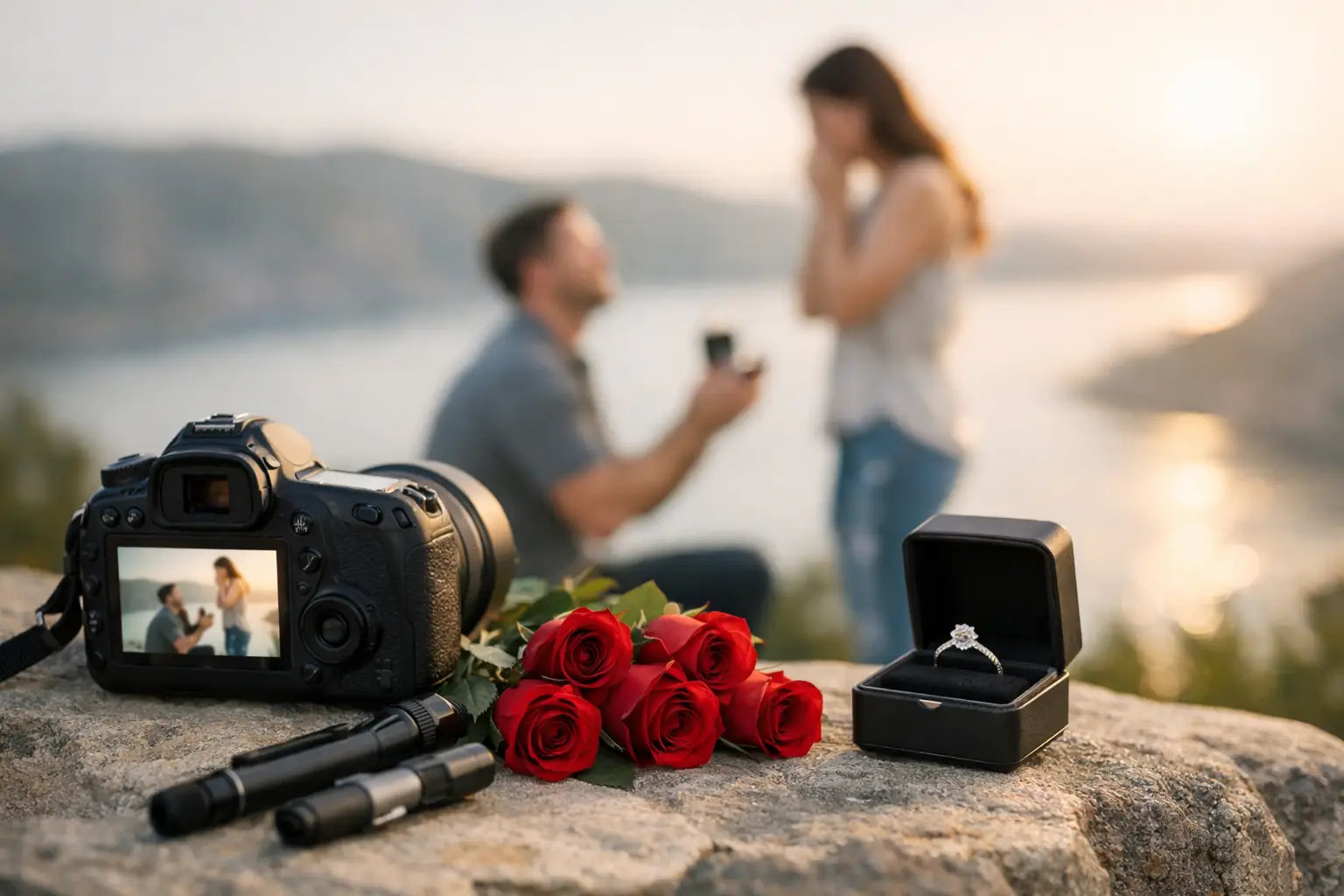
The instant before a proposal is often as meaningful as the question itself: the walk toward a favorite monument, the private joke that settles nerves, the moment someone realizes the plan is not just another evening out. A thoughtful proposal photography checklist protects those fleeting details without turning a deeply personal occasion into a production.
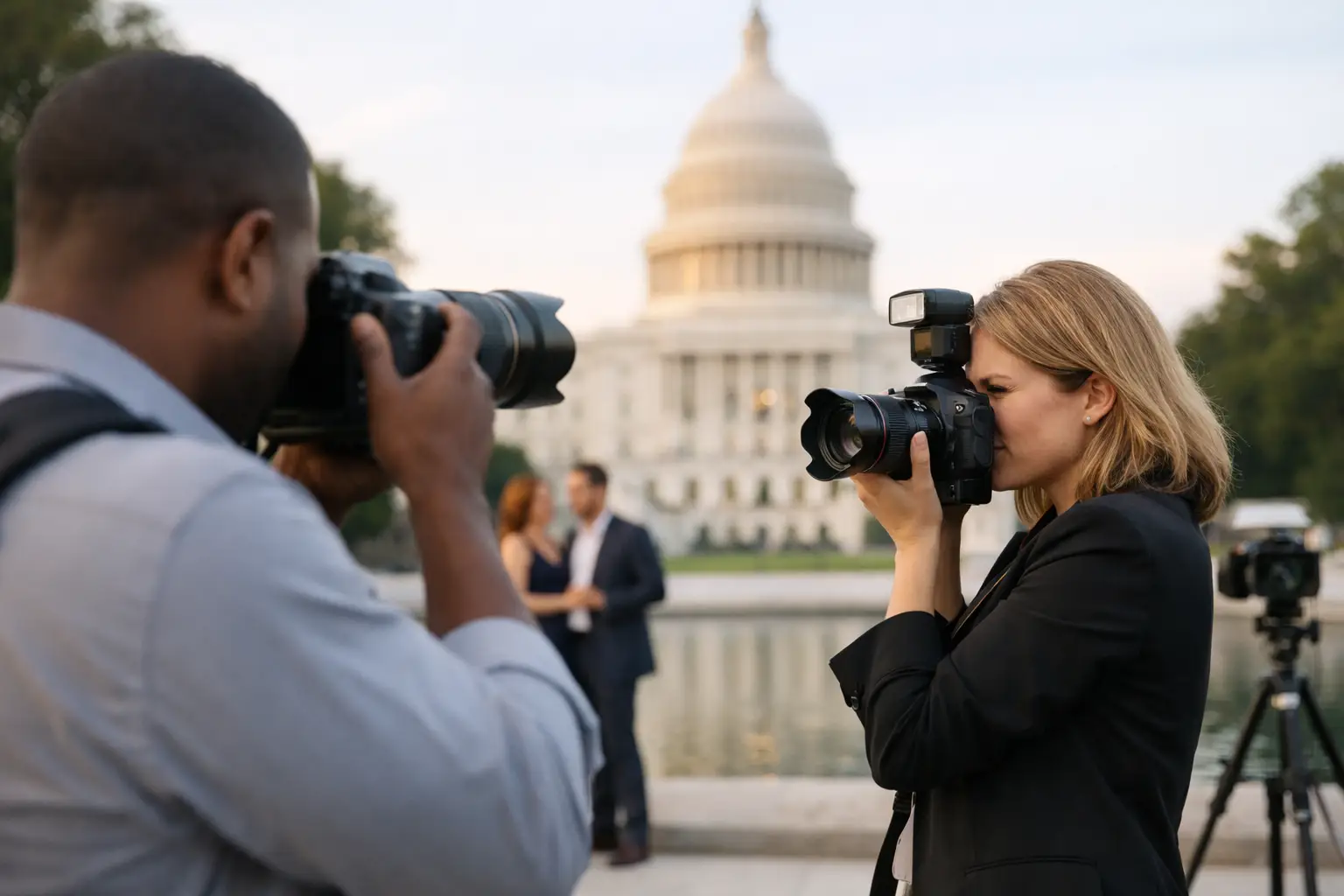
For couples planning an engagement in Washington, DC, Northern Virginia, or Maryland, the best proposal photographs feel effortless because the preparation behind them is precise. Your photographer should know where to stand, when to arrive, how to communicate discreetly, and when to step forward after the yes. The goal is not to direct the emotion. It is to preserve it as it unfolds.
Start With the Story You Want to Tell
Before choosing a location or setting a time, consider what will make the proposal feel unmistakably yours. Some couples want the grandeur of the Lincoln Memorial at sunrise. Others picture a quiet Georgetown street, a garden in Alexandria, a private room at a favorite restaurant, or a family home filled with history.
A beautiful backdrop matters, but it should support the moment rather than compete with it. The strongest images reflect the couple’s connection, whether that means city architecture, waterfront views, a beloved neighborhood, or an intimate setting away from public attention.
Think through the level of privacy you want. A public proposal can create a wonderful sense of energy, especially if friends or family are waiting nearby. It also brings variables: tourists, traffic, security restrictions, weather, and limited space. A private proposal offers greater control and a calmer experience, though it may not have the same spontaneous DC atmosphere. Neither approach is better. It depends on the person being proposed to and the memory you hope to create together.
Proposal Photography Checklist: Plan the Essential Details
The most successful surprise proposals have a clear plan with room for real life. Share the following details with your photographer well before the date so they can prepare for the scene rather than make assumptions in the moment.
- Location and exact proposal spot: Provide the full address, a map pin, and a recent photo or screenshot showing where you plan to kneel. Popular landmarks can look very different in person than they do online, particularly during festivals, construction, or peak visitor hours.
- Timing and light: Confirm when you expect to arrive, when the proposal should happen, and whether sunset is a priority. Golden-hour light is flattering, but a sunset proposal often requires arriving earlier than expected to account for parking, crowds, and the changing light.
- A believable cover story: Your partner should have a natural reason to be dressed appropriately and willing to go to the chosen location. Dinner reservations, a walk before an event, or meeting friends afterward can all work well when they fit your usual routine.
- A clear identification plan: Tell the photographer what each of you will be wearing, share a recent photo, and establish a simple signal. A hand in a pocket, a pause at a particular bench, or a text sent just before arrival can prevent missed connections in a busy area.
- Family and friend logistics: If loved ones will be present, decide whether they should watch from a distance, join immediately after the proposal, or arrive for a separate celebration. Their placement affects both the surprise and the photographs.
- Weather and backup options: Rain does not automatically ruin a proposal. It can create a more intimate, cinematic atmosphere. Still, have a covered location or alternate time in mind, particularly for outdoor plans around the District.
This preparation is not about scripting every second. It gives your photographer enough context to anticipate the moment while leaving space for the reactions that cannot be planned.
Choose a Location That Works on Camera and in Real Life
Washington offers remarkable proposal settings, from formal monuments and gardens to intimate hotels and distinctive neighborhood streets. Yet the most photographed location is not always the best choice for a surprise engagement.
Consider access first. Can you get there without creating suspicion? Is parking available? Will the walk from the car leave your partner frustrated or cold? At the Tidal Basin, for example, seasonal crowds can make a quiet plan difficult. At a popular memorial, a photographer may need to work around visitors and security boundaries. Those considerations do not rule out an iconic location. They simply call for experienced timing and a practical backup plan.
Light also shapes the result. Early morning usually offers softer light, fewer people, and more privacy at major DC landmarks. Late afternoon can be warm and romantic, but it is typically busier and moves quickly as daylight fades. Interior proposals present a different set of considerations: window light, restaurant lighting, room layout, and permission to photograph in the space.
When in doubt, choose meaning over spectacle. A location tied to your first date, a favorite weekend ritual, or a shared milestone gives the photographs emotional depth that no view can replace.
Coordinate Discreetly With Your Photographer
Discretion is one of the most valuable skills a proposal photographer brings to the day. The photographer may appear to be a tourist, a visitor enjoying the view, or someone photographing the architecture. From a distance, they must still be positioned to capture the approach, the kneel, the reaction, and the embrace without disrupting the surprise.
A pre-proposal call is the right time to discuss the route in detail. Explain where you will enter, where you may pause, which direction you expect to face, and how quickly you tend to walk. If a plan relies on a specific spot, walk through what happens if it is occupied. A nearby alternative can save the moment from becoming awkward or overly choreographed.
Communication should be simple. Too many messages can increase anxiety and create opportunities for an accidental reveal. One confirmation the day before, a check-in when you are on the way, and a final signal shortly before the proposal are usually enough.
Experienced photojournalistic coverage also means knowing when not to intervene. The initial reaction may be laughter, tears, silence, a long hug, or several minutes of conversation. There is no need to rush into posed portraits. Those first unscripted moments are often the photographs couples value most years later.
Make Room for the Moments After the Yes
The proposal is only the opening chapter of the session. Build in 20 to 45 minutes afterward for relaxed portraits while the excitement is still fresh. You do not need to perform for the camera. A skilled photographer can offer light direction – where to stand for flattering light, when to take a short walk, how to include the ring naturally – while keeping the experience comfortable and genuine.
If family and friends are joining, decide whether you want them to appear immediately or after a few portraits alone. A surprise gathering can produce joyful, high-energy images, but it can also shorten the private time you have together. For some couples, the ideal choice is a brief portrait session first, followed by a celebration nearby.
Do not overlook practical details. Bring a coat if the weather is cool, keep a small umbrella nearby if rain is possible, and avoid carrying bulky bags if you can. If the ring box is large, consider how it will fit discreetly in a pocket or ask a trusted friend to hold it until the right moment.
Trust the Plan, Then Be Present
Thirty years of photographing milestone celebrations has reinforced a simple truth: perfect proposal images do not require a perfect performance. They require care, thoughtful preparation, and the freedom to respond honestly when the moment arrives.
Your partner may notice something unexpected. You may take the wrong path. The weather may change. Those small deviations rarely diminish the experience, and sometimes they become part of the story you tell for years. Choose the meaningful place, make a practical plan, and then let yourself be fully present for the answer you have been waiting to hear.
Related Posts