Editorial Wedding Photos vs Documentary Style
The most meaningful wedding photographs often happen between the moments you planned: a parent taking a steadying breath before the ceremony, a quick glance across the dance floor, the spontaneous laughter after a toast lands perfectly. When couples compare editorial wedding photos vs documentary photography, they are usually deciding how they want their celebration to feel when they revisit it decades from now – polished and art-directed, observed and unfiltered, or thoughtfully balanced between the two.
Neither approach is inherently better. The right choice depends on your priorities, your venue, your comfort in front of the camera, and the story you want your images to tell.
Editorial Wedding Photos vs Documentary: The Real Difference
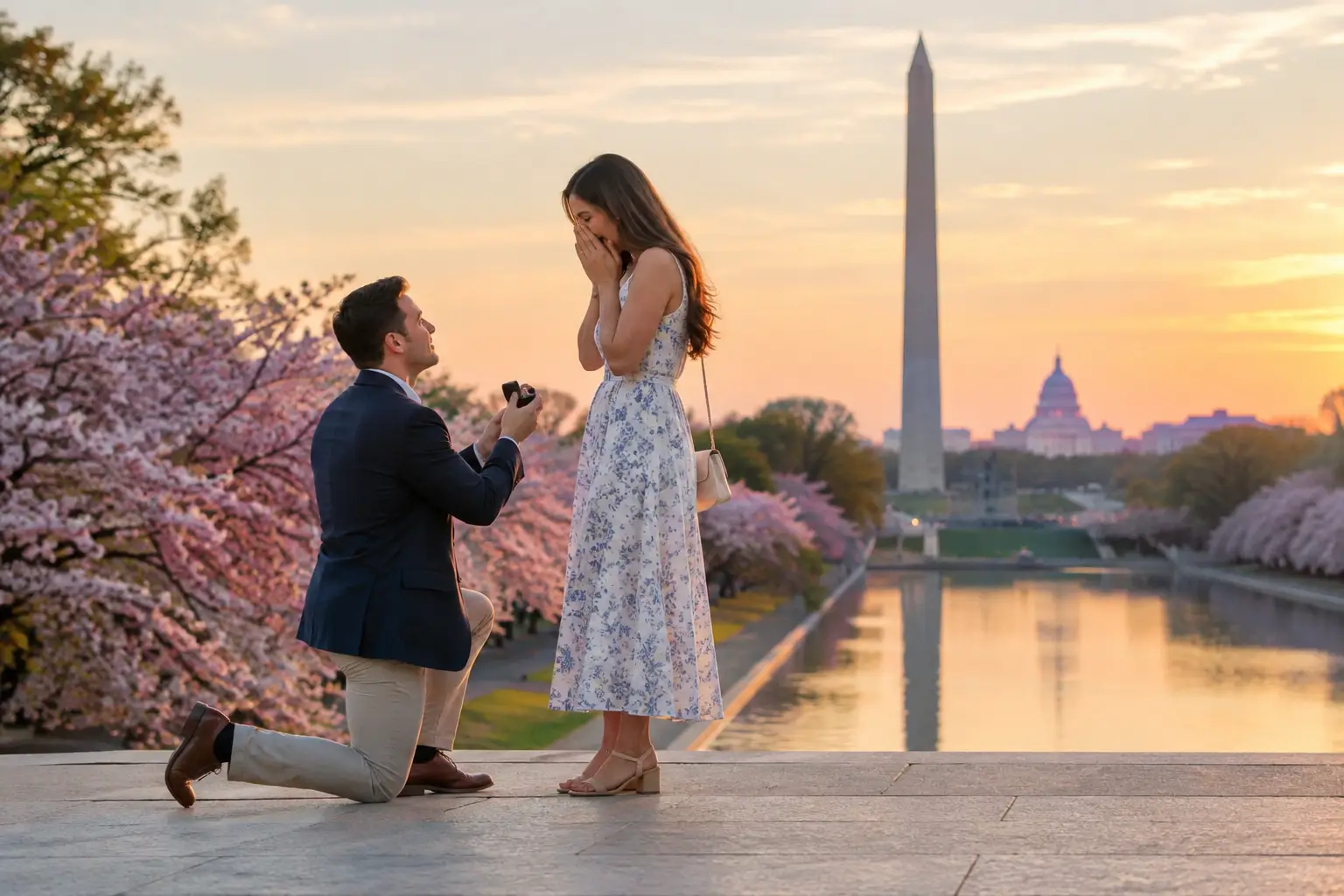
Editorial wedding photography is inspired by fashion magazines, fine-art portraiture, and carefully composed visual storytelling. It is intentional by design. The photographer considers light, setting, wardrobe, posture, and background, then directs a scene to create an elevated image. A bride may be positioned near a window for flattering natural light, a wedding party may be arranged with architectural symmetry, or the couple may be asked to pause for a portrait while the veil catches the breeze.
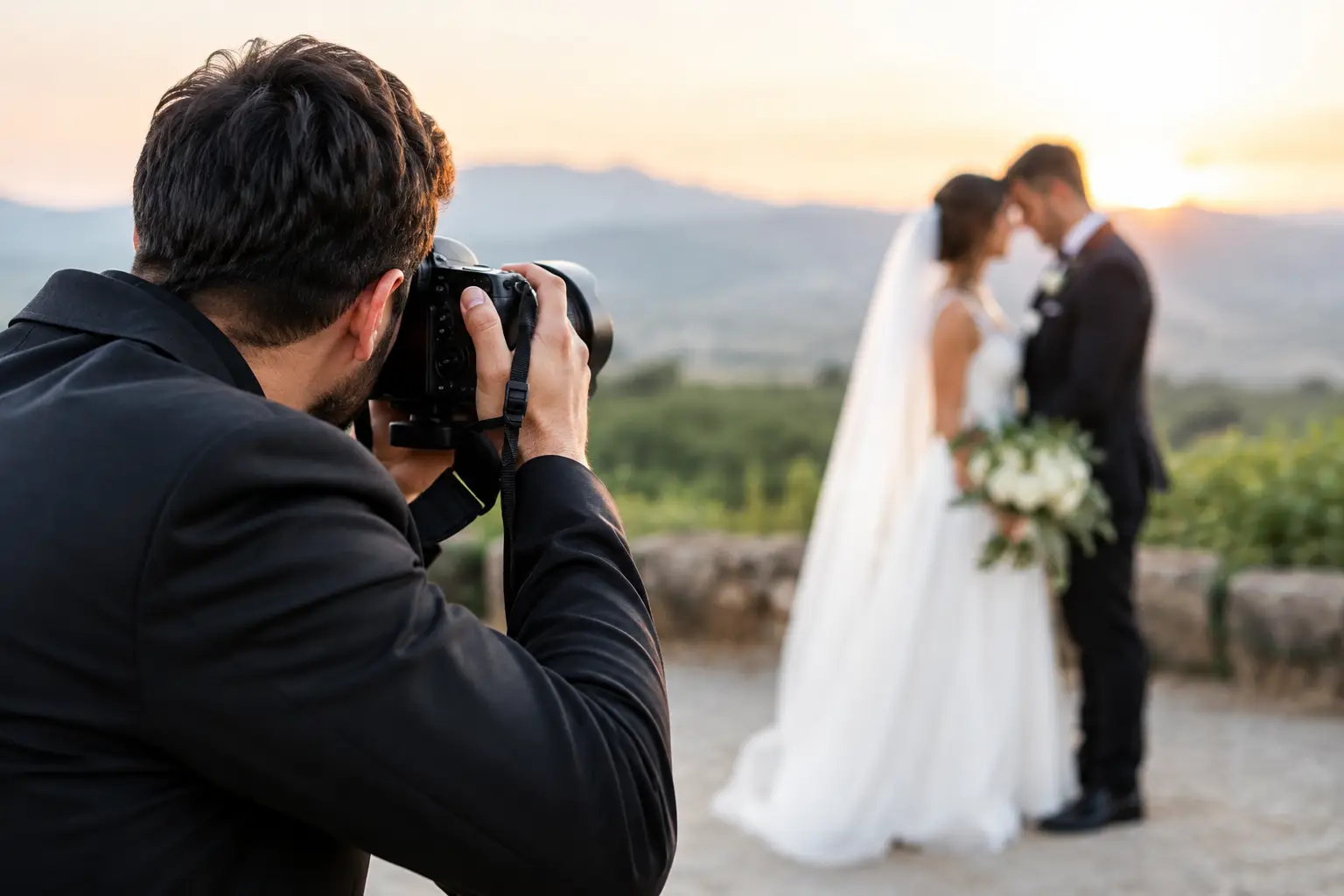
Documentary wedding photography, often called photojournalistic wedding photography, takes a different approach. Its purpose is to record what is genuinely unfolding with minimal interference. Rather than asking a father to repeat his reaction during a first look, the photographer anticipates the moment and captures it as it happens. The resulting images feel immediate, personal, and closely tied to the actual rhythm of the day.
The distinction is not simply posed versus candid. An editorial photographer can create portraits that still feel natural and emotionally honest. A documentary photographer must also make sophisticated decisions about composition, light, timing, and visual context. The difference lies in authorship: editorial imagery is more actively shaped, while documentary imagery places greater emphasis on observing real life as it occurs.
What Editorial Wedding Photography Does Best
Editorial work is especially compelling for couples who are drawn to refined portraiture and want their wedding images to make the most of an exceptional setting. In Washington, DC, Northern Virginia, and Maryland, that might mean highlighting the clean lines of a modern hotel, the grandeur of a historic estate, or the distinctive architecture of a city venue.
A directed portrait session can bring calm and focus to a fast-moving wedding day. Your photographer can adjust a jacket, guide your hands into a natural position, move you into more flattering light, and make sure the background supports rather than distracts from the image. For couples who feel unsure about being photographed, this direction can be reassuring. You do not need to know what to do with your hands or where to look. You simply need a photographer who gives clear, relaxed guidance.
Editorial photography also serves details beautifully. Invitation suites, florals, fashion, table design, and heirloom accessories often receive more dedicated attention because they are deliberately styled and photographed. If you have invested deeply in the design of your wedding, an editorial approach ensures those choices are documented with care.
The trade-off is time. Strong editorial imagery often requires a defined portrait window, sometimes a carefully selected location, and a willingness to briefly step away from the celebration. That does not mean hours of stiff posing, but it does mean accepting that some photographs are made, not merely found.
What Documentary Wedding Photography Does Best
Documentary coverage excels at preserving the human texture of a wedding. It records not only the ceremony and formal portraits, but also the small interactions that tend to become more valuable with time: a grandmother’s hand on a shoulder, friends crowding around the bar, children slipping off their shoes to dance, or the quiet moment when a couple realizes the room is full of people they love.
This style is particularly well suited to celebrations where relationships and energy are central. Cultural traditions, emotional family gatherings, lively receptions, and intimate ceremonies all offer a rich flow of unscripted material. The photographer works with anticipation and discretion, recognizing when something meaningful is about to happen without turning the event into a production.
For many couples, documentary photography feels more comfortable because it allows them to remain present. They can greet guests, enjoy cocktails, and move through the day without being continually redirected. The images can feel less like a performance and more like an honest record of the experience.
Still, documentary coverage is not passive coverage. Great photojournalism requires experience, quick judgment, and the ability to work confidently in changing light and crowded rooms. A fleeting expression cannot be recreated after the fact. The photographer must be ready before it happens.
The Best Wedding Galleries Often Use Both
Most couples do not need to choose one style exclusively. The strongest wedding collections often combine editorial precision with documentary truth.
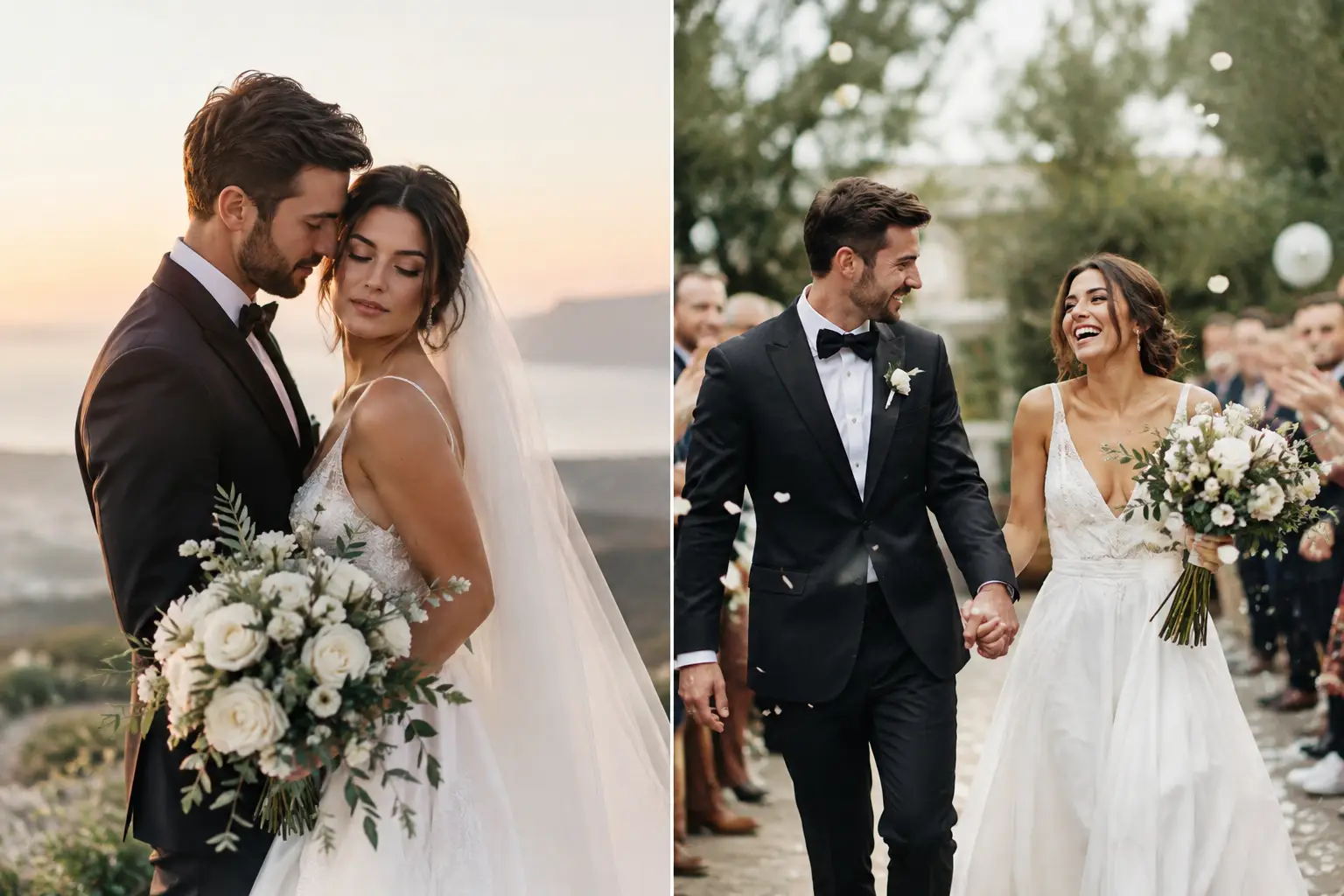
A balanced approach might include gently guided portraits during a quiet part of the day, then unobtrusive documentary coverage through the ceremony, cocktail hour, and reception. You receive the polished images that belong on the wall alongside the candid frames that bring you back to the feeling of being there.
This approach is especially useful when your wedding includes both meaningful design and meaningful spontaneity. Perhaps you want a timeless portrait at the Lincoln Memorial or outside your DC venue, but you also want the unscripted reaction when your siblings see you dressed for the first time. You may value carefully photographed details, while knowing the photographs you will treasure most could be the ones you never saw being taken.
At Rodney Bailey, the goal is not to force every wedding into a fixed visual formula. It is to understand what matters most to each couple, then photograph the day with the right combination of artistry, direction, and discretion.
How to Decide Which Style Fits Your Wedding
Start by looking beyond individual images. A single editorial portrait can be striking, and a single candid photograph can be moving, but a wedding photographer should be evaluated by full galleries. Notice whether the images hold emotional variety from beginning to end. Can you sense the pace of the day? Do the portraits look relaxed? Are family and guests photographed with the same care as the couple?
Then consider how you want to spend your wedding day. If you love the idea of a focused portrait experience and want a highly polished visual record of your fashion and design, lean more editorial. If the thought of extended posing makes you anxious and your priority is staying immersed with your guests, documentary coverage may be the better foundation.
Your venue and timeline matter, too. A wedding with a large guest count, multiple locations, or significant cultural traditions creates countless documentary opportunities but requires thoughtful planning to protect portrait time. A smaller celebration at a visually distinctive venue may allow for more editorial portraits without taking you away from the party for long.
It is also worth being honest about what you mean by “candid.” Some couples use the word to mean they do not want to feel stiff or overly posed. That does not necessarily mean they want zero direction. A few minutes of calm guidance can create portraits that feel effortless while allowing the rest of the day to unfold naturally.
Questions Worth Asking Your Photographer
When you meet with a photographer, ask how they handle portraits, how much direction they give during key moments, and how they approach a reception once the dance floor opens. Ask to see complete wedding stories photographed in conditions similar to yours, whether that means a low-light ballroom, an outdoor ceremony, or a formal DC celebration with a full guest list.
Listen for specifics rather than labels. “Editorial” and “documentary” are frequently used in marketing, but a photographer’s process will reveal more than a style description alone. An experienced professional should be able to explain how they build a realistic timeline, work alongside your planner, photograph family groupings efficiently, and remain alert for the moments no one can schedule.
The right photographs will not ask you to choose between looking your best and remembering how the day felt. They should give you both: the confidence of a beautifully composed portrait and the unmistakable truth of a moment that could never happen exactly the same way again.
Related Posts