Posed Portraits vs Candid Coverage for Events
A wedding day rarely slows down for the photographs that matter most. A parent seeing their child dressed and ready, a partner taking a breath before the ceremony, friends erupting during a toast – these are the moments at the heart of posed portraits vs candid coverage. The best choice is rarely one or the other. It is a thoughtful balance that preserves the people you love while allowing the celebration to unfold naturally.
For couples and families planning milestone events in Washington, DC, Northern Virginia, or Maryland, the question is not whether formal photographs are valuable. They are. The question is how to make room for them without turning the event into a sequence of instructions. With experienced planning and an observant photographer, you can have refined portraits and a living record of the day as it actually felt.
What Posed Portraits Preserve
Posed portraits create clarity. They document relationships, attire, design details, and the people who gathered in one place for an occasion that may never happen in quite the same way again. A well-made family portrait becomes more meaningful with time, particularly after a wedding, bar or bat mitzvah, or multi-generational celebration.
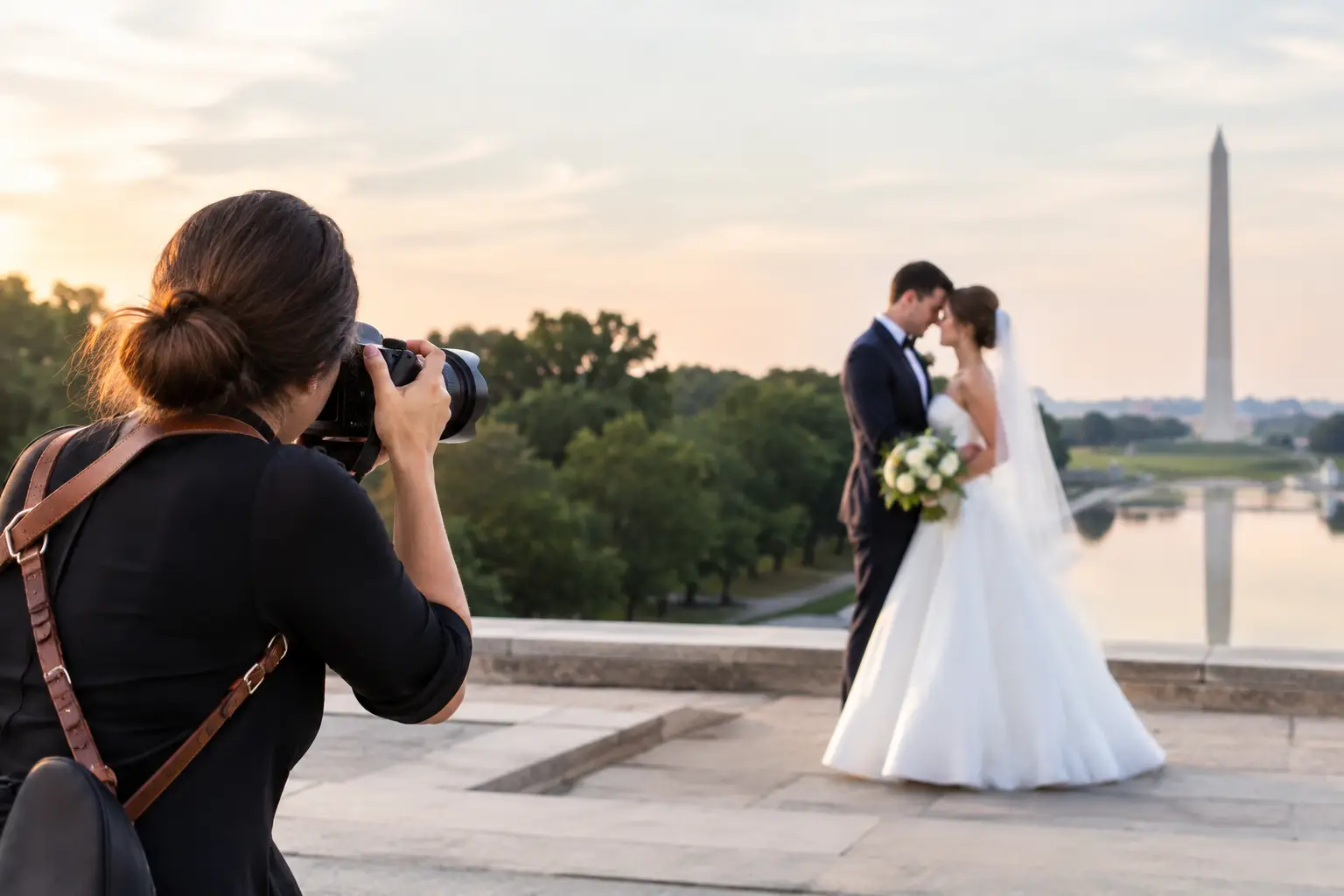
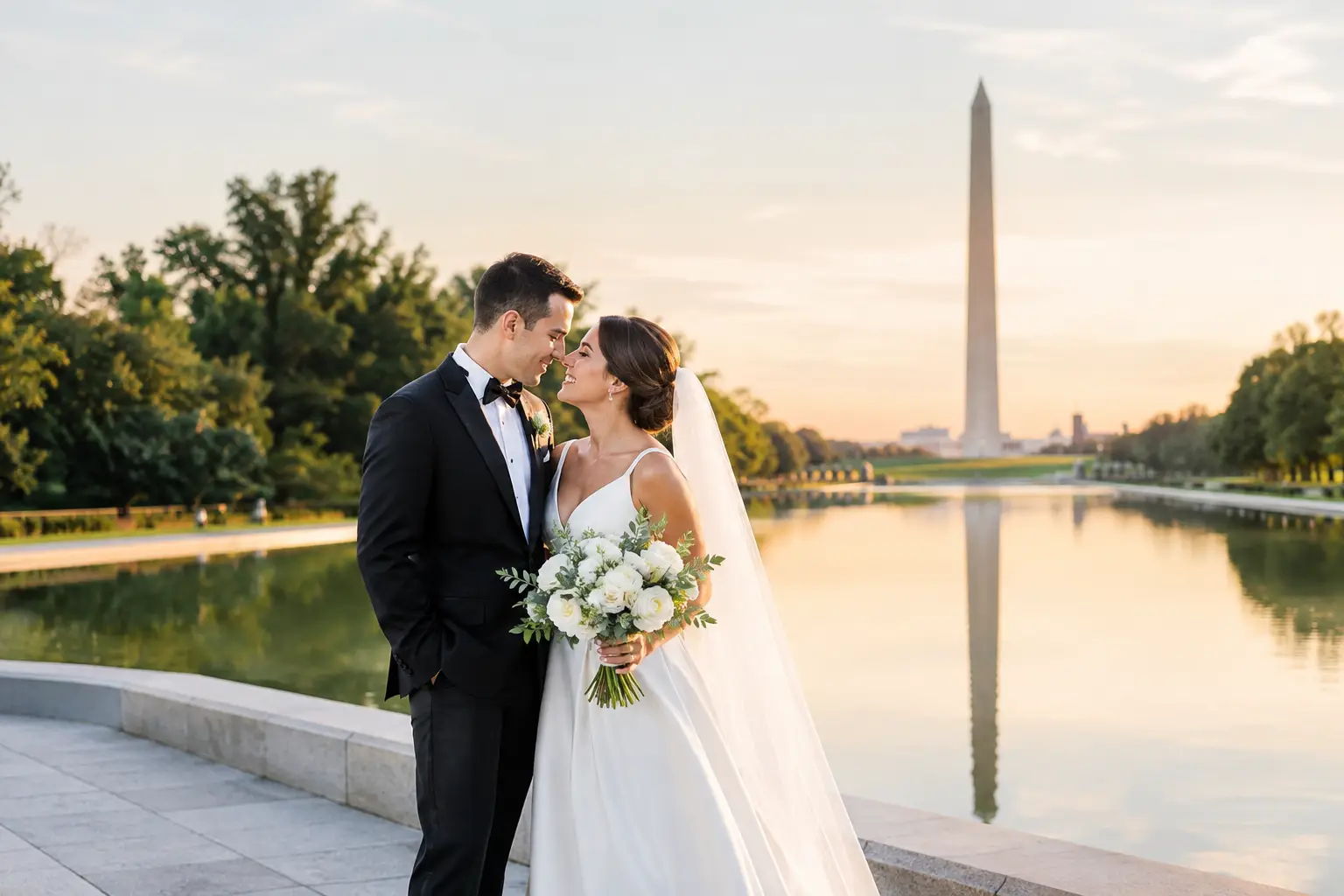
They also offer a rare opportunity to be intentional. On a wedding day, a couple can step away briefly and create portraits that honor the setting, the season, and their connection. At an elegant DC venue, that may mean using architectural lines, soft window light, or the city skyline as a backdrop. At a private estate or garden event, it may mean a quieter image that gives the couple space to be present with each other.
The misconception is that posed must mean stiff. It does not. Strong direction can be calm and minimal: where to stand for flattering light, how to angle toward one another, when to walk, where to place a hand. The goal is not to manufacture an expression. It is to remove uncertainty, so natural expression has room to emerge.
Why formal group photos deserve a plan
Family formals are often the most logistically demanding portraits of the day, and they benefit from a clear plan. A concise list of priority groupings, shared with the photographer before the event, keeps the process focused. Designating one family member from each side to help gather relatives is equally useful, especially when guests are spread across cocktail hour or moving between locations.
The right list is usually shorter than clients expect. Begin with immediate family, grandparents, and the relationships that would be deeply missed if they were not photographed. A prepared team can move efficiently, protect the event timeline, and still give each grouping the care it deserves.
Where Candid Coverage Does Its Best Work
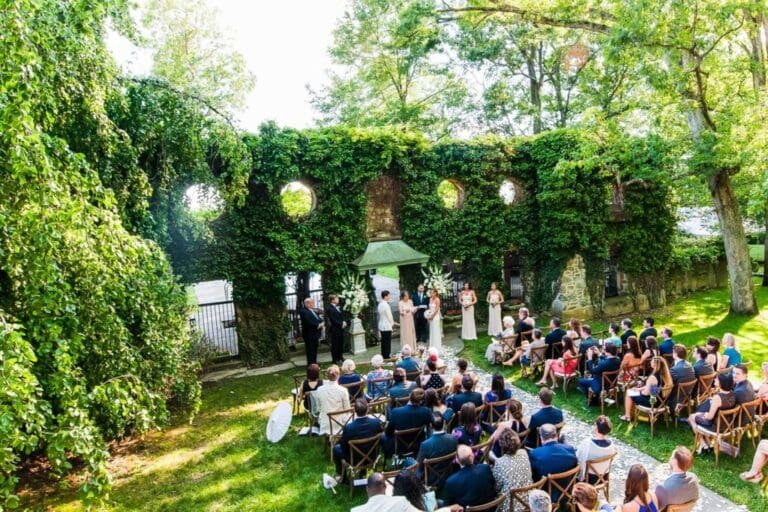
Candid photography captures the unscripted gestures that explain what the event meant. It is the glance exchanged during the ceremony, the laugh that interrupts a formal speech, the pride on a grandparent’s face, and the full dance floor after the band finds its rhythm. These images often become favorites because they hold emotion without asking anyone to perform it.
Great candid coverage is not passive. It requires anticipation, technical confidence, and the discretion to work close enough to tell the story without becoming part of the moment. A photojournalistic photographer reads the room: who is about to react, where light will fall, when a conversation is becoming meaningful, and when to give people privacy.
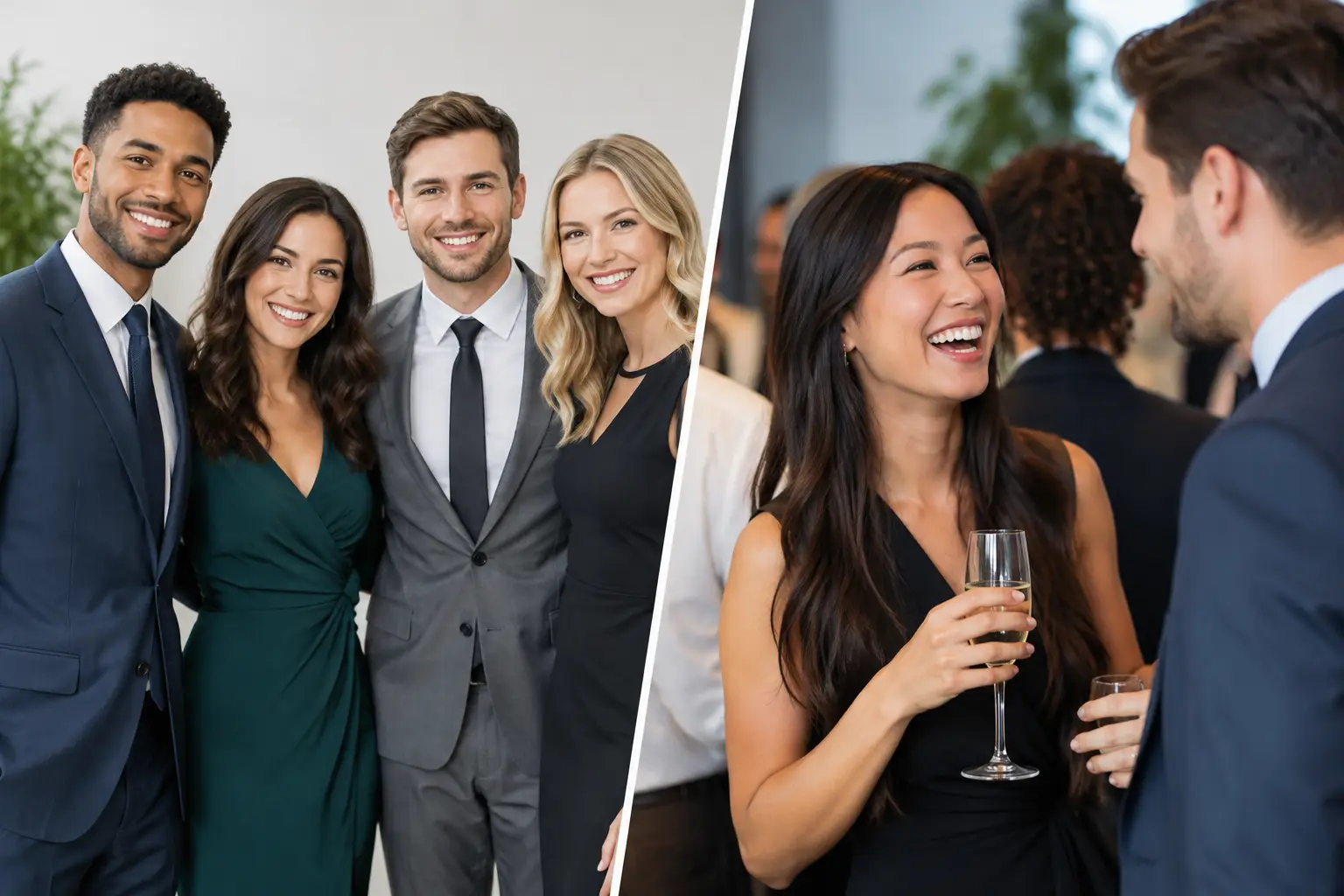
At a proposal, candids are often the entire emotional center of the experience. At a corporate gala, they may show the energy of the room and the genuine connections between guests more effectively than a series of handshake photos. At a mitzvah, they preserve both the ceremonial significance and the unguarded joy of friends and family celebrating together.
Candid images also give a final gallery its rhythm. They connect the large milestones with the details people may not have seen: hands fastening a cufflink, a child watching from the edge of the dance floor, a place card being set, a sibling leaning in during a quiet pause.
Posed Portraits vs Candid Coverage: The Real Trade-Off
The trade-off is not authenticity versus polish. A photographer can create polished portraits that feel authentic, and candid work can be carefully composed without looking contrived. The real considerations are time, privacy, personalities, and the story you want your images to tell.
If you value editorial-looking portraits, allocate protected time for them. For most weddings, that might mean a first look, a short portrait session before the ceremony, or 15 to 20 minutes around sunset. Without that time, portraits can feel rushed, particularly if travel, large family groupings, or a delayed schedule are involved.
If you want the reception documented with depth, give candid coverage priority during the moments that cannot be repeated. Toasts, first dances, blessings, performances, and open dancing are not the time to pull guests away for an extended portrait list. A seasoned photographer can make a quick request when it is truly worthwhile, but should otherwise let the celebration breathe.
Personality matters, too. Some people relax when they have clear direction. Others feel most like themselves when they forget the camera is present. A personalized approach accounts for both. One partner may enjoy a few composed portraits; the other may prefer walking, talking, and interacting rather than holding a pose. Good direction adapts rather than forcing a single style on everyone.
Build a Photography Timeline That Protects Both
The most successful events treat photography as part of the experience, not an interruption to it. That begins before the event with a conversation about priorities. Which relationships are essential? Are there cultural or religious traditions that require particular attention? Is the venue a major part of the visual story? Would you rather spend more time with guests, or would a private portrait window feel like a welcome pause?
For weddings, first looks can create significant flexibility, but they are not required. Couples who prefer to see each other at the ceremony can still make exceptional portraits afterward. They simply need a realistic timeline that accounts for family photos, travel, daylight, and the start of cocktail hour. There is no universal formula, only an honest assessment of what matters most.
For events with large guest lists, consider a brief portrait moment early in the evening and candid coverage for the remainder. For a smaller celebration, a photographer may have more freedom to create spontaneous portraits throughout the night. The scale and pace of the event should shape the plan.
At Rodney Bailey, more than three decades of wedding and event experience inform this balance: enough guidance to create timeless images, and enough space for real life to happen in front of the camera.
What to Look for in a Photographer’s Portfolio
When reviewing photography, do not look only for beautiful individual images. Look for evidence that the photographer can tell a complete story across changing light, busy rooms, formal traditions, and unpredictable emotion.
A strong portfolio should show flattering group portraits, natural-looking couple images, meaningful reactions, and the energy of a room in motion. Pay attention to whether people appear comfortable. Notice whether the photographer captures guests of different ages and roles, not only the couple or event hosts. Consider how images feel together, because your final collection should have both hero portraits and the in-between frames that make the day personal.
It is also worth asking how the photographer works during formal portraits, ceremonies, and receptions. The answer reveals more than a style label can. You want someone who can lead when leadership is needed and fade into the background when the moment belongs entirely to you and your guests.
A More Meaningful Standard Than “Natural”
Many clients say they want natural photographs, but natural does not mean unplanned. It means the images reflect the people and relationships in front of the lens. A composed family portrait can be natural when everyone looks at ease. A candid image can feel deeply intentional when it catches a fleeting emotion with care and precision.
The right coverage gives you both: photographs that show who was there and photographs that bring you back to how it felt. As you plan, choose the moments that deserve a little direction, then leave enough open space for the unexpected. Those unscheduled seconds are often where the most enduring photographs begin.
Related Posts