
Event Photography Rights Clients Should Know
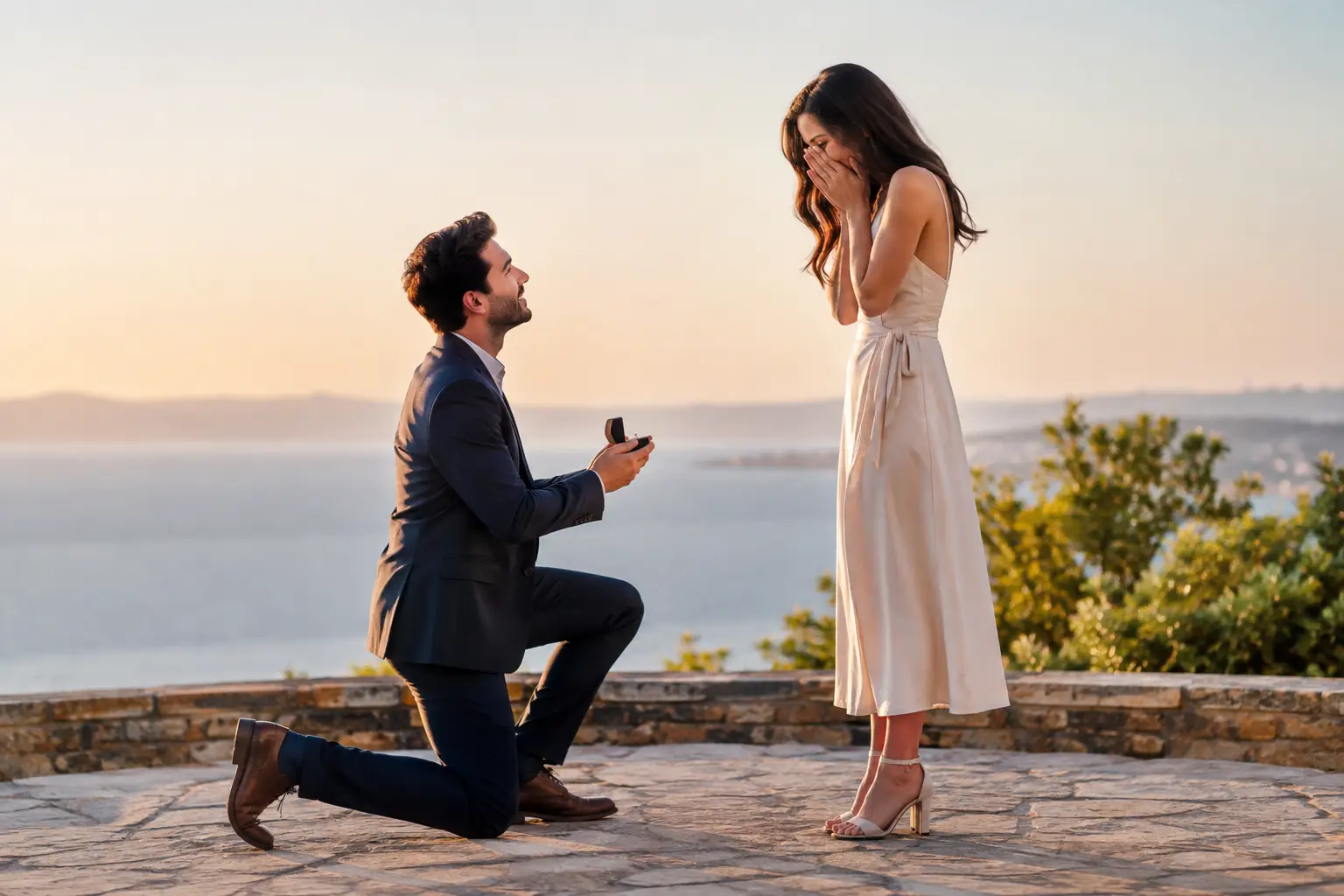
A wedding kiss beneath the chuppah, a grandfather’s reaction during a first dance, the room erupting after a surprise proposal – these moments feel deeply personal. Yet event photography rights are not always as simple as “we hired the photographer, so we own every image.” Clear expectations before the event protect the experience, the photographs, and the relationships surrounding both.
For weddings, mitzvahs, milestone celebrations, nonprofit galas, and corporate gatherings, the best photography agreements make room for both artistry and practical use. They define who owns the images, how clients may enjoy and share them, and when a photographer may feature the work in a portfolio. The specifics matter, particularly when an event includes a private venue, high-profile guests, or a company’s brand.
What Event Photography Rights Usually Mean
In most professional photography arrangements, the photographer retains copyright to the images they create. Copyright is the legal ownership of the photograph itself, including the right to reproduce, publish, edit, license, or sell it. This is standard practice across the photography industry and reflects the photographer’s creative authorship.
That does not mean a client is left with limited access to the images from their own celebration. A photography agreement typically grants the client a license to use the delivered photographs for personal purposes. For a wedding or family event, that generally means printing albums and wall art, sharing images with loved ones, posting them to personal social media accounts, and preserving them for future generations.
The distinction between copyright and a license is worth understanding. Copyright answers, “Who owns the image?” A license answers, “What may I do with it?” Those answers can be generous and client-friendly without being identical.
For most social events, a personal-use license is exactly what a family needs. If a publication, wedding planner, venue, or brand wants to use an image commercially, that is a separate conversation. The photographer’s permission may be required, as may the permission of the people and businesses shown.
Why a Written Agreement Matters
A thoughtful contract is not a formality reserved for complicated events. It is where expectations become clear while everyone is still focused on planning a meaningful occasion. It should explain image delivery, ownership, client usage, portfolio usage, payment terms, cancellation policies, and any event-specific restrictions.
For clients, clarity removes a common source of disappointment. You should know whether your gallery includes high-resolution files, whether you can make prints independently, and whether images can be submitted to a publication or shared with a vendor team. You should also understand whether raw, unedited files are included. Professional photographers generally do not release raw files because editing is an essential part of their visual style and final authorship.
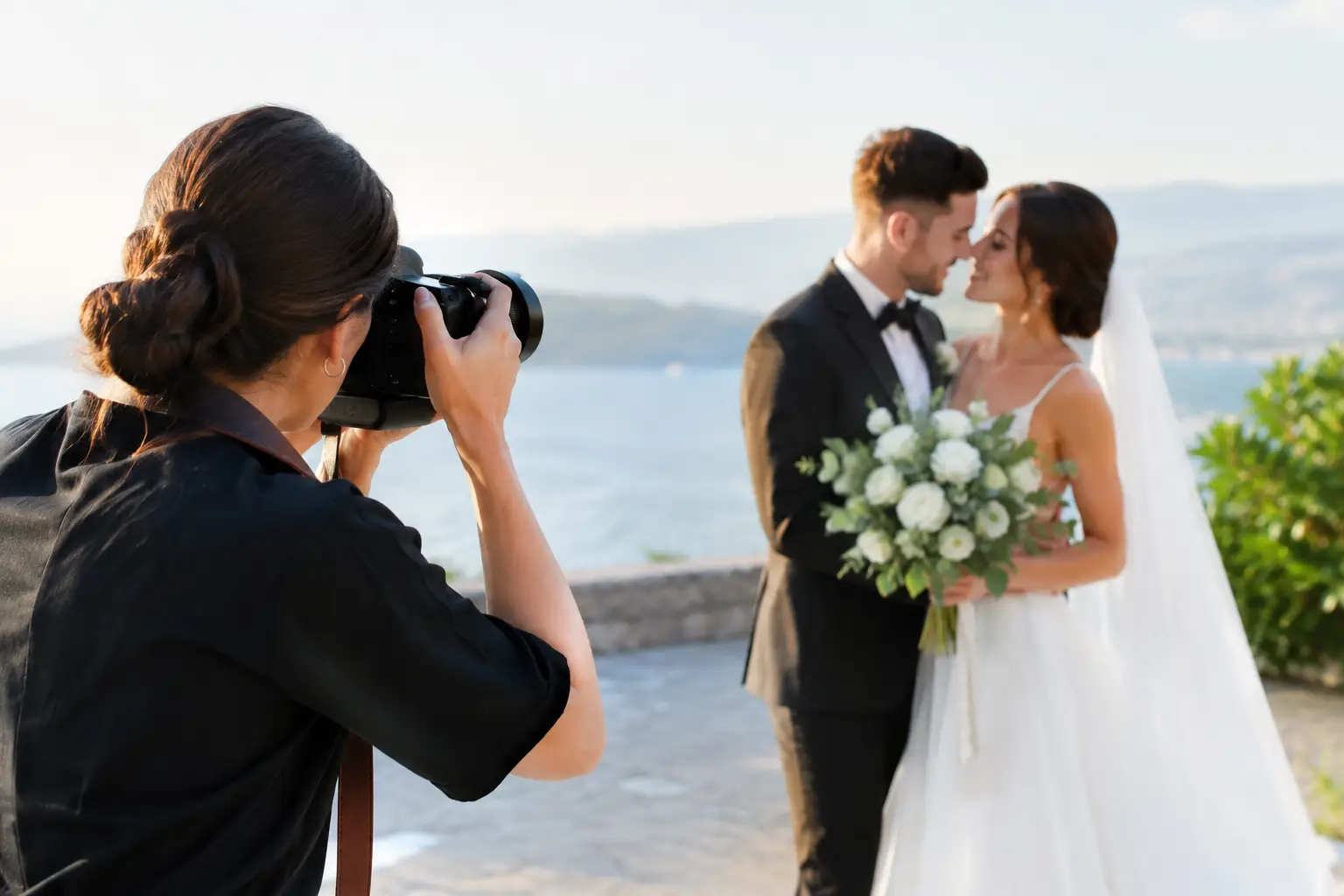
For photographers, a clear agreement protects the ability to show work that represents their craft. Authentic photographs from real celebrations are often the strongest evidence of experience, discretion, and storytelling ability. Still, a photographer’s portfolio use should be addressed with sensitivity, especially at private homes, religious ceremonies, or events involving public figures and children.
Portfolio and Social Media Use
Many clients are happy to see their celebration featured in a photographer’s portfolio, on social media, or in an industry publication. It can be a lovely way to share a beautifully designed event and recognize the vendor team that brought it together. Others prefer a quieter approach. Neither preference is unreasonable.
The right approach depends on the event. A couple planning an intimate wedding may welcome a few carefully selected images after the day. A family celebrating a bar or bat mitzvah may want to limit the public visibility of their child. An executive hosting a private dinner may require that no images appear anywhere outside the guest group. These are not details to leave until the gallery arrives.
Discuss privacy preferences early, and put them in writing. A photographer can often accommodate a request to delay sharing, refrain from identifying guests, avoid posting images of minors, or keep the entire event off public channels. However, clients should understand that restrictions may affect a photographer’s ability to use the work in marketing and, in some cases, may affect pricing or availability.
This is a fair trade-off, not a conflict. A premium photography experience is built on communication, and privacy requests deserve the same care as a rain plan or a family-photo list.
Venue, Planner, and Guest Considerations
The photographer and client are not always the only parties with an interest in the images. Venues may have rules regarding photography in certain spaces, particularly museums, historic properties, houses of worship, and locations with artwork or exhibitions. Some sites require advance approval for commercial photography or limit where equipment may be placed.
A wedding planner may request photographs for their own portfolio. Floral designers, caterers, entertainment teams, and venues often hope to share images from an event as well. When images are requested, proper credit and permission matter. A professional photographer may provide usage terms directly to vendors, rather than having a client distribute files without context.
Guests introduce another layer. At most private celebrations, guests can reasonably expect that photography is part of the occasion. But expectations change when an event is confidential, when a guest has security concerns, or when a company gathering includes proprietary presentations. A simple notice at the entrance, an announcement from the host, or guidance to the photographer can prevent confusion.
For events where guest privacy is central, identify a point person who can discreetly flag people who should not be photographed or shared publicly. This allows the photographer to remain attentive to the event while honoring the host’s wishes.
Corporate and Nonprofit Events Require Different Permissions
Corporate and nonprofit photography frequently involves broader usage needs than a wedding or family celebration. An organization may want to use images in annual reports, recruitment materials, fundraising campaigns, press releases, paid advertising, or presentations. Those uses should be specifically included in the license.
A single event gallery does not automatically grant unlimited commercial usage. If an organization expects to build a campaign around the images, the agreement should state where the images may appear, for how long, and whether paid promotion is included. It should also address whether the organization may crop images, add text or logos, provide images to sponsors, or share them with media outlets.
Consent is especially relevant when attendees are employees, donors, speakers, or clients. A registration notice or event signage can help establish that photography will occur, but it may not resolve every situation. Organizations with sensitive audiences, regulated industries, or youth participants should obtain legal guidance on releases and privacy requirements appropriate to their circumstances.
Questions to Ask Before You Book
You do not need to become a copyright expert to make an informed decision. Ask your photographer what personal or organizational use is included, whether printing rights are provided, and how images may be shared with vendors or publications. If privacy matters, ask how portfolio and social media use is handled and whether an opt-out or delayed-posting arrangement is available.
For corporate events, ask for language that matches your actual needs rather than assuming a standard package covers every channel. For family celebrations, ask whether the agreement addresses minors, private locations, and any guests who should not appear in photographs. If a venue has restrictions, share them before the event day.
It is also wise to ask what happens if an image is requested by a third party after the event. A trusted photographer will have a process for handling vendor requests, editorial inquiries, and other image-use questions with professionalism.
A Better Experience Begins With Shared Expectations
Photography rights are not meant to make a joyful event feel transactional. They exist to protect the people, creativity, and memories involved. When a client and photographer agree on ownership, privacy, and usage before the first photograph is made, the focus can return where it belongs: being present for the moments that cannot be recreated.
Choose a photographer whose agreement is clear and whose approach to privacy reflects the same care they bring to the celebration itself. The strongest images come from trust, and trust is built well before the camera is raised.
Related Posts