Best Wedding Venues for Photography in DC
A wedding venue can look spectacular during a site visit and still create difficult conditions for the photographs you will treasure most. The best wedding venues for photography do more than offer an impressive entrance or a beautiful ballroom. They give your photographer room to observe real emotion, work gracefully with changing light, and preserve the pace of the day without turning your celebration into a production.
For couples planning a wedding in Washington, DC, Maryland, or Northern Virginia, the right setting can add a distinctive sense of place to every image. A historic estate, museum, waterfront property, city hotel, garden, or private club can all photograph beautifully. What matters is how that venue works at the time of day, in the season of your wedding, and with the experience you want your guests to have.
What Makes a Venue Truly Photogenic?
A photogenic venue is not simply one with attractive architecture. It is a venue with usable light, visual depth, thoughtful transitions between spaces, and enough flexibility for a wedding day to unfold naturally.
Natural light is often the first consideration. Large windows, covered porches, open courtyards, and rooms with light-colored walls can create flattering, dimensional portraits. Yet direct midday sun in an unshaded garden can be harsh, and a glass-walled room can become challenging after dark if interior lighting is not thoughtfully designed. The goal is not to avoid every technical challenge. An experienced photographer can create compelling images in many conditions. It is to choose a setting that offers options.
The strongest venues also provide visual variety without requiring constant travel. A grand staircase, a quiet garden path, an architectural exterior, and an elegant reception room can each create a different chapter of the story. That variety allows portraits to feel polished while leaving ample time for candid moments with family and friends.
Just as important, the venue should support the kind of celebration you actually want. A dramatic museum may be ideal for a formal black-tie evening, while an estate with expansive grounds may better suit a relaxed outdoor celebration. The photographs should feel like an honest reflection of the day, not like a couple trying to fit into a setting that does not feel like them.
Best Wedding Venues for Photography: What to Look For
When touring venues, look beyond the ceremony site. Ask to see the getting-ready suites, the route guests will take between ceremony and cocktail hour, the reception space in both daylight and evening light, and the rain plan. These areas account for much of the wedding-day story.
Light That Works Across the Entire Day
Getting-ready images are often among the most personal photographs from a wedding. A suite with window light, uncluttered surroundings, and enough room for your closest people allows those early moments to feel calm rather than crowded. If the suite is dark or visually busy, ask whether there is another room on the property available for preparation.
For ceremonies, consider the direction of the sun at your planned start time. An outdoor aisle facing directly into late-afternoon sun can leave one partner in deep shadow and the other brightly lit. A venue coordinator or photographer can help you assess whether a small shift in ceremony placement or timing will produce a more comfortable guest experience and more balanced photographs.
Reception lighting deserves equal attention. Candlelight can be beautiful, but it should complement rather than replace practical ambient light. Dark ceilings, colored uplighting, and spotlights aimed only at the dance floor can create a dramatic atmosphere, though they may limit the softer, more natural feel many couples prefer. There is a balance: the room should feel like an evening celebration while still allowing faces, reactions, and details to be seen.
A Rain Plan You Would Be Happy to Use
A strong weather backup is one of the clearest signs of a photography-friendly venue. In the Mid-Atlantic, a spring shower, summer thunderstorm, or cold late-fall rain can change a plan quickly. The best alternative is not a cramped corner of the ballroom. It is a covered veranda, airy atrium, library, conservatory, or indoor space with character and enough room for guests to move comfortably.
Couples sometimes choose a venue based entirely on an outdoor ceremony view, then discover that the indoor plan feels like an afterthought. Ask to see photographs from a real rainy-day wedding at the property. You will quickly understand whether the venue remains elegant in every forecast.
Space for Real Moments, Not Just Formal Portraits
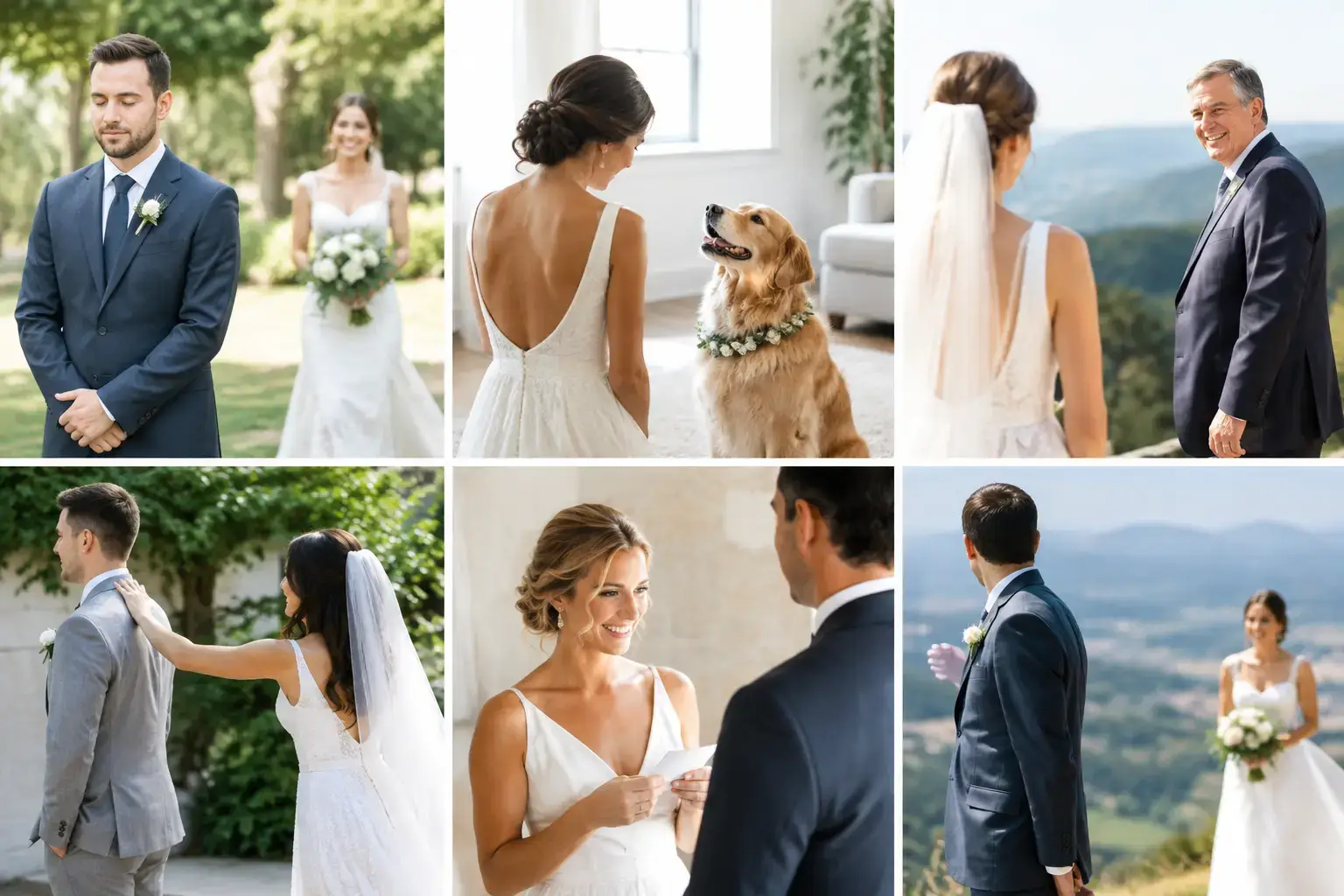
The most meaningful wedding photographs are often unplanned: a parent taking in the ceremony, friends reacting to a toast, a quiet hand squeeze before the processional, or the spontaneous energy of the dance floor. Those moments require a photographer to move discreetly and anticipate what is about to happen.
Venues with logical layouts and clear sightlines make that work easier. A ceremony space with a center aisle, room along the perimeter, and a thoughtful guest arrangement gives a photographer the freedom to capture the emotion without becoming part of the scene. At the reception, adequate space around tables, the bar, and the dance floor helps preserve candid interactions rather than forcing coverage from a distance.
This is where an experienced photojournalistic approach makes a difference. For more than three decades, Rodney Bailey has photographed celebrations throughout the region with an emphasis on authentic moments, refined portraiture, and attentive client service. A thoughtful venue gives that style of storytelling room to breathe.
Consider the Venue in Every Season
A venue that is extraordinary in May may look entirely different in January. Gardens may be dormant, daylight may fade before the ceremony begins, and outdoor pathways may be less practical for guests in formal attire. None of this should rule out a winter wedding. It simply means your indoor spaces and lighting plan become even more important.
For spring and summer celebrations, ask where shade is available for portraits and cocktail hour. Mature trees, covered terraces, and north-facing architectural areas can offer relief from bright sunlight. In autumn, consider when foliage typically peaks and whether the property has enough evergreen structure if leaves fall earlier than expected.
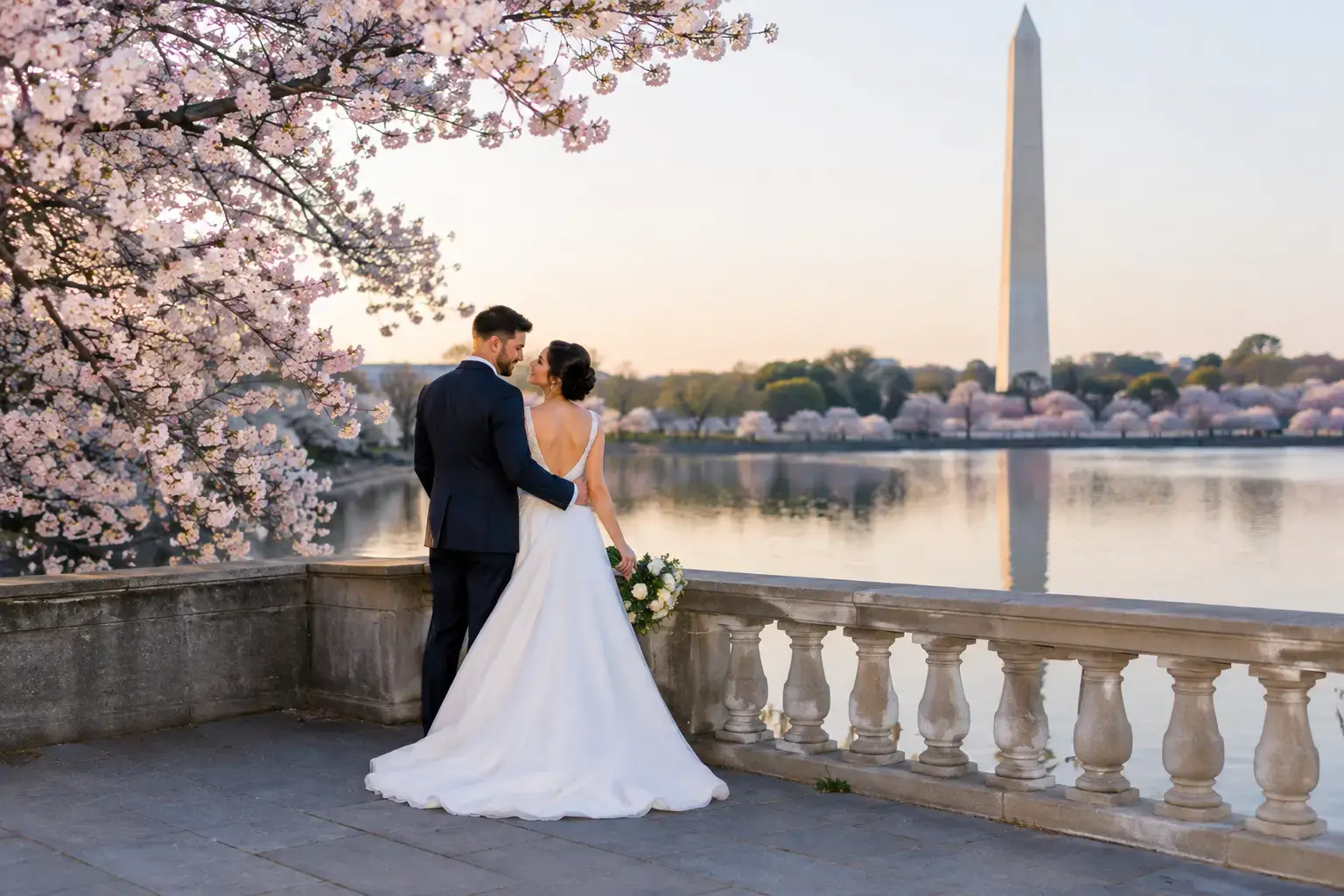
Washington, DC, also presents a distinct timing consideration: city traffic, public events, and seasonal visitor volume can affect travel between locations. If you envision portraits at a landmark or separate ceremony and reception sites, build a realistic buffer into the schedule. A beautiful photograph is never worth spending your wedding day in transit or asking guests to wait unnecessarily.
Questions to Ask Before You Sign
A venue team should be able to answer practical photography questions with confidence. Ask whether you can schedule a brief portrait window at sunset, whether access to outdoor areas changes after dark, and whether there are restrictions on flash photography during the ceremony. Confirm the timeline for room flips, especially if the ceremony and reception share one space.
It is also wise to ask about vendor access. Where can photographers park and load equipment? Are there limitations on where they may stand during the ceremony? Is there a preferred list of locations for family portraits? Clear answers prevent small logistical issues from interrupting the day.
If you are planning a cultural or religious celebration, discuss the full event flow rather than only the ceremony. A venue that understands a ketubah signing, tea ceremony, baraat, hora, or other meaningful tradition can help create space for the moments that matter most. Photography works best when the team understands the rhythm of the celebration and protects it.
Let the Venue Support Your Story
A remarkable venue should never overshadow the people in the photographs. Its architecture, landscape, and atmosphere should frame the laughter, tears, traditions, and relationships that made the day worth celebrating.
When you visit a potential venue, picture more than the first impression. Imagine the quiet moments before the ceremony, the light during your vows, the embrace after a heartfelt toast, and the joy of a full dance floor at the end of the night. Choose the place that gives those memories the room, light, and ease to become timeless photographs.
Related Posts