Wedding Photo Rights Couples Should Understand
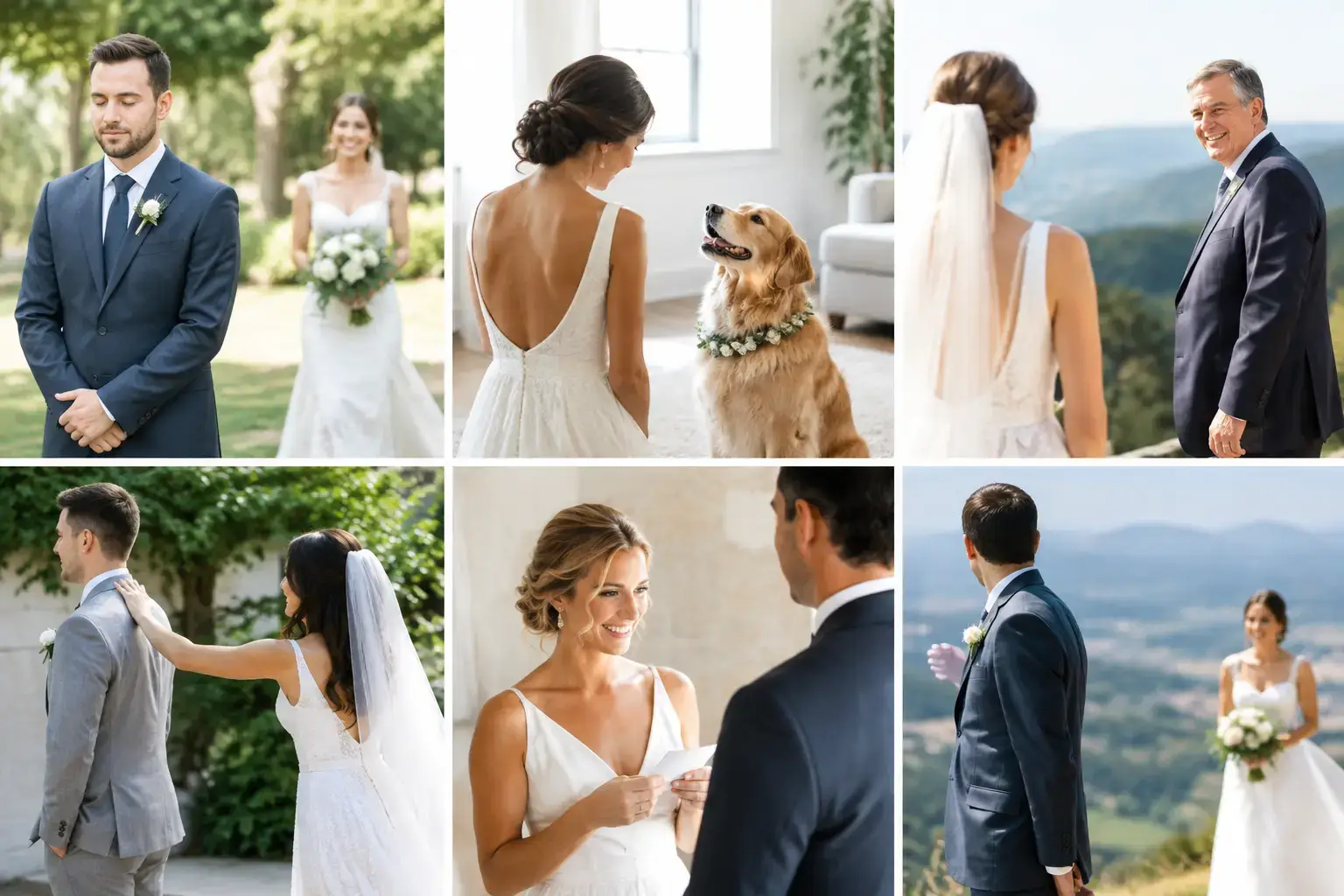
The images from your wedding are not simply files delivered after the celebration. They are the record of a parent seeing you ready for the first time, the laughter during toasts, the quiet hand squeeze before the ceremony, and the energy of everyone you chose to bring together. That is why wedding photo rights deserve attention before you sign a photography agreement, not after you receive a gallery.
For most couples, the goal is straightforward: enjoy and share the photographs freely, make albums and prints, and know those memories will remain accessible for decades. The legal language behind that goal can feel more complicated. A clear contract, however, makes the expectations of both couple and photographer easy to understand.
Wedding Photo Rights Start With Copyright
In the United States, the photographer generally owns the copyright to photographs they create. Copyright is the legal ownership of the creative work itself. It gives the photographer the ability to reproduce the images, display them, publish them, and authorize others to use them.
This can surprise couples, particularly when they have paid for full-day coverage. Paying for professional photography does not automatically transfer copyright, just as commissioning a painting does not automatically grant ownership of the artist’s reproduction rights. A wedding photography contract may transfer copyright, but that arrangement is uncommon and should be stated explicitly in writing.
A photographer retaining copyright is not a limitation on a couple’s enjoyment of their wedding photographs. It is usually the structure that allows the photographer to protect the integrity of the work, maintain archives, submit images for professional recognition, and show prospective clients an honest representation of their storytelling. For an experienced studio, the portfolio is also a promise: the work you see reflects the care and vision you can expect on your own day.
What couples typically receive is a license. That license grants specific permission to use the finished images in certain ways.
What a Personal-Use License Usually Covers
A well-written personal-use license is designed for the ways couples actually live with their photographs. It commonly permits you to download your images, print them for your home, create albums, share them with loved ones, and post them on personal social media accounts.
The exact terms matter. Some studios provide high-resolution digital files with broad personal printing rights. Others include a gallery for downloading and ordering, while reserving print fulfillment through their studio to maintain color accuracy and archival quality. Neither approach is inherently better. The right choice depends on how much flexibility you want, how much hands-on guidance you value, and the quality standards that matter to you.
Personal use does not usually include commercial use. For example, a guest should not use an image from your wedding to advertise their business. A wedding publication, venue, planner, florist, or fashion brand may also need permission from the copyright holder before using an image for promotion. If a vendor wants to feature an image that includes you, your photographer can help coordinate a respectful, properly credited use.
Sharing on Social Media
Most couples expect to share wedding photographs online, and many professional photographers encourage it. Your agreement may ask that you avoid applying heavy filters, cropping out a watermark, or altering the image in ways that change the photographer’s finished work. It may also request a credit when practical.
These requests are not about making personal sharing difficult. Editing tools can substantially change skin tones, lighting, and the carefully balanced color work that defines a photographer’s style. If a particular image needs a crop for a profile image or announcement, ask. A client-centered studio will usually make the process simple.
Also consider your own privacy preferences. Some couples are delighted to have their images shared by their photographer. Others have sensitive professional roles, children whose images they prefer not to publish, or family circumstances that call for discretion. Discuss this before the wedding. A privacy or portfolio-use preference is far easier to honor when it is clearly addressed in the agreement.
Copyright, Print Rights, and Raw Files Are Different Things
These terms are often used interchangeably, but they mean different things. Understanding the distinction helps prevent disappointment and makes comparisons between photography proposals more meaningful.
Copyright concerns ownership of the photographs as intellectual property. Print rights are generally part of a license that allows a couple to make prints for personal display or gifting. Digital files are the finished image files delivered by the photographer. Raw files are the unprocessed capture files created by the camera, and they are not the same as the final photographs.
Professional photographers rarely deliver raw files. They are incomplete source material, often requiring specialized software and considerable post-production work before they resemble the photographs in a portfolio. More significantly, editing is part of the artistic authorship of photojournalistic wedding photography. Exposure, color, contrast, black-and-white conversion, and the final selection of images all shape the emotional narrative of a wedding day.
If a photographer includes an online gallery, ask how long it will remain available and whether you should download and back up the final files yourself. The most careful approach is to save copies in more than one place, such as a personal computer and a secure cloud service. Your album and professionally made prints provide another lasting layer of preservation that does not depend on changing technology or login credentials.
Questions Worth Asking Before You Book
The best time to understand wedding photo rights is during the selection process, while you are comparing services and visual styles. Ask what is included with the final delivery, whether high-resolution files are provided, and what personal uses the license permits. Ask whether you may print through a lab of your choice, and whether the studio offers archival albums and fine-art print options.
It is also wise to ask about image backup and archive policies. A seasoned wedding photographer prepares for the realities of a fast-moving event with redundant equipment, careful file handling, and reliable workflow. Still, long-term storage practices vary among studios, and no couple should assume a gallery will be available forever without confirming the policy.
If your celebration includes notable guests, a private venue, a confidential proposal, or children whose images require special care, bring that up early. The same is true if you have an unusual request, such as an embargo before images are shared publicly or a publication opportunity you want to pursue. Premium service is not only about beautiful imagery. It is about thoughtful planning around the people and circumstances that make your celebration unique.
When You May Need Additional Permission
Some wedding images have a life beyond family sharing. A magazine feature, a paid brand collaboration, a book project, or marketing for a business may require an additional commercial license. The photographer may also need to consider permissions from recognizable people, venues, or other parties, depending on how and where the image will appear.
This does not mean these opportunities are off limits. It means they should be handled professionally. Contact the photographer before granting an outside party permission to use an image. In many cases, the photographer can provide the appropriate file, confirm credit language, and ensure the use respects everyone involved.
Likewise, if you want exclusive control over whether images appear in a photographer’s portfolio or social channels, discuss that before signing. Some studios offer privacy accommodations, while others build portfolio usage into their standard agreement. The terms, availability, and potential cost can vary, so clarity is more valuable than assumptions.
A Contract Should Feel Clear, Not Adversarial
Photography contracts protect both sides of a meaningful professional relationship. They should explain who owns the copyright, what usage rights you receive, the delivery timeline, gallery access, cancellation and rescheduling terms, and any permissions related to portfolio use. If language feels vague, ask for an explanation in plain English before you commit.
This article offers general information, not legal advice, and state laws and individual agreements can differ. For an unusual arrangement or a significant commercial use, consult an attorney familiar with intellectual property rights.
At Rodney Bailey, the purpose of a wedding collection is never to create friction around your memories. It is to give you confidence that your photographs are artfully created, carefully handled, and ready to be enjoyed in the ways that matter most to your family. Choose a photographer whose work moves you, then choose an agreement that lets you preserve and share that story with the same confidence.
Related Posts