Choosing a wedding photographer is one of the most consequential decisions you’ll make for your wedding day because the images become the long-term record of how the day felt and unfolded. This guide explains how to select a wedding photographer by defining common photography styles, outlining where to find qualified professionals, listing essential interview questions, and clarifying budget and contract terms so you can compare vendors confidently. Many couples struggle to translate a preferred look into measurable criteria, so this article provides practical checklists, EAV-style comparison tables, and interview decoding tips to simplify decisions. You will learn how different styles change timeline and coverage needs, which platforms and portfolio elements to prioritize, what questions reveal reliability, and how to read contract language about image rights and deliverables. The guide also points to regional considerations for Maryland, Washington DC, and Virginia venues and highlights documentary, candid, and editorial trends that matter in 2024.
What Wedding Photography Styles Should You Know Before Choosing?
Understanding wedding photography styles helps couples match visual expectations to a photographer’s approach, and it directly affects shot lists, timeline, and the final deliverables. Photography style describes the photographer’s visual language—composition, lighting, posing, and how they prioritize candid moments versus staged portraits—and that choice determines whether your gallery reads like a documentary, a fashion editorial, or a classic album. Knowing these distinctions reduces mismatched expectations and ensures your selected pro can document the moments you value most. Below, styles are defined, compared, and linked to practical scenarios so you can choose one that fits your personality and venue constraints.
This section summarizes the major styles couples select:
- Photojournalistic wedding photography focuses on candid storytelling and captures events as they naturally unfold without staged posing.
- Traditional/posed wedding photography emphasizes formal portraits, orchestrated family groupings, and classic poses for heirloom images.
- Candid or lifestyle photography blends natural moments with gentle direction to create relaxed-looking images that still include intentional composition.
These style summaries clarify trade-offs. Photojournalistic work prioritizes emotion and narrative flow, while traditional approaches guarantee posed portraits; the next subsection contrasts these more directly so you can see when each excels in real wedding scenarios.
What Are the Differences Between Photojournalistic, Traditional, and Candid Styles?
Photojournalistic, traditional, and candid approaches differ in intent, method, and deliverables: photojournalistic photography documents events unobtrusively to create a narrative sequence, traditional photography arranges and directs for predictable portrait outcomes, and candid or lifestyle photography mixes gentle direction with spontaneous moments for natural-looking images. Photojournalistic work depends on timing, composition, and anticipating emotional beats, delivering a full-day story that reads chronologically. Traditional photography is ideal when family portraits and formal portraits are a priority, and it typically shortens the time available for candid coverage. Candid styles suit couples who want authentic expressions but still want a few guided portraits; choosing between these styles influences your timeline planning, second-shooter needs, and how many edited images you should expect.
This contrast helps determine which style best suits your priorities, and the following subsection shows how one experienced photojournalistic practitioner applies techniques to capture authentic moments.
How Does Rodney Bailey’s Photojournalistic Style Capture Authentic Wedding Moments?
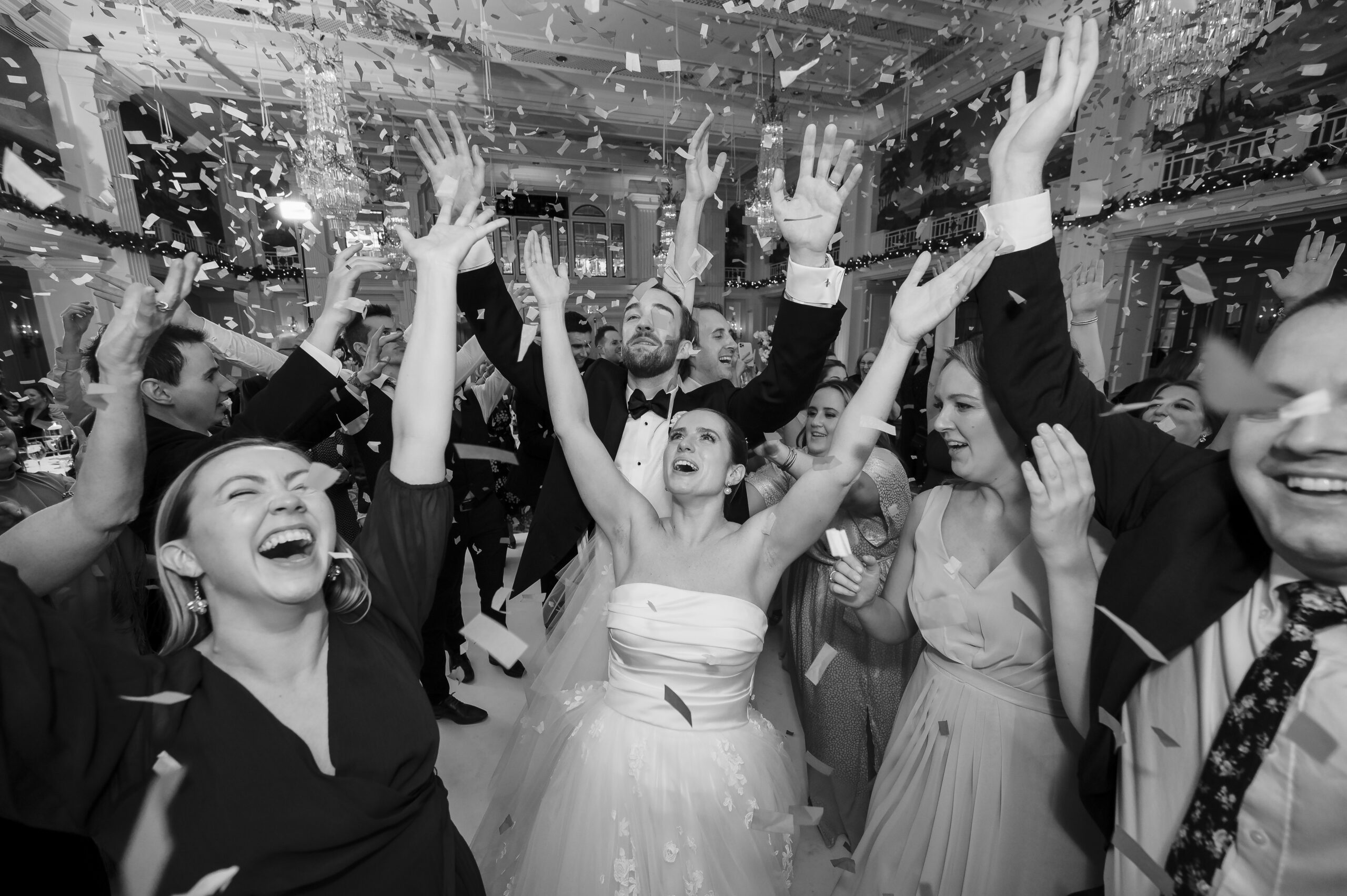
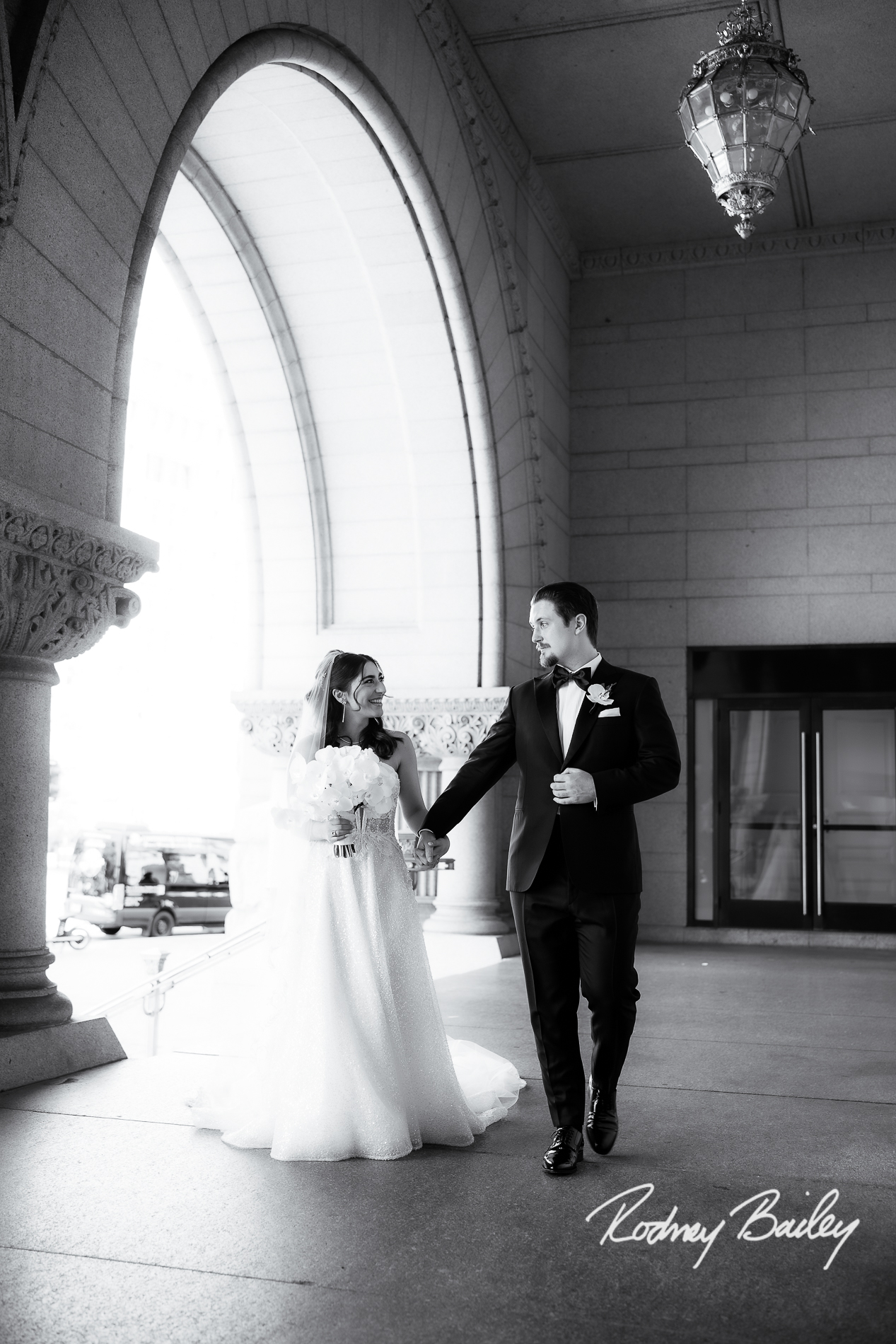
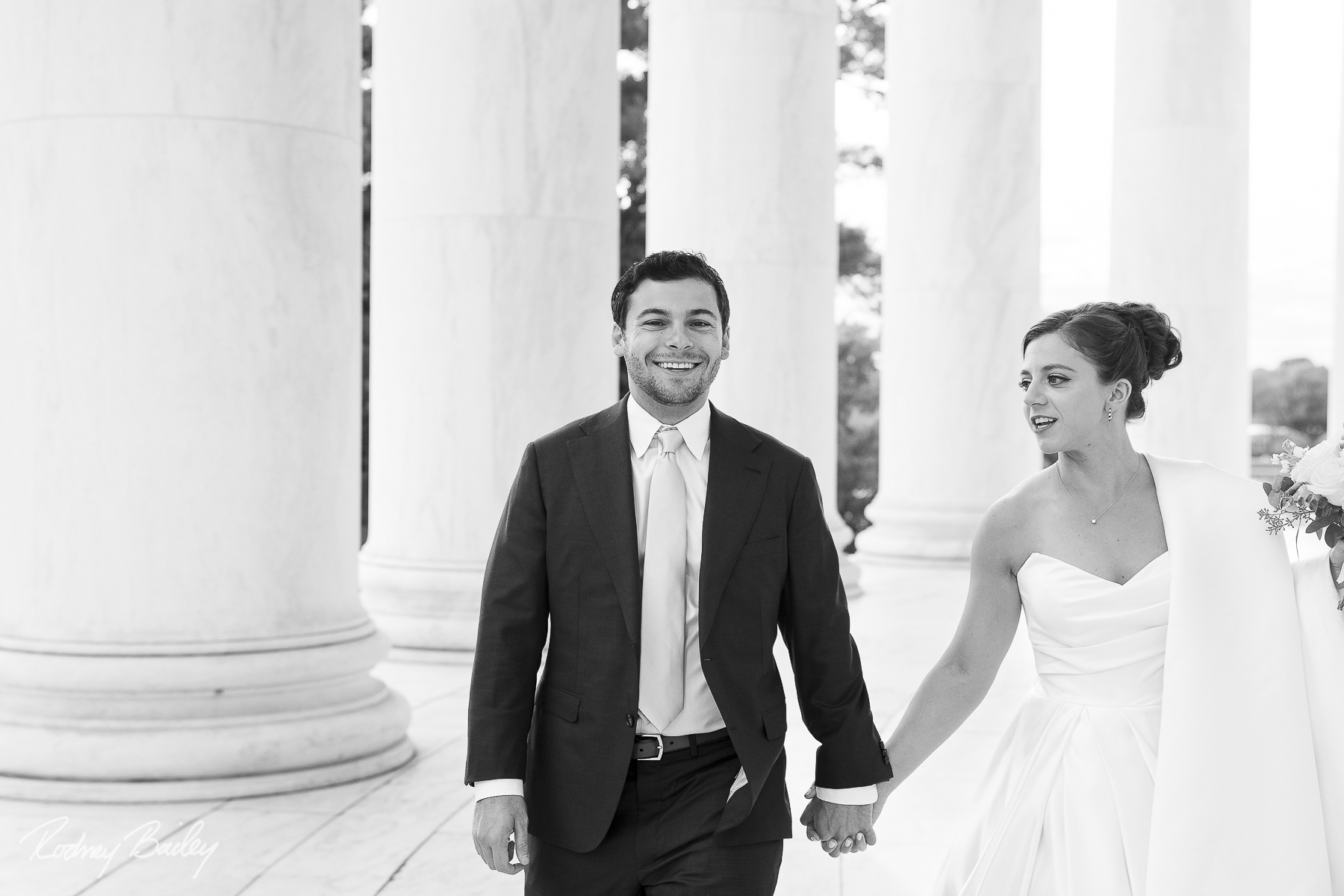
Rodney Bailey’s approach exemplifies a photojournalistic process that relies on unobtrusive observation, anticipating emotional peaks, and composition that places people and atmosphere at the center of each frame. He emphasizes being present without directing every moment, using timing and sequencing to tell a compelling narrative of the day from preparation through reception. When evaluating galleries for this style, look for consistent storytelling across a full wedding day—getting ready, ceremony, transitional moments, and reception energy—so you can confirm the photographer shoots beyond highlights, particularly when working with a Washington DC wedding photographer. Photojournalistic strengths include capturing unposed reactions and ambient details, and Photojournalism by Rodney Bailey presents award-winning, creative, and technology-forward examples that illustrate these qualities across diverse Maryland, DC, and Virginia venues.
Launching and Maintaining a Wedding Photography Business: Skills, Vision, and Legalities
With the popularity of the wedding industry in America perpetuated by social media, blogs, and other networking sites, thousands of self-employed photographers have set out to make a living documenting the most important day of some people’s lives. Digital photography appeals to many for its convenience, but having a camera does not make one a professional photographer. What separates the hobbyists from the professionals is the development of skills and creative vision and the proper legal and business licensing to make a profit off of their wedding photography. Shelley Owens provides her own experiences as a professional wedding photographer as examples for the steps that must be taken in order to become a working, legal, professional wedding photographer. The wedding industry is comprised of skilled vendors and creative service providers dedicated to providing beautiful and quality products to brides and grooms. Establishing oneself in the industry creates an outlet for creat
Where and How Can You Find the Best Wedding Photographers Near You?
Finding qualified wedding photographers involves combining platform research, venue referrals, and direct portfolio review so that candidates meet your style, budget, and logistical needs. Start by assembling a shortlist from reliable platforms and local recommendations, then request full galleries—not just highlight reels—to evaluate consistency across a full wedding day. Vetting should prioritize full-day storytelling, consistency in low-light situations, and evidence of experience at similar venues and timelines to yours. Below are the most effective discovery channels and practical vetting steps you can follow.
Top discovery channels and how to use them:
- Photographer websites and full galleries provide the most complete evidence of style and consistency and should be requested when initial samples are highlights-only.
- Wedding directories and curated platforms offer search filters for location and style but often surface highlight reels; always ask for full-day galleries.
- Venue recommendations and local planners can identify photographers familiar with the site’s lighting and logistics, reducing day-of surprises.
These platform choices guide where to begin, and the next subsection offers concrete local search tips and platform pros/cons so you can build a targeted shortlist for Maryland, Washington DC, and Virginia.
What Are the Top Platforms and Recommendations for Finding Wedding Photographers?
Use a combination of vendor websites, curated wedding directories, social channels, and venue lists to craft a balanced shortlist that prioritizes style fit and availability. Photographer websites typically host full galleries and client guidance, which is ideal for judging consistency; directories offer convenience but often emphasize portfolio highlights and reviews rather than full coverage. Social platforms like Instagram can reveal current shooting and editing trends, but you should still request full galleries to evaluate how the photographer handles variable lighting and long-form storytelling. Locally, ask venues for photographers who have worked similar ceremonies and receptions; those pros will already understand the space, timing constraints, and permit requirements.
After establishing where to search, the next subsection explains how to review portfolios and full wedding galleries effectively to spot consistency and storytelling.
How to Review Portfolios and Full Wedding Galleries Effectively?
Evaluating full wedding galleries requires a systematic rubric: consistency across lighting situations, coverage of key moments, variety of compositions, and cohesive editing style indicate professional reliability. Look for repeated evidence of important events—getting ready, ceremony details, candid family interactions, and reception energy—so you can be confident the photographer documents the whole day. Also assess how they handle mixed lighting: natural light, chapel or reception hall lighting, and evening dance-floor conditions; consistent quality across these contexts reduces the risk of surprises. Finally, examine the editing approach for color grading consistency and whether the gallery reads as a coherent story rather than a collection of disconnected highlight shots.
Use the table below as a simple EAV-style gallery evaluation checklist to score sample galleries objectively.
| Gallery Example | Consistency | Lighting | Emotion | Variety |
|---|---|---|---|---|
| Full-day wedding A | Pass | Strong in mixed light | High candid emotion | Excellent variety of frames |
| Full-day wedding B | Warning (highlights only) | Inconsistent under low light | Moderate | Limited formal portraits |
| Full-day wedding C | Pass | Consistent across settings | High | Balanced mix of detail + portraits |
Reviewing galleries with this rubric highlights where a photographer excels or shows gaps. After scoring, prioritize candidates with consistent full-day galleries and strong emotional storytelling for final interviews.
What Questions to Ask Before Booking Your Wedding Photographer?
Asking the right questions separates professionals from hobbyists and clarifies expectations about experience, equipment, logistics, backups, and deliverables. A focused interview reveals how the photographer plans for contingencies, structures deliverables, and manages timelines, letting you compare responses against standard expectations. Prepare technical questions that uncover reliability and stylistic questions that reveal working methods; follow up on ambiguous answers until you receive specifics. The list below is crafted for featured-snippet clarity: short questions with a one-line rationale for why each matters.
Here are the essential questions to ask with brief rationales:
- What is your photography style and how would you describe it? — Determines visual fit and editing expectations.
- Can I see full wedding galleries from events similar to ours? — Confirms consistency across a full day, not just highlights.
- What is included in your packages and what are overtime rates? — Clarifies deliverables and potential additional costs.
- Do you bring a second shooter or assistant for our date? — Assesses coverage for simultaneous moments and backup.
- What are your backup systems for equipment and files? — Reveals reliability and risk mitigation strategies.
- How long is the turnaround for edited images and what file types are delivered? — Sets expectations for delivery and usable formats.
- How do you handle image rights and usage for printing and social media? — Ensures clarity on licensing and personal use.
- What is your cancellation and rescheduling policy? — Protects both parties in case plans change.
These questions help you extract concrete commitments, and the next subsection explains how to decode vendor answers and build rapport during interviews.
Which Questions Cover Experience, Style, Equipment, and Backup Plans?
Technical and experience-focused questions confirm a photographer’s ability to cover the scale and style of your wedding reliably: ask about similar venue experience, sample timelines, camera systems, backup gear, and insurance or liability coverage. A strong answer names camera systems in general terms (professional-level bodies and lenses), indicates redundant backups (second shooters, duplicate cards, off-site storage), and references experience with venue lighting challenges. Expect an experienced photojournalistic professional to describe unobtrusive shooting methods, sequencing for storytelling, and clear backup plans including duplicate files and a disciplined file-transfer workflow. These technical confirmations reduce day-of risk and make it easier to compare practical readiness among finalists.
After confirming technical competence, you’ll want to evaluate interpersonal fit, which is covered next to help ensure comfort on the wedding day.
How Can You Assess Personality and Build Rapport with Your Photographer?
Personality fit influences stress levels and natural interaction on the wedding day; assessing rapport early ensures the photographer complements your communication style and guest dynamics. Use a pre-wedding meeting or engagement session to observe how they direct moments, respond to requests, and handle unforeseen changes; good rapport shows in calm problem-solving and collaborative tone. Ask about their approach to working with family members, planners, and other vendors to learn whether they prioritize coordination and polite leadership. Building rapport early through a relaxed engagement shoot or video call can reveal chemistry and confidence, helping you trust them to capture authentic moments without constant direction.
To help decode interview responses, use the EAV table below to map question topics to desirable answers and red flags.
| Question Topic | What to Listen For | Good Answer Example |
|---|---|---|
| Backup Plans | Redundancy and clear workflow | “Two cameras, duplicate cards, off-site backups” |
| Deliverables | Specific counts and formats | “Online gallery, high-res files, print rights” |
| Experience | Similar venue/types of weddings | “Full-day coverage at similar venues with samples” |
| Turnaround | Clear timeline for edited images | “6–8 weeks for full gallery, expedited options available” |
Using this decoding table lets you compare responses consistently. After evaluating answers against these expectations, you’ll be better prepared to negotiate budget and contract details.
How Do You Set Your Wedding Photography Budget and Understand Contract Details?
Budgeting for photography requires understanding the cost drivers—hours, number of shooters, travel, albums, and editing complexity—and aligning those with the outcomes you value most. Start by listing must-have deliverables (e.g., full gallery, second shooter, album) and prioritizing them to allocate budget efficiently. Contracts should clearly specify image rights, deposit and cancellation terms, overtime rates, deliverables, and turnaround timelines so there are no surprises after the wedding. Below we present a package comparison table in EAV format to illustrate common structures and what each typically includes, helping you plan realistic budgets and negotiate trade-offs.
Intro: This package comparison table outlines typical package types, what they include, and indicative price ranges to guide decision-making.
| Package Type | Hours / Deliverables | Price Range | Overtime Terms |
|---|---|---|---|
| Essential Coverage | 6 hrs / ~300 edited images, online gallery | $1,500–$2,500 | Hourly overtime charge |
| Full-Day Documentary | 9–10 hrs / 600+ edited images, two shooters | $3,500–$5,000 | Reduced overtime with second shooter |
| Premium with Album | 10+ hrs / 700+ images, album & prints | $5,000–$7,500 | Fixed overtime package or hourly |
This illustrative EAV table clarifies how hours, deliverables, and add-ons affect budget planning. Next, we detail the critical contract clauses you must understand before signing.
What Factors Influence Wedding Photography Costs and Package Options?
Primary cost drivers include hours of coverage, number of shooters, travel and lodging for destination dates, inclusion of engagement sessions or rehearsal coverage, and physical deliverables like albums or prints. Couples prioritizing a full-day narrative and multiple vantage points should budget for a second shooter and sufficient hours to avoid rushed transitions. Add-ons—custom albums, expedited editing, and extended reception coverage—raise costs but can be selective based on the moments you value most. Travel to Maryland, DC, and Virginia venues often influences pricing modestly; ask photographers about travel fees and any venue-specific constraints when comparing quotes.
Understanding these components lets you weigh what to keep versus cut, and the next subsection outlines key contract terms to watch regarding image rights and deliverables.
What Key Contract Terms Should You Know About Image Rights and Deliverables?
Contracts should clearly state image ownership and licensing: whether the photographer retains copyright while granting you personal-use rights for printing and sharing, or whether broader licensing is included. Look for explicit deliverable lists (number of edited images, file resolution, format, and delivery method), turnaround timelines, deposit amounts, cancellation and rescheduling policies, and liability/insurance clauses. Ask for precise language on overtime billing and what constitutes “productive shooting hours” to avoid disputes. When terms are unclear, request written amendments; professional photographers provide transparent sample contracts and discuss custom packages, and Photojournalism by Rodney Bailey cites clear package structures and delivery commitments to help clients compare options.
Exploring Wedding Photography Trends and Styles: A Qualitative Study
This qualitative research study delves into the evolving landscape of Washington DC wedding photography, focusing on trends and styles particularly within the context of South Indian Hindu weddings.
What Are the Top Tips for Making the Final Decision When Choosing a Wedding Photographer?
Final selection blends objective evidence—portfolio consistency, contract clarity, and references—with subjective fit such as personality and confidence. Rank candidates by consistency in full galleries, responsiveness during the interview, and how closely their sample work matches your desired style. Confirm logistics like timeline alignment, backup shooters, and precise deliverables before signing so expectations match reality. Use references and documented samples of full weddings to verify how photographers resolve real-world problems and support clients after delivery; combining these checks reduces selection risk significantly.
How Can Trust and Gut Feeling Influence Your Photographer Choice?
Intuition plays an important role because trust reduces stress and enables natural interactions that produce better photos; if communication feels trustworthy and your photographer demonstrates reliable planning, that rapport often translates to calmer, more authentic images. However, balance gut feeling with evidence: require full galleries, clear contract terms, and documented backup strategies to validate instincts. A successful hire combines warm rapport, a proven portfolio, and transparent logistics—this combination ensures both day-of comfort and post-wedding delivery. If chemistry is strong but documentation weak, request clarified contract terms or additional references to reconcile the gap.
Why Is Client Satisfaction and Photographer Reputation Important?
Reputation and client satisfaction reveal how photographers handle problems, deliver post-wedding support, and honor commitments like albums or reprints; positive reviews often indicate dependable workflows and good communication. Examine testimonials for specifics about turnaround times, responsiveness to edits, and how disputes (if any) were resolved—these operational details matter as much as the images. Reputation is also a proxy for experience with venue-specific challenges and vendor coordination, reducing day-of surprises. Prioritizing photographers with consistent, verifiable client satisfaction decreases the likelihood of delivery issues and increases post-wedding support confidence.
What Wedding Photography Trends in 2024 Should Influence Your Choice?
In 2024, documentary storytelling and candid approaches continue to grow in popularity as couples prefer authentic, full-day narratives that reflect mood and atmosphere rather than highly stylized poses. True-to-color grading and timeless tones are favored over trendy filters, which preserves images for long-term viewing and print. Photographers are also incorporating targeted technology—drones for overhead perspectives when venues permit, and AI-assisted workflows for efficient culling and basic edits—while maintaining human-led creative decisions for final grading. Understanding these trends helps you request up-to-date samples that reflect both artistic intent and modern workflows.
How Are Documentary Storytelling and Candid Photography Evolving?
Documentary storytelling is refining sequencing, composition, and moment anticipation so that full-day galleries read like a cohesive narrative rather than a collection of highlights; photographers now focus on transitions and environmental context to enhance storytelling. Couples can expect more consistent coverage across low light and reception environments because modern cameras and techniques improve dynamic range handling. Editors are favoring subtle grading that emphasizes authenticity and skin tones, resulting in images that age well and reproduce accurately in albums and prints. When selecting a photographer, ask for recent full galleries to confirm they deliver this contemporary, narrative-driven approach reliably.
What New Techniques Like Drone Shots and AI Editing Are Becoming Popular?
Drone photography adds cinematic overhead perspectives that enhance venue context and group shots when permitted by venue rules and local regulations, creating striking compositions for outdoor locations. AI-assisted editing speeds up initial culling and can suggest image selections, but experienced photographers use AI as an efficiency tool rather than a creative replacement, preserving human-led color grading and storytelling choices. Ask prospective photographers whether they use drones and AI, how they disclose this to clients, and how such tools affect price and delivery timelines. Transparent communication about technology ensures you receive the creative benefits without unexpected costs or surprises.
This article has walked through styles, discovery platforms, interview questions, budget and contract checklists, decision heuristics, and 2024 trends so you can confidently select a wedding photographer who matches your vision and priorities.