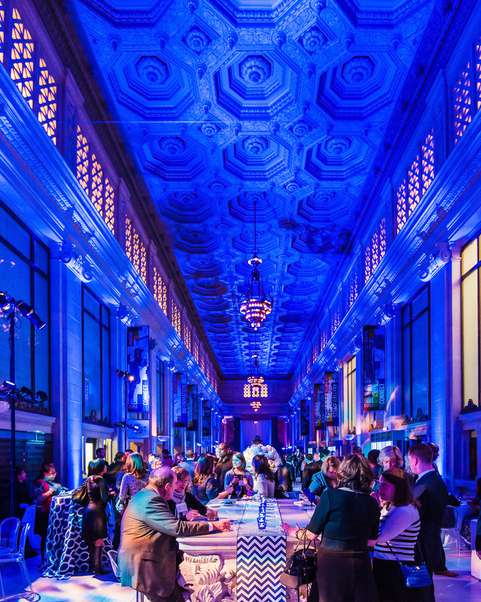
Professional convention and trade show photography captures the atmosphere, messaging, and measurable marketing assets that organizations need to amplify reach and document success. This article explains what convention and trade show photography is, why a focused photojournalistic approach matters, the core services photographers provide, and how fast image delivery supports social and PR efforts. Many event teams struggle to translate crowded show floors and speaker sessions into clear visual stories that support sales, media, and social objectives; the right photographic strategy solves that by prioritizing brand identity, decisive moments, and exhibitor outcomes. Below you’ll find practical guidance on shot priorities, technical techniques, event-day logistics, package comparison tables, and booking steps for Maryland, Washington DC, and Virginia-based coverage. Read on to learn which images matter most for marketing and PR, how real-time delivery works, and how to select a photographer who understands conventions, trade shows, and conference environments.
Why Is Professional Convention and Trade Show Photography Essential?
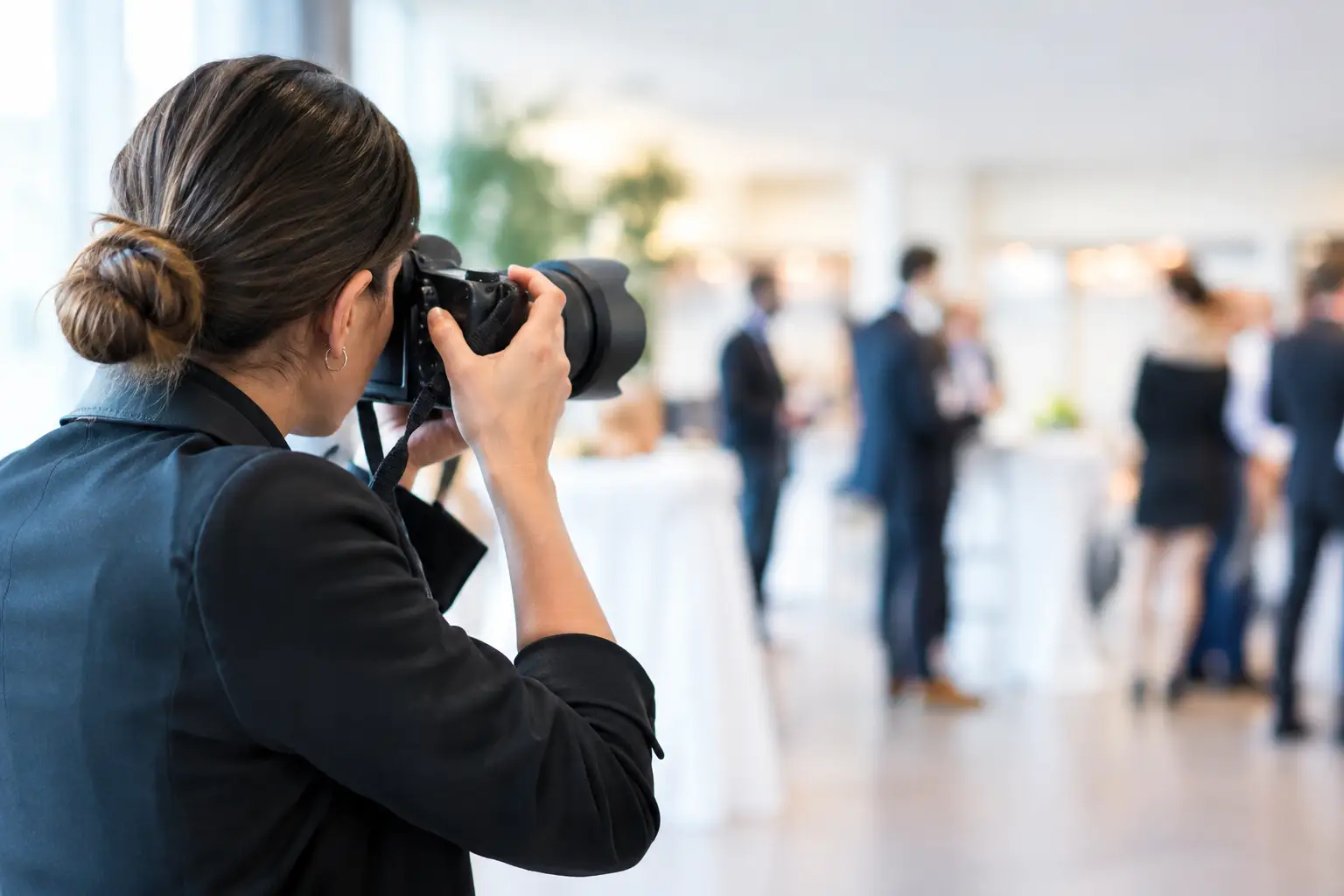
Professional convention and trade show photography documents critical brand moments and creates visual marketing assets that directly support exhibitor engagement, PR, and post-event promotion. Photographers who specialize in convention photography understand how to capture scale, signage, and attendee interactions so that images reflect brand identity, product demonstrations, and networking outcomes. These images become assets for social amplification, press distribution, and sales follow-up, helping organizers and exhibitors measure the event’s visual impact. The section below outlines how photography expresses brand messaging and which moments to prioritize for maximum marketing value.
Trade shows and conventions require visual narratives that connect booth presence to brand promise; the next subsection explains how photography captures brand identity and messaging in practical terms.
How Does Photography Capture Brand Identity and Messaging at Events?
Convention photography captures brand identity by focusing on visual signals—logo placement, color schemes, product displays, and staff behavior—that together convey a brand’s tone and promise. Photographers use composition and selective focus to emphasize signage, brand colors, and product placement, ensuring imagery communicates the intended messaging without staging unnatural scenes. By documenting staff interactions and product demonstrations, images illustrate service quality and user experience for later marketing use. This approach turns static branding elements into narrative assets that marketing teams can repurpose across social posts, press kits, and exhibitor recaps.
Documenting brand identity at the booth naturally leads to prioritizing the specific moments and speakers whose images drive PR and thought-leadership value, which we examine next.
What Key Moments and Speakers Should Be Documented?
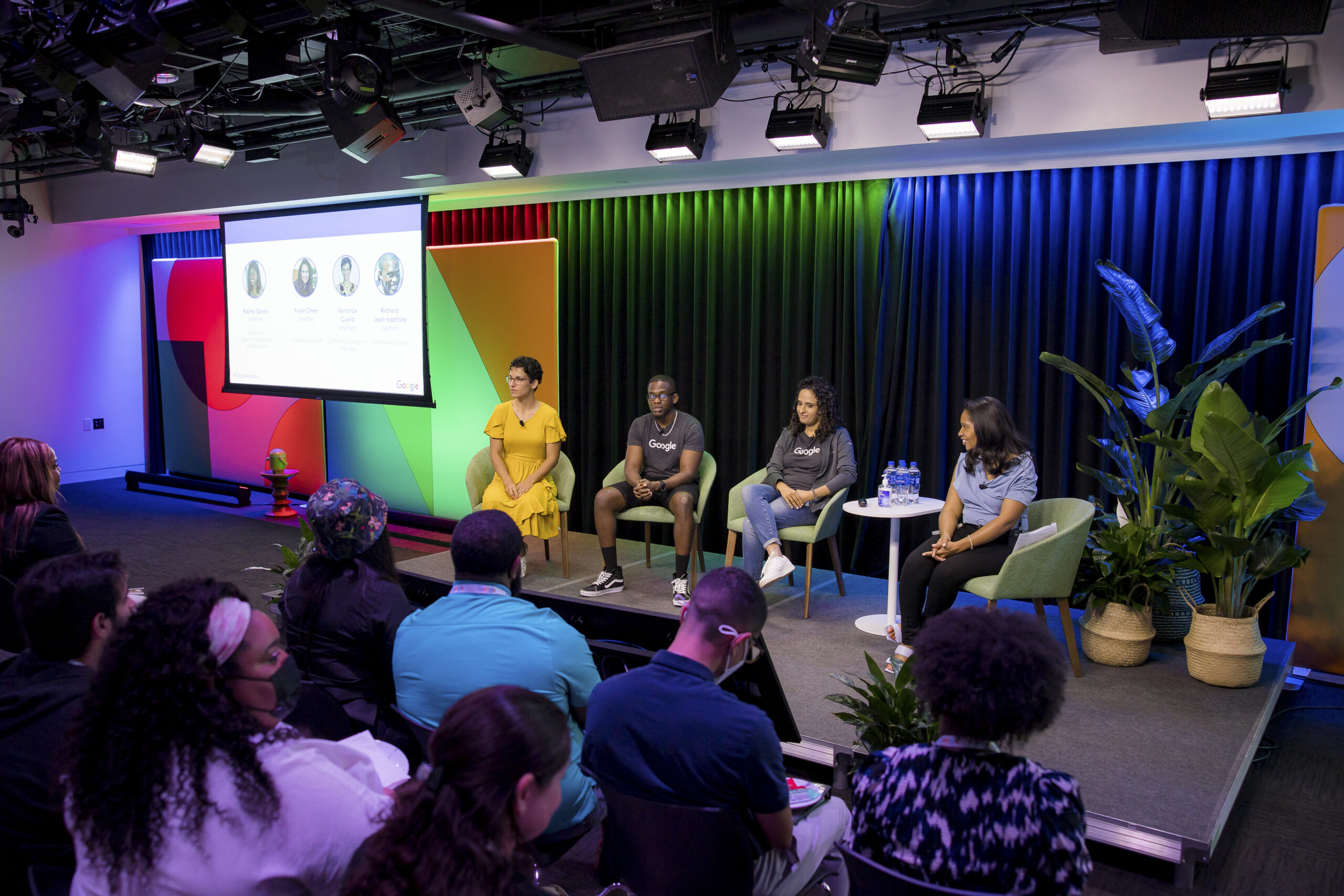
A prioritized shot list ensures the photographer captures keynote addresses, panel discussions, product demos, award ceremonies, and high-value networking interactions that translate into PR and sales content. Keynote and panel photos support thought-leadership positioning, while product demo images provide sales enablement visuals for follow-up outreach. Award moments and gala captures preserve emotional highlights that enhance brand storytelling and sponsor recognition. For typical coverage, plan for a mix of wide, mid, and close-up frames—approximately 8–12 hero images per keynote and a selection of candid networking shots per hour—to supply marketing teams with a balanced asset set.
Having a clear sense of priority shots informs which services photographers offer; the next section breaks down core service types and typical deliverables.
What Key Services Do Convention & Trade Show Photographers Offer?
Convention and trade show photographers offer a suite of services designed to cover booths, speakers, candid attendee interactions, evening galas, and expedited image delivery for live promotion. These core services map directly to marketing and PR needs: exhibition booth photography documents brand presence; speaker coverage supports media and thought leadership; candid photography captures authentic attendee engagement; gala coverage preserves awards and entertainment; and real-time delivery enables social amplification. Below is a concise list summarizing these service categories and what each delivers.
- Exhibition Booth Photography: High-quality images that showcase booth design, product placement, signage, and staff interactions for marketing and post-show recaps.
- Conference Speaker & Panel Coverage: Stage-wide, mid, and close-up images of keynote speakers and panels for press, thought-leadership promotion, and event websites.
- Candid Networking & Attendee Photography: Natural, un-staged images capturing conversations, demonstrations, and spontaneous moments that humanize the brand.
- Awards, Gala & Evening Coverage: Formal portraits, award presentations, and entertainment photos that highlight emotional and ceremonial moments.
- Real-Time or Rapid Photo Delivery: Curated social-ready images and press assets delivered during the event to support live campaigns and same-day PR.
Below is a comparison table showing typical deliverables and why each service matters for marketing and PR.
| Service | Typical Deliverables | Typical Use / Benefit |
|---|---|---|
| Exhibition Booth Photography | 20–50 edited images showing booth layout, branded close-ups, and staff-in-context shots | Used for exhibitor recaps, website galleries, and social posts to increase booth visibility |
| Conference Speaker Coverage | 10–20 hero images per session, speaker portraits, audience reaction shots | Supports press releases, thought-leadership promotion, and speaker media kits |
| Candid Networking Photography | 30–100 candid images across the show floor | Enhances social engagement and showcases authentic attendee interaction for marketing |
| Gala & Awards Coverage | Portraits, stage action, wide-room atmosphere shots | Creates sponsor assets and commemorative galleries for post-event storytelling |
| Real-Time Photo Delivery | Social-ready JPEGs, select high-res images for press | Enables live social amplification and immediate PR distribution |
This comparison helps align photographic services with specific marketing goals; next we present a brief, high-level overview of how a specialist provider packages and supports these services.
Photojournalism by Rodney Bailey provides a photojournalistic approach to these core services and serves Maryland, Washington DC, and Virginia with award-winning event coverage and a customer-focused process that emphasizes authenticity and marketing-ready deliverables. For planners seeking transparent package guidance and rapid turnarounds, Rodney Bailey offers high-quality, creative coverage that scales from single booths to full-scale conventions. To request a detailed package or a quote for a specific show—whether single-day or multi-day—event teams typically provide event date, venue, and deliverable priorities to receive a tailored proposal and timeline. This local availability and clear quote workflow make it straightforward for regional event teams to secure experienced convention and trade show photographers.
How Does a Photojournalistic Approach Enhance Trade Show Event Photography?
A photojournalistic approach enhances trade show photography by prioritizing candid storytelling, contextual awareness, and unobtrusive documentation that reveal authentic brand moments rather than staged corporate poses. This style emphasizes capturing interactions, expressions, and natural sequencing of events so that images function as narrative assets for marketing and PR. Photojournalistic work adapts to changing event dynamics—lighting shifts, crowded aisles, and unexpected moments—so deliverables remain relevant and emotionally resonant. The techniques and equipment below map specific methods to client benefits, showing why this approach often yields stronger long-term marketing value than purely posed coverage.
Below is a table that maps techniques to equipment and client outcomes, clarifying how photojournalistic choices produce tangible marketing benefits.
| Technique | Equipment / Tool | Benefit to Client |
|---|---|---|
| Candid reportage | Fast prime lenses (35mm, 50mm) | Natural, low-light portraits and authentic interactions |
| Environmental wide shots | Wide-angle zooms (16–35mm) | Contextual images showing booth scale and floor activity |
| Selective focus & compression | Telephoto zooms (70–200mm) | Tight frames of demonstrations and speaker expressions |
| On-site culling & edits | Mobile editing rigs / fast SSDs | Faster delivery of social-ready images for live campaigns |
| Minimal staging | Continuous shooting and light management | Authentic imagery that supports long-form storytelling |
This mapping clarifies how the photographer’s choices create assets that align with client storytelling goals; the next subsection covers specific gear, techniques, and their practical application on site.
What Techniques and Equipment Ensure Authentic and High-Quality Images?
Photographers combine fast primes and versatile zooms with on-camera or portable lighting to manage variable convention lighting and movement, producing crisp images that remain usable across print and digital formats. Fast lenses (f/1.4–f/2.8) enable low-light captures without intrusive flash, while zooms provide flexibility to frame stage action or intimate booth moments. Backup gear, redundant storage, and on-site tethering or culling systems ensure reliability and quick turnaround. Post-production focuses on color consistency and export-ready formats so images are immediately useful for media and social teams.
How Is the On-Site Photography Experience Managed Seamlessly?
Seamless on-site photography depends on clear pre-event shot lists, coordination with show managers and booth staff, and contingency planning for access and lighting challenges. Photographers schedule arrival windows, confirm power and staging needs, and review speaker schedules to avoid missed moments. Efficient workflows include rapid culling, priority edits for social, and staged handoffs for press materials when required; these steps reduce friction for exhibitors and organizers. Communicating expected deliverables and timelines in advance keeps stakeholders aligned and ensures imagery serves immediate marketing needs.
Pre-event alignment on shot priorities leads naturally to benefits gained when images are delivered quickly; the following section explains real-time photo delivery and its strategic uses.
What Are the Benefits of Real-Time Photo Delivery for Conventions and Trade Shows?
Real-time photo delivery provides immediate social-ready images and press assets that amplify booth visibility, support live hashtag campaigns, and allow PR teams to publish same-day coverage. Rapid delivery shortens the marketing feedback loop so exhibitors can post high-quality images while the show is active, which enhances attendee engagement and sponsor satisfaction. For event organizers and exhibitors, the ability to push curated images during sessions and product demos increases shareable moments and drives booth traffic. Below are practical use cases and a table that clarifies delivery tiers, formats, and turnaround expectations.
Real-time delivery supports multiple use cases for social and PR teams; the list below outlines common scenarios where rapid imagery changes outcomes in real time.
- Immediate social posts to highlight product demos, speaker quotes, and booth activity during peak hours.
- Same-day press kits enabling media outlets to publish timely coverage with professional images.
- Exhibitor updates that share hero images with sales teams for immediate lead follow-up and customer engagement.
These use cases illustrate how on-the-fly imagery fuels live marketing; the next table clarifies delivery options, typical file formats, and realistic turnaround times.
| Delivery Option | Typical File Formats | Turnaround Time |
|---|---|---|
| Social-Ready Selects | JPEG (web-optimized), sRGB | 15–90 minutes per select batch |
| Rapid High-Res Edits | High-quality JPEG, TIFF on request | 2–6 hours for prioritized sessions |
| Full Event Gallery | High-res JPEG, archival copies | 24–72 hours for full gallery delivery |
How Does Real-Time Delivery Support Social Media and PR Efforts?
Real-time delivery aligns with social and PR timelines by supplying hero images for live posts, quote cards, and same-day press announcements that sustain momentum while the event is top of mind. Social teams can use curated selects to amplify trending sessions, spotlight sponsors, or promote exclusive demonstrations, while PR teams receive images that validate coverage and support outreach. Suggested delivery cadence includes hourly social batches during peak times and prioritized hero images for keynote sessions to ensure timely amplification. This approach increases reach, reinforces messaging, and connects online engagement to on-site activity.
What Are the Typical Formats and Turnaround Times for Event Photos?
Common file formats for convention photography include web-optimized JPEGs for social, high-resolution JPEGs or TIFFs for print and marketing, and selective PNGs for transparent overlays; choosing the right format depends on intended use. Turnaround time varies by tier: social-ready images can be delivered in minutes to a few hours, prioritized session edits within the same day, and complete event galleries within 24–72 hours. Clear expectations on formats and timelines help exhibitors plan social schedules and PR releases. Establishing these standards before the event ensures images are usable immediately and archive-ready for later marketing initiatives.
Fast delivery strategies naturally tie into evening activities where lighting and formal coverage differ; the next H2 addresses gala and award-specific approaches.
How Are Corporate Gala and Award Event Photography Services Tailored?
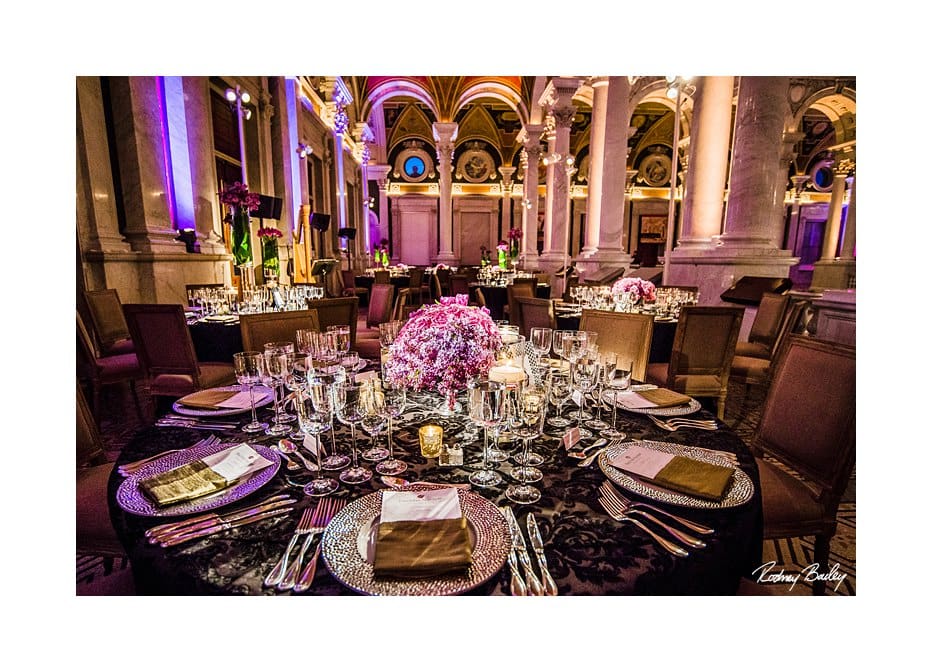
Gala and award photography differs from trade show coverage in pacing, lighting, and subject focus: galas emphasize portraits, stage moments, and emotional reactions in controlled, low-light environments. Photographers adapt by using on-camera and off-camera lighting, longer exposures when appropriate, and a focus on candid emotion as well as formal portraits. Deliverables commonly include high-resolution portraits, award presentation sequences, and atmospheric wide shots that capture the event’s tone and sponsors. These tailored approaches ensure gala images function as commemorative assets and sponsor deliverables for post-event promotion.
To clarify the differences and recommended approaches, consider the following list highlighting how gala coverage diverges from trade show photography.
- Subject Focus: Portraits and award reactions take precedence over environmental booth context.
- Lighting Techniques: Controlled lighting and flash balances are used to manage stage and ballroom conditions.
- Pacing & Access: Photographers coordinate with stage managers and often require closer stage vantage points.
What Makes Gala Photography Different from Trade Show Coverage?
Gala photography focuses on formal portraits, stage lighting, and emotional moments that require intentional direction and controlled lighting, whereas trade show coverage emphasizes candid interactions and environmental context. At galas, photographers prioritize flattering portraits, award recipient sequences, and wide-room atmosphere shots that communicate the event’s formality and sponsor presence. Techniques include off-camera flash, selective framing, and working closely with stage managers to anticipate cues. This emphasis on composed and emotional imagery ensures galleries support sponsor recognition, donor communications, and celebratory storytelling.
How Are Awards and Entertainment Captured Authentically?
Capturing awards and entertainment authentically requires anticipating decisive moments—announcements, recipient reactions, and presenter interactions—and positioning to record expressions without obstructing the audience. Photographers use a mix of fast telephoto lenses for stage action and wider lenses for audience context, while coordinating with stage managers for discreet access. Prioritizing split-second reactions and candid backstage moments produces images that resonate emotionally with donors and attendees. Timing tips include arriving early for lighting tests, confirming stage procedures, and agreeing on image delivery priorities for sponsor assets.
Where Can You Find Expert Convention and Trade Show Photographers Near You?
Finding an expert convention and trade show photographer starts with evaluating portfolio depth, service offerings, and local venue experience; photographers familiar with regional convention centers and hotel ballrooms can anticipate logistical constraints and lighting quirks. Local providers offer advantages in travel cost efficiency, faster on-site response, and established relationships with venue staff, which often simplifies access and scheduling. When evaluating candidates, look for a mix of booth, speaker, candid, and gala examples in their portfolio, and ask for references tied to similar-sized events. Below is guidance on local advantages and a simple booking checklist to convert research into a short-list and quote request.
Hiring a regional photographer yields practical benefits; the next subsection spells out specific advantages for Maryland, Washington DC, and Virginia events.
What Are the Advantages of Hiring a Maryland, Washington DC, or Virginia-Based Photographer?
A Maryland, Washington DC, or Virginia-based photographer brings venue familiarity, established logistics knowledge, and regional networks that reduce planning friction for local conventions and trade shows. Familiarity with common lighting conditions, loading-dock access, and venue rules helps the photographer propose efficient schedules and equipment needs. Local providers can often accommodate rapid site visits and pre-event walkthroughs, which improves shot planning and outcomes. These advantages translate to smoother on-site coordination and faster delivery of marketing-ready images for regional event teams.
How Can You Request a Quote or Book a Corporate Event Photographer?
When requesting a quote, provide concise event details: date, venue, number of hours, expected deliverables (social-ready selects, full gallery, prints), and any special requirements like stage access or real-time delivery. Expect a typical workflow: submit an inquiry with event specifics, receive a tailored proposal outlining services and estimated turnaround, and confirm booking with a signed agreement and deposit. For conventions, include expected booth priorities and speaker schedules to help the photographer plan staffing and gear. Use the following checklist to prepare a clear request that speeds vendor responses and secures accurate pricing.
- Prepare Event Basics: Date, venue, hours of coverage, and expected attendance.
- Define Deliverables: Specify social-ready selects, high-res galleries, on-site delivery needs.
- Share Priority Moments: List keynotes, demos, awards, and sponsor moments requiring coverage.
- Request Proposal Details: Ask for staffing, turnaround times, usage rights, and deposit terms.
This checklist streamlines the quote process and helps you compare proposals effectively. For organizers seeking a regional specialist, Photojournalism by Rodney Bailey offers award-winning, photojournalistic convention and trade show coverage across Maryland, Washington DC, and Virginia with tailored packages and rapid delivery options. To move from planning to booking, request a proposal that includes a prioritized shot list and delivery timeline so your visual strategy is aligned with marketing and PR goals.