A practical wedding photography checklist ensures you capture meaningful moments without turning the day into a production. This guide explains what a Washington DC wedding photography shot list and timeline cover, why they reduce stress, and how a photographer-friendly plan preserves candid storytelling and essential portraits. Couples planning coverage will learn core shot categories, a step-by-step timeline template, prioritized portrait and family lists, reception coverage tactics, modern first-look alternatives, and how to create a personalized checklist that works with their planner and photographer. The advice below uses documentary and event-photography principles—focusing on getting-ready shots, ceremony moments, detail flat-lays, portraits, reception highlights, and exit images—to help you translate priorities into practical timing and positioning. By the end you’ll have actionable lists, tables that map shot types to time and priority, and best-practice tips to ensure nothing is missed on your wedding day.
What Are the Must-Have Wedding Photos Every Couple Should Include?
A must-have wedding photo list defines core categories of coverage that together tell the story of the day: getting ready, details, ceremony, portraits, reception, and exit. This taxonomy organizes shooting priorities so couples and vendors share clear expectations, and it supports a photojournalistic approach where candid evidence and formal frames coexist. Prioritizing shots reduces decision fatigue on the day and ensures both emotional beats and tangible details (rings, dress, invitations) are preserved. Below is a compact, prioritized list designed to be used as the backbone of a shot list and to guide timeline decisions.
The essential categories every couple should include:
- Getting ready: candid prep, hair/makeup, parents helping the bride/groom, detail flat-lays.
- Details: dress, rings, shoes, invitation suite, bouquet, vendor tags.
- Ceremony: processional, vows, ring exchange, first kiss, recessional.
- Portraits: couple portraits, golden-hour frames, bridal party, family formals.
- Reception: grand entrance, first dance, toasts, cake cutting, dancing candids.
- Exit: sparklers, formal send-off, car/exit staging.
These categories form a prioritized plan that photographers use to allocate time and equipment; the next sections unpack the detail shots and candid moments that make those categories sing.
Which Detail Shots Capture the Wedding Dress, Rings, and Venue?
Detail shots are the visual evidence of your wedding’s style and vendors; they anchor the story with objects that carry memory and meaning. Photographing the dress, rings, shoes, invitation suite, stationery, and bouquet in a flat-lay or environmental context documents design choices and vendor craftsmanship. Use natural window light and a clean, neutral surface to create texture and depth; include vendor tags and labels discreetly to credit suppliers and preserve provenance. A lens choice in the 35–85mm range for flat-lays balances compression and context, while a macro or 100mm can capture ring engravings and jewelry detail. These images also function as image-objects for albums and social sharing, so shoot multiple compositions and angles to give editors options later.
This attention to details transitions naturally into capturing candid human moments, which give those objects context and emotional weight.
What Candid Wedding Photography Moments Should Be Captured?
Candid moments create the narrative thread—private glances, laughter during vows, a parent’s tear, a quiet touch before a ceremony—that convert events into memories. Documentary wedding photography emphasizes observation over staging, using anticipation and positioning to capture authentic reactions without interrupting the flow. Key candid moments appear during getting ready, the ceremony, and the reception; anticipate emotional beats and be ready with a short focal-length prime and a fast aperture for low-light reaction shots. Staying unobtrusive and moving with the crowd increases the chance of unguarded moments; when possible, use corded or off-camera flash subtly to preserve ambient tones while freezing expressions. These candid assets pair with formal portraits to document both truth and ceremony.
The next section maps these categories into a workable day-of timeline so you can schedule coverage without missing crucial moments.
How Should You Organize Your Wedding Day Photography Timeline?
A photography timeline translates prioritized shot categories into a step-by-step schedule that balances coverage with realistic buffer time; it protects the most important moments while allowing for delays. An effective timeline allocates discrete blocks for getting ready, travel, ceremony, portraits, and reception, and assigns priorities to each block so photographers can adapt if time runs short. The mechanism is simple: define time windows, set “must-shoot” priorities, and include contingency buffer periods for vendor or transit delays. This approach reduces friction between photographer, planner, and couple and ensures that essential images are taken before optional extras.
Use this numbered timeline as a starting template for a typical wedding day:
- Morning getting ready block: 60–90 minutes of staged and candid prep coverage.
- Travel and first-look window (if applicable): 30–45 minutes to move between locations.
- Ceremony coverage: 30–60 minutes, including pre-ceremony details and exit.
- Portraits/formals block: 30–60 minutes for couple portraits and family shots.
- Reception coverage: 90–180 minutes covering entrance, dances, toasts, and candid guest moments.
This timeline pairs with a photographer-managed EAV table that assigns duration and priority to each shot type to make on-the-day decisions straightforward.
| Shot type | Typical duration / priority | Recommended time slot |
|---|---|---|
| Getting-ready candids | 45–90 minutes / High | Morning, pre-ceremony |
| Ceremony focal moments | 30–60 minutes / Critical | Ceremony start to recessional |
| Couple portraits | 20–40 minutes / High | Immediately post-ceremony or first-look |
| Family/formals | 15–30 minutes / High | Directly after ceremony |
| Reception highlights | 90–180 minutes / Medium-High | Reception start through cake/exit |
This EAV-style table helps assign resources and informs couples which shots are non-negotiable; use it to discuss adjustments with your photographer.
How to handle a tight schedule: prioritize ceremony and couple portraits first, then use a reduced family/formals list to keep guests comfortable. Rodney Bailey’s recommended timeline templates emphasize buffer windows and mobile workflows so photographers can pivot; couples may request a personalized shot-list consultation to align priorities and request timeline templates.
What Shots Are Essential During the Getting Ready Phase?
Getting-ready coverage documents the emotional build-up and creates intimate, candid images that often become favorites in an album. Essential shots include the dress hanging or laid out, rings and jewelry close-ups, hair and makeup in progress, parents or close family helping with final touches, and candid interactions within the bridal party. For the groom, key frames include cufflinks, boutonniere placement, candid laughter, and tie or jacket adjustments. To maximize coverage in limited time, set priorities (A/B/C) and stage a few quick posed portraits while mostly shooting documentary-style action. Proper lighting—window light for softness and a small LED panel for fill—keeps textures and skin tones true-to-color and ready for editing workflows.
These getting-ready images naturally lead into the ceremony’s critical moments, which require different positioning and timing.
Which Ceremony Moments Are Critical to Photograph?
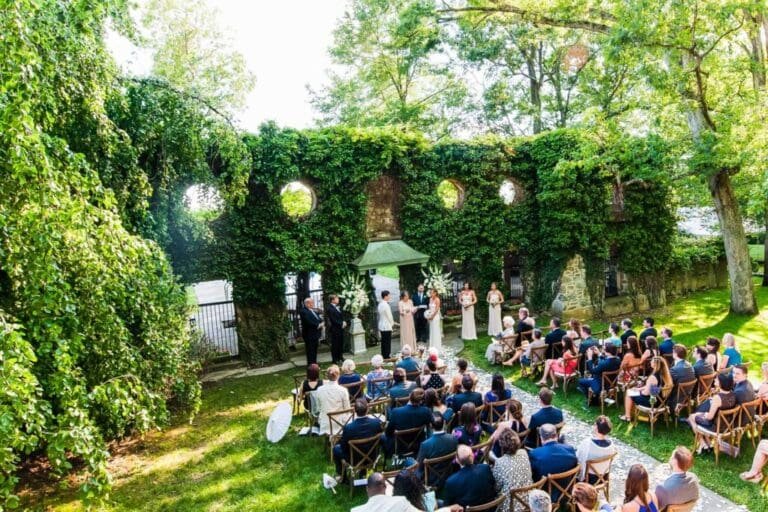
Ceremony coverage must capture the narrative arc: arrival and processional, the exchange of vows and rings, the first kiss, the signing or recessional, and reaction shots from family and friends. Each moment has a purpose: the processional documents entrance order and dress detail, vows capture verbal promises, and the kiss marks the ceremonial climax—photograph each with both a wide establishing frame and a tighter emotional frame. Angle choices—front rows for expressions, side aisles for profile dynamics, and elevated vantage for the ensemble—ensure variety. Work with officiants and venue staff to identify no-shoot zones and to position second shooters for reaction coverage without interrupting the ceremony’s rhythm.
With ceremony shots secured, the article now moves into planning portraits and group shots efficiently.
What Are the Key Portraits and Group Shots to Include in Your Wedding Photo List?
A comprehensive portrait and group-shot plan meshes couple-focused creativity with a streamlined family/formal process to save time and reduce stress. Portrait coverage should include classic posed frames, candid movement sets, and a golden-hour session when possible; group photos should be ordered and staged to minimize downtime and handle complex family dynamics. The reason this matters is simple: a clear shot order prevents repeated calls for guests and preserves energy for reception moments. Below is a brief list of essential couple and group portrait categories to include on your shot list and hand to your photographer and planner before the day.
Essential couple and group portraits:
- Couple portraits: formal, candid, editorial, golden-hour.
- Immediate family: bride with parents, groom with parents, both families together.
- Extended family: grandparents, blended-family combinations, siblings.
- Bridal party: full party, couples within party, individual attendants.
Use the following family/formal EAV table to plan order and composition for efficient execution.
| Group name | Composition notes | Shot order / pose suggestions |
|---|---|---|
| Bride + Parents | Tight, three-quarter framing | First after ceremony; seated or standing |
| Groom + Parents | Symmetrical framing | Follow bride parents; mirror poses |
| Both Families | Wider group with arranged rows | Central couple front, grandparents seated |
| Siblings/Blended Families | Candid-led poses, varied heights | Last formal group to allow flexibility |
Organizing the family/formal list by order and pose reduces time and confusion; share the list with a trusted family helper to call names and move groups.
How to Plan Couple Portraits for Timeless Wedding Memories?
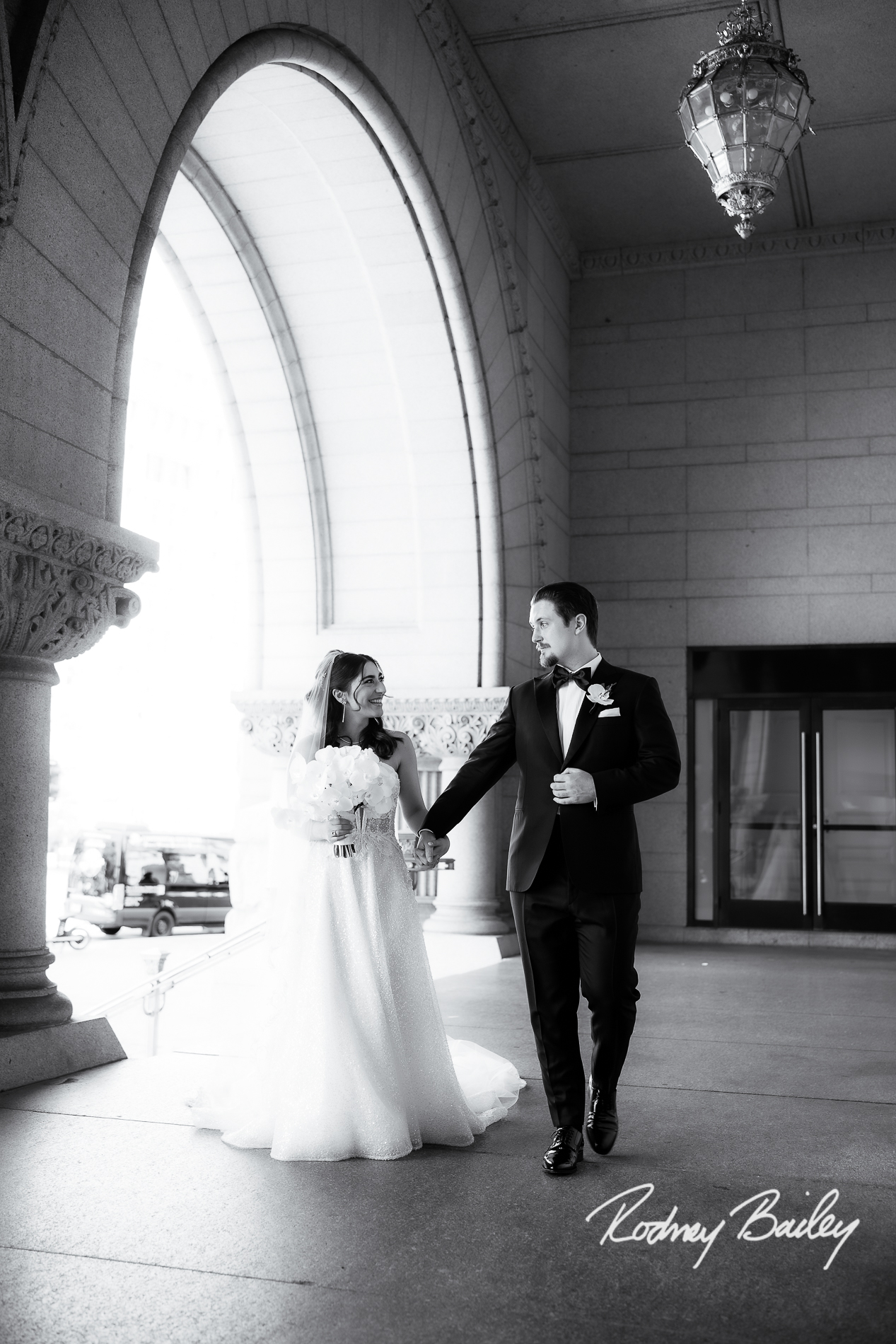
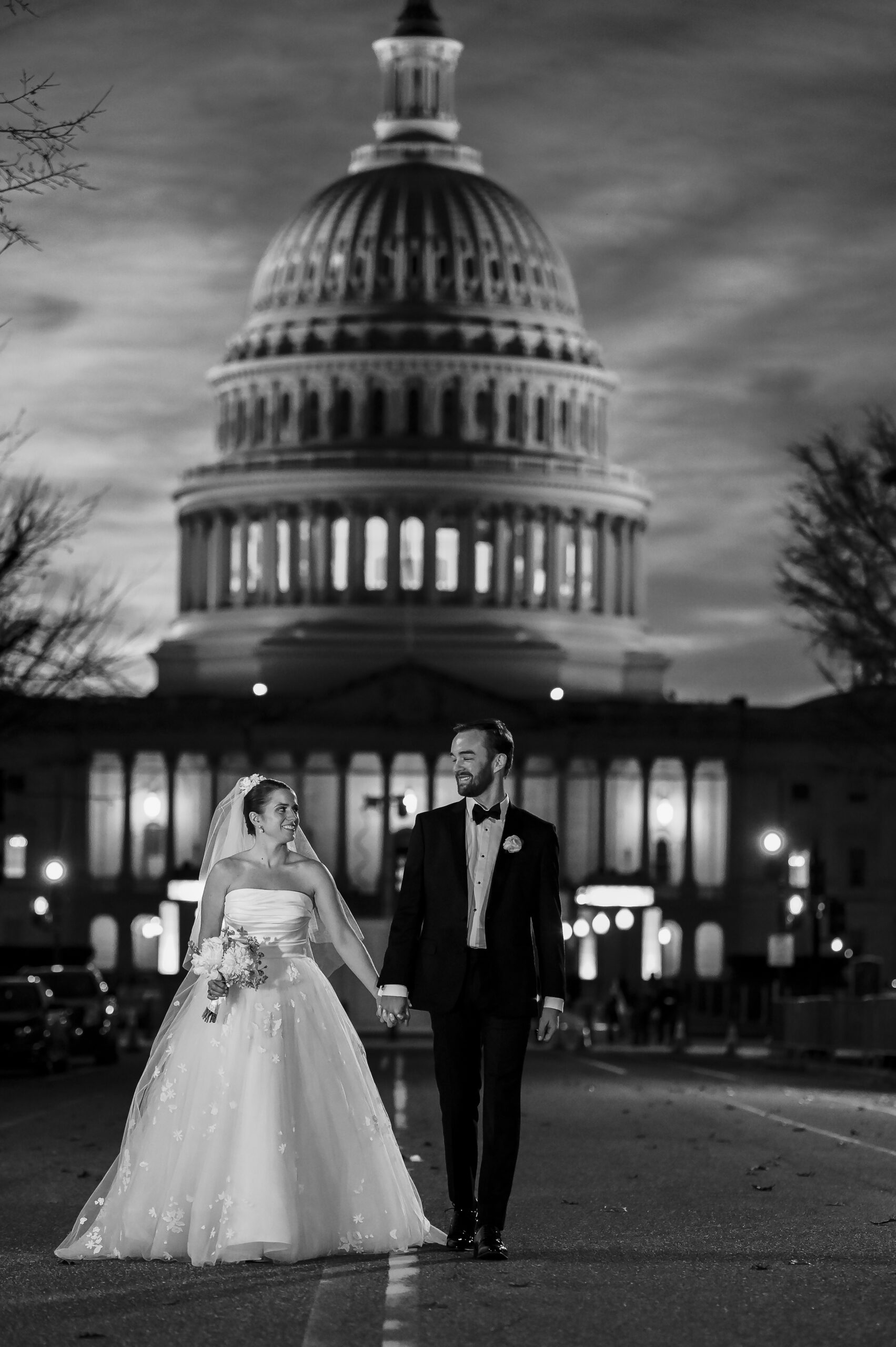
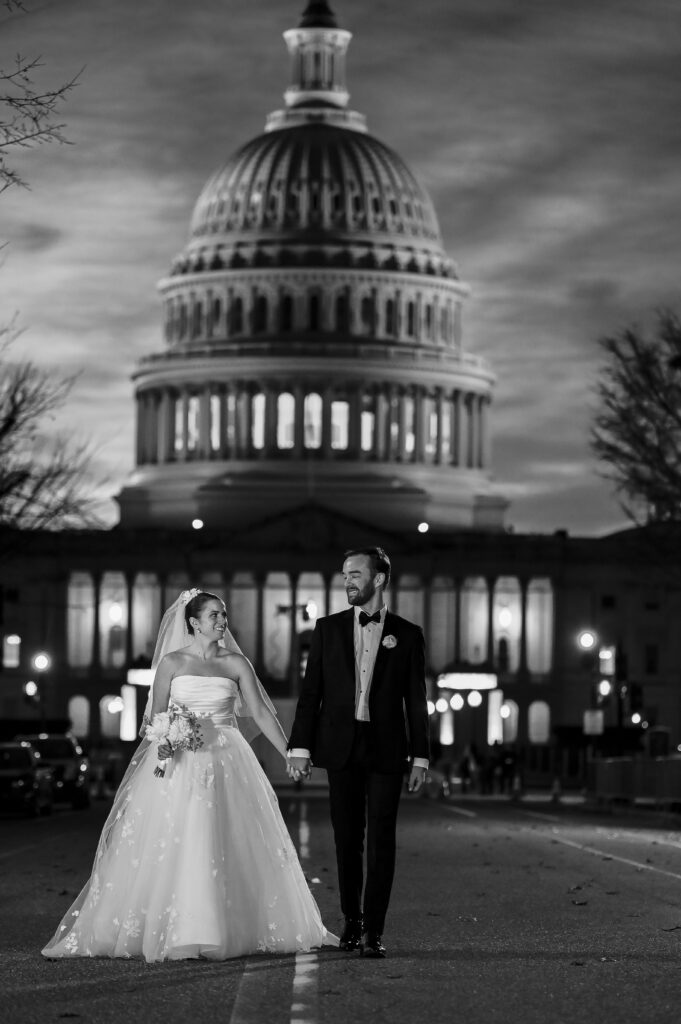
Planning couple portraits means selecting two or three locations, matching light to mood, and deciding on a 15–30 minute mini-session schedule that balances posed and candid frames. Choose locations with varied backgrounds—architectural detail, open landscape, and intimate indoor spot—to create a range of images that feel both editorial and timeless. Pose prompts that work well: slow walk and whisper, forehead touch, and supported dip; these encourage natural movement and authentic expressions. Aim for at least one golden-hour window if available, and combine close-aperture candid frames with a few sharp, posed compositions for heirloom prints. A clear plan before the day lets your photographer move quickly and capture a broad emotional range without monopolizing time.
This portrait plan feeds directly into how to structure family and bridal party photos to keep the day on schedule.
What Family and Bridal Party Group Photos Are Must-Haves?
Family and bridal party photos should be ordered to maximize efficiency: start with immediate family, add extended relatives, then bridal party groupings, and finish with any requested combinations. Use simple, repeatable poses—rows, stacked heights, and casual mid-action frames—to speed transitions; consider using a helper to organize groups and confirm people in advance. For large or blended families, a pre-ceremony rehearsal of shot order or a printed list helps avoid missing individuals. Bridal party shots should include the full party, couples within the party, and a few smaller subgroupings to vary dynamics while staying within a 15–30 minute window. Clear direction and a calm pace create natural smiles and reduce frustration for guests.
Efficient group management preserves energy for reception highlights, which are discussed next.
What Essential Wedding Portraits and Group Shots Should You Include?
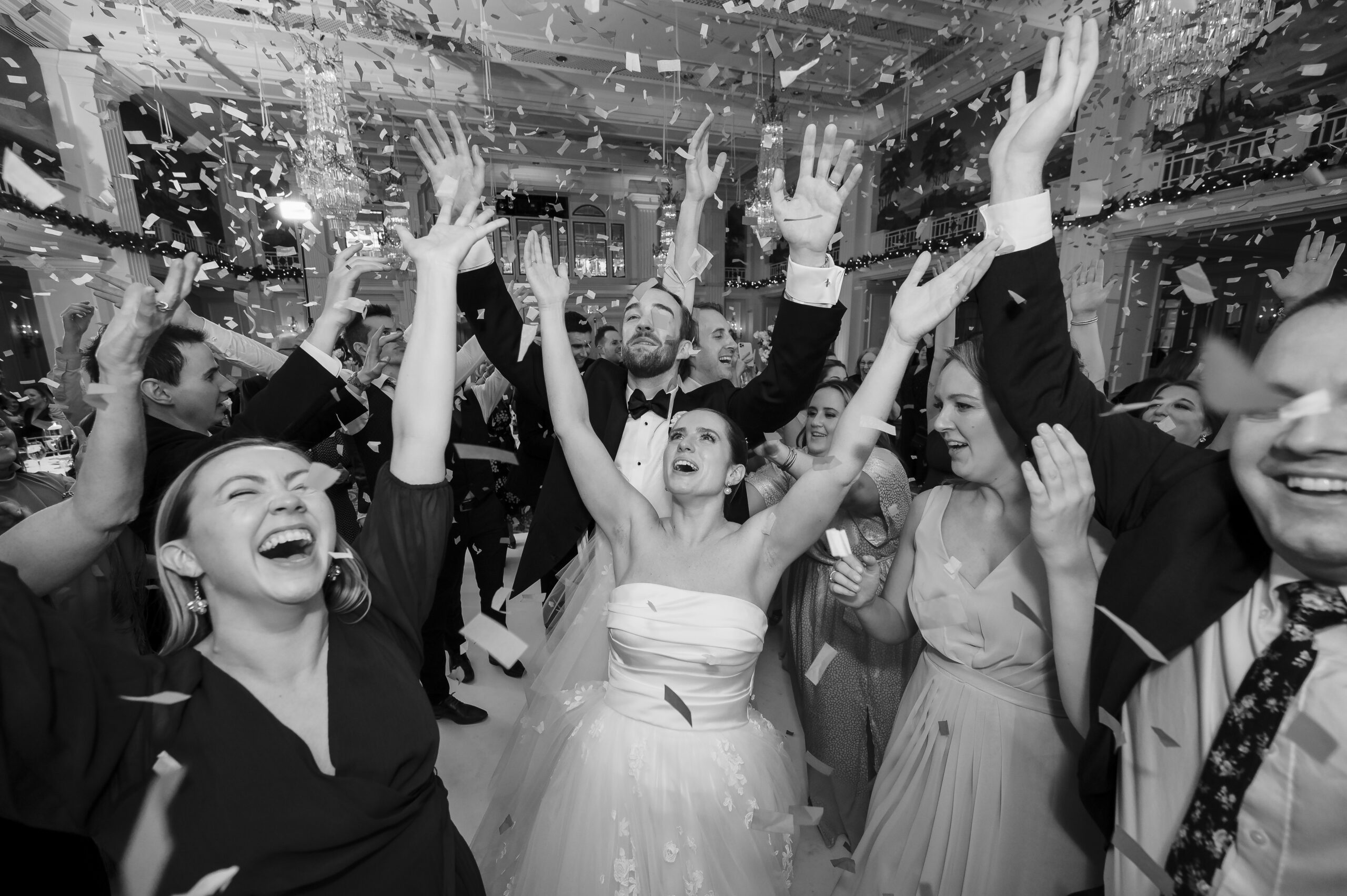
Reception coverage preserves the celebration’s atmosphere, capturing both planned moments and spontaneous interactions that show personality and energy. Key reception moments include the grand entrance, first dance, toasts, cake cutting, bouquet/garter traditions (when present), candid dancing, and the grand exit. Each moment requires different technical approaches: speech coverage favors longer focal lengths to isolate speakers and reaction shots, while dancing needs higher ISO capability and a mix of ambient and controlled flash. The purpose of comprehensive reception coverage is to document emotion and action in context so the wedding story feels complete from morning to night.
Below is an EAV-style comparison of reception moments, angles, and lighting recommendations to guide coverage decisions.
| Moment | Must-have angles | Lighting / gear notes |
|---|---|---|
| Grand entrance | Wide establishing + close reaction | Use off-camera flash for faces in dim ballrooms |
| First dance | Full-frame couple + guest reactions | Combine slow shutter with subtle fill flash |
| Toasts / speeches | Tight speaker + audience reaction | Telephoto lens; ambient light preferred |
| Cake cutting | Medium detail + couple interaction | Use directional fill and fast shutter |
| Dancing / candids | Action shots and wide dance-floor | High ISO primes; controlled rear curtain flash |
What Are the Important Moments During the Reception to Photograph?
Reception coverage needs order-of-operations: start with entrance and head-table moments, then prioritize first dance and toasts before open dancing intensifies. Capture speeches early to document the narrative arc and emotional peaks while guests are seated and attentive; follow with cake cutting and any formal traditions to ensure everyone’s present. As dancing begins, shift to documentary-style coverage to capture candid energy, and use a mix of wide and tight frames to show atmosphere and personal reactions. Maintaining a rhythm—set pieces then free-form candids—ensures both ceremony-style events and spontaneous moments are well-documented.
These reception strategies inform how to execute the grand exit and dance coverage effectively.
How to Capture the Grand Exit and Open Dancing Effectively?
The grand exit and open dancing are high-energy sequences that benefit from advance planning and clear communication with planners and venues. For exits with sparklers or confetti, coordinate timing to ensure safe, photogenic conditions and designate a clear path for the couple; for low-light dance floors, use slower shutter speeds with rear-curtain flash to convey motion while freezing expressions. Position shooters at multiple vantage points—wide for the overall spectacle and tight for the couple’s expression—to deliver both establishing and emotional frames. Use a lens selection that allows quick focal changes and consider a second shooter to cover both the floor and the guests’ reactions simultaneously.
With reception coverage complete, couples may explore modern first-look alternatives and stylistic trends that influence scheduling and shot selection.
What Are Modern First Look Alternatives and Trending Wedding Photography Styles?
First-look alternatives offer similar emotional benefits to a traditional first look—intimacy, composure, and portrait timing—while fitting diverse preferences and traditions. Alternatives include a parent first look, private vow exchange, a first touch where couples avoid seeing each other, or staged “reveal” moments later in the day. Each option trades off privacy and scheduling flexibility differently: a private vow exchange yields intimate images and frees post-ceremony portrait time, while a later reveal preserves tradition but concentrates portrait time after the ceremony. Choosing the right option depends on couple priorities, venue logistics, and how much time they want set aside for portraits.
Current 2024 trends in wedding photography emphasize documentary sensibilities, natural color, and editorial portraits—these stylistic choices influence both gear and timeline decisions.
- First-look alternative: private vows or first touch for emotional privacy and schedule flexibility.
- Parent first look: captures intergenerational emotions with minimal interruption.
- Delayed reveal: preserves ceremony tradition but requires concentrated portrait time later.
These alternatives affect timeline choices and help couples decide when to schedule portraits for natural light and emotional privacy.
How Do First Look Alternatives Enhance Wedding Day Photography?
First look alternatives enhance photography by redistributing portrait time and reducing post-ceremony pressure while preserving emotional authenticity. A parent first look or a private vow exchange creates a quieter frame for intimate expressions, letting photographers capture nuanced responses without a crowd. The mechanism is logistical: moving portraits earlier or into a private window reduces the need to corral guests later, which improves both image quality and guest experience. When couples select an alternative, photographers gain flexibility to pursue golden-hour portraits or additional candid coverage. This alignment of emotional privacy and scheduling efficiency often produces more relaxed, genuine images.
Choosing an appropriate alternative sets up the final stylistic decision about tone and editing, explored next.
What 2024 Wedding Photography Trends Should Couples Know?
2024 trends combine documentary authenticity with curated editorial looks, favoring true-to-color editing, film emulation tones, and cinematic framing that feels intentional without heavy staging. Drone shots and environmental portraits remain popular for large venues, while moody cinematic grading and subtle film grain enhance texture and emotion in post-production. Documentary wedding photography continues to gain traction as couples prioritize storytelling over over-posed sequences, and many photographers offer mixed workflows that include both film-like and true-to-life edits. These trends affect choice of photographer, timeline (to secure golden hour), and gear (drones, fast primes, versatile flashes).
Understanding trends helps couples choose a photographic style that aligns with their personalities and the story they want preserved.
How Can You Use a Detailed Wedding Photography Checklist to Ensure Nothing Is Missed?
A detailed checklist is a planning tool: it prioritizes shots, assigns responsibilities, and communicates timing to the photographer, planner, and family members. The mechanism for success is simple—categorize shots into A (must-have), B (nice-to-have), and C (optional), then map them to your timeline so the photographer knows what to capture if time is limited. Use reference images to convey mood and composition preferences, and schedule a short pre-wedding consultation to finalize the shot list and logistics. A robust checklist reduces day-of friction and empowers photographers to document the story with confidence and creativity.
If you’d like a photographer-reviewed checklist, Photojournalism by Rodney Bailey provides personalized shot-list consultations and timeline templates tailored to a photojournalistic approach; couples can request a planning call or a custom checklist to align priorities and ensure coverage meets both emotional and editorial goals.
What Are the Best Practices for Creating Your Personalized Wedding Photo Shot List?
Creating a personalized shot list begins with inventorying priorities: list people and moments you absolutely want documented, then rank them A/B/C to guide photographer decisions. Collect reference images for poses, group arrangements, and mood; share vendor contacts and a timeline so the photographer can anticipate light and transitions. Assign a point person (a wedding coordinator or family member) to call groups for formal photos and confirm timing so the couple isn’t pulled away from guests. Finally, review the list with your photographer at least two weeks before the wedding to finalize logistics, contingencies, and any venue-specific constraints, particularly when working with a Washington DC wedding photographer.
These steps ensure the checklist functions as a living document that supports both the couple’s priorities and the photographer’s workflow.
How Does Rodney Bailey’s Photojournalistic Approach Capture Authentic Wedding Moments?
Rodney Bailey’s photojournalistic approach emphasizes candid observation, true-to-color rendering, and creating a visual narrative that privileges emotion over excessive staging. This philosophy guides shot selection—favoring spontaneous reactions, contextual detail shots, and environmental portraits that reveal story and place. The technique uses higher f-stops for depth in group frames, selective wide apertures for intimate portraits, and an editorial eye to sequence images that read like a short film. For couples seeking authentic storytelling, this approach preserves both the day’s emotional truth and the curated images necessary for heirloom prints and gallery presentations.
Couples interested in a consultation or a photographer-reviewed, prioritized checklist can request a planning call or sample timeline templates to see how a photojournalistic workflow maps to their day; Photojournalism by Rodney Bailey offers these services and portfolio-driven examples to demonstrate how the checklist translates into finished images.