Corporate event photojournalism combines documentary-style storytelling with strategic image creation to produce marketing-ready assets that document both moments and meaning. This article explains how photographers translate live business moments into visual narratives that drive PR, social engagement, and internal communications, and it frames photography as a measurable marketing asset. Many organizers underestimate the role of candid, sequence-based coverage in building brand credibility; this guide shows how structured shot lists, technology-enabled workflows, and rights-aware deliverables solve that gap. You will learn why hiring a specialist matters, which services deliver the most value, how a photojournalistic approach differs from staged portraiture, and practical booking details including pricing signals and usage expectations. Sections cover essential services, the unique strengths of photojournalism, event-by-event shot priorities, culture and headshot workflows, and frequently asked booking questions to help you plan with clarity. Throughout, keywords like corporate event photography, business event photography, hybrid event photography, and corporate event photojournalism are used to map concepts to outcomes and search intent.
Why Hire a Corporate Event Photographer for Your Business Event?
Corporate event photography is a strategic investment that converts live moments into reusable marketing assets through visual storytelling and consistent brand representation. Professional photographers capture both the explicit deliverables—high-resolution keynote portraits and staged headshots—and the implicit returns—social engagement, press-ready images, and archival documentation that support future campaigns. The result is a body of imagery that increases brand credibility and shortens the time from event to published content.
Below is a concise listing of the principal benefits organizations realize when they hire a specialist photographer for corporate events.
This list highlights the business value you can expect from professional corporate event coverage.
- Marketing Assets: Consistent, on-brand images for social, PR, and website use that increase reach and engagement.
- Brand Credibility: Professional imagery signals organizational polish and builds trust with stakeholders.
- Documentation & Compliance: Visual records that serve internal reporting, sponsorship fulfillment, and archives.
- Real-time Content Ready: Social-first deliverables that enable immediate posting and media outreach.
These advantages create measurable outputs—engagement lifts, reuse rates across channels, and press pickup—that tie photography directly to marketing ROI and lead naturally to the tactical elements covered next.
H3: What Are the Key Benefits of Professional Event Photojournalism?
Professional event photojournalism focuses on candid sequences and editorial framing to tell an event’s story from arrival to closing, producing images that feel authentic and reusable. This approach reduces disruption during sessions because the photographer works unobtrusively, capturing natural interactions that portray genuine engagement rather than staged poses. Authentic images tend to perform better on social platforms and in press materials because they reflect real moments and human connection; brands can repurpose these images across campaigns, newsletters, and media kits. For planners, the practical benefit is a richer narrative asset set that supports both immediate social objectives and long-term brand storytelling, making photojournalistic coverage a high-leverage investment for conferences and public-facing corporate events.
Photojournalism in News Media: Production, Capital, and Documentary Function
This dissertation unpacks the professional practices and conceptual underpinnings of photojournalism in contemporary news media production. By viewing such imagery as both a product of capital and a necessity of the democratic social order, I address the problematic and generative assumptions/consumptions/functions of the documentary photograph with an eye toward a reassessment of the news image industry from capture to caption.
Making Pictures: Framing the Photographer in News Image Production, 2018
H3: How Does Corporate Event Photography Enhance Brand Image and Marketing Assets?
Corporate photography enhances brand image by intentionally framing brand elements—signage, logos, product displays, and people—so images align with a communications strategy and campaign goals. Strategic shot planning ensures the right mix of hero images (speaker portraits, award moments), contextual shots (venue and signage), and lifestyle images (networking and candid reactions) to populate LinkedIn, press releases, and case studies. When photographers supply consistent crops, caption-ready metadata, and social-cut deliverables, marketing teams can reduce production time and publish higher-quality content more frequently. Thinking in terms of asset pipelines—hero photo → social square → captioned gallery—lets event photography serve immediate promotional needs while feeding longer-term PR and content calendars.
What Are the Essential Corporate Event Photography Services Offered?
Essential corporate event photography services cover a spectrum from comprehensive conference coverage to targeted offerings like on-site headshot booths and highlight reels, each mapped to different marketing outcomes. Service categories define the scope, typical shot lists, and recommended coverage hours so organizers can choose packages that match event scale and objectives. The table below compares core services, their characteristic shots and core value, and the common deliverables clients expect for marketing or internal use.
Introductory table explaining core service offerings and how they map to deliverables.
| Service | Typical Shots / Core Value | Use Case / Deliverables |
|---|---|---|
| Conference Photography | Keynote speakers, panels, audience engagement | Full gallery, captioned selects, sponsor images |
| Gala & Awards Photography | Recipient portraits, ceremonial moments, table candids | High-res portraits, press-ready award sequences |
| Product Launch Photography | Reveal moments, product detail shots, demo interactions | Hero images, close-ups, lifestyle contexts |
| Trade Show / Expo Coverage | Booth staff, demos, signage, attendee interactions | Booth galleries, exhibitor rights images |
| On-site Headshot Booth | Consistent portraits, branded backgrounds, rapid delivery | Directory-ready headshots, social bios |
This comparison clarifies how choosing a specific service aligns expected imagery with post-event marketing workflows. After selecting services, conference logistics and shot prioritization determine how those deliverables are captured and delivered.
H3: How Do Conference Photography Solutions Capture Key Moments and Audience Engagement?
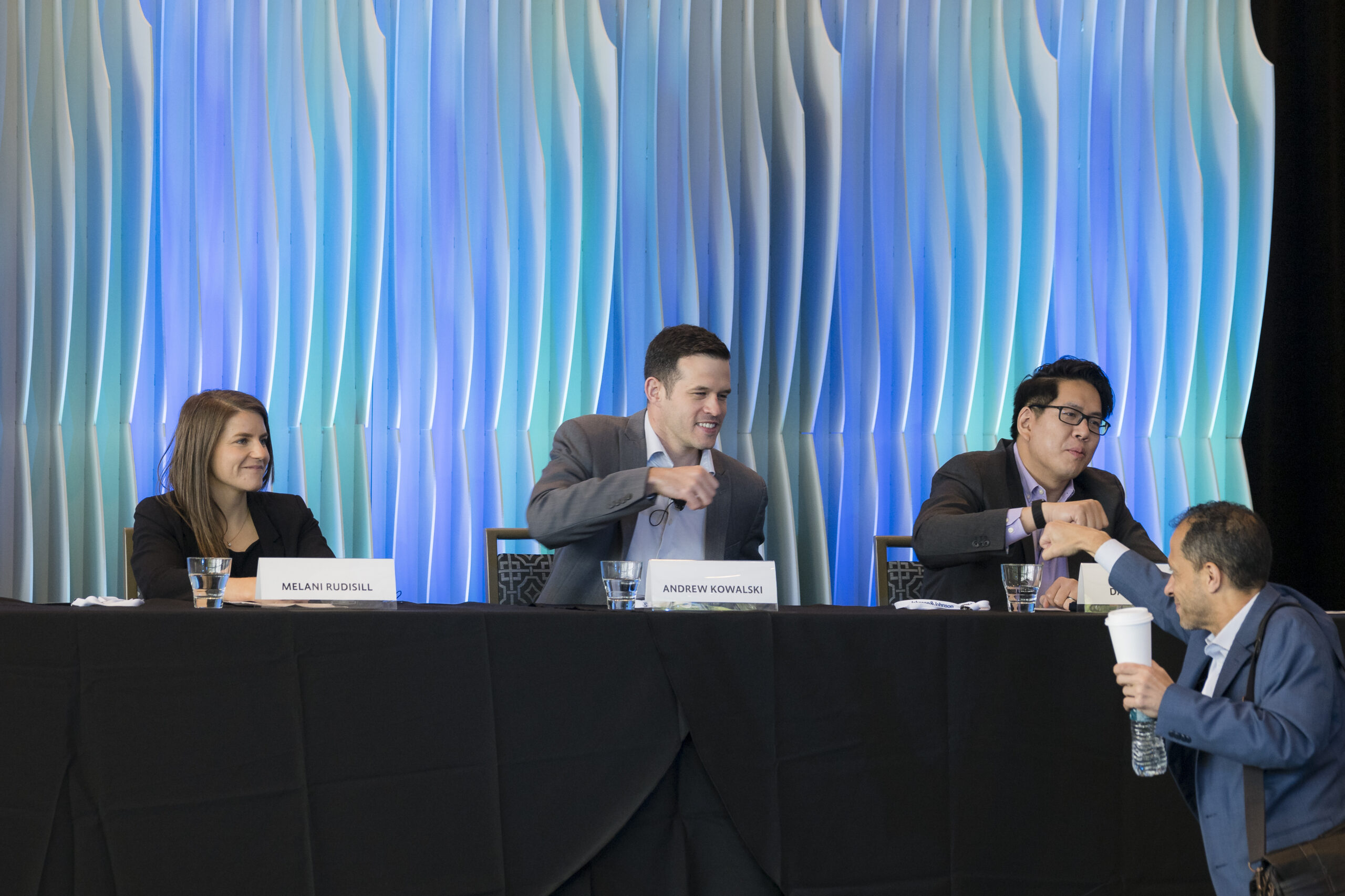
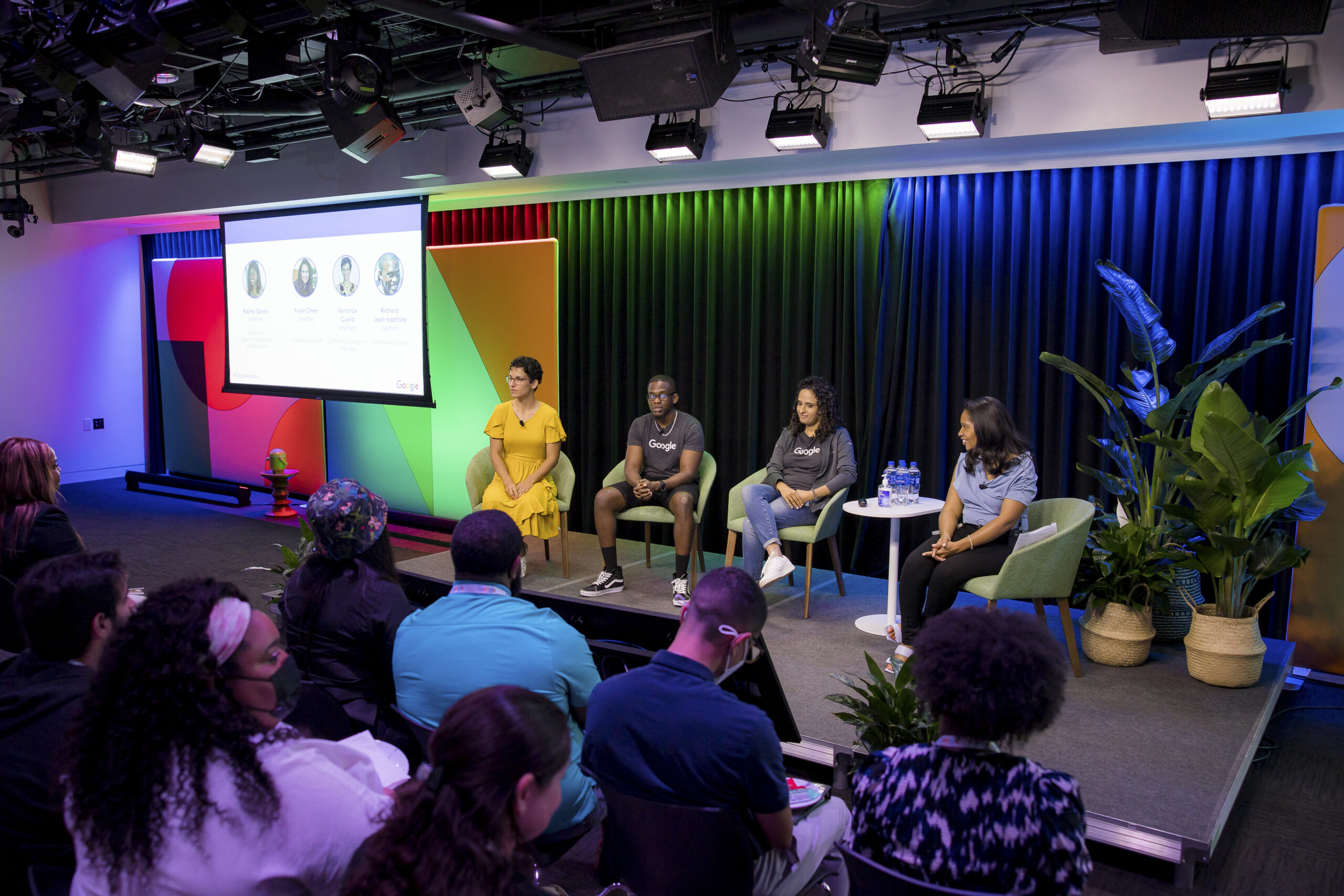
Conference photography solutions prioritize speakers, panels, breakout sessions, and networking moments to deliver a narrative arc that supports PR and sponsorship goals. Photographers prepare a prioritized shot list—keynote, panels, audience reaction, sponsor activations—and coordinate with AV teams to schedule camera positions for best lighting and minimal obstruction. Deliverables often include an editorial gallery for press, a captioned sponsor album, and social-ready selects optimized by crop and color balance for fast posting. Planning for capture windows and speaker timing ensures critical moments are preserved without interrupting session flow, allowing organizers to publish polished event stories quickly.
H3: What Makes Gala and Awards Photography Unique for Corporate Celebrations?
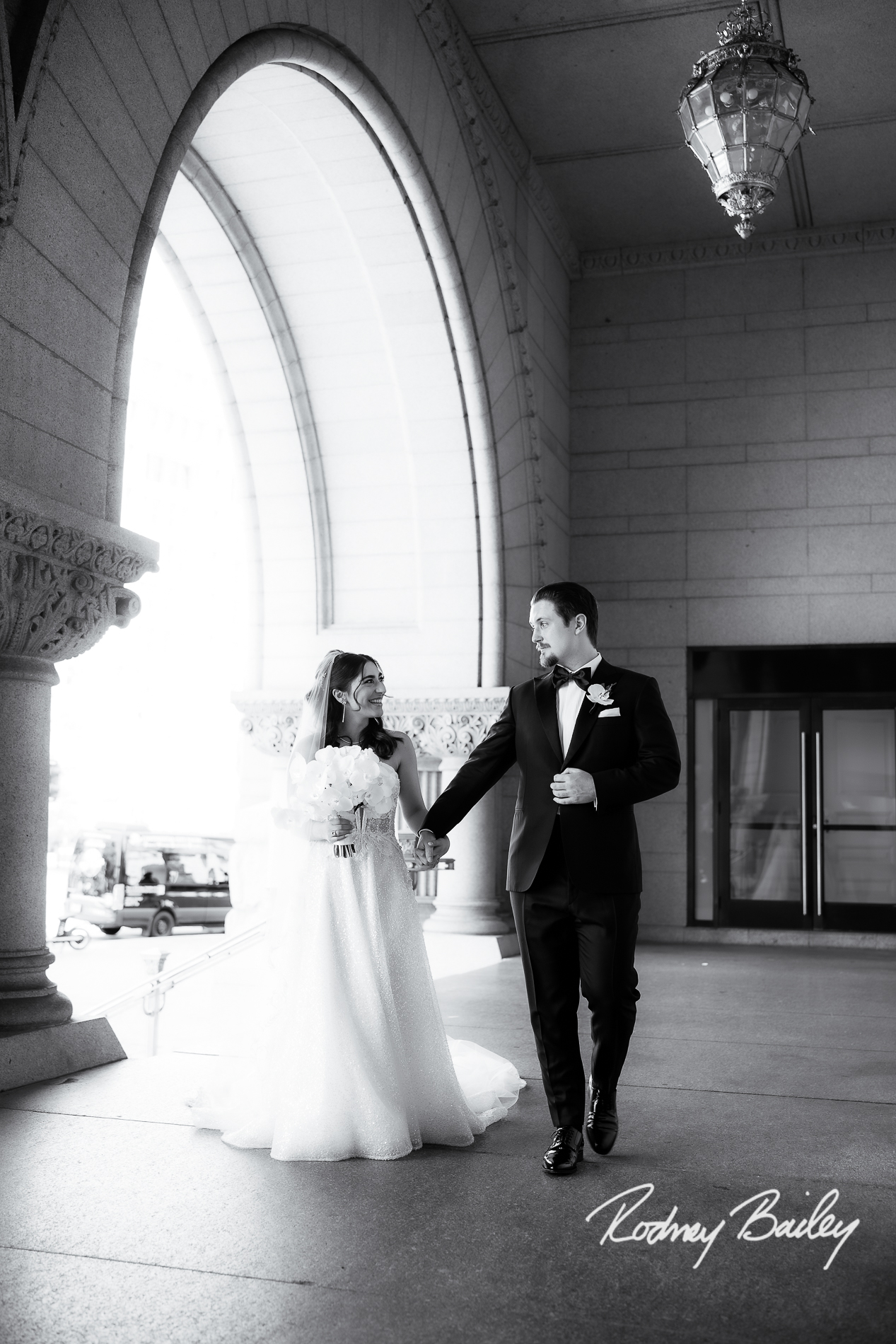
Gala and awards photography blend formal portraiture with documentary candids to record both ceremonial milestones and the atmosphere of celebration. Key moments to capture include red-carpet arrivals, award announcements, recipient reactions, and table-level interactions, with lighting techniques adapted for low-light, formal settings. Photographers often alternate between posed portraits and unobtrusive candids to balance formal records and emotive storytelling, using controlled lighting and flattering angles to produce press-quality images. Deliverables typically emphasize polished portraits and high-impact ceremony sequences that sponsors and stakeholders can use in annual reports and press releases.
How Does Rodney Bailey’s Photojournalism Elevate Corporate Events?
Rodney Bailey’s photojournalistic methodology applies documentary discipline to corporate contexts, producing genuine visual narratives that prioritize authenticity and sequence-based storytelling. This approach emphasizes capturing cause-and-effect sequences—arrival → keynote → networking → close—that together create a coherent event story which marketing teams can repurpose across channels. Photojournalism by Rodney Bailey complements technological workflows—tethering, cloud galleries, and AI-assisted tagging—to speed delivery and maintain consistent color and metadata standards for brand use. The next subsections explain the narrative value of candid photography and how modern technology integrates into efficient event workflows.
H3: What Is the Role of Candid Photography and Visual Storytelling in Corporate Events?
Candid photography constructs a truthful event narrative by sequencing natural interactions, emotional beats, and environmental context so stakeholders can relive and re-use the event story. Rather than isolated portraits, sequences show speakers interacting with audiences, attendees engaging at booths, and authentic moments that humanize brands and strengthen employer storytelling. These candid images support internal communications, recruitment materials, and external PR because they communicate culture and engagement visually. Balancing posed and candid images ensures the organization receives both polished brand assets and the genuine moments that drive audience connection.
H3: How Is Technology Integrated to Deliver High-Quality Corporate Event Images?
Technology integration—multi-camera coverage, tethered shooting, cloud galleries, drone or 360 capture, and AI-assisted editing—creates faster turnarounds and consistent quality across large events. Tethering and cloud pipelines enable near-real-time delivery of social-sized images, while AI tools can assist with curation and tagging to accelerate selection for marketing teams. Drones and 360 imaging expand vantage points for large venues and activations, producing unique hero shots and virtual experiences. These technologies form a delivery pipeline where capture → curation → distribution becomes predictable and optimized for immediate social and press usage.
Which Corporate Events Benefit Most from Professional Photography?
Certain event types yield particularly high marketing and strategic returns from professional photography because they generate repeatable assets or high-visibility moments that amplify brand voice. Product launches, conferences, trade shows, galas, and team-building sessions each produce distinct image types that map to PR, social, and internal uses. The following table maps event types to key moments and their most frequent marketing or internal applications.
| Event Type | Key Moments to Capture | Marketing / Internal Use |
|---|---|---|
| Product Launch | Reveal, demo interactions, product close-ups | Campaign hero images, product pages |
| Conference | Keynote, panels, networking, sponsor displays | Press releases, social campaigns |
| Trade Show / Expo | Booth demos, signage, attendee engagement | Exhibitor marketing, lead follow-up |
| Gala / Awards | Ceremony, portraits, sponsor recognition | Annual reports, sponsorship assets |
| Team-building / Retreats | Group activities, candid leadership moments | Internal newsletters, recruiting content |
This mapping shows how different event types create specific asset classes that support measurable outcomes like press pickup, social engagement, and recruitment effectiveness. Next, we look at tactical capture approaches for product launches and trade shows.
H3: How Are Product Launches and Brand Activations Captured for Maximum Impact?
Product launches require precise timing to capture the reveal moment, product details, and influencer or media engagement to maximize earned media and social reach. Photographers plan staged reveal angles and simultaneous close-up lenses to secure hero shots and texture-detail images useful for product pages and advertising. Deliverables should include hero images, shallow-depth close-ups, lifestyle context shots, and short highlight reels optimized for social. Pre-event coordination with PR and staging teams ensures that lighting, staging, and demo timing align so photography can capture both headline moments and secondary interactions.
H3: What Are the Best Practices for Trade Show and Expo Photography?
Trade show photography focuses on booth staff, demonstrations, signage, and attendee interactions while navigating crowded floors and respecting exhibitor permissions. Photographers prioritize clear shots of signage and demonstrations to support exhibitor marketing and lead follow-up, and they often produce quick-turn galleries for sponsors. Permissions and consent for close-ups of attendees or exhibitor materials should be managed in advance to avoid rights issues. Planning an efficient route across the show floor and coordinating with booth leads helps capture high-value interactions without disrupting traffic flow.
How Can Corporate Event Photography Support Team Building and Company Culture?
Corporate event photography preserves cultural moments and amplifies employer branding by capturing activities, awards, and informal interactions that reflect company values and morale. Photos from retreats and team days become assets for recruiting campaigns, internal newsletters, and leadership presentations because they visually demonstrate workplace culture. On-site headshot booths and consistent portrait workflows further reinforce brand consistency across directories and social profiles. The following paragraphs outline moments to prioritize and explain how headshot services integrate with broader brand systems.
H3: What Moments Are Key to Documenting Team Building and Retreats?
Key moments to document during team-building events include group problem-solving exercises, leadership addresses, spontaneous celebrations, and quiet candid interactions that express connection and trust. Photographers focus on candid emotion and interaction rather than posed team rows, because authentic moments better reflect culture and are more compelling for recruiting and internal communications. Tactical tips include staying unobtrusive, capturing sequences of activity, and photographing both wide establishing shots and intimate close-ups for varied reuse. Repurposing strategies often involve creating short highlight reels and gallery sets tailored to intranet articles, recruitment pages, and internal recognition programs.
H3: How Do On-Site Headshot Booth Services Enhance Corporate Branding?
On-site headshot booths provide a rapid, brand-consistent way to update employee portraits with uniform backgrounds, crop, and color treatments that align with company style guidelines. A structured headshot workflow includes a reserved space, scheduling windows, consistent lighting setups, and options for immediate or next-day delivery of web-sized images for social and directories. These consistent portraits reduce friction when populating company directories, leadership pages, and staff profiles and reinforce brand cohesion across channels. Coordinating headshot sessions alongside events maximizes participation while minimizing disruption to conference schedules.
What Are the Most Common Questions About Booking Corporate Event Photography?
Clients commonly ask about scope, deliverables, turnaround, pricing, and usage rights when booking corporate event photographers—areas that determine expectations and contract clarity. Clear communication about shot priorities, access, and distribution rights reduces ambiguity and ensures deliverables meet marketing needs.
The table below clarifies typical deliverables and licensing terms so organizers can set realistic expectations with their chosen provider.
| Deliverable / Right | Typical Terms | Client Expectation / Example |
|---|---|---|
| High-resolution images | Delivered in batches, color-corrected | Use for print, annual reports |
| Web/social-sized images | Optimized crops and color for platforms | Immediate social posting within hours to days |
| Usage license | Defined by scope (internal/external) | Non-exclusive, campaign-specific usage |
| Captions & metadata | Captioning for press and archives | Searchable galleries with captions and tags |
This table offers a baseline for contracts and helps event teams specify turnaround, formats, and permitted uses before the shoot begins. Below are pragmatic steps for preparing and communicating with your photographer as well as realistic expectations for deliverables and rights.
H3: How Do You Prepare and Communicate with Your Corporate Event Photographer?
Effective preparation includes sharing a detailed timeline, a shot list of must-have moments, a point-person for on-site coordination, and any brand guidelines or sponsor obligations. Provide contact information for speakers and VIPs, identify lighting or AV constraints, and flag restricted areas to streamline capture opportunities. A short pre-event briefing call helps align expectations on coverage windows, deliverable formats, and turnaround priorities so photographers can allocate resources appropriately. Clear pre-event communication prevents last-minute surprises and enables photographers to deliver usable images on the timelines your marketing team requires.
H3: What Should You Expect in Deliverables and Usage Rights for Corporate Event Photos?
Clients should expect a mix of high-resolution images for print and web-sized, platform-ready files for immediate social use, often delivered through a secure gallery with download options and basic captioning. Usage rights usually specify whether images are licensed for internal use only, external campaigns, or broader commercial applications, and may be defined by duration or exclusivity; organizers should confirm these terms in writing. Typical pricing signals for professional corporate event photography fall in a range that organizations can budget for—providers commonly reference examples around $250–$500 per hour depending on scope, staffing, and post-production requirements. Clear contractual terms on licensing, captioning, and deliverable timelines ensure the imagery fulfills both marketing and archive needs.
Contact information and booking requests for Photojournalism by Rodney Bailey are handled directly; organizers in Maryland, Washington D.C., and Virginia often cite the convenience of local availability and the documentary strengths of award-winning photojournalism when selecting a provider. For planners seeking a photojournalistic approach that balances candid storytelling with deliverable predictability, Rodney Bailey’s services align with modern hybrid-event needs and fast social delivery pipelines.