Nonprofit Event Photography Washington DC
A fundraising gala can look flawless in person and still fall flat in photos. The room is beautiful, the program runs on time, donors are engaged, and the mission is front and center – yet the final gallery feels generic. That gap is exactly why nonprofit event photography Washington DC organizations can rely on needs more than technical coverage. It needs storytelling, judgment, and a clear understanding of what the images must do after the event ends.
In Washington, nonprofit events carry a distinct kind of visibility. They often bring together board members, major donors, policymakers, corporate sponsors, honorees, and community partners in the same room. The photography has to reflect that level of significance while still feeling human. For many organizations, these images are not just keepsakes. They support development efforts, annual reports, sponsorship recaps, social media, future invitations, and the broader public face of the institution.
Capturing Authentic Stories in Washington DC Nonprofit Events
The strongest nonprofit event coverage is never just a record of who attended. It shows momentum, relationships, and purpose. That means photographing the big moments, certainly, but also understanding the quieter ones that carry emotional weight – a donor listening closely to a speaker, a volunteer greeting guests, an honoree embracing a family member, a shared laugh at a table that reflects genuine connection rather than staged enthusiasm.
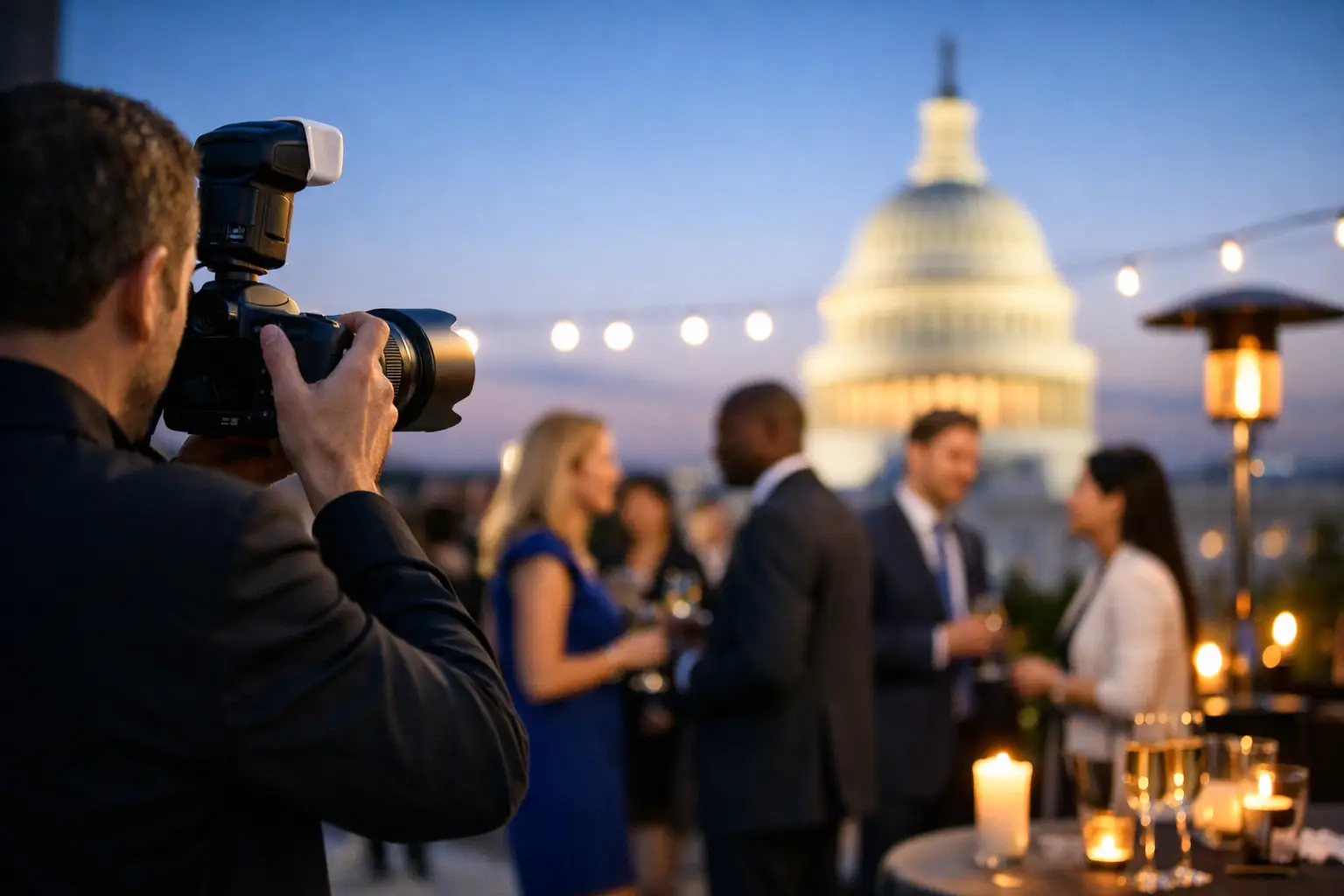
This matters especially in Washington. Many nonprofit events here are polished and high-profile by nature, whether they happen in a museum, embassy, hotel ballroom, private club, or civic venue. A photographer has to work comfortably in elegant environments, changing light, tight timelines, and often very visible protocol. At the same time, the final images should never feel stiff or overly orchestrated.
That balance is where experience shows. A seasoned event photographer knows when to step in for a polished portrait of leadership and when to step back so the room can unfold naturally. Nonprofits need both. They need a gallery that feels elevated enough for institutional use and authentic enough to reflect the true spirit of the mission.
Why style matters in nonprofit event photography Washington DC clients book
There is a real difference between coverage that documents an event and coverage that strengthens a brand. Nonprofits are often careful stewards of reputation. Their photography should align with that standard.
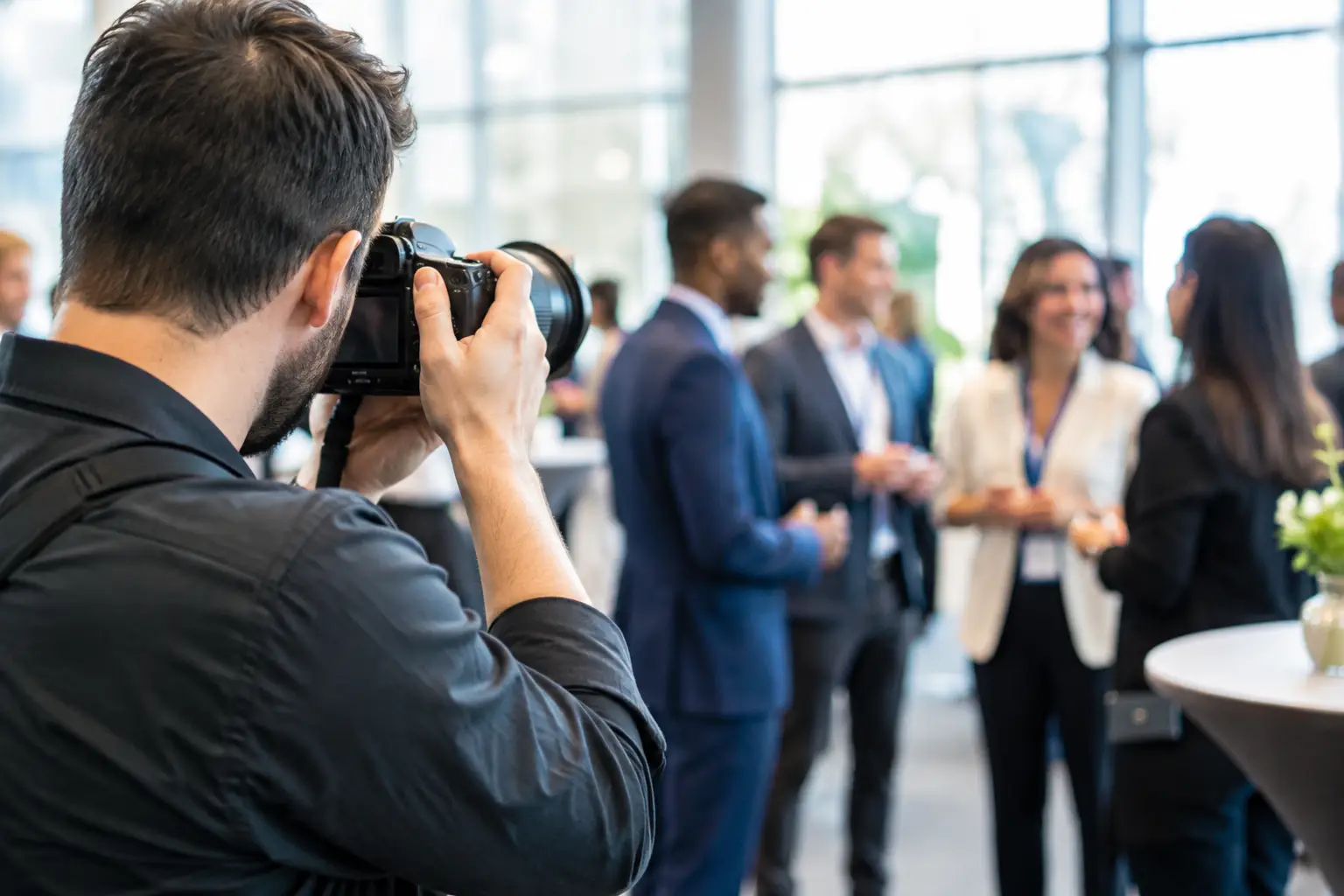
Photojournalistic coverage is especially valuable in this setting because it preserves the emotional truth of the evening. Rather than forcing every frame, it emphasizes observation, anticipation, and timing. The result is imagery that feels credible. Donors look engaged, not posed. Leadership appears confident and approachable. Guests appear connected to the cause, not simply present in the room.
Of course, some direction is still necessary. Executive portraits, sponsor groupings, award presentations, and VIP photos usually require efficiency and control. The best approach is not purely candid or purely formal. It is tailored. Some nonprofit events need heavy emphasis on stage moments and branding. Others benefit more from guest interaction and community storytelling. It depends on the event goal.
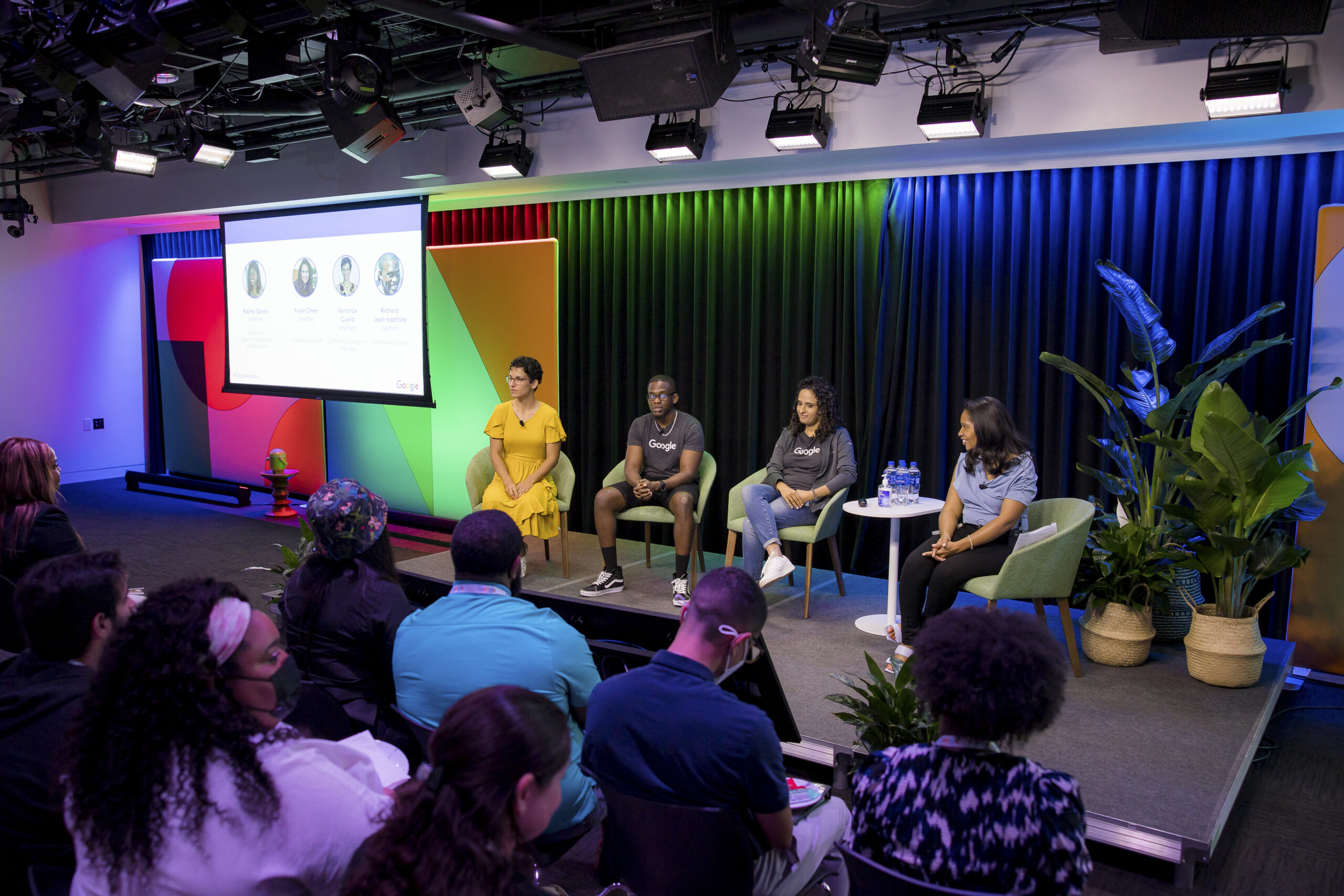
A fundraising dinner focused on major gifts may need more attention on donor cultivation and leadership visibility. A mission-centered celebration may need stronger coverage of beneficiaries, volunteers, and emotional testimonials. A policy-oriented reception may call for careful documentation of speakers, notable attendees, and diplomatic context. Good photography starts with understanding those priorities before the event begins.
The business case for better nonprofit event photography
Nonprofit leaders already know that every event has multiple audiences. There are the people in the room, and then there are the people who will see the event later through photographs. That second audience is often larger and in some cases more important.
Strong imagery extends the life of an event. It gives advancement teams material for stewardship. It gives communications teams polished assets for newsletters, press materials, campaign pages, and year-end messaging. It gives sponsors visible proof of participation. It also helps future attendees picture themselves at the next event, which is no small advantage when invitation season begins again.
There is also a trust factor. When a nonprofit invests in professional photography, it communicates seriousness. The images suggest competence, care, and organizational maturity. That does not mean every photo must look formal. It means the full gallery should feel intentional.
Poor event photography creates practical problems. Key stakeholders may be missing from the gallery. Important signage may be cropped out. Stage lighting may wash out speakers. Candid moments may feel intrusive rather than respectful. None of this is dramatic in the moment, but it becomes painfully obvious when the communications team starts sorting through files the next day.
What to look for when hiring a nonprofit event photographer in DC
Start with experience in live events, not just portraiture. Nonprofit programs move quickly, and they rarely pause for the camera. A photographer must anticipate the schedule, read the room, and adapt without disrupting the event. This is especially important when working around VIP guests, speakers, and development teams who need confidence that coverage is being handled discreetly.
Regional familiarity matters too. Washington venues have their own rhythms, restrictions, and lighting challenges. An experienced local photographer knows how to work in historic interiors, dark ballrooms, mixed lighting, security-sensitive environments, and spaces where access can be limited. That kind of familiarity helps the event run smoothly.
Equally important is the photographer’s ability to understand client priorities. Before coverage begins, there should be clarity around must-have people, sponsor visibility, signage, stage moments, group photos, and how the final images will be used. A premium experience is not only about the final pictures. It is also about thoughtful preparation, calm communication, and coverage that feels organized from start to finish.
For organizations that want imagery with both polish and emotional intelligence, a boutique studio can offer a more personalized level of service. That can make a meaningful difference when the event is high stakes and the expectations are high.
How great nonprofit event coverage supports the mission
At its best, event photography helps people feel the mission instead of simply reading about it. That is particularly powerful in the nonprofit world, where the strongest support often comes from emotional connection backed by credibility.
A well-crafted gallery can show generosity without making it performative. It can highlight beneficiaries or community members with dignity. It can give proper attention to donors and leadership without making the event feel transactional. This balance is not automatic. It comes from knowing how to photograph people respectfully and how to shape a visual narrative that serves the organization rather than the photographer’s ego.
That is why many nonprofits benefit from working with photographers who are comfortable in both social and institutional settings. The room may be warm and celebratory, but the images still need to carry professional weight. They should feel timeless, not trendy. Sophisticated, not self-conscious.
Studios such as Rodney Bailey, with decades of experience photographing high-level events in Washington, understand that distinction well. The goal is not simply to cover what happened. It is to preserve the energy, relationships, and meaning that made the event worth holding in the first place.
Timing, shot planning, and expectations
One of the most overlooked parts of nonprofit event photography is planning realistic coverage. Not every event needs all-day photography, and not every organization needs the same image mix. A breakfast briefing, evening gala, donor reception, and awards ceremony each require a different rhythm.
That is why the conversation before the event matters so much. If the priority is fundraising momentum, the shot list should reflect donor interaction, paddle raise energy, and leadership engagement. If the priority is public relations, stage moments, branded environments, and dignitary attendance may matter more. If the event celebrates community impact, then human connection should lead the coverage.
This is also where expectations need honesty. Some venues are very dark. Some timelines run late. Some speakers move quickly and rarely look up from a podium. A professional photographer can solve a great deal, but the strongest results come when client and photographer are aligned on what success looks like within the realities of the event.
The most memorable nonprofit images are often the ones no one thought to request outright. They are the moments between the program beats – the anticipation before an award is announced, the quiet pride after a speech lands, the spontaneous conversation that says more about the organization than any backdrop ever could.
When nonprofit photography is handled at a high level, the event does not just look successful. It feels meaningful, credible, and alive long after the ballroom empties.
Related Posts