
Benefits of Candid Photography for Real Moments
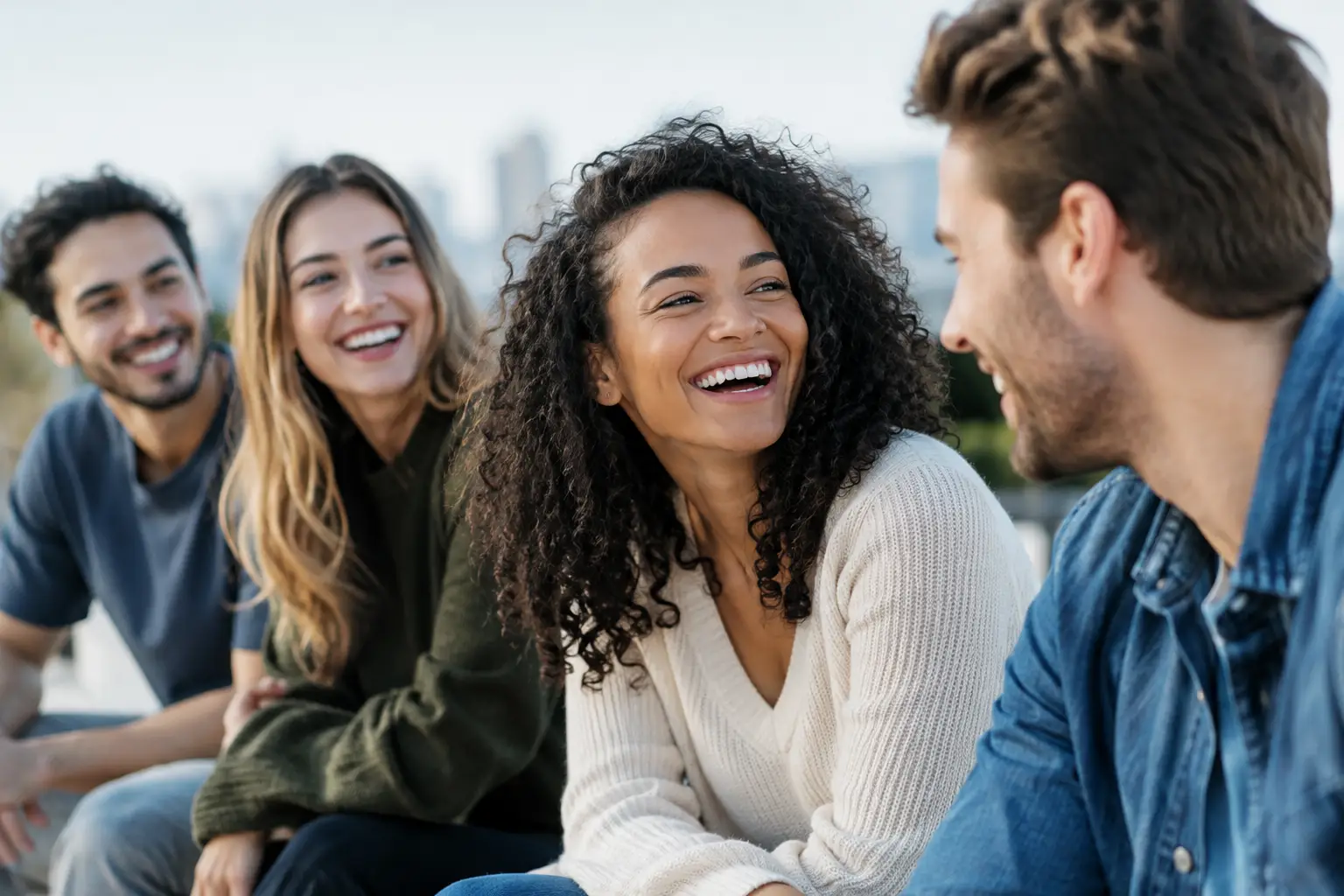
The photograph many couples and families return to is rarely the perfectly arranged group portrait. It is often the father taking a quiet breath before walking down the aisle, the friends laughing during a toast, or the grandparents watching a child light candles at a mitzvah. The benefits of candid photography begin there: in preserving the expressions, gestures, and relationships that make a celebration distinctly yours.
At a wedding or milestone event, the day moves quickly. You may remember the major moments, but candid imagery gives you access to everything that happened around them: the anticipation, relief, humor, and affection that cannot be scheduled. When handled by an experienced photojournalistic photographer, these images feel natural while still carrying the polish, composition, and emotional weight of enduring portraiture.
Candid Photography Preserves Emotion as It Happened
A candid image records a reaction before someone has time to adjust it. That difference matters. A genuine laugh changes quickly. So does the emotion on a parent’s face during a first look, the nervous excitement before a proposal, or the look shared by newlyweds as they enter their reception.
Posed portraits can be beautiful and are an important part of many events. They create a clear record of the people you love and deserve thoughtful direction. But candid photography captures the emotional current between those formal moments. It documents not only who attended, but how they felt to be there.
This is especially meaningful years later. Details such as flowers, linens, and fashion often bring back the visual atmosphere of an event. A candid photograph can bring back the feeling. It allows you to see a loved one exactly as they were in a moment you may not have fully noticed at the time.
The Benefits of Candid Photography Go Beyond “Unposed”
Candid photography is sometimes mistaken for casual coverage with no direction or intention. In reality, the strongest candid work requires close observation, technical control, and an understanding of how events unfold. A photographer must anticipate rather than interrupt, recognizing when a meaningful interaction is developing and positioning themselves without becoming part of the scene.
Light, background, timing, and composition still matter. The difference is that the image is built around a real moment rather than asking people to recreate one. A skilled photographer can frame a spontaneous embrace with the same care used for a formal portrait, preserving the authenticity while creating an image worthy of display.
That approach is particularly valuable at fast-moving Washington, DC-area celebrations, where a wedding day may include a first look, ceremony, portraits, cocktail hour, and a full reception in different spaces. At corporate gatherings and nonprofit events, it is equally useful for capturing the energy in the room without pulling guests away from the program. The photographer’s experience shapes what is noticed and what is preserved.
Your Gallery Tells a Fuller Story
A strong event gallery should feel like more than a collection of attractive individual images. It should tell the story of the day from beginning to end. Candid photographs create the connective tissue: a bridesmaid helping with a veil, guests greeting one another, children finding the dance floor, or a couple stealing a private moment amid a crowded room.
These quieter frames add context to the milestone images. They show the care behind the celebration and the community surrounding it. For couples, that may mean seeing the friends who kept the day moving or the relatives who traveled to be present. For a family hosting a bar or bat mitzvah, it may mean preserving the pride and joy shared across generations.
The story is often found in contrasts as well. There are wide images that show the scale of a ballroom or outdoor ceremony, then close, intimate photographs of hands held under a table or a reassuring glance before a speech. A varied gallery feels alive because it reflects the day as guests experienced it: grand, personal, energetic, and unexpectedly tender.
Guests Stay Present Instead of Performing for the Camera
Most people become self-conscious when they feel they are being photographed. Some relax immediately. Others smile in a way that does not quite look like themselves, or step away from a conversation when they see a camera approach. Discreet candid coverage helps reduce that pressure.
When guests can remain engaged with the people around them, their expressions tend to be more open and natural. The resulting photographs feel less like documentation of who looked at the lens and more like a true record of connection. This is one reason candid images are so valued at receptions, anniversary parties, mitzvah celebrations, and fundraising events where the experience of being together is central.
Discretion does not mean distance. The photographer still needs to work close enough to capture the action, particularly during emotional moments. The art lies in doing so with awareness and respect, knowing when to step forward and when to give a moment room to unfold.
Candid Images Reveal the Details You May Miss
Hosts are often surprised by how much of their own event they did not see. A couple may be taking portraits while cocktail hour begins. Parents may be welcoming guests while a child is enjoying a favorite moment with friends. An event organizer may be focused on timing and speakers rather than the conversations happening throughout the room.
Candid photography gives you those missing perspectives. It can capture the flower girl twirling before the ceremony, a guest wiping away tears during a toast, or the expression on a honoree’s face as a room rises in applause. These are not necessarily the moments that appear on a timeline, yet they frequently become the images people cherish most.
For larger celebrations, this broader perspective is invaluable. It ensures that the gallery does not revolve around only one person or one focal point. The hosts remain at the center of the story, but the people who made the day meaningful are visibly part of it.
The Best Coverage Balances Candids and Portraits
Choosing candid photography does not require giving up guided portraits. In fact, the most complete collections usually include both. Family portraits provide a timeless record of important relationships. Couple portraits offer space for artistry and a chance to slow down together. Carefully directed images are also useful when you want everyone looking their best in a particular setting.
The right balance depends on your priorities, guest count, event schedule, and family dynamics. If extended family portraits are essential, allow enough time and share a clear list in advance. If you value an uninterrupted cocktail hour or a more relaxed reception, a photographer can create an efficient portrait plan that protects those experiences while leaving room for spontaneous moments.
Communication before the event makes this balance easier. Share the relationships, traditions, and moments that matter most, from a meaningful heirloom to a grandparent whose presence is especially significant. Then give your photographer the trust and flexibility to respond to what cannot be planned. Some of the most powerful images come from the unscripted moments no one could have anticipated.
Why Experience Makes a Difference
Candid work is not about taking more photographs. It is about recognizing the right photographs before they disappear. That judgment comes from experience with changing light, crowded dance floors, emotional ceremonies, and the subtle rhythms of a well-run event.
An accomplished photographer knows how to read a room, work respectfully with planners and other vendors, and move through a celebration without distracting from it. They also know that not every meaningful moment is loud. Sometimes the image that defines a gallery is a quiet pause at the edge of the room.
For more than 30 years, Rodney Bailey has approached weddings and events with that level of attentiveness, combining refined portraiture with photojournalistic storytelling. The goal is never to manufacture emotion. It is to preserve it with the care, discretion, and visual excellence a once-in-a-lifetime celebration deserves.
As you plan your event, make space in the schedule for the portraits you will want to frame, then leave room for the life happening between them. Those unplanned seconds are often where the memory becomes most real.
Related Posts