Professional nonprofit event photography combines documentary photojournalism with strategic visual storytelling to increase donor engagement, reinforce credibility, and support measurable fundraising outcomes. This article explains how targeted event coverage, ethical practices, and smart asset management turn single-event images into year-round communication tools that drive donations and deepen supporter relationships. Nonprofit leaders and communications teams will learn what event types benefit most, how photojournalistic style elevates narratives, practical pricing and licensing guidance, and ways to repurpose imagery across marketing channels. Photojournalism by Rodney Bailey is introduced here as a mission-focused partner offering award-winning, creative photojournalistic services tailored for nonprofit event coverage in the Washington, D.C. Metro area; see the section “How Does Rodney Bailey’s Photojournalism Process Support Non-Profit Success?” for process details and client collaboration steps. The guidance below prioritizes ethical practices, measurable KPIs, and nonprofit-friendly asset management so organizations can plan coverage that delivers impact beyond the event itself.
Why Nonprofit Events Need Professional Photography for Maximum Impact
Professional nonprofit event photography documents mission-driven activity in ways text alone cannot, creating visual narratives that catalyze empathy and action. By capturing candid interactions, contextual environment shots, and meaningful details, professional photographers create assets that support donor appeals, annual reports, and media coverage. Visual storytelling increases credibility because clear, contextual images demonstrate transparency and results, which in turn strengthens donor trust and repeat giving. Recent trends in nonprofit marketing show that thoughtfully produced images can significantly increase social engagement and donation conversions when paired with targeted messaging.
This section outlines core benefits and the practical metrics nonprofits should track to evaluate photography ROI, followed by tactical suggestions for integrating images into fundraising workflows. The next subsection explores how specific image types map to storytelling goals and donor response.
How Does Photography Enhance Non-Profit Storytelling and Donor Engagement?
Photography enhances nonprofit storytelling by showing relationships, context, and outcomes in a single frame, which rapidly communicates value to supporters. Close-up portraits reveal emotion and dignity, environmental wide shots establish scale and setting, and detail shots (donation materials, signage, checks) provide proof points for impact stories. Sequencing images into a narrative arc—introduction, challenge, response, outcome—guides viewers from awareness to empathy and then to action. When paired with concise captions that link images to measurable outcomes, images increase the likelihood that viewers will click through to donation pages or share content on social channels.
Understanding which shot types serve which storytelling moments helps teams brief photographers and build shot lists in advance. Clear shot priorities shorten on-site decision-making and ensure donors see both human stories and evidence of program effectiveness.
What Are the Measurable Benefits of Hiring a Charity Event Photographer?
Hiring a specialized nonprofit photographer produces measurable outcomes across engagement, fundraising, and earned media. High-quality images typically lift social post engagement, increase email click-through rates when used as hero images, and enable more compelling case statements for grant applications. Tracking KPIs such as social engagement lift, donation conversion rate changes after an email with professional imagery, and media pickups tied to press releases helps quantify impact. For example, organizations that A/B test imagery report clearer signals on which photos motivate donations versus those that primarily drive awareness.
To convert image-driven engagement into donations, nonprofits should set clear attribution windows and test different CTAs with image-led content. Measuring incremental revenue tied to image-based campaigns clarifies the investment value of professional coverage and informs future budget decisions.
What Types of Non-Profit Events Benefit Most from Specialized Photography?
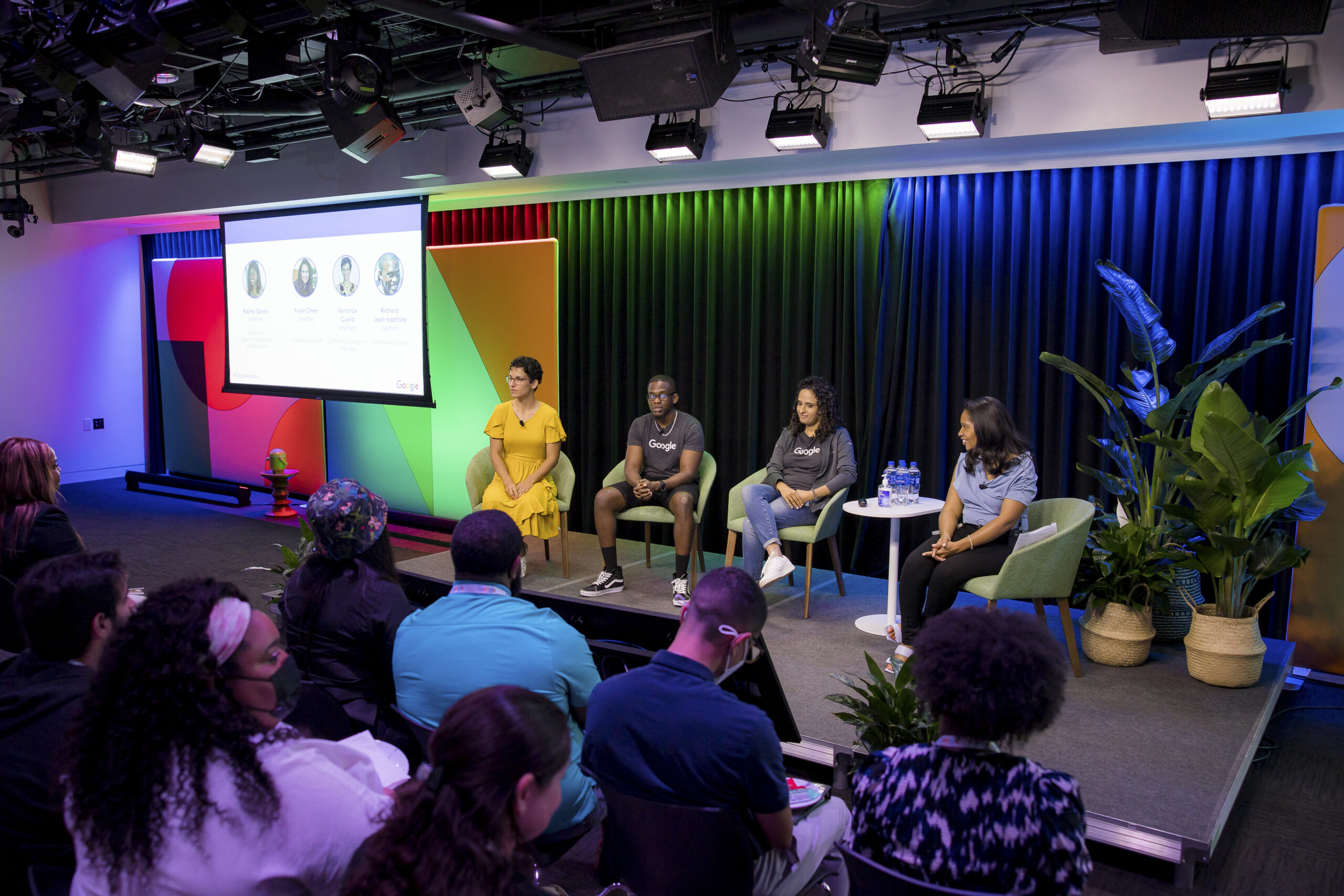
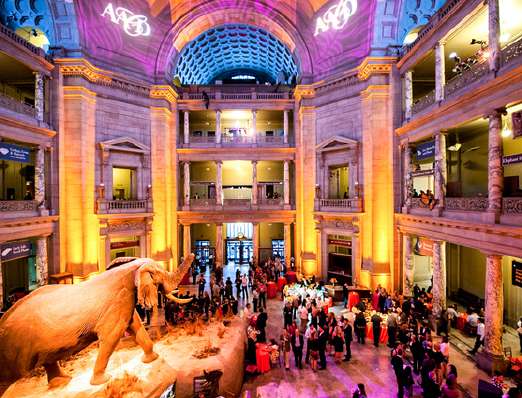
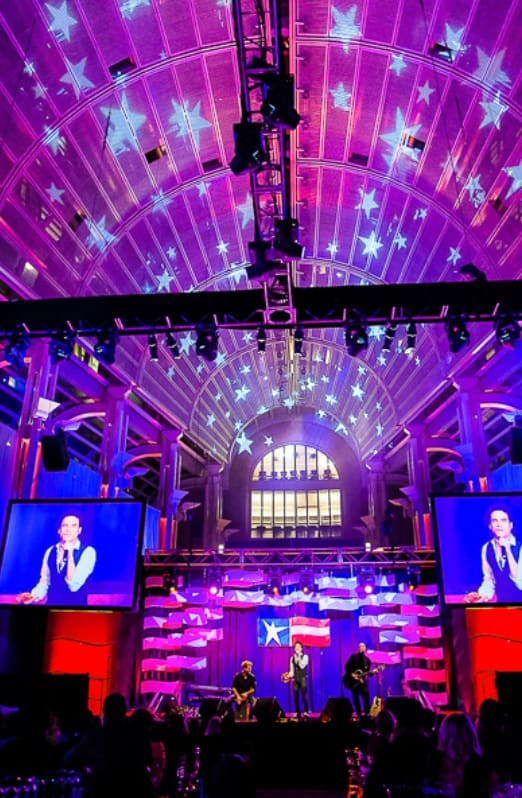
Specialized nonprofit photography applies differently across event types, but most events benefit from a blend of atmosphere, people, and detail shots that can be repurposed for multiple channels. Fundraising galas and benefit dinners require unobtrusive, high-quality coverage of speakers, donors, and auction moments. Volunteer days and community outreach events benefit from candid documentary shots that highlight collaboration and dignity. Conferences and award ceremonies need a mix of portraits, stage coverage, and on-site networking images for post-event promotion and partner recognition.
Below is a practical mapping of common nonprofit event types to the key moments and image uses teams should prioritize when planning coverage.
| Event Type | Key Moments to Capture | Suggested Shots / Usage |
|---|---|---|
| Gala / Fundraising | Opening remarks, donor recognition, auctions | Candid portraits, donor handshakes, ambiance shots for annual reports |
| Volunteer Day / Outreach | Community interaction, project milestones | Action shots of volunteers, wide context images for recruitment |
| Conference / Awards | Speakers, panels, networking | Speaker close-ups, crowd reaction, sponsor signage for partner reporting |
This table helps teams allocate coverage time and select deliverables that align with downstream uses such as social posts, donor stewardship, and grant attachments. The next subsection focuses specifically on gala and fundraising priorities to ensure high-profile moments are preserved effectively.
How Does Gala and Fundraising Event Photography Capture Key Moments?
Gala and fundraising photography prioritizes a few high-impact moments that influence donor perception and stewardship outcomes. Photographers should capture speeches, donor recognition, auction highlights, and intimate donor interactions, balancing posed portraits with candid, documentary images that show genuine engagement. Lighting, access, and timing plans—such as arriving early for setup shots and confirming a run-of-show—ensure the photographer can capture both staged and spontaneous moments without disruption. Short briefing sessions with event staff reduce missed opportunities and ensure critical donors and sponsors are photographed respectfully.
Preparing a concise shot list and the event timeline in advance helps the photographer anticipate triggers for emotion and recognition, producing images that can be used immediately in post-event thank-you messages and long-term stewardship materials.
Why Is Community Outreach and Volunteer Event Photojournalism Important?
Community outreach and volunteer events rely on authentic, dignity-centered imagery that reflects collaboration rather than charity optics. Documentary-style coverage that focuses on participants working together instead of portraying beneficiaries as passive recipients preserves dignity and encourages civic participation. These images perform well for volunteer recruitment, local media stories, and grant reporting because they show process and outcomes. Photographers should prioritize action shots, small-group interactions, and context-setting images that connect the work to measurable outcomes.
When nonprofits pair these images with captions that name partners, describe activities, and cite outcomes, they create trustworthy documentation for funders and community stakeholders. The next H2 explains how a photojournalistic style supports these ethical storytelling goals.
How Does Photojournalistic Style Elevate Non-Profit Visual Storytelling?
Photojournalistic style emphasizes candid moments, contextual framing, and ethical representation to tell truthful, emotionally resonant stories. This approach differs from staged or stock imagery by privileging real interactions and environmental context, which increases authenticity and donor trust. Photographers working in a photojournalistic mode look for decisive moments that reveal relationships and processes, using composition, light, and sequencing to create narrative arcs that support fundraising and advocacy. Ethical photojournalism also requires consent practices, respectful captioning, and cultural sensitivity to avoid exploitative representations.
Adopting a photojournalistic approach helps organizations present complex social issues with nuance and empathy, leading into a discussion of the specific ethical practices that make this style appropriate for nonprofits.
What Makes Ethical Photography Practices Crucial for Non-Profit Imagery?
Ethical photography protects subject dignity, ensures informed consent, and maintains trust between nonprofit organizations and their communities. Best practices include obtaining model releases where appropriate, explaining how images will be used, and avoiding images that isolate or sensationalize individuals. Captioning should provide context—who is pictured, what they are doing, and how the work connects to outcomes—while being careful to avoid reductive language. Organizations should also establish internal approval processes for images used in fundraising or media to confirm that portrayals align with stated values.
Establishing these protocols minimizes reputational risk and strengthens long-term relationships, and the next subsection describes how authentic images motivate action.
How Does Authentic Photography Inspire Emotional Connection and Action?
Authentic photography triggers emotional responses by combining human expression, contextual cues, and narrative sequencing that leads viewers toward a clear call to action. Portraits with eye contact create empathy, while images that show people engaged in meaningful activity demonstrate effectiveness and agency. Sequencing—from close-up emotional images to contextual wide shots and concluding with outcome-oriented detail shots—guides donors from feeling to understanding to acting. When paired with concise, outcome-focused captions and a clear CTA, these images significantly increase the likelihood of donations and volunteer sign-ups.
To operationalize this, nonprofits should design visual story arcs for key campaigns so that imagery and messaging work together to move audiences through the donor journey.
Photojournalism’s Power to Motivate Donations
It is often assumed that powerful photographs and film footage have the ability to move viewers in the developed population to action. Frank Fournier, the photographer who captured the face of 13-year-old Omayra Sanchez in her last hours of life, as she stood trapped in a pool of muddy water and debris, said, “I believe the photo helped raise money from around the world in aid and helped highlight the irresponsibility and lack of courage of the country’s leaders (BBC, 2005).” His statement encompasses the common perspective that imagery can motivate donations, but there is a lack in data regarding the transition from reaction to action.
Picture This: The role of digital storytelling in motivating donations towards refugee relief, 2017
How Can Non-Profits Maximize Marketing Value with Professional Photography?
Professional photographs become strategic assets when organizations plan repurposing across channels, measure performance, and adapt images to specific formats. Different image types work best for different channels: hero portraits for donation landing pages, carousels for social storytelling, and contextual spreads for annual reports. Tracking channel-specific metrics—engagement rate on social posts, email click-throughs when hero images are used, and time-on-page for impact stories—reveals which images drive desired outcomes. Repurposing also extends asset life: cropping for social, adding captions for reports, and creating short visual sequences for email appeals multiplies the value of a single shoot.
Below is a practical mapping of channels to image types and expected impacts to help communications teams plan asset use efficiently.
| Usage Channel | Best Image Types | Expected Impact / Example Use |
|---|---|---|
| Donation Pages | Hero portraits and focused outcome shots | Higher conversion by building trust at point of decision |
| Social Media | Carousel sequences and candid action shots | Increased engagement and shareability for awareness |
| Annual Reports | Contextual spreads and donor recognition portraits | Stronger credibility and evidence for funders |
This table clarifies how image selection and format tie directly to campaign objectives, setting up the tactical subsections on donor acquisition and report usage that follow.
What Role Does Photography Play in Donor Acquisition and Brand Credibility?
Photography builds brand credibility by making organizational work visible, verifiable, and emotionally compelling, which lowers friction for first-time donors. High-quality imagery signals transparency and competence, while images that show staff and beneficiaries working together demonstrate program legitimacy. Using staff and beneficiary photos with clear captions that link to outcomes improves trust signals on donation landing pages and email appeals. Measuring donor acquisition metrics before and after deploying professional imagery provides concrete evidence of photography’s role in converting new supporters.
Communications teams should A/B test different hero images on landing pages and track conversion changes to attribute performance to specific photographic assets.
How Are Photos Used Effectively in Annual Reports and Impact Statements?
In annual reports and impact statements, images must complement data by illustrating outcomes and grounding statistics in human stories. Best practices include balancing portrait and contextual images, using consistent caption templates that link images to measurable results, and ensuring metadata preservation for future use. Layout recommendations call for pairing one strong portrait with a data visualization per spread and using detail shots to underscore evidence. A simple caption formula—Who, What, Outcome—helps maintain clarity and dignity while connecting images to key metrics.
When teams select report images that align with audited outcomes and funder priorities, the visual narrative strengthens grant renewals and major donor stewardship.
What Should Non-Profits Know About Pricing, Usage Rights, and Photo Management?
Nonprofits must balance budget realities with the value of professional imagery by understanding typical pricing drivers, licensing options, and long-term asset management practices. Core price factors include photographer hours on-site, post-production time, number of final edited images, and intended usage scope. Usage rights should be explicit—defining where and how images may be used (web, print, social, sponsor materials) and whether usage is time-limited or perpetual. Asset management best practices include consistent file naming, embedded metadata and captions, and secure archival storage with clear access controls.
Below is a comparative overview of typical nonprofit-oriented package structures to help teams plan budgets and negotiate licensing that fits campaign needs.
| Package Level | Typical Coverage & Deliverables | Common Usage Rights |
|---|---|---|
| Basic Coverage | 2–3 hours on-site; 50–75 edited images | Web and social usage for 12 months |
| Standard Coverage | 4–6 hours on-site; 150–250 edited images | Web, social, print, and annual report use |
| Comprehensive Coverage | Full-event or multi-day; 300+ edited images | Extended usage including sponsor materials and archives |
This table offers a starting point for budgeting; nonprofits should request explicit licensing language and consider extended usage only when necessary to control costs. The next subsection offers a direct answer about cost drivers and nonprofit-friendly practices.
How Much Does Nonprofit Event Photography Typically Cost?
Costs vary by region, deliverables, and experience, but nonprofits can manage budgets by prioritizing coverage hours and intended usage. Shorter coverage windows reduce on-site fees, while limiting required edits or choosing reduced-resolution deliverables can lower post-production costs. Some providers offer nonprofit discounts or packaged rates for repeat clients and annual events; organizations should ask photographers for tiered options that map to campaign needs. Calculating cost per usable image and comparing that to projected campaign lift helps frame photography as an investment rather than a line-item expense.
Negotiating clear deliverables and a usage license that matches organizational needs prevents unexpected fees and supports budget forecasting for future events.
What Are Best Practices for Photo Usage Rights and Long-Term Asset Management?
Nonprofits should adopt a standard licensing checklist that specifies permitted uses, exclusivity, duration, and attribution requirements to avoid misunderstandings with photographers and partners. Editorial vs. commercial distinctions matter for sponsor materials, and explicit consent forms protect both subjects and organizations. For asset management, embed descriptive metadata and captions in image files, use consistent file-naming conventions, and maintain an indexed archive with backups and access controls. Metadata should include subject names (when consent is given), event name, date, photographer credit, and a short caption linking the image to measurable outcomes.
These practices future-proof visual assets and make it easier to find, repurpose, and license images as organizational needs evolve.
How Does Rodney Bailey’s Photojournalism Process Support Non-Profit Success?
Photojournalism by Rodney Bailey offers mission-aligned, creative event photojournalism tailored to nonprofit needs in the Washington, D.C. Metro area, combining award-winning storytelling with advanced technical workflows to capture atmosphere and mission. The process emphasizes pre-event consultation, ethical capture, and deliverables formatted for immediate use in fundraising, reports, and digital channels. Rodney Bailey works consultatively to prioritize shot lists, confirm permissions, and recommend usage rights that suit nonprofit budgets while preserving organizational control over sensitive imagery. Nonprofits seeking a partner for event coverage can follow the process overview below to understand expectations and timelines.
The following subsections describe the step-by-step workflow and anonymized case examples that demonstrate measurable outcomes from professional coverage.
What Steps Are Involved in Consultation, Event Coverage, and Delivery?
The process begins with a pre-event consultation to define objectives, identify priority subjects, and create a focused shot list that aligns with fundraising and reporting goals. On event day the photographer operates with a photojournalistic mindset—documenting candid interactions, key moments, and contextual scenes—while coordinating with staff to respect privacy and access. Post-event workflows include prioritized editing, metadata and captioning for each deliverable, and delivery formats optimized for web, print, and social use. Typical timelines and touchpoints are established during the consultation so nonprofits can plan post-event communications efficiently.
Clear expectations around deliverables, usage licenses, and turnaround times reduce friction and make it straightforward to convert images into immediate fundraising and stewardship assets.
Which Case Studies Demonstrate the Impact of Professional Non-Profit Photography?
Several anonymized case examples illustrate how targeted photography translated into measurable outcomes: a fundraising gala whose professional imagery boosted post-event email conversion, a volunteer recruitment campaign that increased signups when new documentary images replaced stock photos, and an annual report that secured renewed grant support after including contextual images linked to outcome metrics. In each case the problem was low engagement or weak visual evidence; the solution was focused, ethical event coverage with strategic captions; the impact was measurable increases in engagement, donations, or funder confidence. These examples show that combining photojournalistic storytelling with clear usage plans produces tangible returns for nonprofits.
Organizations planning coverage should use these problem-solution-impact templates to set campaign goals and define success metrics before hiring a photographer.
- Practical steps for preparing for event photography: Define objectives: List the top three outcomes you want images to achieve. Create a shot list: Prioritize the subjects and moments that support those outcomes. Clarify usage: Specify how and where images will be used to determine licensing needs.
These actions help ensure professional photography delivers strategic, measurable value for nonprofit communications and fundraising efforts.