Choosing the right wedding venue in Washington D.C. starts with understanding how a location shapes the story you want your photos and guests to remember. This photojournalist-led guide explains the types of venues couples choose in D.C.—from historic mansions and museum ballrooms to rooftop terraces and industrial lofts—and why each setting matters for atmosphere, logistics, and photography. You will learn practical comparisons of capacity and cost, photographer-focused lighting and timing advice, and concrete steps to match guest counts and budgets to venue types. The guide is organized into venue clusters—historic, outdoor and garden, luxury hotels, and unique industrial spaces—followed by a budget-to-venue mapping and a short primer on hiring a photojournalistic wedding photographer in the D.C. area. Throughout, the emphasis is on decisions that preserve authentic moments and picture-perfect timelines, with concise tables and lists for quick comparisons. Read on to find venue attributes, photographer tips, and planning checklists that help you select the D.C. location that best fits your story and your wedding day logistics.
What Are the Best Historic Wedding Venues in Washington D.C.?
Historic wedding venues in Washington D.C. are defined by preserved architecture, landmark interiors, and period gardens that provide a built-in sense of ceremony. These venues deliver atmosphere through original detail—staircases, ballrooms, carved moldings—and they often double as dramatic backdrops that require less decor investment. The right historic venue balances capacity and circulation with photographic strengths such as layered light and architectural framing, which help create editorial-style portraits. Couples should prioritize venue layout, vendor rules, and natural light availability when comparing options, since those attributes determine both guest experience and photographic possibilities. Below is a curated list of representative historic venues and evocative types to help couples narrow choices by scale and style.
- Landmark Mansions and Townhouses: Offer dramatic staircases and intimate salons ideal for formal portraits.
- Museum and Cultural Institutions: Provide large galleries and flexible layouts that photograph well for editorial storytelling.
- Historic Ballrooms and Hotels: Combine grand scale with in-house amenities that simplify logistics for large guest lists.
These categories lead directly to specific venue comparisons and photo opportunities listed in the table below, which highlights capacity and signature photographic advantages.
Intro to quick-compare table: Use this table to contrast historic venue types by capacity, indoor/outdoor options, and the photographic features that make each venue visually distinctive.
| Venue Type | Capacity (Typical) | Indoor / Outdoor | Notable Features | Photo Opportunities |
|---|---|---|---|---|
| Mansion / Historic House | 50–150 | Indoor with garden options | Grand staircase, period rooms | Formal portraits on stair, intimate salon candids |
| Museum / Cultural Space | 100–300 | Mostly indoor, courtyards possible | High ceilings, architectural detail | Editorial portraits, dramatic reception shots |
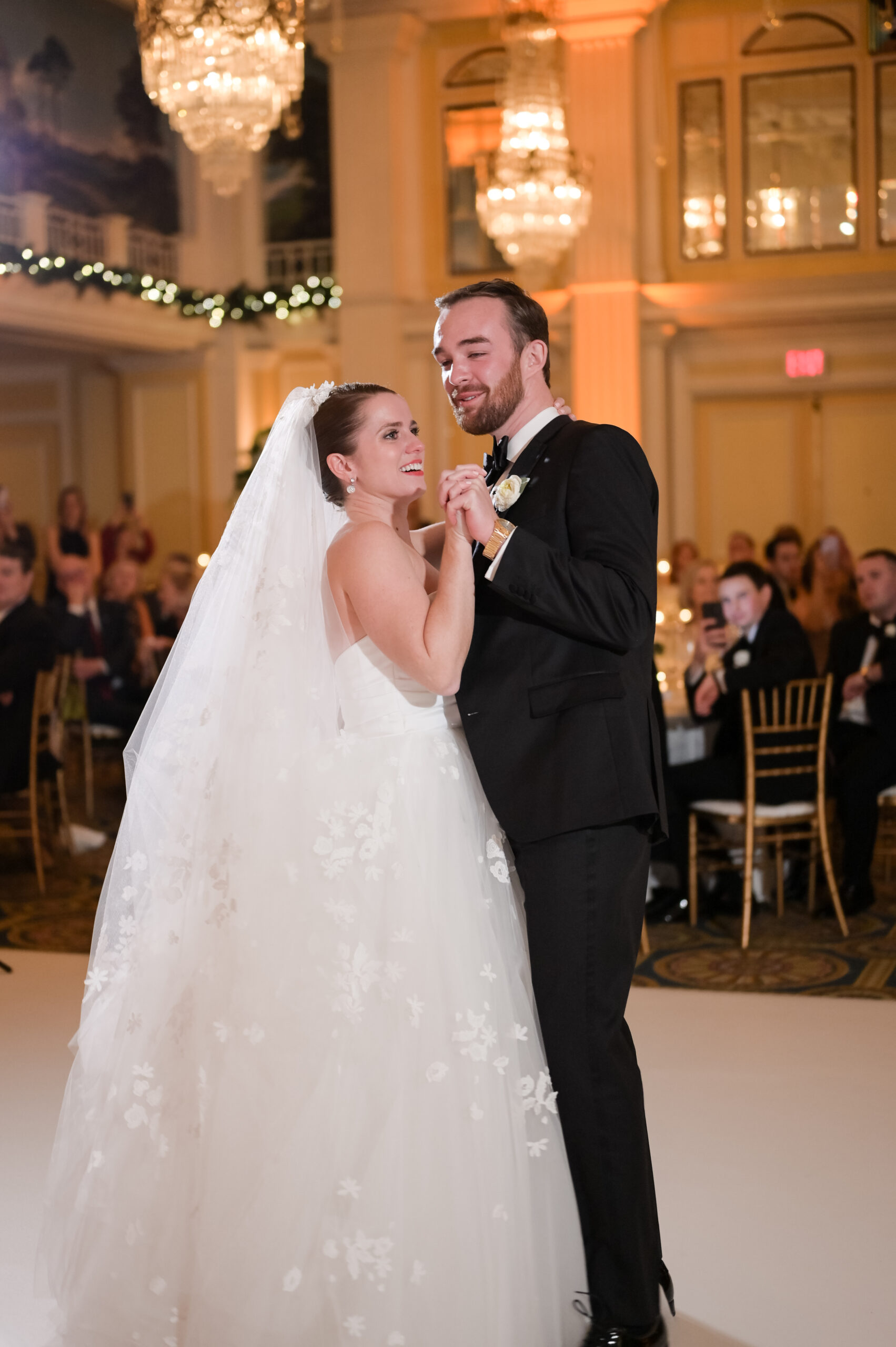
| Historic Hotel / Ballroom | 150–300 | Indoor, rooftop terraces sometimes | Chandeliers, sweeping ballrooms | Ballroom dances, lobby portraits at golden hour |
This comparison clarifies trade-offs between scale and intimacy: mansions favor smaller guest lists and intimate portraits, while museums and ballrooms accommodate larger receptions with editorial photographic potential. Understanding these differences sets up the next stage: identifying the specific venue features that make the strongest photos.
Which Historic Venues Offer Unique Photo Opportunities?
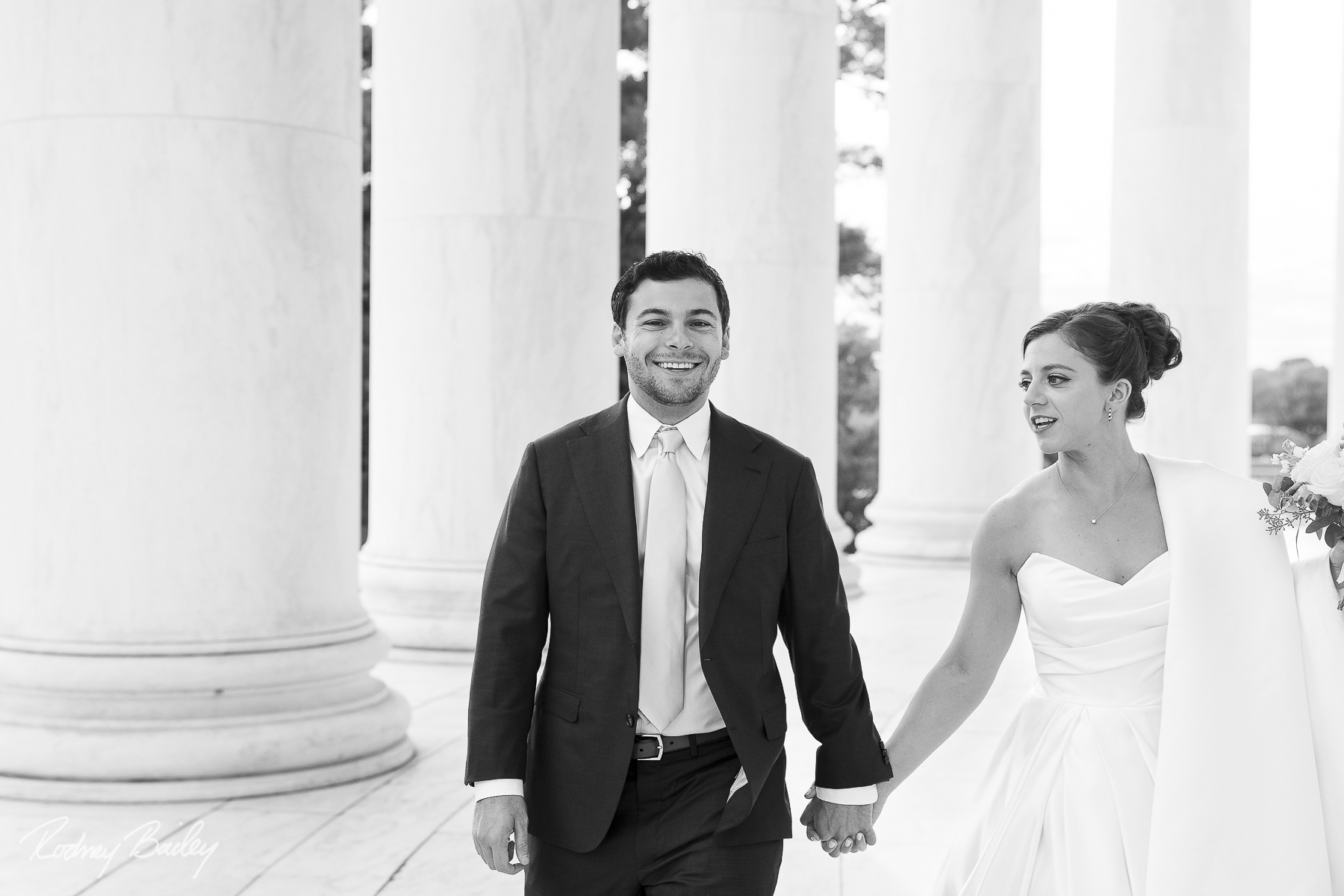
Historic venues often contain built-in photographic assets—ornate staircases, period lighting, terraces, and formal gardens—that create natural compositions without heavy styling. Staircases frame first-look moments and bridal portraits, while pillared porticos and stone terraces offer depth for golden-hour silhouettes. Museums and conservatories provide clean backdrops and controlled lighting that support editorial group shots and detail images of decor. When scouting, prioritize vantage points that allow separation between subject and background and identify where natural light enters interior spaces. Lens choices and vantage points should align with these features: wide-angle lenses for grand interiors, medium telephotos for portraits that compress background and enhance subject isolation. These considerations transition into how historic venues adapt to different wedding sizes and styles.
How Do Historic Venues Accommodate Different Wedding Sizes and Styles?
Historic venues can flex from intimate elopements to large, plated receptions through adaptable spaces and staged layouts that use salons, galleries, and outdoor courtyards. Smaller gatherings benefit from mansion salons and private terraces that reduce echo and strengthen guest proximity, while museums and hotels subdivide galleries or use ballrooms to host larger ceremonies and receptions. Key logistical checks include vendor restrictions, load-in access, and staging zones for ceremony and cocktail hours. Couples should confirm acoustic rules, catering policies, and any venue-curfew constraints well in advance. These practicalities influence not only guest comfort but also the photographer’s ability to move and capture moments, which leads naturally into outdoor venue choices that prioritize light and landscape.
Photographer insight: Historic interiors reward careful timing—plan portraits during late afternoon when softer window light sculpts faces, and scout stair and balcony angles the day before the event to anticipate crowd flow.
Where Can You Find the Best Outdoor and Garden Wedding Venues in D.C.?
Outdoor and garden wedding venues in D.C. emphasize natural light, landscape composition, and seasonal ambiance, making them ideal for couples who want a ceremony framed by greenery or skyline views. These venues require consideration of permits, noise regulations, and accessibility; seasonality also dictates when gardens are at their visual peak. Photographically, outdoor venues offer the most dynamic light conditions—from crisp morning shade to the warm glow of golden hour—so planning ceremony times and portrait windows is essential. The short list below outlines the outdoor features likely to influence both guest experience and photographic outcome.
- Garden Courtyards: Provide intimate ceremony settings and soft, diffused light under canopy trees.
- Parks and Waterfronts: Offer expansive views and natural backdrops but may require permits and contingency plans.
- Rooftop Terraces: Deliver skyline portraits and sunset vistas but often present wind and reflective-light challenges.
Intro to outdoor features table: The following table summarizes representative outdoor venues with photographer-focused guidance on timing, lighting challenges, and recommended backup solutions.
| Venue (Representative) | Ideal Photography Time | Lighting Challenges | Backup Plan |
|---|---|---|---|
| Garden Courtyard | Late afternoon / golden hour | Dappled shade, uneven light | Covered pergola or marquee nearby |
| Waterfront Park | Sunset / twilight | Harsh reflections, wind | Nearby indoor pavilion or tents |
| Rooftop Terrace | Sunset / post-ceremony portraits | Backlit subjects, variable wind | Interior lobby or adjacent event room |
These attributes show why couples should coordinate ceremony timing with their photographer to maximize scenic portraits while retaining contingency options for weather. Next, consider what features make outdoor venues functionally strong for events.
What Are the Top Features of Outdoor Wedding Venues in Washington D.C.?
Top outdoor features influence both guest logistics and photography: mature trees provide shade and dappled light; water features create reflective foreground interest; terraces and elevation changes produce skyline backdrops; and on-site restrooms and accessible paths improve guest comfort. Permits and site rules often affect amplified sound, catering setups, and decor placements, so confirm those elements early in planning. For photographers, proximity to staging areas and easy access for equipment greatly speeds coverage and reduces disruption to guests. These practical elements tie directly into lighting and weather management strategies for open-air ceremonies.
How Does Lighting and Weather Affect Photography at Outdoor Venues?
Lighting and weather are primary variables outdoors: golden hour produces soft directional light ideal for portraits, while midday sun creates harsh shadows that require fill light or shade. Overcast skies yield flattering, even light for group shots but can mute colors, which photographers often compensate for with reflectors or off-camera flash. Rain and wind require a tested backup: tenting, covered pavilions, or indoor rooms that preserve ceremony aesthetics. Bring equipment solutions—diffusers, portable strobes, and weatherproof covers—and schedule portrait windows that align with optimal light. These preparations reduce stress and preserve consistent image quality, and they naturally lead to considerations about in-house amenities found in luxury hotels.
Photographer insight: For garden ceremonies, plan a short portrait window 30–45 minutes before sunset to capture warm rim light; for rooftop ceremonies, factor wind and dress movement into pose direction and lens choice.
What Are the Best Luxury Hotel Wedding Venues in Washington D.C.?
Luxury hotel venues in D.C. combine full-service amenities—bridal suites, in-house catering, valet, and event coordination—with grand architectural features like sweeping lobbies and ballrooms that photograph beautifully. These venues reduce logistical complexity by offering day-of support and controlled indoor environments, which benefits both vendors and guests. Photographers value hotels for predictable lighting in suites and ballrooms, plus the convenience of indoor prep areas and coordinated timelines. When evaluating hotel venues, compare capacity ranges, ceremony vs. reception configurations, and any built-in AV or lighting restrictions that might impact photography. The list below highlights typical hotel venue advantages to consider during selection.
- Comprehensive On-Site Services: Simplify coordination with catering and staff support.
- Multiple Room Options: From intimate salons to large ballrooms for flexible event flow.
- Architectural Backdrops: Lobbies, staircases, and rooftop terraces provide portrait variety.
Intro to hotel amenities table: The following table maps common hotel features to capacities and photographer-relevant amenities to aid practical comparisons.
| Hotel Venue Feature | Typical Capacity | Photographer-Friendly Amenities | Why It Matters |
|---|---|---|---|
| Grand Ballroom | 150–400 | Stage access, dimmable lighting | Consistent reception lighting and formal dances |
| Bridal Suite / Prep Rooms | N/A | Natural light, private access | Comfortable prep environment for portraits |
| Rooftop / Terrace | 50–200 | City views, power access | Sunset portraits and skyline compositions |
These comparisons show that hotels often concentrate several photographic opportunities on site, which reduces travel time between portrait locations and supports smoother timelines. The next subsection explains how couples can make the most of hotel spaces for photography.
What Amenities and Capacities Do Luxury Hotel Venues Provide?
Luxury hotels typically offer a range of capacities from intimate salons to expansive ballrooms, plus amenities like in-house catering, valet parking, and event coordination that streamline logistics. Bridal and groom suites with large windows provide natural light ideal for detail and getting-ready images, while ballrooms with controllable lighting allow for dramatic reception coverage. Many hotels also provide preferred vendor lists and load-in procedures, which affect setup timing and equipment staging. Confirm whether the hotel allows off-site photography vendors full access to all spaces, and whether there are restrictions on flash or drone usage. These operational details influence the day’s timeline and inform how photographers plan coverage.
How Can Couples Maximize Photography at Luxury Hotel Venues?
To maximize photography at a hotel venue, build a timeline that reserves dedicated portrait windows (typically immediately after ceremony or during cocktail hour), request access to signature architectural spots for staged portraits, and coordinate with event staff to control lighting when needed. Communicate any special lighting cues—such as uplighting or dimming during first dances—in advance to the photographer so they can adapt camera settings and plan supplemental lighting. If a rooftop or terrace is available, schedule sunset portraits there and use the suite’s natural light for morning prep photos. These tactical steps preserve authentic moments while leveraging the hotel’s built-in visual assets for storytelling.
Photographer insight: Ask hotel events staff for an early walkthrough to identify prime portrait backdrops and confirm load-in routes; securing a short rehearsal of the lighting plan the day before reduces surprises on the wedding day.
What Are Some Unique and Industrial Chic Wedding Venues in Washington D.C.?
Unique and industrial-chic venues—warehouses, galleries, converted factories, and modern lofts—appeal to couples seeking minimalism, texture, and an urban narrative. These spaces emphasize raw materials, open floor plans, and flexible decor, which photographers use to craft cinematic frames that highlight negative space and dramatic lighting. Industrial venues typically require brought-in services for catering and restrooms, and may impose sound limits or load-in constraints, so vendors must coordinate closely. Consider how an industrial interior’s textures (concrete, brick, metal) can serve as compositional elements and how creative lighting can transform these surfaces into warm, inviting backdrops. Below are common venue types and the wedding styles they support.
- Converted Warehouses: Ideal for large, festival-style receptions and dramatic lighting design.
- Art Galleries: Best for modern, art-forward ceremonies with minimalist decor.
- Lofts and Studios: Suited to intimate gatherings emphasizing editorial portraits.
Intro to unique venues table: The table below identifies practical photography guidance for representative industrial and modern venues.
| Venue Type | Ideal Photography Time | Lighting Challenges | Backup Plan |
|---|---|---|---|
| Warehouse / Loft | Evening / controlled lighting | Low ambient light, echoes | Invest in portable lighting and acoustic solutions |
| Art Gallery | Daytime / soft interior light | Reflective surfaces, color casts | Custom white balance and fill lighting |
| Rooftop Industrial | Sunset | Wind, limited staging | Interior studio or flexible tenting |
These attributes underscore the creative potential of industrial venues while highlighting logistical needs that couples and photographers must plan for. Next, we explore which specific industrial and modern venues are popular and the styles they support.
Which Industrial and Modern Venues Are Popular for Weddings?
Popular industrial and modern venue choices in D.C. often pair raw architecture with curated decor to create a bespoke atmosphere: warehouses support large guest lists with flexible floor plans, galleries offer crisp white walls for minimalist ceremonies, and studio lofts deliver an intimate, editorial vibe. Each space suggests a wedding style—boho-industrial, modern minimalist, or dramatic evening receptions—that informs lighting, attire, and timing. When selecting a space, match your aesthetic to the venue’s inherent textures and confirm vendor requirements for catering, sound, and setup. This alignment ensures that the venue’s personality enhances the couple’s story rather than working against it.
How Do Unique Venues Enhance Wedding Photography and Storytelling?
Unique venues contribute narrative elements—texture, scale, and atmosphere—that become part of the couple’s visual story. A brick wall provides context and mood for portraits, exposed beams add leading lines for composition, and wide-open floors allow for choreographed dances or large-scale installations that photograph well from above. Photographers use these elements to craft visual arcs: details → portraits → wide environmental shots that show the venue’s scale and the event’s emotional tone. Planning shot sequences that exploit architectural lines and negative space helps the photographer turn a distinctive venue into a cohesive visual story.
Photographer insight: At industrial sites, pre-plan a lighting diagram and identify neutral corners for detail shots to avoid color casts from industrial finishes.
How Can Couples Choose the Right D.C. Wedding Venue Based on Budget and Guest Count?
Choosing a venue based on budget and guest count starts with realistic tiering: understand how much of your total wedding budget venue rental typically consumes and which venue categories align with your guest numbers. Budget allocation influences trade-offs between venue scale and investments in photography, catering, and decor. Use the budget tiers below to map typical venue types to expected costs and guest capacities, then prioritize where to invest—venue ambiance, food and beverage, or photography—based on what matters most for your celebration. This mapping simplifies decision-making and frames practical next steps like securing permits and confirming vendor availability.
Intro to budget comparison table: The following table maps budget tiers to typical venue types, average venue cost ranges for 2024–2025 context, and guest count brackets.
| Budget Tier | Typical Venue Types | Avg Venue Cost (2024–2025) | Guest Count Range |
|---|---|---|---|
| Modest | Community spaces, small museums, park permits | $3,000–$8,000 | 20–100 |
| Mid-range | Mansions, boutique hotels, galleries | $8,000–$20,000 | 75–200 |
| High-end | Luxury hotels, landmark museums, exclusive estates | $20,000+ | 150+ |
This table offers a starting point; actual pricing varies with season, day of week, and included services. The next subsection provides a concise, direct answer about average venue costs for 2025 to help with planning.
What Is the Average Cost of Wedding Venues in Washington D.C. for 2025?
Short answer: Venue rental typically represents a substantial portion of overall wedding costs, with average D.C. venue rentals in 2024 often falling within the mid-range bracket above and premium venue options trending higher into 2025. Expect variance based on venue type, day, and included services, with luxury properties and peak-season weekend dates commanding the top ranges. Understanding these averages helps couples align guest counts and style choices with a sustainable budget.
How Do Venue Prices Align with Different Wedding Sizes and Styles?
Venue prices scale with capacity, location, and level of included services: intimate micro-weddings are cost-efficient in smaller historic houses or private gardens; mid-size celebrations fit well in boutiques and galleries that balance cost and ambiance; large-scale luxury affairs require hotels or exclusive estates with commensurate rental and service fees. When deciding where to allocate budget, many couples prioritize photography and food over extravagant venue spends to ensure both memorable imagery and guest experience. Create a prioritized budget checklist—venue, photography, catering, attire—to clarify where to splurge and where to save.
- Prioritize: Allocate funds to the two elements that matter most to you.
- Negotiate: Ask venues about off-peak or weekday pricing to stretch budget.
- Contingency: Reserve a small contingency for permit fees or weather-related rentals.
Practical business integration: A photographer familiar with D.C. venues can clarify where to invest for the best visual return; Photojournalism by Rodney Bailey offers venue-specific guidance that helps couples understand how lighting, layout, and timing affect photography needs and package selection. This photographer insight bridges budgetary choices and the photographic value of different venues, helping couples align vendor selection with visual priorities.
Photographer insight: When balancing budget and guest count, reserve a focused portrait window and invest in a photographer who knows local venues—this often yields higher perceived value in final galleries than marginal venue upgrades.
Why Choose Photojournalism by Rodney Bailey for Your D.C. Wedding Venue Photography?
Photojournalism by Rodney Bailey practices an observational, storytelling approach that captures candid emotion and the atmosphere of D.C. venues without heavy staging. This photojournalistic method emphasizes natural moments, environmental context, and sequence—showing how a ceremony unfolded and how guests reacted—rather than only posed imagery. The studio presents services geared to weddings, engagements, proposals, and events across the Washington D.C. metro area, and highlights a creative and technology-forward approach to delivering high-quality, authentic imagery. Below are the core benefits couples gain by choosing this photographer for D.C. venues.
- Photojournalistic Storytelling: Authentic coverage that prioritizes genuine emotion and event narrative.
- Venue-Specific Expertise: Familiarity with D.C. venues and lighting conditions to optimize shot selection.
- Technology-Forward Delivery: Use of modern workflows to produce timely, high-quality image galleries.
This service description aligns with the needs of couples who want both documentary authenticity and editorial-quality results; the following subsection explains methods and workflow that produce consistent outcomes at D.C. venues.
How Does Rodney Bailey Capture Authentic Moments at Top D.C. Venues?
Rodney Bailey employs an unobtrusive, observational workflow that balances readiness with discreet direction: anticipate moments through venue scouting, use available light strategically, and apply selective intervention only when it enhances the couple’s story. On wedding days, the photographer coordinates with vendors to secure portrait windows and staging areas, adapts to venue-specific lighting conditions, and uses a mix of prime and zoom lenses to capture both candid micro-moments and wide environmental context. This venue-aware approach reduces disruption and yields images that reflect the event’s atmosphere and emotions rather than staged perfection.
Where Can You See Real Wedding Photography Examples from D.C. Venues?
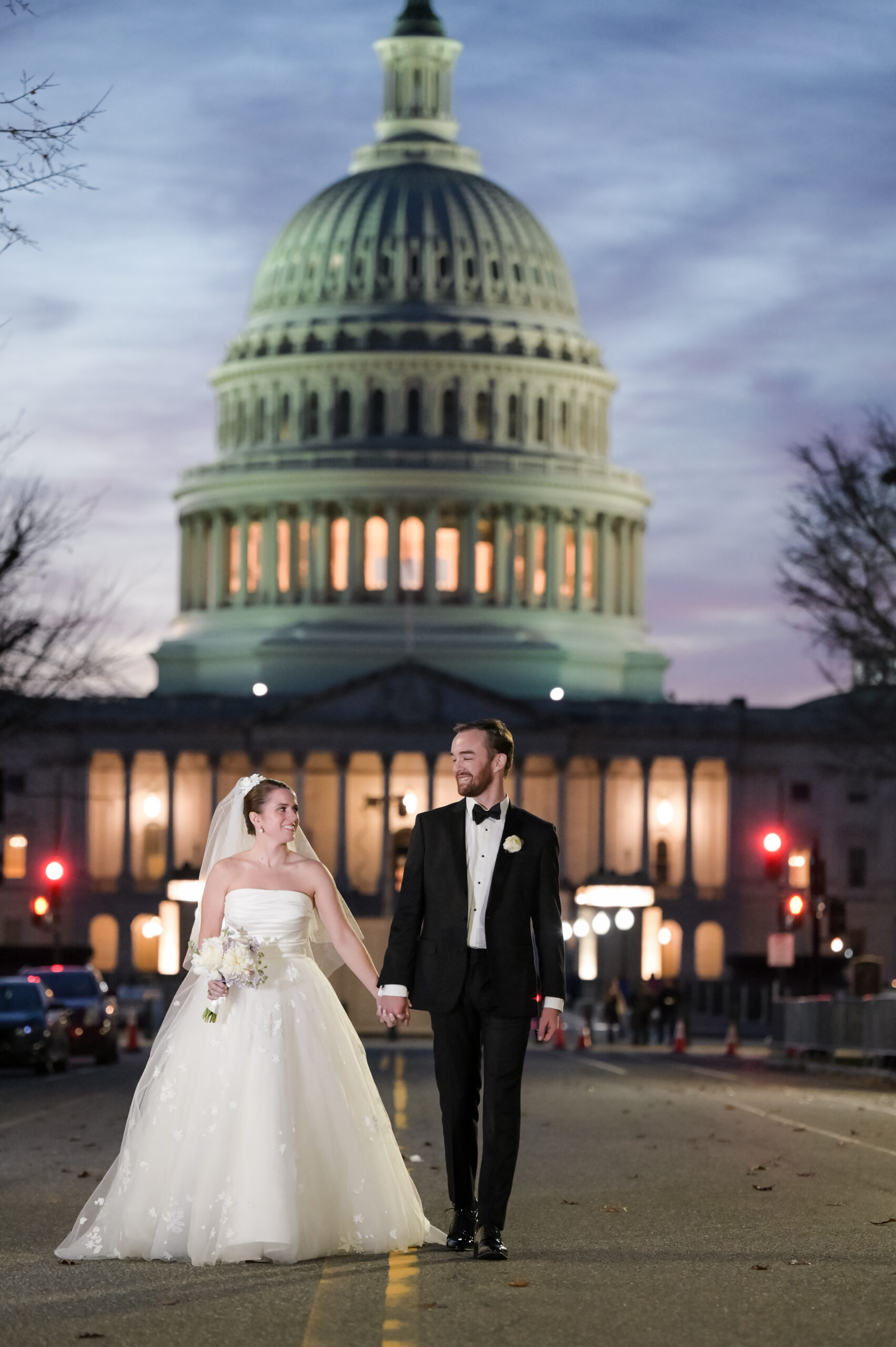
To evaluate photographic fit, review venue-specific galleries and recent wedding coverage that highlight lighting conditions, candid storytelling, and how the photographer solved logistical challenges across different D.C. spaces. Look for images that show ceremony scale, portrait variety, and reception storytelling—these elements indicate how well a photographer translates venue personality into a cohesive gallery. For couples seeking examples and availability, Photojournalism by Rodney Bailey maintains comprehensive portfolio galleries organized by venue type and event style and welcomes inquiries to discuss how venue attributes shape package recommendations and coverage plans.
Photographer final insight: When shortlisting photographers, prioritize samples shot at your chosen venue type—historic interiors, gardens, hotels, or industrial spaces—to confirm they consistently produce the mood and image quality you want.