
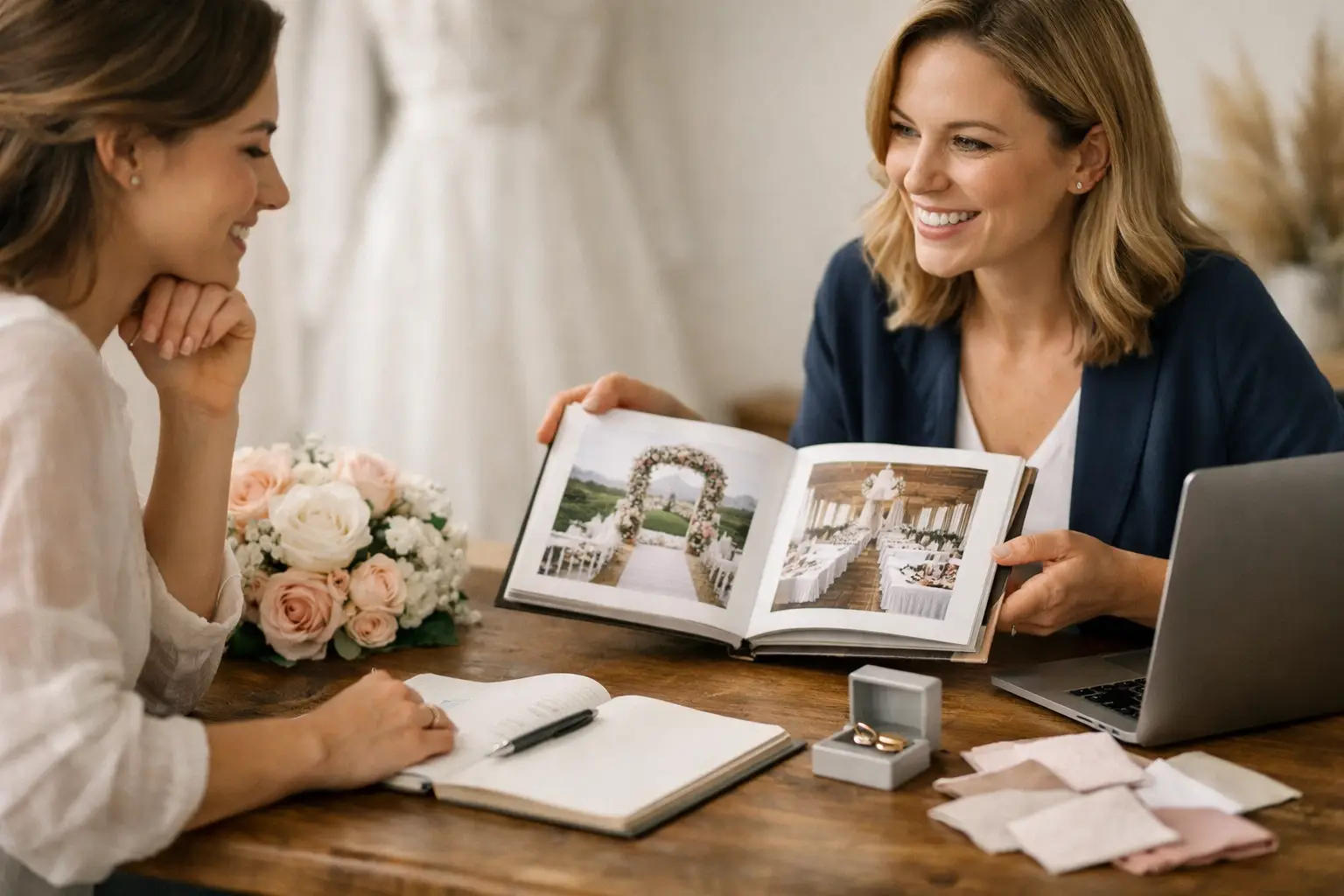
Wedding Consultation Preparation That Feels Personal
A Washington DC wedding photography consultation should feel less like a vendor interview and more like the first thoughtful conversation about how your day will be remembered. Strong wedding consultation preparation gives your photographer the context behind the details: the people who matter most, the traditions with meaning, the pace you hope to feel, and the moments you may be too busy to see for yourselves.
For couples planning in Washington, DC, Northern Virginia, or Maryland, that context matters. A celebration at a historic Georgetown venue has different logistical considerations than a garden wedding in Potomac or a ballroom reception in downtown DC. Yet the goal remains the same: photographs that feel natural, emotionally honest, and unmistakably yours.
Start Wedding Consultation Preparation With Priorities
Before discussing shot lists, timelines, or albums, talk together about what you want to remember. One partner may care deeply about candid images from the dance floor, while the other may be thinking about a quiet first look with family. Neither priority is more valid. The consultation is where those preferences become a shared plan.
Consider the feeling you want your wedding photographs to carry. Do you picture a collection centered on spontaneous laughter and unguarded interaction? Are formal family portraits especially important because relatives are traveling from across the country? Is the ceremony itself the emotional center of the day? A clear answer helps shape coverage without forcing your celebration into a formula.
It is also helpful to identify what you do not want. Some couples are uncomfortable with long, heavily directed portrait sessions. Others would rather make time for a polished editorial portrait session and protect that portion of the schedule. An experienced photojournalistic photographer can guide both approaches, but the right balance depends on your priorities, your venue, and the rhythm of the day.
Bring a few images you genuinely respond to if they help communicate your taste. They do not need to become a rigid blueprint. A favorite image may reveal that you love warm reception light, close emotional moments, clean architectural compositions, or a sense of movement. That insight is more useful than trying to reproduce another couple’s wedding exactly.
Share the Story Behind the Guest List
The best wedding images often gain their significance long after the celebration. Your photographer may not know that your grandmother helped raise you, that your college friends are gathering for the first time in years, or that a sibling will give a toast everyone has been anticipating. Share those details during the consultation.
A short list of VIPs is valuable, particularly when the room is full and the day moves quickly. Include names, relationships, and anything that helps recognize a meaningful interaction. For example, note if a parent is reserved but likely to be deeply moved during the ceremony, or if a beloved uncle is leading an important cultural tradition.
This is not about turning documentary coverage into a checklist. It is about giving the photographer the awareness to anticipate meaningful moments with discretion. The strongest candid photographs are rarely accidental. They come from observation, experience, and an understanding of where emotion may unfold.
Discuss traditions and meaningful details early
Religious ceremonies, cultural customs, family heirlooms, and personal rituals deserve more than a passing mention on the wedding day. Explain what will happen, who participates, and when the important visual moments occur. If there are restrictions on movement, flash, or photography during the ceremony, those details should be addressed well in advance.
The same is true for design elements with personal significance. A bouquet charm, handwritten vows, a grandmother’s veil, a custom dance, or an intentionally intimate table setting may be visually important and emotionally important. Your photographer can plan to document those details beautifully while keeping the focus on the people and the story around them.
Bring the Logistics That Shape Coverage
A consultation is the right time to discuss the practical decisions that influence photography. You do not need a minute-by-minute timeline before your first conversation, but having the broad structure of the day is useful: ceremony time, reception location, anticipated guest count, travel between venues, and whether you are planning a first look.
Light deserves special attention. In the DC region, venue conditions can vary dramatically, from sun-filled spaces with monumental views to candlelit rooms and evening celebrations after dark. A skilled photographer can work in each environment, but your timeline may benefit from setting aside time for portraits when the light and location are most flattering.
Ask candid questions about how much photography time is realistically needed. Family portraits, wedding party photographs, couple portraits, and travel all require time. The trade-off is straightforward: a longer portrait window often creates more variety and breathing room, while a shorter window keeps you with guests and preserves a more spontaneous pace. There is no universally correct choice, only the choice that serves your experience.
If your venue has a planner or coordinator, let your photographer know who is managing the day. Collaboration among the planner, videographer, venue team, and photography team protects the timeline and minimizes unnecessary interruptions. Great service often feels effortless to the couple because the professionals have already aligned behind the scenes.
Ask How the Photographer Works in Real Time
The consultation is your opportunity to understand not only the finished images, but also the experience of being photographed. Ask how the photographer approaches family formals, manages a crowded dance floor, works during a ceremony, and handles unexpected changes in weather or timing.
For couples drawn to authentic imagery, it is worth asking how direction is used. Natural photographs do not require photographers to stand back and hope for the best. Often, gentle direction helps place you in beautiful light, gives your hands somewhere comfortable to rest, or creates a moment to simply be together. Then the real expression, connection, and movement can unfold without feeling manufactured.
You should also discuss who will be present from the photography team and how coverage is structured. Larger celebrations, multiple locations, extensive guest lists, or simultaneous preparations can benefit from additional coverage. A smaller wedding may call for a quieter approach. The recommendation should reflect the shape of your day rather than a one-size-fits-all package.
With more than 30 years of wedding and event experience, Rodney Bailey has seen how careful planning creates room for genuine moments. The purpose is never to overproduce a wedding. It is to ensure that the people, light, locations, and emotional turning points receive the attention they deserve.
Build a Portrait Plan Without Losing the Day
Portraits are often the part of wedding consultation preparation couples think about most, and sometimes worry about most. The concern is understandable. You want photographs that feel refined and timeless, but you also want to enjoy your guests and not spend the day posing.
A thoughtful portrait plan resolves that tension. Decide whether you would like a first look, whether portraits can happen before the ceremony, and which family combinations are essential. Keep the formal family list focused. A concise list of meaningful groupings is faster, calmer, and more pleasant than trying to create every possible variation.
Choose portrait locations with purpose. A beautiful setting is useful, but convenience matters as well. Walking twenty minutes across a venue or leaving guests for a distant landmark may be worthwhile for some couples and unnecessary for others. Consider privacy, weather backup options, accessibility for family members, and the amount of time you want to devote to portraits.
The most enduring couple portraits tend to hold both polish and truth. You may receive guidance on where to stand and how to use the space, but the photograph should still reflect how you look at one another, laugh together, and settle into the moment.
Leave With a Clear Next Step
By the end of a productive consultation, you should understand the proposed coverage, the next planning milestones, and the information your photographer needs as the wedding approaches, particularly when working with a Washington DC wedding photographer. You should also feel heard. A premium photography experience is not simply about beautiful images after the fact. It is about confidence before the day arrives and calm, capable support while it is happening.
Keep refining the timeline as your plans develop, and communicate any meaningful changes: a new venue layout, an added tradition, a revised ceremony time, or a family situation that requires sensitivity. Small updates can make a substantial difference in how smoothly coverage unfolds.
The right consultation does more than organize photography. It gives you permission to be fully present at your wedding, knowing the moments you value most are being noticed with care.
Related Posts