Wedding Photo Retouching That Still Looks Like You
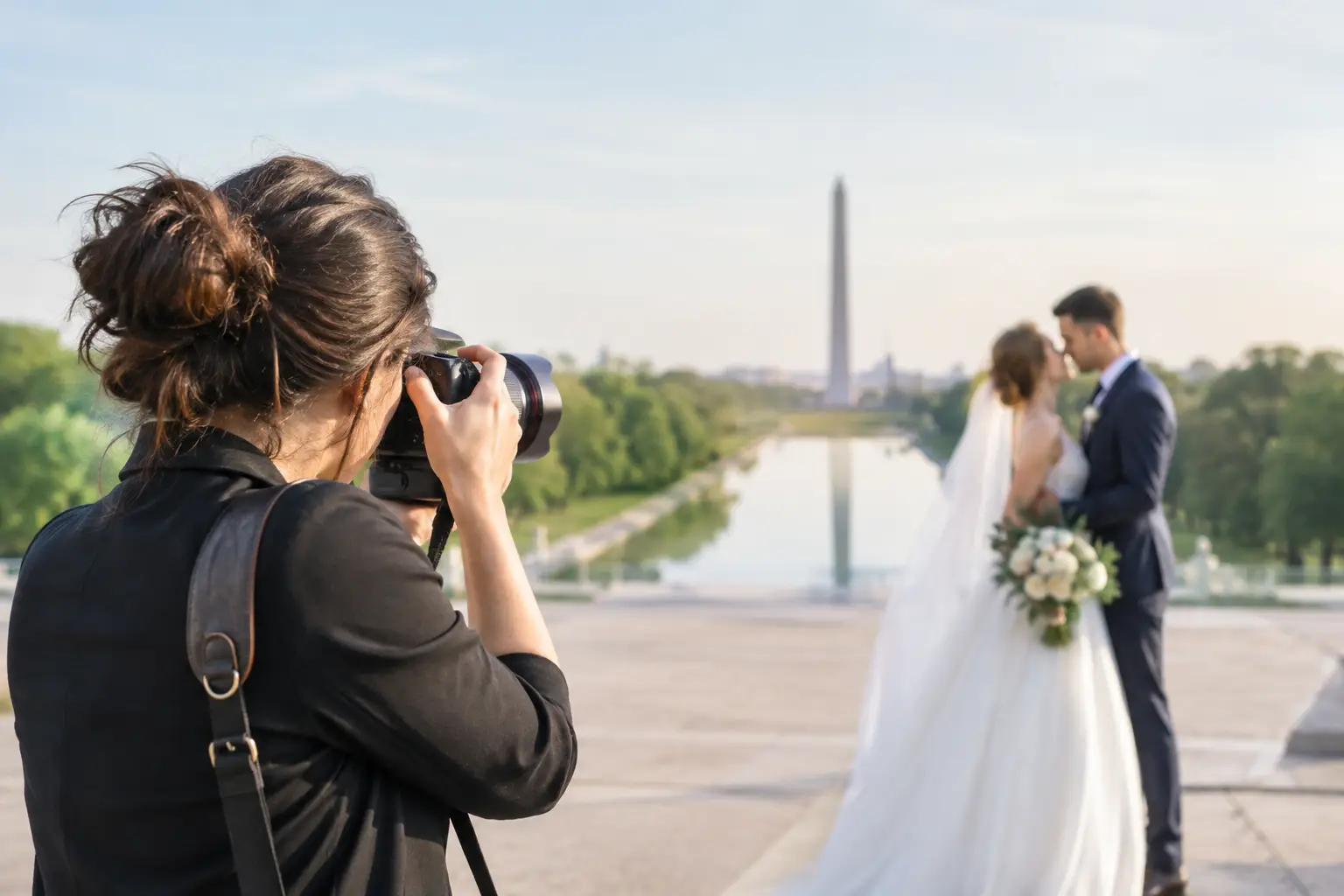
A wedding day moves quickly: the hand squeeze before the ceremony, a parent’s expression during the vows, the unguarded laughter that arrives halfway through a toast. Wedding photo retouching should protect those memories, not polish away the character that makes them yours. The finest finished images feel effortless because every adjustment supports the original moment.
For couples planning a celebration in Washington, DC, Northern Virginia, or Maryland, this distinction matters. You may want to look rested and confident in your portraits, but you also want your photographs to reflect the people, setting, and emotion your guests experienced. Thoughtful retouching brings a final collection to a consistent, beautiful standard while keeping the story honest.
What Wedding Photo Retouching Should Do
Retouching is often used as a catchall term, but it is only one part of the finishing process. Professional editing typically begins with global refinements: exposure, color balance, contrast, cropping, and the careful matching of images made in changing light. A ceremony in a historic DC church, portraits beside the Potomac, and a candlelit ballroom reception may all require different technical decisions. The goal is to make the gallery feel cohesive without forcing every scene into the same look.
Wedding photo retouching is more selective. It addresses small, temporary, or distracting details that pull attention away from the image: a blemish that appeared the morning of the wedding, shine on the skin, a stray hair across a face, or an exit sign at the edge of an otherwise elegant portrait. These refinements should be nearly invisible. If a guest’s eye goes first to the editing rather than the expression, the work has gone too far.
The best approach is guided by a simple principle: preserve what is real; remove what is accidental. A meaningful freckle, a familiar laugh line, or the texture of a grandmother’s hands is part of the record. A temporary distraction usually is not.
Natural Skin Is More Sophisticated Than Perfect Skin
Modern retouching software can smooth, reshape, and alter almost anything. That does not mean every option belongs in a wedding gallery. Excessive smoothing can remove skin texture, flatten dimension, and make a couple appear unlike themselves. It can also date photographs surprisingly quickly.
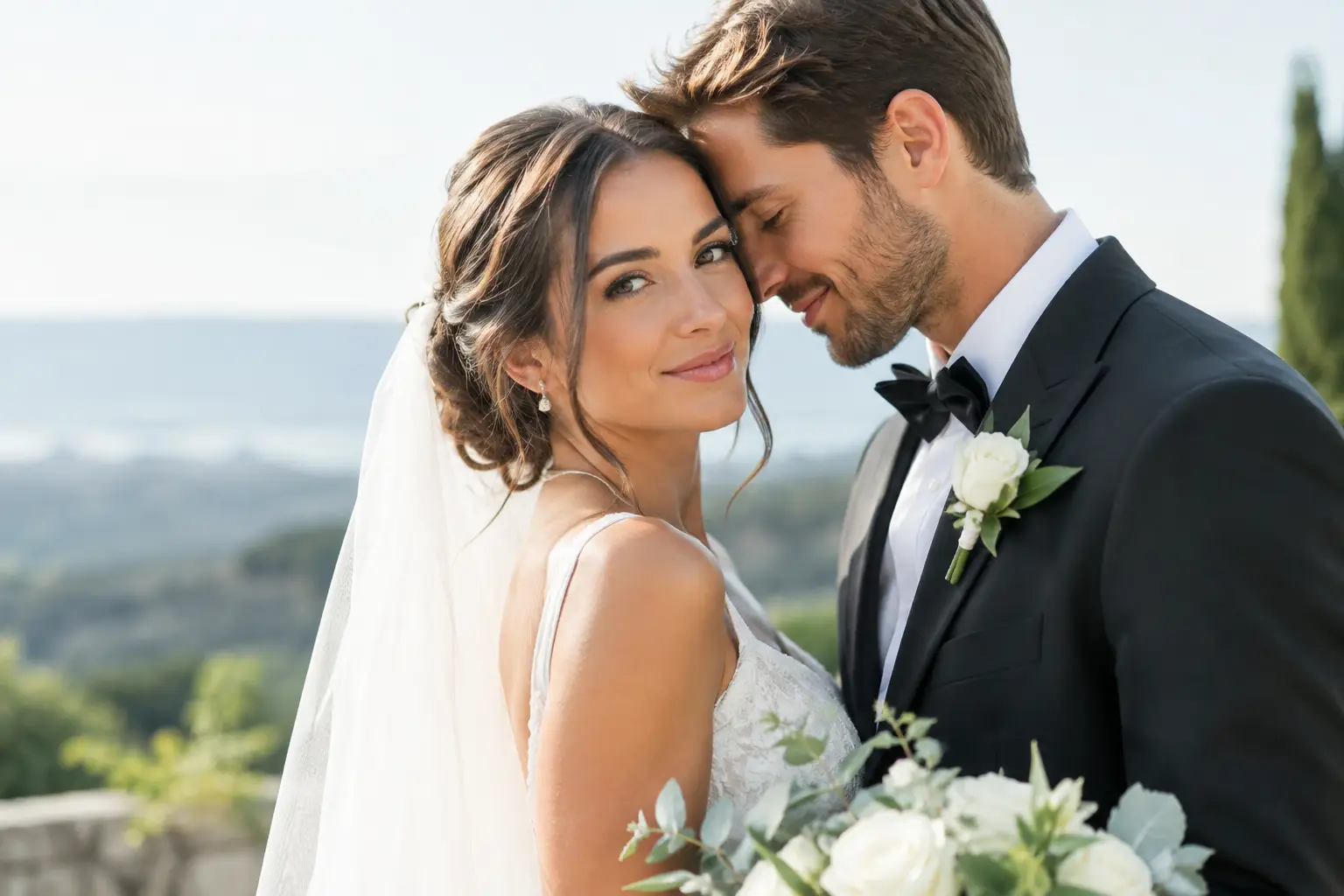
Natural skin has variation. It catches light differently across the forehead, cheeks, and jawline. It shows expression. A refined retouching process reduces temporary redness or shine while maintaining that texture and shape. The result should look like you on an especially joyful, well-rested day, not like a version of you created for a beauty campaign.
This is especially relevant for close portraits, first-look images, and formal family photographs. These are the photographs likely to be printed, framed, and revisited for decades. A light touch is not a lesser level of service. It is a sign of technical confidence and restraint.
Retouching should respect every person in the frame
A wedding gallery documents more than the couple. It includes parents, siblings, children, friends, and often several generations of family. Applying a heavy, uniform effect across everyone can diminish the individuality that makes those images meaningful.
A more considered process accounts for the image itself and the people in it. The priority may be a clean, flattering portrait of a couple in one photograph and a faithful record of a parent’s emotional reaction in the next. Both deserve care, but not necessarily the same treatment.
The Balance Between Authenticity and Polish
Most couples want images that feel elevated. They also want to recognize the day as it actually unfolded. Those goals are entirely compatible when the photographer’s visual approach is grounded in observation rather than manipulation.
Consider a reception photograph where the dance floor is lit by colored uplighting. Removing every trace of that color may make skin tones more neutral, but it may also erase the energy of the room. Conversely, leaving an intense magenta cast untouched can make an image feel less flattering. The right solution depends on the light, the mood, and the visual role of the photograph within the gallery.
The same is true of environmental details. A carefully composed portrait may benefit from removing a distracting sign or piece of equipment in the background. A photojournalistic image of guests greeting one another may be stronger with its surroundings intact, because those surroundings tell the story of the celebration. Retouching is not about making every frame pristine. It is about making every frame intentional.
When to Discuss Retouching Before the Wedding
A conversation before the wedding creates clarity and avoids assumptions after it. If you have a concern you would like handled discreetly, share it with your photographer during planning. This might be a temporary skin issue, an injury, a medical device, or a feature that you prefer minimized in close portraits. A professional photographer can explain what is realistic and how the request fits within the overall finishing process.
It also helps to distinguish between standard image finishing and extensive alterations. Standard retouching commonly includes refinement of the images selected for delivery, with a natural approach to temporary distractions. More involved work, such as removing multiple people from a background, changing body shape, reconstructing garments, or significantly altering a venue, may require additional time and a separate discussion.
Neither choice is inherently wrong. The important question is whether the change serves your memory of the day or replaces it. Couples who value documentary imagery often prefer modest adjustments that allow real interactions to remain central. Couples planning an editorial-style portrait session may choose a more detailed finish for a small number of signature images. A personalized service approach allows room for both.
Share visual preferences, not just editing requests
Saying “make us look natural” is a useful starting point, but examples can be even more helpful. Tell your photographer whether you are drawn to true-to-life color, romantic warmth, crisp black-and-white images, or portraits with a more editorial finish. Discuss what you do not enjoy as well, such as overly filtered skin, dramatic color shifts, or heavily stylized effects.
An experienced photographer will translate those preferences into a finished collection that still reflects a consistent artistic point of view. The goal is not to imitate a passing social media trend. It is to create photographs that will continue to feel elegant when your wedding is no longer recent news, but family history.
Why Experience Matters in the Finishing Process
Strong retouching begins long before a file reaches the editing stage. It begins with accurate exposure, flattering direction, awareness of backgrounds, and the ability to anticipate moments in difficult light. A photographer who understands how to work quickly during a ceremony or reception has less need to rely on corrective editing later.
After more than 30 years of documenting weddings and milestone events, Rodney Bailey approaches every finished image with the same respect given to the moment it preserves. That means careful technical refinement, but also the judgment to leave alone what gives an image its life.
This experience is particularly valuable at complex celebrations, where a photographer may move from bright outdoor portraits to dim interiors, formal family groupings, and fast-moving dance floors within a few hours. Consistency across those conditions requires both craftsmanship and an understanding of what matters most in each scene.
A Finished Gallery Should Feel Like Your Wedding
When you receive your wedding photographs, you should see more than flattering portraits. You should feel the nervous anticipation before the ceremony, the warmth of the people gathered around you, and the particular atmosphere of the place you chose. The flowers, the weather, the room, and even the imperfect moments belong to that experience.
Retouching earns its place when it quietly directs attention back to those feelings. It can refine a photograph without rewriting it, giving your memories the polish they deserve while preserving the honest details that will matter more with every passing year.
Related Posts