A Black Tie Event Photography Guide for DC Hosts
A black tie event has its own visual language: candlelight on formal place settings, a guest’s hand adjusting a bow tie, champagne arriving just before a toast, and the quiet anticipation before the room fills. A thoughtful black tie event photography guide begins there – not with a long list of posed pictures, but with an understanding of the atmosphere you have worked hard to create.
For a gala, wedding, milestone celebration, or nonprofit benefit in Washington, DC, photography should feel as considered as the guest list and as effortless as the evening itself. The strongest coverage preserves the polish of the occasion while making room for genuine expression, spontaneous laughter, and the relationships that give a formal gathering its meaning.
Begin With the Story, Not Just the Schedule
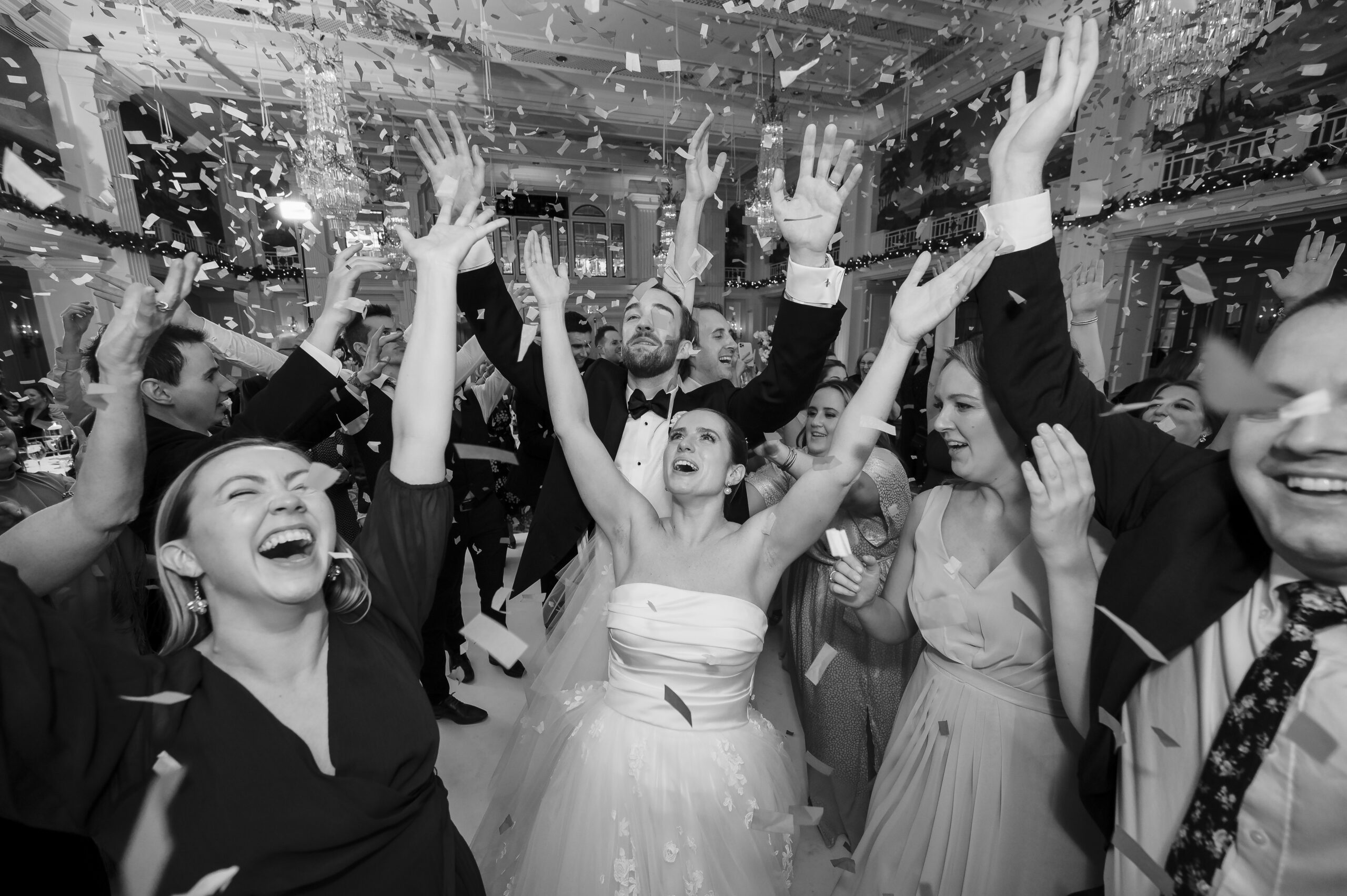
Black tie does not mean every image needs to be formal. It does mean the photographer should recognize the distinction between elegance and stiffness. Guests may arrive in tuxedos and evening gowns, but the photographs people treasure years later are often the unscripted ones: a parent seeing the room before guests arrive, friends embracing at cocktail hour, a speaker gathering their thoughts backstage, or a couple sharing a quick glance across a crowded dance floor.
Before the event, share the purpose behind the evening. Is it an intimate wedding reception, a philanthropic gala celebrating a mission, a milestone birthday, or a corporate dinner recognizing a major achievement? The answer shapes what deserves visual emphasis. A benefit may need meaningful images of honorees, sponsors, and mission-driven moments. A wedding reception may call for more attention to family connections, personal details, and the energy of the dance floor.
A detailed timeline is helpful, but it should not become a creative constraint. The most experienced event photographers use it as a framework for being in the right place before a key moment unfolds. That preparation creates the freedom to photograph naturally when the unexpected happens.
Choose a Photographer Who Can Work Discreetly
At a black tie event, presence matters. Your photographer should be attentive without becoming a distraction, especially during a ceremony, formal dinner, keynote address, or emotional toast. The goal is to document the room as it felt, not to make the room feel like a photo shoot.
This is particularly important in venues with a refined, intimate atmosphere. Guests should be able to enjoy conversation without feeling constantly directed toward the camera. A photojournalistic approach allows the photographer to anticipate expressions and interactions while preserving the natural flow of the evening.
Experience also matters when the schedule is tight. There may be only a few minutes to create a polished portrait of hosts, honorees, or family members before doors open. A calm, confident photographer can guide those moments efficiently, then step back as the event comes alive. For more than three decades, Rodney Bailey has built his approach around that balance: thoughtful direction when it is useful, and authentic storytelling when the real moments begin.
Ask About Their Approach to Formal Portraits
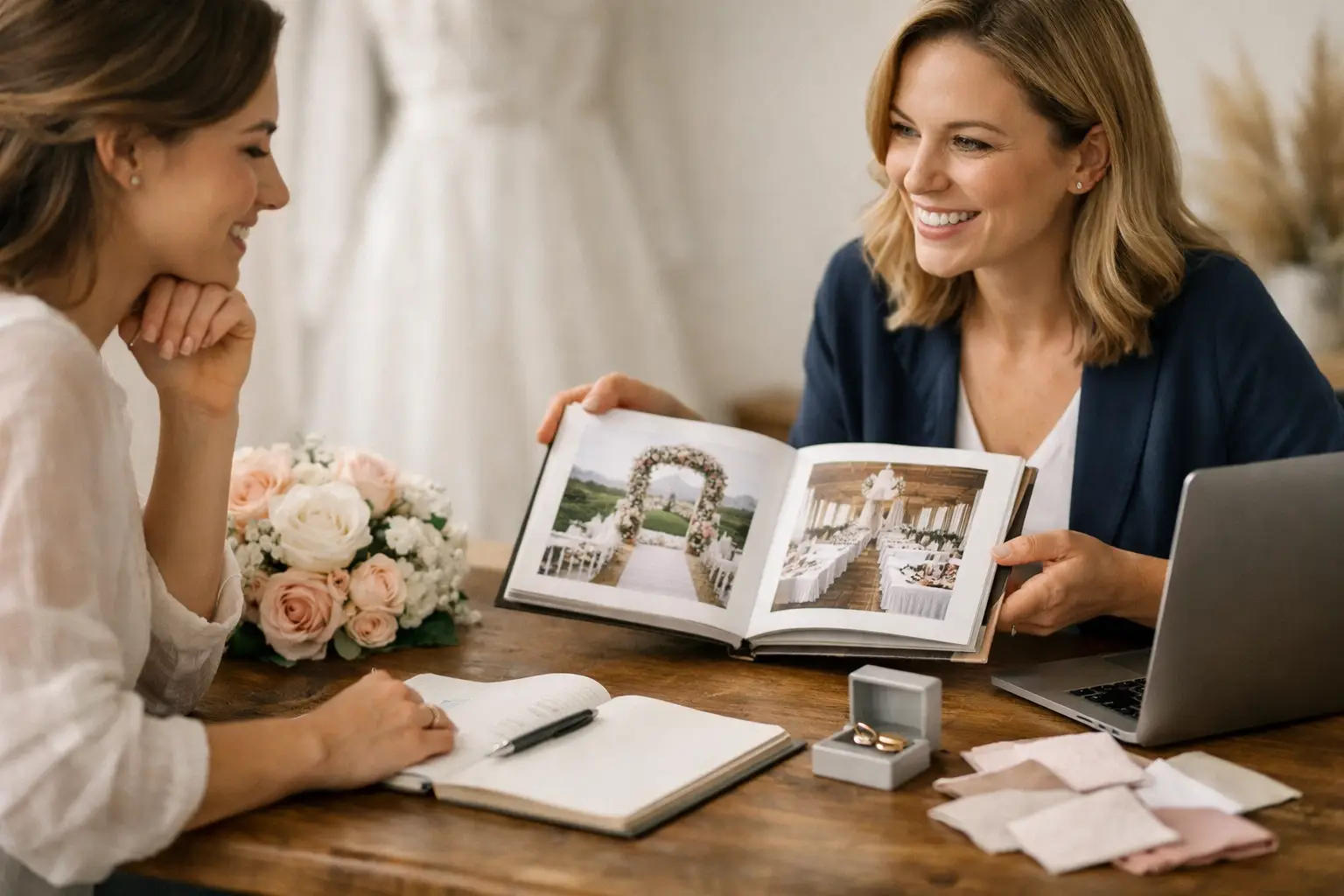
Even clients who prefer candid photography usually want a handful of beautifully composed group portraits. The difference is in how those portraits are handled. Rather than interrupting the celebration for an extended series of combinations, identify the essential groups in advance and schedule them at a natural transition point.
For a wedding, that might be immediately after the ceremony or before cocktail hour. For a gala, it may be during a brief pre-event window, before VIP arrivals or before dinner service. Keep the list focused. A well-planned 15-minute portrait session often produces more relaxed, flattering images than a 45-minute session where guests are pulled away from the party.
Plan for Light That Feels Like the Evening
Black tie events are often designed around mood: warm candles, dimmed chandeliers, dramatic uplighting, or a ballroom that grows darker as dinner turns into dancing. These elements are beautiful in person, but they demand technical confidence behind the camera.
The right photographer will preserve the ambience without allowing faces to disappear into shadow or turn unnaturally bright from direct flash. This requires an understanding of off-camera lighting, color balance, venue conditions, and the pace of a live event. The result should feel luminous and true to the setting, with skin tones that remain natural and details that retain their richness.
If possible, invite your photographer to visit an unfamiliar venue before the event or provide images of the space, floor plan, and lighting design. A quick conversation with the planner, production team, or venue coordinator can clarify where the toasts will happen, whether the stage is evenly lit, and how the dance floor lighting will change throughout the night.
Details Need Their Own Time
The floral design, stationery, menu cards, place settings, favors, and fashion choices are part of the story. They deserve coverage before guests begin moving through the room. Reserve a brief window before doors open for your photographer to capture the space at its most pristine.
This is not simply about documenting décor for the sake of it. Design images establish the setting in the final gallery and give context to the candid moments that follow. They also recognize the care invested by your planner, florist, caterer, and creative partners.
That said, details should not take priority over people. If a meaningful family moment is unfolding while the room is being photographed, a skilled photographer knows which story cannot be recreated later.
Build a Shot List That Leaves Room for Life
A concise priority list is more useful than an exhaustive shot list. Include the names and roles of must-photograph guests, such as hosts, immediate family, VIPs, honorees, sponsors, or longtime friends. Flag sensitive family dynamics and any moments that carry special significance, from a surprise performance to an award presentation.
Then trust the photographer to find the connective moments you may not have anticipated. A black tie evening has many small scenes that add up to its personality: a table reacting to a speech, a guest greeting an old colleague, a child marveling at the dance floor, or a bartender setting down a perfectly composed cocktail.
The trade-off is straightforward. If every moment is heavily staged, the gallery can look polished but impersonal. If there is no plan at all, important people and milestones can be missed. The best approach combines clear priorities with enough breathing room for authentic photographs to happen.
Coordinate Without Overproducing
Your planner and photographer should be aligned on the order of events, room flow, and points of access. This is especially valuable for a large DC event where a reception may move between multiple spaces or where high-profile guests require extra discretion.
Let the photographer know about restrictions in advance. Some venues limit flash during performances, require photographers to remain behind a designated line, or have challenging access to balconies and stages. If a surprise is planned, decide who will signal the photographer and where they should stand. A two-minute conversation before doors open can make the difference between hoping for the moment and being fully ready for it.
Avoid overproducing every interaction. Asking guests to repeat a hug, a toast, or a reaction may produce a usable image, but it rarely carries the same emotional weight. A photographer with strong anticipation can often capture the real moment the first time.
Consider What You Want the Gallery to Feel Like
When you look back at your photographs, you should remember more than what the event looked like. You should remember the pace of the room, the people who showed up, and the feeling of being surrounded by those who matter most.
That is why editorial polish and candid storytelling work so well together for black tie celebrations. The room can look grand, the portraits can feel elevated, and the images can still hold the warmth and spontaneity that make the night yours.
As you plan, give your photographer the information needed to prepare, then allow them the space to observe. The most enduring photographs often arrive in the seconds between the scheduled moments – when the elegance of the evening gives way to something unmistakably personal.
Related Posts