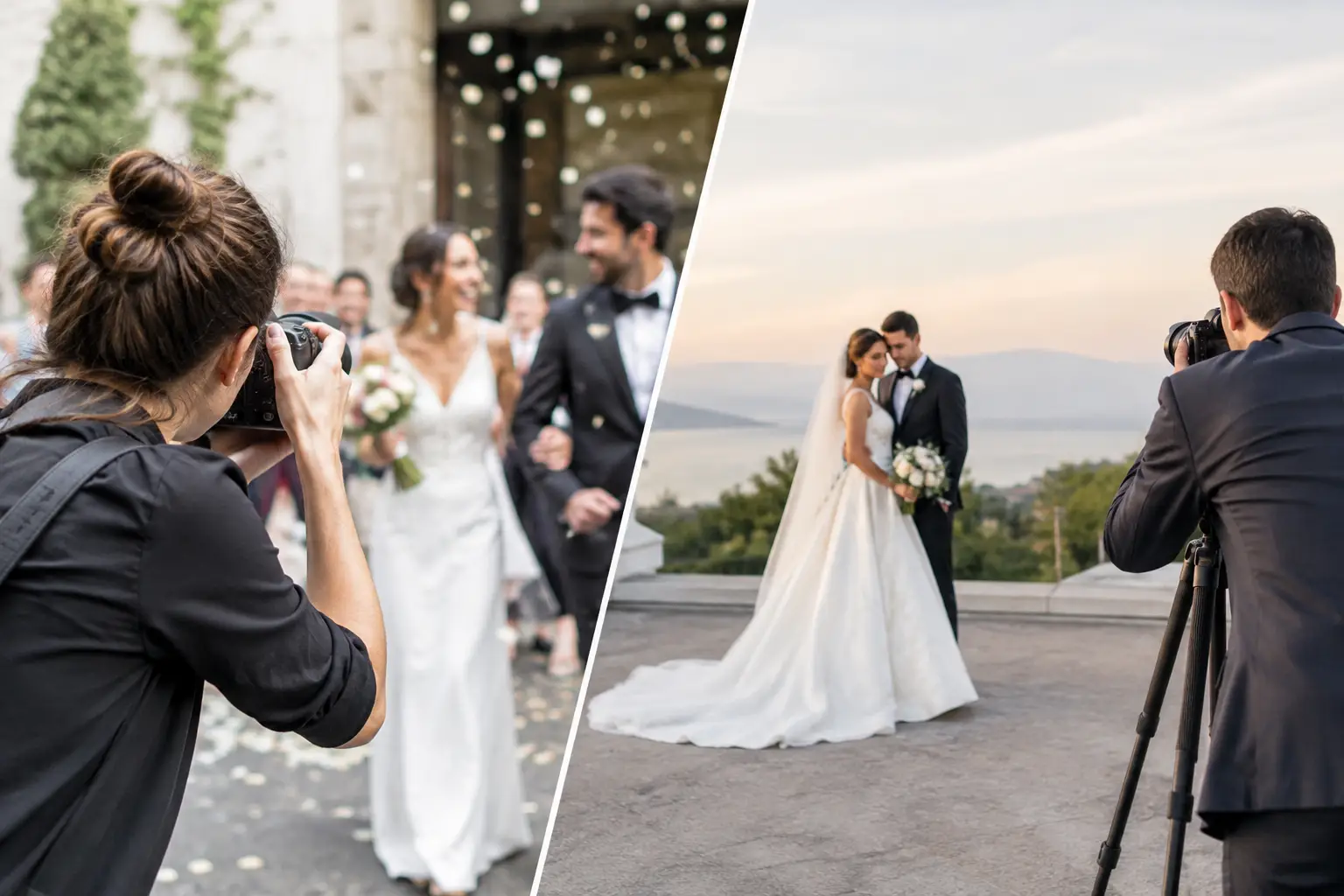

How to Book an Event Photographer With Confidence
The toast that brings a room to silence, a grandparent’s expression during a first dance, the split-second joy of a surprise proposal – these moments cannot be recreated once the evening ends. Knowing how to book an event photographer is less about filling a vendor slot and more about choosing the person responsible for preserving the feeling of the occasion.
For weddings, mitzvahs, nonprofit galas, corporate celebrations, and private milestones in Washington, DC, the right photographer combines artistic instinct with calm, professional preparation. Here is how to make a confident choice.
Start With the Story You Want to Remember
Before comparing packages or requesting availability, define what matters most about your event. A formal awards dinner requires a different approach than an intimate backyard engagement party. A wedding may call for full-day storytelling, while a corporate reception may prioritize guest arrivals, executive portraits, sponsor visibility, and key remarks.
Think beyond a list of shots. Consider the atmosphere you want your images to hold years from now. Do you want photographs that feel candid and energetic? Are family portraits essential? Will there be meaningful traditions, speeches, or surprises that require careful anticipation? A clear sense of priority helps a photographer recommend the right coverage and work with greater intention on the day.
It is also useful to identify the moments that have no second chance. At a proposal, that may be the approach, the question, and the immediate reaction. At a bar or bat mitzvah, it may be a candle-lighting ceremony, a grand entrance, or generations gathered in one frame. Share those details early, but leave room for a skilled photographer to notice the moments you did not plan.
How to Book an Event Photographer: Review the Full Portfolio
A few striking images on social media are not enough to evaluate event photography. Ask to see complete galleries from events similar in size, timing, and setting to yours. A full gallery reveals how a photographer works in difficult light, handles a crowded dance floor, photographs guests of all ages, and tells the story between the headline moments.
Look for consistency. Are the images well exposed in a dim ballroom as well as outdoors in bright afternoon sun? Do the candid photographs feel natural rather than interrupted or overly directed? Are formal portraits polished without appearing stiff? The strongest event coverage moves comfortably between documentary observation and confident guidance when a group photo or editorial portrait is needed.
Style matters, but it should not be the only factor. A dramatic, highly edited image may look impressive on its own while still failing to show whether the photographer can document an entire event with restraint, warmth, and reliability. Timeless photography should still feel true to the people in it.
Ask About Experience That Matches Your Event
Experience is more than the number of years a photographer has held a camera. It is the ability to read a room, anticipate a transition, communicate discreetly with planners and venue teams, and stay composed when a timeline shifts.
Ask whether the photographer has worked at your venue or in comparable environments. Familiarity can be helpful, especially at historic DC venues, hotels, private clubs, and spaces with challenging lighting. However, a photographer does not need to have photographed at your exact location to create exceptional work. Strong professionals arrive prepared, assess the space, and adapt quickly.
For larger celebrations, ask how the team is structured. A second photographer can be valuable when events unfold in multiple places at once, such as separate getting-ready locations, a ceremony with a large guest count, or a gala with simultaneous arrivals and programming. For a small dinner or proposal, one experienced photographer may be the more discreet and appropriate choice.
Have a Real Conversation Before You Commit
Photography is a personal service. The images may be beautiful, but the experience can suffer if communication feels rushed, unclear, or impersonal. A consultation is your opportunity to understand how the photographer listens, advises, and plans.
Come prepared to discuss your date, venue, guest count, schedule, and the overall feel of the event. Be candid about family dynamics, accessibility needs, cultural or religious traditions, privacy expectations, and any guests who should receive particular attention. These details are not minor logistics. They shape how a photographer works with care and discretion.
Pay attention to the questions you are asked in return. A thoughtful photographer will want to know who matters most to you, what you are looking forward to, and where the day may need extra flexibility. The goal is not to turn a celebration into a production. It is to create enough preparation that you can be fully present.
Compare Proposals by Value, Not Just Hours
When reviewing photography proposals, make sure you understand precisely what is included. Coverage time is one element, but it is not the whole investment. Clarify whether the proposal includes a lead photographer, additional photographers, planning consultations, edited high-resolution files, an online gallery, album design, travel, overtime options, and delivery timing.
Pricing often reflects more than time spent at the event. It accounts for pre-event planning, professional equipment and backup systems, image selection and editing, insurance, experience, and the care required to deliver a refined final collection. A lower quote can be appealing, but it may leave out support or services you later find essential.
Ask about the editing approach as well. Event photographs should receive thoughtful color correction and finishing while preserving natural skin tones and the character of the venue. If extensive retouching is important for specific portraits, discuss that expectation in advance rather than assuming it is included.
Confirm the Practical Details in Writing
A professional agreement protects both the client and the photographer. Review it before paying a retainer, and make sure it reflects the details you discussed. It should cover the event date, hours of coverage, payment schedule, cancellation or postponement terms, overtime, delivery expectations, usage rights, and any additional services.
You should also understand the backup plan. Ask what happens if equipment fails, a photographer becomes ill, or weather changes an outdoor plan. No one wants to imagine a problem, but established professionals prepare for them. Backup cameras, multiple memory cards, file protection practices, and a trusted professional network are signs of responsible event coverage.
If your event includes high-profile guests, sensitive corporate content, or children, discuss privacy needs directly. Some clients prefer a gallery with restricted access, while others need clear guidance on image use for marketing, press, or social media. There is no universal answer – the right arrangement depends on the event and its purpose.
Build a Timeline That Leaves Space for Real Moments
Even the best photographer cannot make up for a schedule with no breathing room. Build in realistic time for portraits, transportation, greetings, and transitions. For weddings, this may mean protecting a short window after the ceremony for family photographs or arranging a first look before guests arrive. For corporate events, it may mean scheduling executive portraits before the room fills.
Share the final timeline, addresses, parking instructions, venue contact, planner information, and a concise list of must-photograph people or moments. Keep that list focused. Ten meaningful priorities are more useful than a long checklist that encourages the photographer to look down at notes instead of up at the celebration.
At Rodney Bailey, this planning is treated as part of the creative process. The goal is a well-supported experience that allows authentic moments to unfold naturally, rather than a day dominated by photography.
Trust the Professional You Chose
Once you have chosen a photographer whose work and approach you trust, give them room to do what they do best. Introduce them to the planner, venue coordinator, or a trusted family member who can help locate key people when needed. Then return your attention to your guests and the reason everyone gathered.
The most meaningful photographs are rarely manufactured. They happen when people feel comfortable enough to laugh without checking where the camera is, embrace without being interrupted, and take in a milestone as it happens. Book a photographer who prepares thoroughly, sees generously, and knows that the finest images are often found in the honest seconds between the planned ones.
Related Posts