Wedding Photojournalism vs Traditional Photography
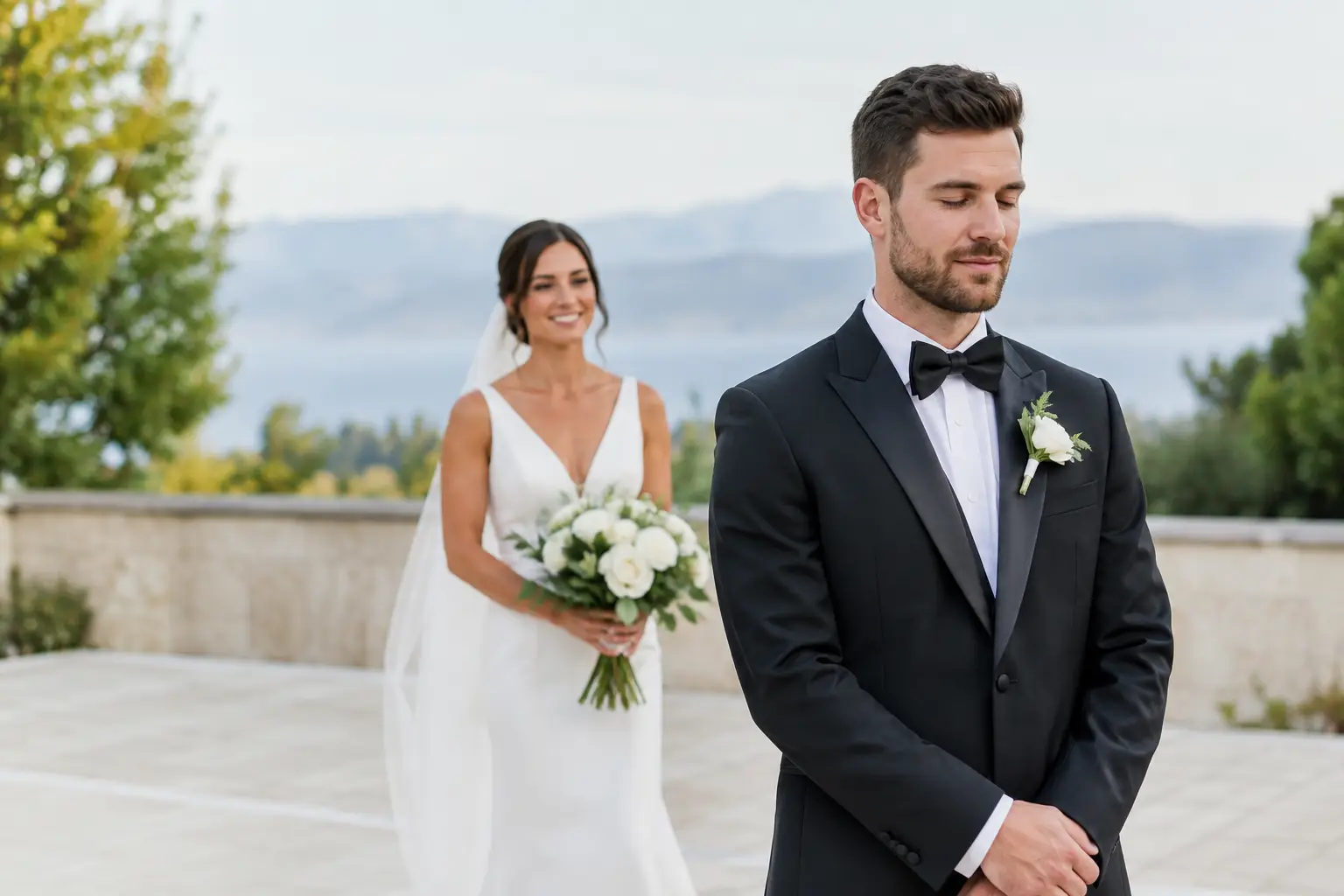
The instant your father sees you in your wedding attire, the room may go silent. A hand reaches for a tissue. Someone laughs through tears. That fleeting exchange is at the center of wedding photojournalism vs traditional photography: one approach prioritizes real life as it unfolds, while the other creates polished, intentional portraits designed to last for generations.
For many Washington, DC-area couples, the best choice is not a strict either-or decision. It is a thoughtful balance shaped around the way they want to experience their day, the people they most want to remember, and the visual legacy they hope to leave behind.
What Wedding Photojournalism Captures
Wedding photojournalism is observational photography with purpose. Rather than directing every moment, the photographer anticipates emotion, watches relationships unfold, and records the unscripted details that give a wedding its character. A glance between newlyweds during the ceremony, grandparents dancing with abandon, a quiet breath before a toast – these images cannot be recreated with the same honesty once the moment has passed.
This style is not simply taking pictures from the sidelines. It requires experience, timing, and a deep awareness of light, composition, and human behavior. A photojournalistic photographer must recognize what is about to happen, move discreetly into the right position, and make an artful image without interrupting the experience.
The result is a collection that feels lived-in rather than performed. When couples look back years later, photojournalistic images often bring back the energy of the day: the anticipation in the suite, the joyful disorder of the dance floor, and the small expressions they may have missed in the moment.
For a celebration at a historic Georgetown venue, an elegant Embassy Row ballroom, or a family estate in Maryland or Northern Virginia, this approach also gives the setting context. The architecture, light, and atmosphere become part of the story without overshadowing the people who made the day meaningful.
Traditional Wedding Photography Has a Different Strength
Traditional wedding photography is built around formal direction and carefully composed portraits. It typically includes family groupings, wedding-party photographs, and classic images of the couple looking toward the camera. These photographs are organized, flattering, and designed to ensure that key people and combinations are documented clearly.
There is real value in that structure. Family portraits may become the photographs most frequently framed, shared, and passed down. Parents and grandparents often appreciate a well-composed image where everyone is present, looking their best, and easy to recognize. A classic portrait of the couple can also be an essential visual record of the occasion.
Traditional does not have to mean stiff. With a confident photographer and a well-planned portrait window, formal photographs can feel elegant and relaxed. Gentle direction can help couples who do not spend their weekends in front of a camera feel comfortable, while thoughtful posing creates natural connection rather than a frozen expression.
The trade-off is time and attention. Extensive formal lists can pull a couple away from guests and reduce the unplanned moments available for candid coverage. That does not make traditional photography the wrong choice. It simply means the schedule needs to reflect its priorities.
Wedding Photojournalism vs Traditional Photography: The Key Differences
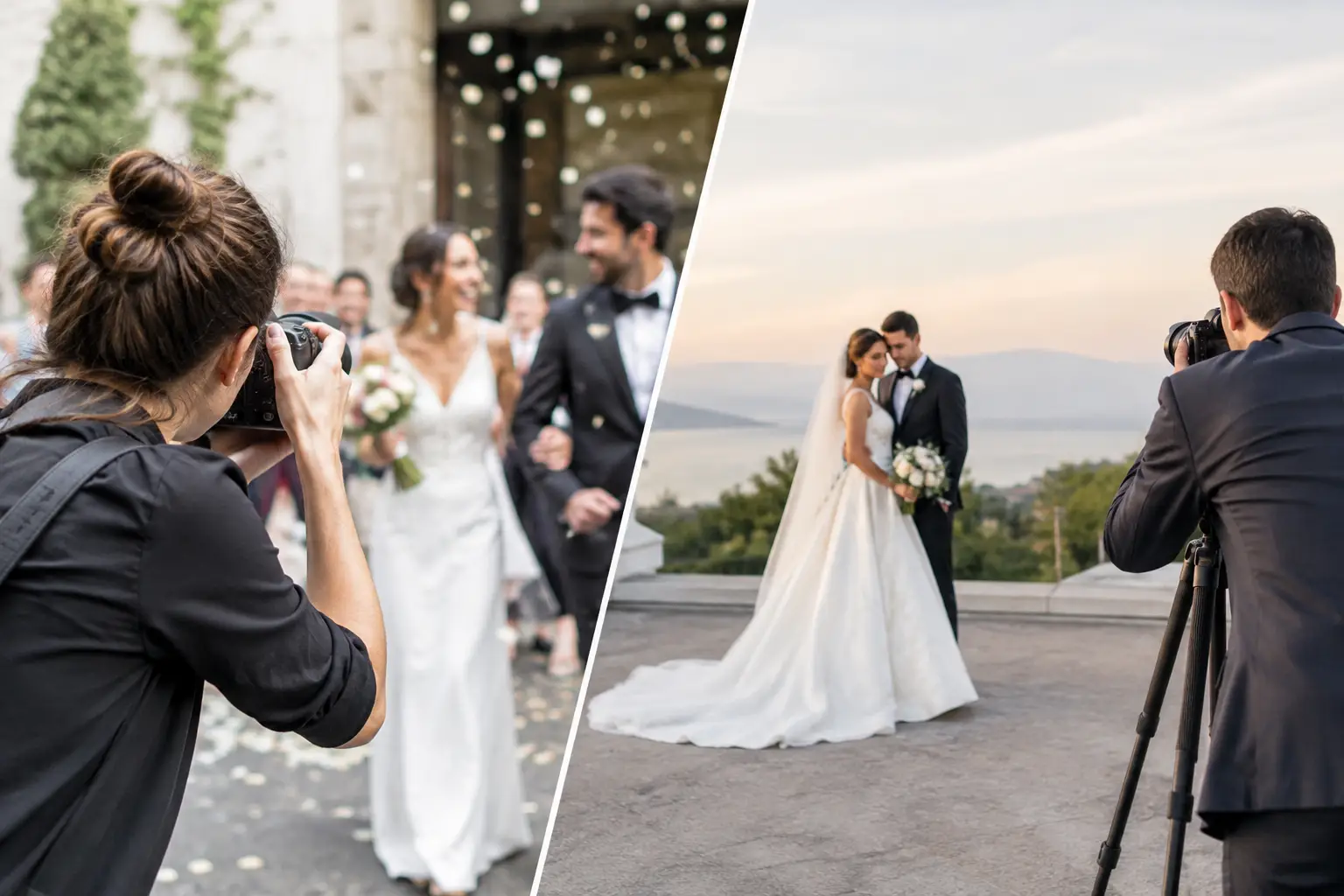
The most practical difference is the photographer’s role. In photojournalism, the photographer is primarily an attentive observer who steps in selectively. In traditional coverage, the photographer leads more actively, organizing people and directing poses to create a specific image.
The pace feels different, too. Photojournalism follows the event’s rhythm. Traditional photography creates pauses within that rhythm for portraits and groupings. Couples who want to spend as much of cocktail hour as possible with guests may prefer a concise family-photo plan and a more candid focus afterward. Couples who value a complete set of formal portraits may happily protect more time for those images.
Neither style is inherently more meaningful or more artistic. A beautifully lit portrait can become an heirloom. So can an unguarded photograph of a mother fastening her daughter’s dress. The question is which kinds of images feel most like your relationship, your family, and your celebration.
Why a Blended Approach Often Serves Couples Best
The strongest wedding collections usually make room for both authenticity and intention. Couples deserve the spontaneous emotional record of the day, along with the portraits that make it easy to see everyone they love together.
At Rodney Bailey, that balance begins with listening. A couple may want a quiet first look documented without interruption, then a short, efficient portrait session that gives them luminous images together before they join cocktail hour. Another couple may have a large multigenerational family and need a more detailed formal portrait plan. The coverage should adapt to the celebration, not force the celebration into a rigid formula.
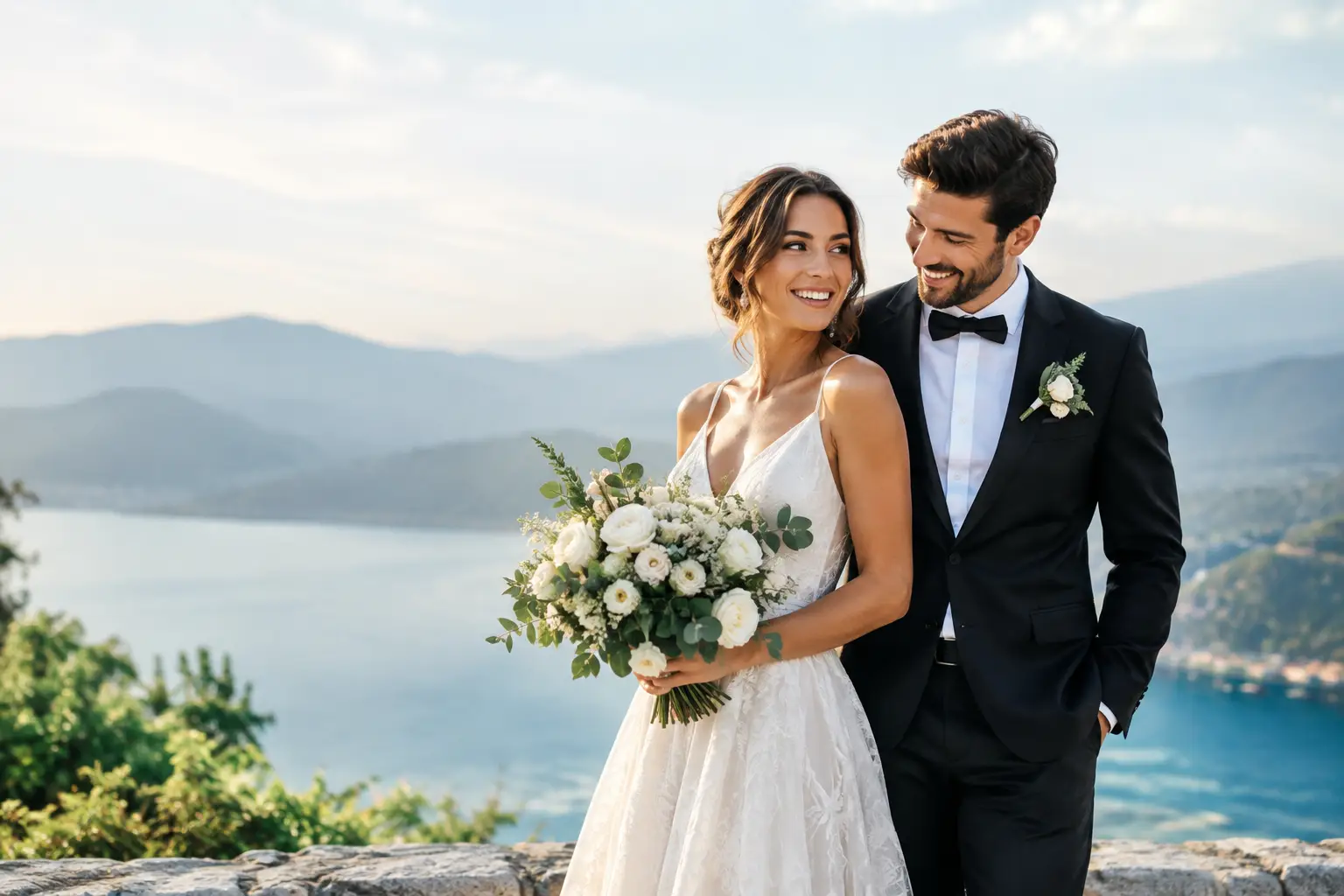
A blended approach commonly includes candid storytelling during preparations, the ceremony, cocktail hour, and reception, with purposeful direction during couple portraits and family formals. It also allows for a few editorial-quality images that reflect the beauty of the venue, attire, florals, and design. Those details matter because they represent decisions made with care, but they should support the narrative rather than replace it.
How to Choose the Right Style for Your Wedding Day
Start with your reaction to real wedding galleries, not just a handful of highlight images. Notice what holds your attention. Are you drawn to guests laughing, parents embracing, and movement on the dance floor? Or do you immediately notice refined posing, symmetry, and magazine-worthy portraits? Your answer will reveal more than any label.
Then consider your comfort level. Couples who feel uneasy about being photographed all day may find photojournalistic coverage especially appealing because it lets them stay present with one another. At the same time, nearly everyone benefits from calm guidance during portraits. A skilled photographer can provide direction without making you feel managed.
Your family dynamics matter as well. If formal photographs are a high priority for parents or if relatives are traveling a long distance, make time for them. Create a concise list of must-have groupings before the wedding, designate a family member who knows everyone, and schedule portraits when the necessary people are available. Preparation keeps this portion of the day gracious and efficient.
Finally, look at your timeline honestly. Winter weddings in DC may require earlier portraits due to limited daylight. A Catholic ceremony with a later reception may create a longer gap for portraits. A first look can offer flexibility, while couples who prefer to wait until the ceremony may need to reserve time afterward. Photography style and timeline should be planned together, not treated as separate decisions.
Questions to Ask a Wedding Photographer
When reviewing photographers, ask to see complete galleries from weddings similar in size, season, and lighting conditions to yours. A portfolio shows style; a full gallery shows consistency. Pay attention to how the photographer handles dim receptions, mixed indoor light, emotional family moments, and formal group portraits.
It is also useful to ask how the photographer approaches direction. Will they help you feel at ease during portraits? How do they organize family formals? How do they work unobtrusively during a ceremony? Their answers should be specific and reassuring, not vague promises that every image will be candid or every moment will be perfectly posed.
Ask about the planning process, too. Exceptional images begin well before the wedding day. A photographer who understands your priorities, venue flow, family considerations, and schedule can make better creative decisions when the day moves quickly.
The photographs that endure are rarely the ones that merely prove an event happened. They are the ones that return you to the feeling of it: the people who gathered, the joy that surfaced unexpectedly, and the unmistakable way you looked at each other. Choose a photographer whose work gives you confidence that those memories will be preserved with both artistry and care.
Related Posts