A Washington DC Wedding Photography Guide
A wedding in Washington is rarely contained in one room. It may begin with quiet anticipation in a Georgetown townhouse, move through a ceremony beneath soaring architecture, and end with a packed dance floor overlooking the monuments. This Washington DC wedding photography guide is designed to help you make thoughtful choices around those moments, so your photographs feel personal, polished, and true to the celebration you planned.
The most memorable wedding images are not created by asking a couple to perform for the camera all day. They come from a photographer who understands light, timing, family dynamics, and the pace of a real wedding – then knows when to step forward with direction and when to quietly let a moment unfold.
Start With the Story You Want to Remember
Before discussing shot lists or locations, consider how you want the day to feel when you look back on it in twenty years. Some couples want an editorial sense of place, with Washington landmarks and architectural details woven through the gallery. Others care most about a parent seeing their child in wedding attire, the hand squeeze before walking down the aisle, or the unrestrained joy of friends on the dance floor. Most want both.
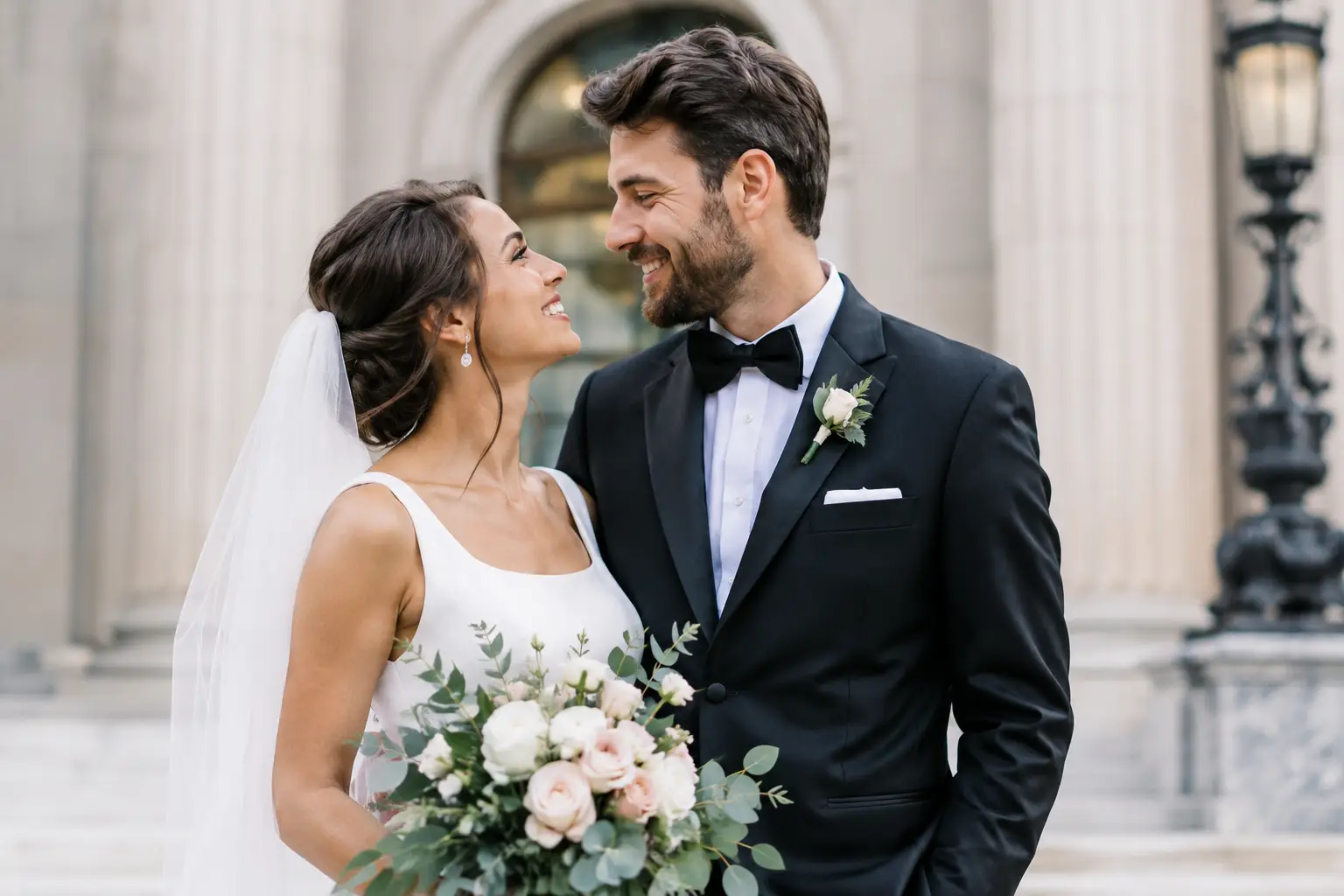
A strong photographer can create elegant portraits without turning the wedding into a prolonged production. The goal is not to eliminate posed photographs. Family formals and couple portraits matter, especially when they are the images that will be framed, gifted, and returned to for decades. The difference is in the approach: thoughtful guidance, efficient organization, and enough breathing room for genuine expression to surface.
Share the priorities that are specific to your family and your relationship. A beloved grandparent, a cultural tradition, an heirloom, a private first look, or a surprise reception performance may deserve more attention than another variation of a standard detail photograph. Those conversations give your photographer the context to recognize what matters before it happens.
Choose a Washington, DC Venue With Photography in Mind
Washington offers an extraordinary range of wedding settings: historic estates in Maryland, refined ballrooms downtown, waterfront venues along the Potomac, intimate restaurants, private clubs, museums, and Virginia vineyards within reach of the city. Every venue has a visual character, but it also has practical photographic considerations.
Look at the spaces where the day will actually occur. A ceremony room with windows may be beautiful at noon but challenging after sunset if the lighting is mixed. A dramatic ballroom can photograph beautifully when its lighting is designed with people in mind, not just the room. Ask to see your venue at the same time of day as your event, if possible, and pay attention to window direction, ceiling height, wall color, and available space for family portraits.
Outdoor ceremonies bring a different set of variables. Washington summers can be humid, while spring and fall weather can change quickly. A rain plan should be more than an unused line in a contract. It should be a space you would genuinely feel comfortable using, with enough room for guests and enough light for natural-looking images. Clear umbrellas can be useful, but a confident plan is more valuable than any prop.
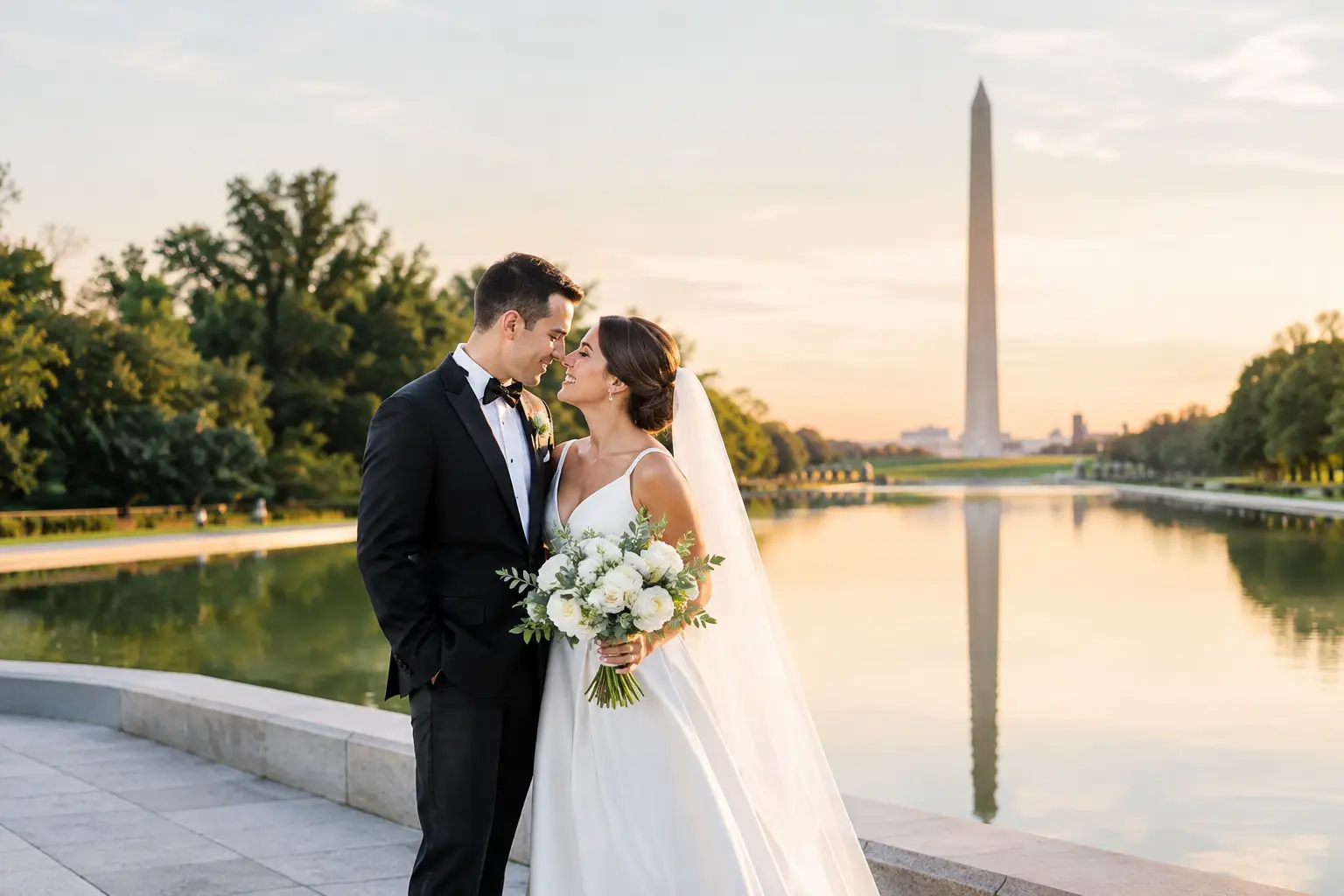
If you are hoping for portraits at the Lincoln Memorial, the U.S. Capitol area, or another recognizable location, build in extra time and verify current access, permit requirements, and security restrictions well before the wedding. These locations can be visually spectacular, but crowds, traffic, and event activity are real trade-offs. A skilled local photographer can help you decide whether the landmark is worth the logistical investment or whether your venue and its surroundings offer a more relaxed alternative.
The Value of a Nearby Portrait Location
A beautiful portrait location does not need to be famous. A quiet garden, a marble staircase, a tree-lined street, or an architectural detail near the venue can produce photographs with more ease than a cross-city trip. Keeping portraits close protects time for cocktails, greetings, and the spontaneous interactions couples often value most.
Build a Timeline That Leaves Room for Real Moments
Photography timelines succeed when they are realistic, not when every minute is filled. Hair and makeup frequently run late. Transportation in Washington can be unpredictable. Relatives may be difficult to gather precisely when needed. A well-built schedule anticipates those facts without making the day feel rigid.
Start formal family photographs shortly after the first look, if you are having one, or immediately after the ceremony. Provide your photographer with names and groupings in advance, and assign one family member from each side to help locate people. This small step can save considerable time and keeps the process calm for everyone involved.
Couple portraits need enough time to settle in. Twenty focused minutes can be more productive than an hour spent moving between locations. If you want sunset images, check the actual sunset time for your date and protect a short window in the reception schedule. In winter, that window may arrive during cocktail hour. In June, it may fall much later, after dinner has begun. The right solution depends on your priorities and the flow of the celebration.
Consider the value of a first look honestly. It can create more time for portraits and allow you to attend more of cocktail hour. It can also offer a quiet, private pause before the ceremony. But it is not required for meaningful photographs. Couples who prefer to see each other for the first time during the ceremony can still have a calm, complete photography plan with intentional scheduling afterward.
Ask How Your Photographer Works in Changing Light
Washington weddings often move through several lighting environments in a single day: soft window light during preparations, bright sun outside the ceremony, warm interior light during dinner, and low light on the dance floor. Technical skill matters because the final gallery should feel cohesive even when the conditions do not.
Ask to see full wedding galleries, not only highlights. A portfolio shows artistic perspective; a complete gallery reveals consistency. Look for flattering skin tones, composed family portraits, emotional candids, and reception photographs that preserve the atmosphere without making the room look artificially bright or overly dark.
It is also worth asking how a photographer uses flash. Flash should support the feeling of the evening, not flatten it. During a lively reception, well-placed light can preserve movement, color, and energy while still allowing the room to feel like the room you chose.
Plan Family Portraits With Care, Not Excess
Family formals are a gift to future generations, and they do not need to consume an hour of the wedding. Keep the list focused on the combinations that truly matter. Immediate family, grandparents, siblings, and a few meaningful extended-family groupings are often enough.
Tell everyone involved where and when portraits will happen. When family members understand that photographs are a short, scheduled part of the day, they are more likely to arrive promptly and remain present. Choose a location with clean light, a simple background, and easy access for older relatives or anyone with mobility considerations.
Let the Reception Be Documentary
The reception is where photojournalistic storytelling becomes especially valuable. Toasts reveal family history. Parents watch their children from the edge of the dance floor. Friends who have not gathered in years find one another between courses. These images cannot be recreated with a prompt.
An experienced wedding photographer reads the room and stays alert to relationships, not just events. That awareness is particularly important at large celebrations, where the most meaningful moments often happen beyond the center of attention. At Rodney Bailey, the approach is built around anticipating those honest interactions while bringing the same care to the portraits that become family heirlooms.
You can help by protecting the rituals that matter to you. If a special dance, cultural tradition, or surprise toast is planned, make sure the photography team and planner know in advance. If you want uninterrupted time on the dance floor, release yourself from the expectation of constantly posing. The candid images will be stronger because you were fully there.
A Washington DC Wedding Photography Guide to Selecting the Right Fit
Style matters, but trust matters more. Your photographer will be present during intimate, emotional, and occasionally unpredictable parts of the day. Look for someone whose work you admire and whose communication makes you feel understood. The right fit brings calm direction when it is needed, works respectfully with your planner and venue team, and has the experience to adapt when conditions shift.
Ask practical questions about coverage, second photographers, image delivery, albums, and backup planning. Then listen for the quality of the answers. Premium service is not only about beautiful finished photographs. It is about careful preparation, steady judgment, and the confidence that your celebration is being handled with care.
Your wedding photographs should do more than show where you were. They should return you to the feeling of the room, the people who filled it, and the small expressions that passed in an instant. Choose a plan and a photographer that leave space for those moments. They are often the ones that matter most.
Related Posts