How Many Pictures Does a Wedding Photographer Take?
A wedding day moves fast. One minute you are stepping into your attire, the next you are hearing toasts, greeting family, and realizing the dance floor is already full. That is why couples so often ask, how many pictures does a wedding photographer take? It is a fair question, but the better answer is rarely a single number.
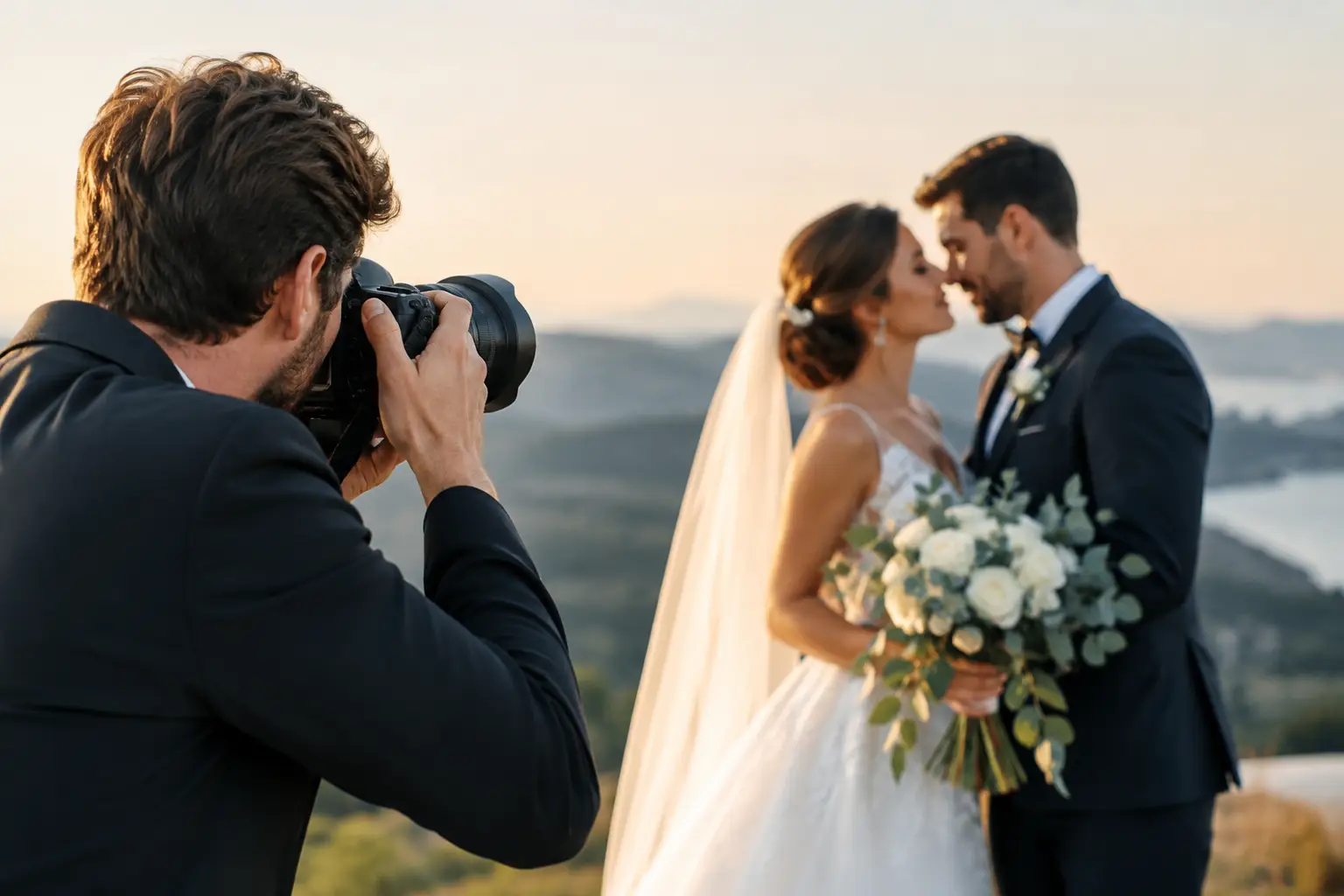
Most professional wedding photographers take anywhere from 2,000 to 6,000 photos over the course of a full wedding day, sometimes more for large celebrations with multiple photographers. The final delivered gallery is much smaller, often in the range of 500 to 1,200 carefully edited images. The exact number depends on coverage time, guest count, the pace of the event, how many locations are involved, and the photographer’s shooting style.
For couples planning a wedding in Washington, DC, Northern Virginia, or Maryland, the real goal is not a high raw file count. It is complete, elegant storytelling with no important moment missed.
How Many Photos Do Wedding Photographers Typically Capture?
For an 8 to 10 hour wedding, a single experienced lead photographer may capture roughly 2,500 to 4,000 frames. Add a second photographer, and that total often rises to 4,000 to 6,000 or more. Larger guest lists, active dance floors, and multi-location timelines naturally increase the number.
That may sound like a huge volume, but weddings create constant motion. A photographer is not simply documenting the ceremony and a few portraits. There are reactions, transitions, details, wide room scenes, quiet in-between moments, family interactions, and dozens of fleeting expressions that happen in seconds.
An experienced photojournalistic photographer also shoots with intent. That means working proactively enough to preserve real moments as they unfold, while also being selective about what ultimately belongs in the finished story.
Why the number varies so much
No two weddings run the same way, which is why image counts can differ dramatically from one event to the next.
Coverage length
This is the most obvious factor. Six hours of coverage will usually produce fewer images than ten or twelve hours. More time means more transitions to document, more guest candids, and more opportunities for storytelling.
One photographer or two
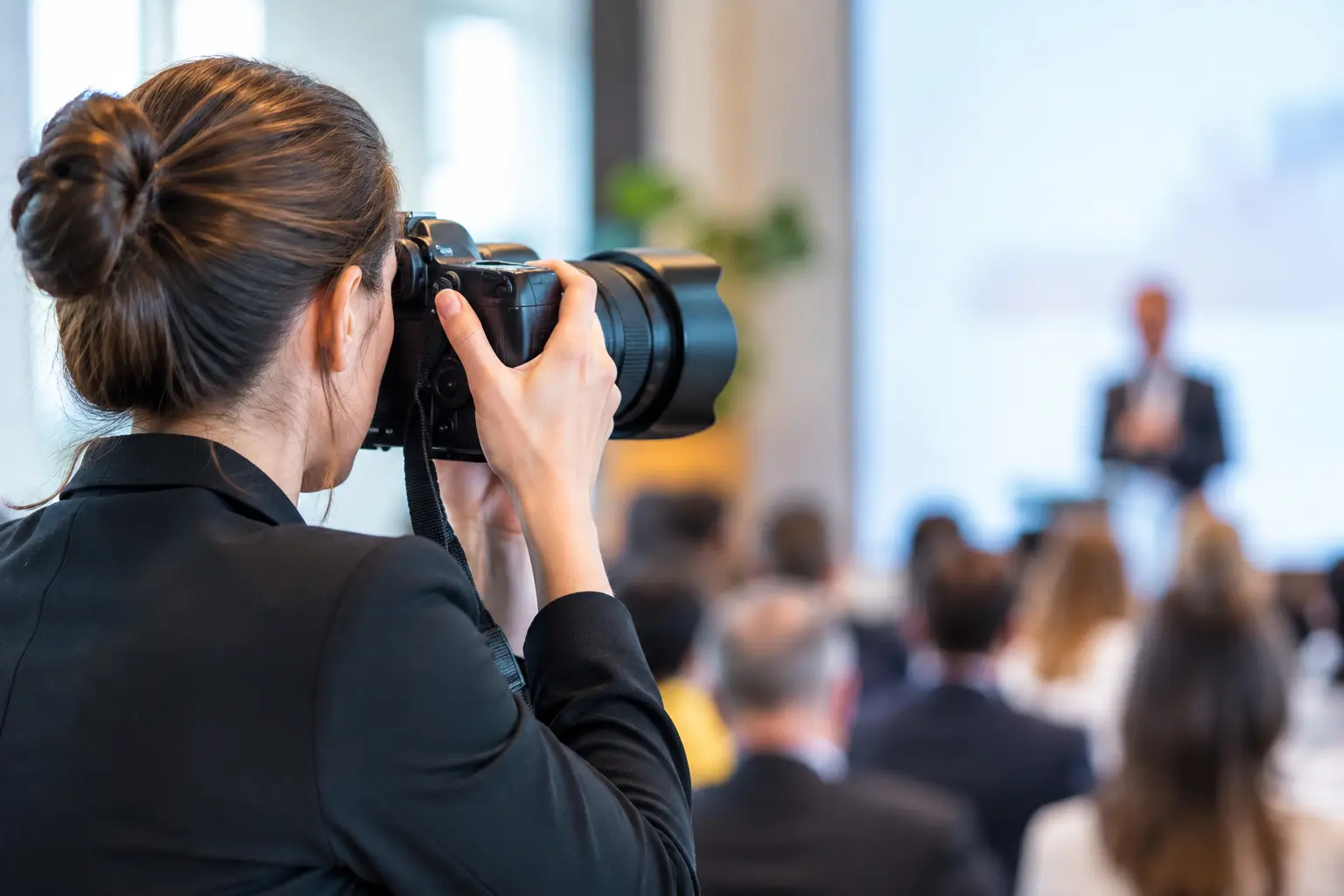
A second photographer does not just add volume. It adds coverage from another perspective at the same moment. While one photographer focuses on the processional, the other may capture the parents’ reactions. While one covers cocktail hour details, the other can photograph guests arriving and embracing. That expanded perspective often leads to a richer final gallery.
Size and complexity of the event
An intimate wedding with 40 guests naturally unfolds differently than a 300-person ballroom celebration. More guests create more interactions, more layers of activity, and more photographic opportunities. A wedding with separate venues for preparation, ceremony, and reception will also generate more visual variety than a single-location event.
Style of coverage
A heavily posed approach often results in fewer total frames than a documentary-forward approach. Photographers who prioritize candid storytelling typically shoot more because they are following unscripted moments in real time. That does not mean spraying the shutter carelessly. It means anticipating emotion and movement rather than relying primarily on static setups.
Cultural and family traditions
Some weddings include extended tea ceremonies, ketubah signings, baraats, multiple outfit changes, receiving lines, or large family portrait groupings. These traditions are meaningful and visually rich, and they add both shooting volume and gallery depth.
How many photos do you actually receive?
This is where expectations matter. Couples sometimes hear that thousands of photos were taken and assume all of them will be delivered. That is not how professional wedding photography works.
A photographer shoots in sequences to capture the strongest expression, cleanest composition, and best moment. If a hug unfolds over five frames, you do not need all five in your gallery. You need the one where the emotion is most present and everyone looks their best.
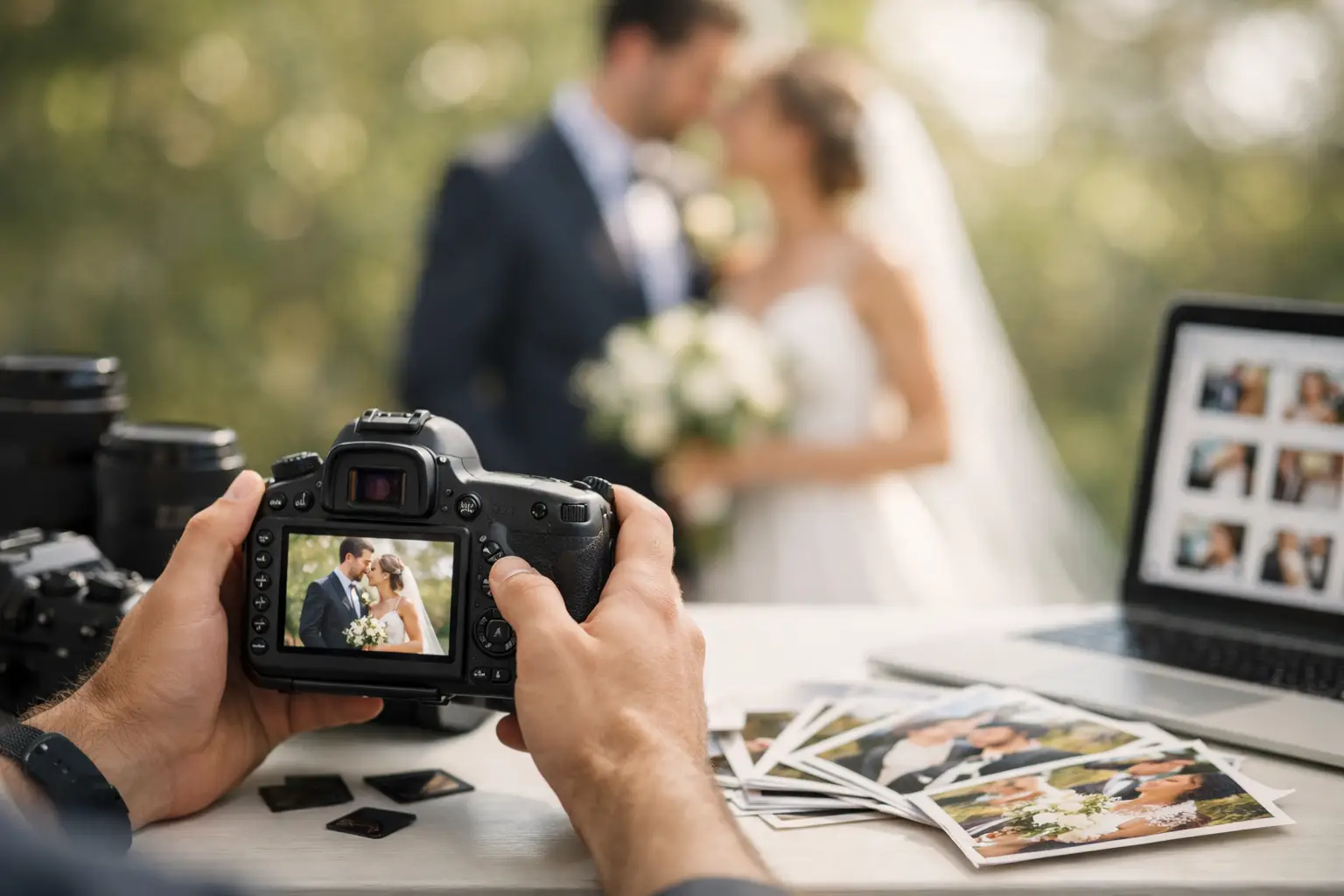
Most couples receive a curated final collection rather than every exposure made that day. For full-day coverage, that often lands somewhere between 500 and 1,200 edited images. Some galleries may be slightly smaller and more tightly refined. Others may be larger, especially for extended celebrations with multiple photographers.
The right question is less about raw quantity and more about whether the delivered images tell the story fully. A strong gallery should feel complete, not padded.
What matters more than the number of photos
When couples ask how many pictures does a wedding photographer take, they are usually trying to understand value. That makes sense. Photography is one of the few parts of a wedding that remains long after the day is over.
Still, image count alone is a poor measure of quality.
A gallery with 1,000 repetitive images is less valuable than a gallery with 700 exceptional ones. What matters is whether the photographer captured the emotional arc of the day, the important relationships, the atmosphere of the setting, and the moments you never even saw happen in real time.
That includes the obvious milestones, but also the subtle details that make a wedding personal. A parent steadying their nerves before the ceremony. The look between partners just after the recessional. The spontaneous laughter during toasts. The full room energy once the party begins.
At a premium level, clients are not simply hiring someone to produce volume. They are hiring someone to make refined decisions under pressure and to translate a once-in-a-lifetime event into a cohesive visual story.
Does more shooting mean better coverage?
Not necessarily. There is a balance.
A photographer who shoots too little may miss moments. A photographer who shoots constantly without discipline may create an overwhelming archive with too much redundancy. Experience shows in knowing when to anticipate, when to wait, and when a moment has fully arrived.
This is especially true during ceremonies and receptions, where discretion matters. The best coverage feels attentive, not intrusive. It captures real emotion without turning the event into a production.
That balance is one reason established studios with deep wedding experience tend to deliver stronger, more consistent galleries. They know how to work quickly, read a room, collaborate with planners, and adapt to changing light and timing without losing focus.
Questions worth asking your photographer
If you are comparing photographers, it helps to move past the broad question of total image count and ask more useful ones.
Ask how many edited images are typically delivered for a wedding similar in size and timeline to yours. Ask whether the coverage includes one photographer or two. Ask how they approach candid moments versus portraits. Ask to see full galleries, not just highlights, so you can judge consistency from start to finish.
You can also ask how they handle family formals, low-light receptions, weather shifts, and compressed timelines. Those answers often tell you more about the likely quality of your final gallery than any promised number ever could.
For many couples, peace of mind comes from seeing evidence that the photographer can document both the big moments and the quiet ones with equal care.
A realistic expectation for most weddings
If you want a simple benchmark, here it is. A professional wedding photographer may take a few thousand photos during the day and deliver several hundred to over a thousand finished images, depending on the event. That range is normal. It is not a sign that one photographer is generous and another is withholding. It usually reflects different coverage styles, culling standards, and event realities.
At Rodney Bailey, the emphasis has always been on authentic storytelling rather than inflating numbers for their own sake. The value is in preserving the day with artistry, accuracy, and emotional intelligence.
When you look back at your wedding photographs years from now, you will not be counting frames. You will be looking for feeling, memory, and the people who mattered most, exactly as they were.
Related Posts