How Long Engagement Sessions Last for Great Photos
An engagement session should feel less like an appointment and more like an unhurried evening together. The strongest images often happen after the first few minutes, when the camera becomes less noticeable, your shoulders relax, and your natural connection takes center stage. That is why couples planning how long engagement sessions last are asking a smart question: time directly affects both the experience and the photographs you take home.
For most couples, an engagement session lasts 60 to 90 minutes. That window gives your photographer enough time to create a thoughtful variety of images without turning a meaningful celebration into an exhausting production. It allows for a gentle warm-up, a few shifts in location or background, and space for genuine moments that cannot be rushed.
How Long Engagement Sessions Last, on Average
A one-hour engagement session is often ideal for couples who want a refined, focused collection of photographs in one primary area. In Washington, DC, that might mean choosing a neighborhood with visual range—perhaps Georgetown’s cobblestone streets, the steps and gardens near a favorite landmark, or a setting with water, architecture, and quieter corners all within walking distance, particularly when working with an engagement photographer in Washington DC.
Ninety minutes provides more breathing room. It is especially helpful if you would like two distinct looks, want to move between nearby locations, or prefer a session that unfolds at a more relaxed pace. The extra time is not about taking hundreds of nearly identical portraits. It is about allowing room for movement, conversation, and the small in-between expressions that make an image feel personal.
Sessions can extend to two hours when the plan calls for it. A larger area, a meaningful second location, travel between sites, a wardrobe change, or a proposal-adjacent celebration may justify a longer timeline. The right duration depends on the story you want to tell, not a one-size-fits-all rule.
Why a Full Hour Matters
Most people do not arrive at a photo session feeling completely at ease in front of a camera. That is normal. The first 10 to 15 minutes are often about settling in: walking together, learning simple direction, and finding a rhythm with your photographer.
An experienced photographer does not need to turn that process into a series of stiff poses. A little guidance can create flattering light, natural posture, and a strong composition while leaving room for your real personalities. By the middle of the session, couples are typically more comfortable laughing, talking, and responding to one another. That is where photojournalistic engagement photography becomes especially meaningful.
A shorter session can work beautifully, but it leaves less margin for real life. A delayed Metro ride, a busy street, a sudden breeze, or a crowded landmark can all affect the pace. Sixty to 90 minutes protects the experience from feeling hurried.
The Details That Can Change Your Timeline
Location is the biggest variable. A single, well-chosen setting with several nearby backgrounds usually fits comfortably into one hour. A session that begins at the Lincoln Memorial and ends in Georgetown, however, needs additional time for transportation, parking, and the practical realities of moving through DC.
The time of day matters just as much. Many couples choose the hour before sunset for its softer, more flattering light. In popular public locations, that period can also bring heavier foot traffic. A longer session gives your photographer the flexibility to work around crowds and wait for a clean, quiet moment when it makes sense.
Wardrobe changes can add variety, but they also require planning. If you are changing in a car or a nearby venue, allow at least 15 to 20 minutes that is separate from photography time. For many couples, one polished, comfortable outfit is enough. Two looks can be worthwhile when they reflect genuinely different sides of your style, such as a tailored city look followed by something more relaxed and personal.
Season and weather also play a role. A crisp fall afternoon may allow for a longer walk and several outdoor backdrops. A humid Washington summer evening or a cold January morning may call for a tighter plan, with a warm indoor stop or less travel between locations. Excellent photographs do not require discomfort. They require a plan that works for the conditions and for you.
What You Can Expect During the Session
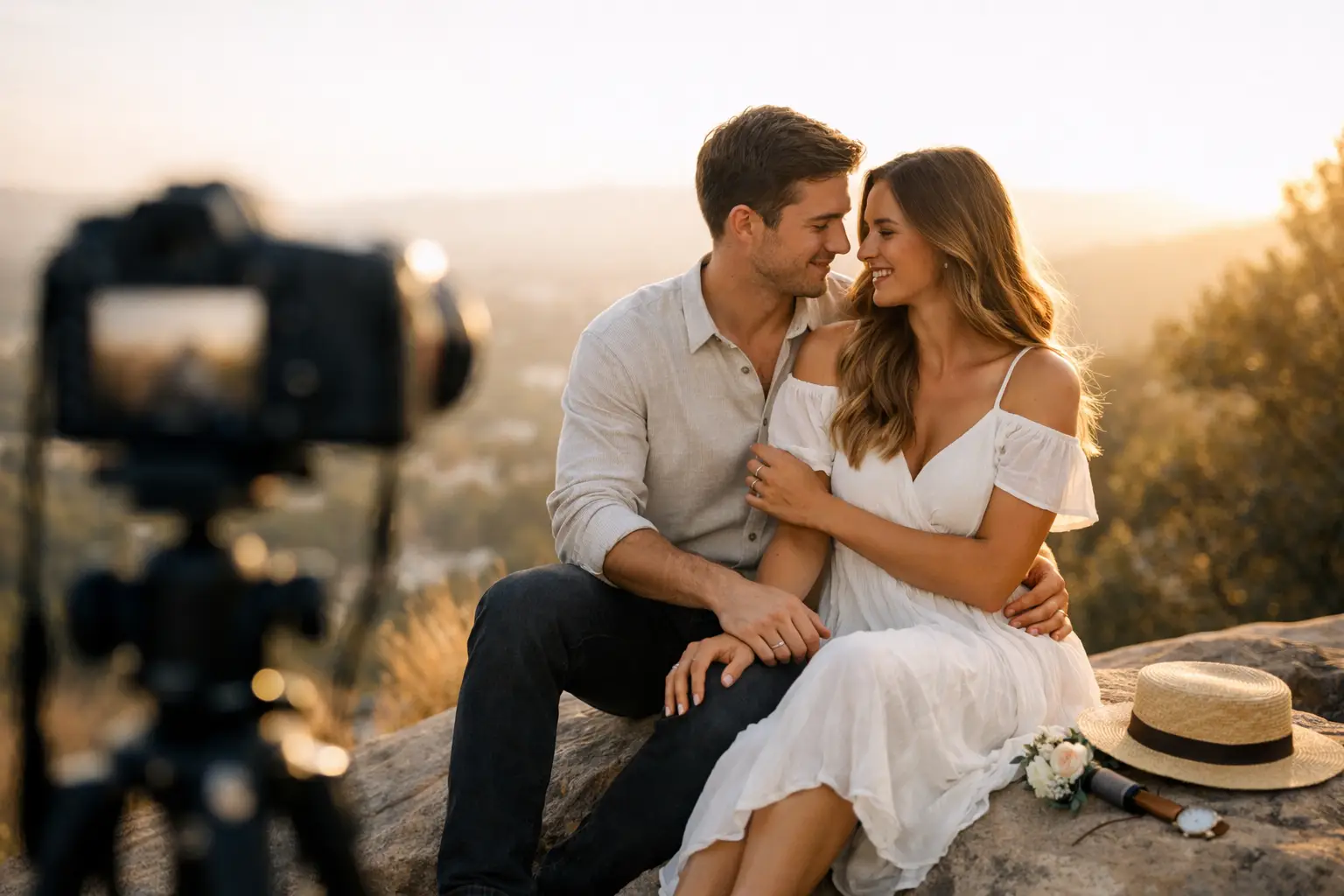
A well-paced engagement session usually begins with easy movement rather than formal portraits. You may be asked to walk, pause near beautiful light, look at one another, or simply talk. The goal is not to manufacture every expression. It is to create an environment where authentic moments have space to happen.
As the session develops, your photographer can vary the visual story. Some images may feel editorial and architectural, showing the energy of the city or the significance of a meaningful setting. Others may be close and quiet, focused on a hand held tightly, an unplanned smile, or the way you look at each other when the world around you fades away.
Near the end, there is often time to capture a few requests, revisit a favorite spot, or make use of the changing light. Couples who build in this flexibility tend to enjoy the experience more because they are not watching the clock at every turn.
Choosing Between a 60- and 90-Minute Session
A 60-minute session is a strong choice when your vision is simple and location-focused. It works well for couples who are comfortable keeping the plan streamlined, wearing one outfit, and staying within a compact area. The resulting gallery can still feel varied and complete when the location is selected thoughtfully.
Choose 90 minutes if you value a more leisurely experience or want a wider range of imagery. This is often the better fit for couples using their photographs for save-the-dates, a wedding website, framed artwork, or a guest book. It also suits those who want both a polished portrait and the candid, movement-filled photographs that emerge once the session feels effortless.
Longer is not automatically better. An extra hour without a clear purpose can create fatigue, particularly during warm weather or a busy week. The best timeline balances variety with energy. Your engagement photographs should reflect the excitement of this season, not how long you managed to stand in front of a camera.
How to Make the Most of Your Time
The most effective preparation happens before the session begins. Select a location with personal relevance or strong visual character, then plan to arrive 10 to 15 minutes early. In DC, leave extra room for traffic, parking, and event-related street closures. Starting calm makes a visible difference in your photographs.
Wear clothing that feels elevated but still allows you to move naturally. You should be able to walk, sit, lean in, and hold one another without constantly adjusting a jacket, dress, or shoes. Coordinate rather than match exactly, and consider the colors and textures of your location.
Most of all, resist the urge to perform. You do not need to know how to pose or rehearse a perfect expression. Trust the process, stay present with each other, and let your photographer handle the details of light, composition, and timing. With more than 30 years of experience documenting celebrations, Rodney Bailey Photography approaches engagement sessions as a chance to create images that feel both beautifully composed and unmistakably yours, particularly for engagement photography in Washington DC.
Your engagement is a brief, remarkable chapter before the wedding day arrives. Give it enough time to breathe. A session planned with care will leave you with more than a set of portraits – it will preserve the ease, anticipation, and connection you will want to remember for years.
Related Posts