Why Wedding Photographers Are So Expensive
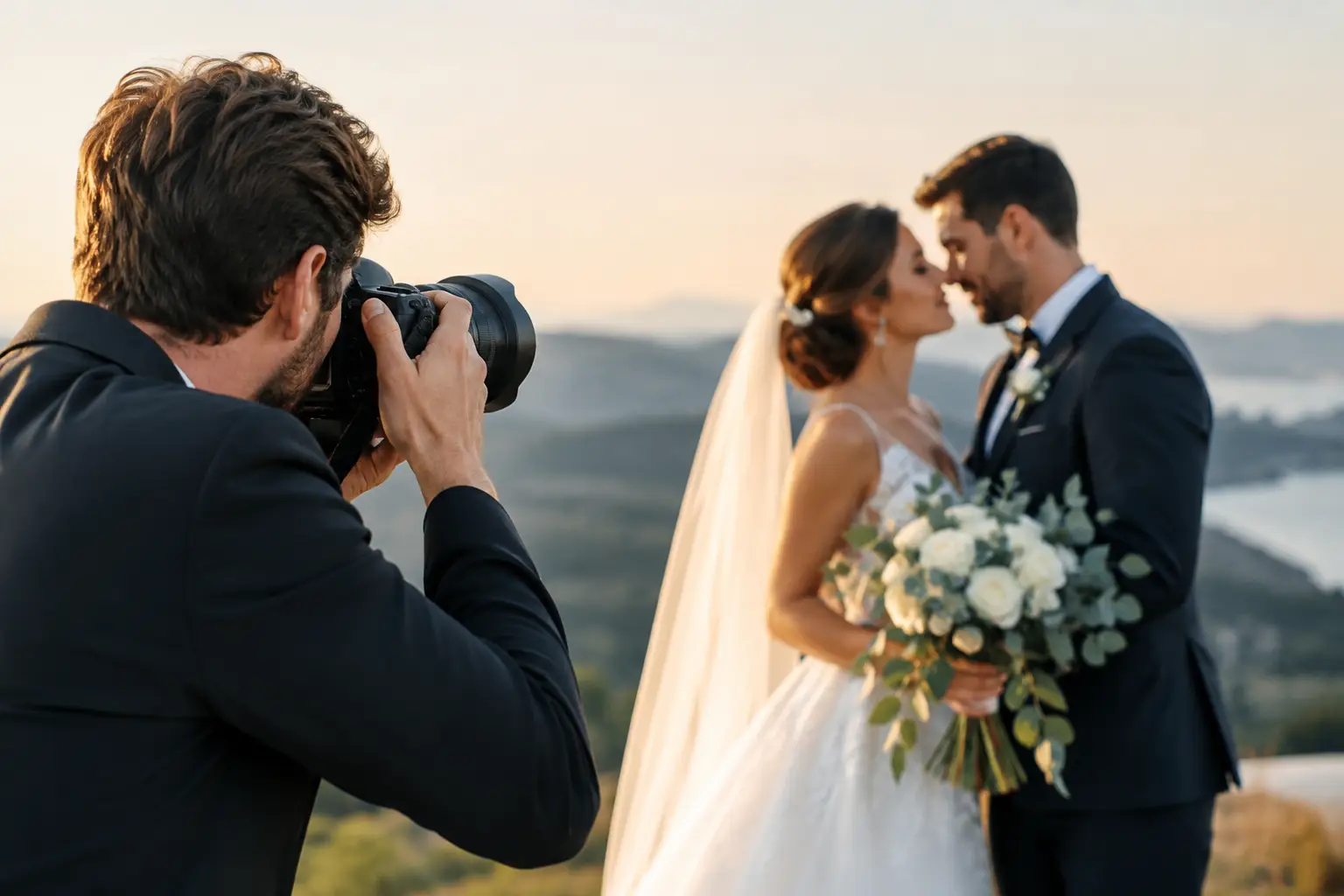
A wedding day moves fast. One minute, you are getting ready with your closest people. A few hours later, the ceremony is over, the room is glowing, and moments you waited months to experience have already passed. That is exactly why wedding photographers are so expensive – they are not simply showing up with a camera. They are being trusted to preserve a once-in-a-lifetime story as it unfolds in real time, without retakes.
For many couples, photography is one of the largest line items in the wedding budget, and it can be surprising at first. If someone is photographing for eight or ten hours, why does the investment feel much larger than a day rate? The short answer is that you are paying for far more than the wedding day itself. You are paying for experience, judgment, preparation, post-production, professional-grade equipment, consistency under pressure, and the ability to create images that still feel meaningful decades from now.
Why wedding photographers are so expensive in the first place
The biggest misconception is that wedding photography is priced around hours worked on the event day. In reality, the visible part of the job is only one portion of the service.
A seasoned wedding photographer spends substantial time before the event learning your priorities, building a timeline, coordinating with planners and venues, understanding family dynamics, scouting light and locations, and preparing gear backups. After the wedding, there are many more hours spent culling thousands of frames, color-correcting, editing, organizing files, delivering galleries, designing albums, and archiving images properly.
That means a wedding collection is not priced like a shift. It is priced like a specialized creative service with high stakes and a long production timeline.
You are paying for experience under pressure
Weddings are one of the most demanding environments in photography. There are no do-overs for the first look, the vows, the ring exchange, or a parent wiping away tears during toasts. A photographer has to anticipate moments before they happen, adjust instantly to changing light, work around tight schedules, and stay calm when the day becomes unpredictable.
Experience matters because it reduces risk. A newer photographer may produce beautiful images in ideal conditions, but weddings rarely unfold in ideal conditions from start to finish. Churches can be dim. Ballrooms can have mixed lighting. Outdoor ceremonies can shift from bright sun to cloud cover in minutes. Family formals can become compressed when the timeline slips. A true professional knows how to adapt without making that stress visible to the couple.
That confidence comes from photographing hundreds of events, not from owning a camera or posting a few strong images online.
The work starts long before the ceremony
One reason why wedding photographers are so expensive is that preparation is built into the service, whether clients see every detail or not.
A thoughtful photographer does not walk in cold. They review the timeline carefully, identify potential pressure points, discuss family combinations, note important cultural or religious traditions, and align with the planner, videographer, and venue team. For clients in the Washington, DC area, that can also mean understanding logistics at private clubs, historic venues, museums, embassies, houses of worship, and city locations where access, lighting, and timing all require a different approach.
This planning work protects the experience as much as the images. It helps the day feel smooth, discreet, and well managed.
Editing is where much of the artistry happens
A wedding gallery is not created in camera alone. Professional editing is a major part of the final result and one of the clearest answers to why wedding photographers are so expensive.
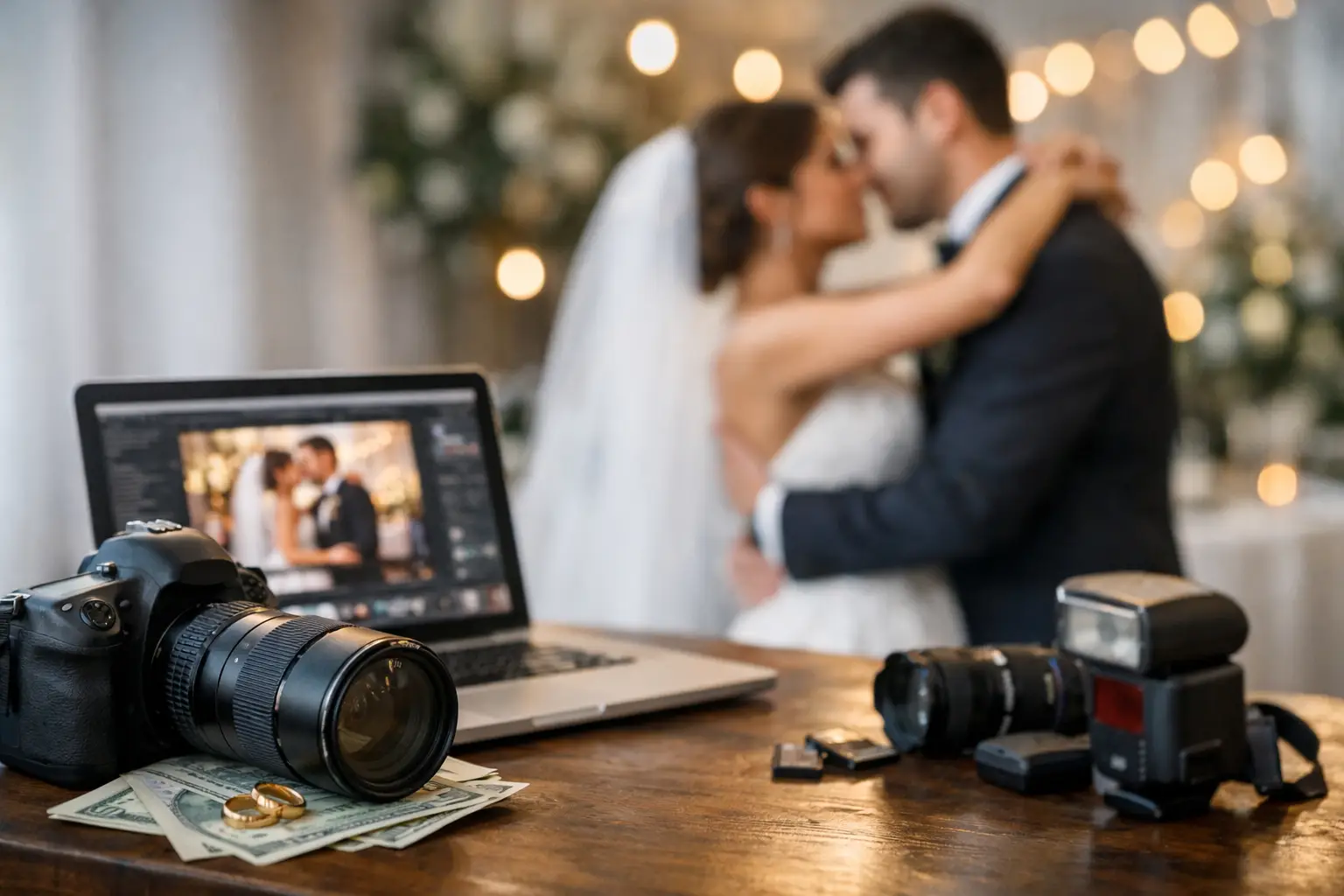
After a wedding, photographers sort through thousands of images to identify the strongest frames, remove duplicates and unflattering expressions, and shape the story into a cohesive collection. Then comes color correction, exposure balancing, cropping, black-and-white conversions where appropriate, and detailed retouching for selected portraits.
Good editing does not call attention to itself. It simply makes the gallery feel polished, consistent, and timeless. Skin tones look natural. Indoor and outdoor images feel cohesive. Emotional moments have visual clarity. That level of refinement takes both time and trained judgment.
Professional equipment is expensive, and backups are not optional
A premium wedding photographer typically works with multiple professional camera bodies, a range of lenses, lighting equipment, memory cards, batteries, storage systems, and calibrated editing monitors. More importantly, they carry backups for nearly everything.
That redundancy is part of the service. If a camera body fails, the coverage continues. If a lens has an issue, there is another ready. If files need to be protected, there are backup workflows in place. Clients are not paying only for the gear itself. They are paying for reliability and risk management.
There is also ongoing maintenance, insurance, software, secure file storage, album production management, and equipment replacement as technology evolves. These are real business costs, and they directly support quality and continuity.
Great wedding photography is part art, part judgment
Many people can take a nice photo. Far fewer can document a wedding with consistency, emotional intelligence, and storytelling restraint.
A strong wedding photographer knows when to direct and when to step back. They understand composition, light, timing, body language, and pacing. They can create elegant portraits efficiently, then disappear into the background to capture candid moments naturally. They also know how to photograph different personalities, family dynamics, and room energy without forcing the day into a generic template.
This is especially important for couples who want images that feel authentic rather than overly posed. The best photojournalistic coverage depends on observation, anticipation, and trust. That is a creative skill set developed over years.
Service is part of the investment too
With premium photography, clients are not just buying pictures. They are buying the full experience of working with a professional who communicates clearly, shows up prepared, dresses appropriately, respects the flow of the event, and supports the people involved.
That matters more than many couples realize at the beginning. A wedding photographer is present for intimate, emotional, and high-pressure parts of the day. They may be with you during quiet moments before the ceremony, family groupings after the vows, and the energy of the reception when schedules tighten and emotions run high. The right photographer brings calm, discretion, and confidence to all of it.
For boutique studios, personalization also takes time. Tailored planning, responsive communication, and thoughtful delivery are part of what distinguishes a premium service from a volume-based operation.
Not all pricing reflects the same thing
Wedding photography pricing varies for a reason. Some photographers are newer and building a portfolio. Some work with a high-volume model and spend less time per client. Some include fewer hours, less editing, or no album design. Others bring decades of experience, a refined aesthetic, sophisticated service, and a track record of performing at a high level across many different kinds of weddings and events.
Higher pricing does not mean every photographer is right for every couple. Budget matters, and so do priorities. But when comparing options, it helps to ask what is actually included and what level of consistency the photographer can deliver under real wedding conditions.
That is often where the difference becomes clear.
What couples are really investing in
When couples ask about cost, they are often trying to answer a deeper question: will this feel worth it years from now?
The answer usually depends on how much value they place on memory, artistry, and peace of mind. Flowers are beautiful. Music shapes the celebration. Food and decor matter. But photography is one of the few investments that remains long after the event is over. It becomes the visual record of people, relationships, and moments that cannot be recreated.
For many families, those photographs grow more valuable with time. They hold not only how the day looked, but how it felt.
That is why couples looking for exceptional coverage often choose an experienced studio with a long-standing reputation for authenticity, discretion, and consistent results. In a market like Washington, DC, where expectations are high and celebrations are often layered with meaning, that level of trust matters.
The price of wedding photography can seem high until you consider the responsibility behind it. You are asking someone to perform creatively and technically at a very high level, on a fixed day, under changing conditions, while preserving moments that become part of your family history. When viewed through that lens, the investment starts to make sense.
If you are weighing photography options, the most useful question is not simply why it costs what it costs. It is whether the person behind the camera has the experience, vision, and care to make those images matter for the rest of your life.
Related Posts