
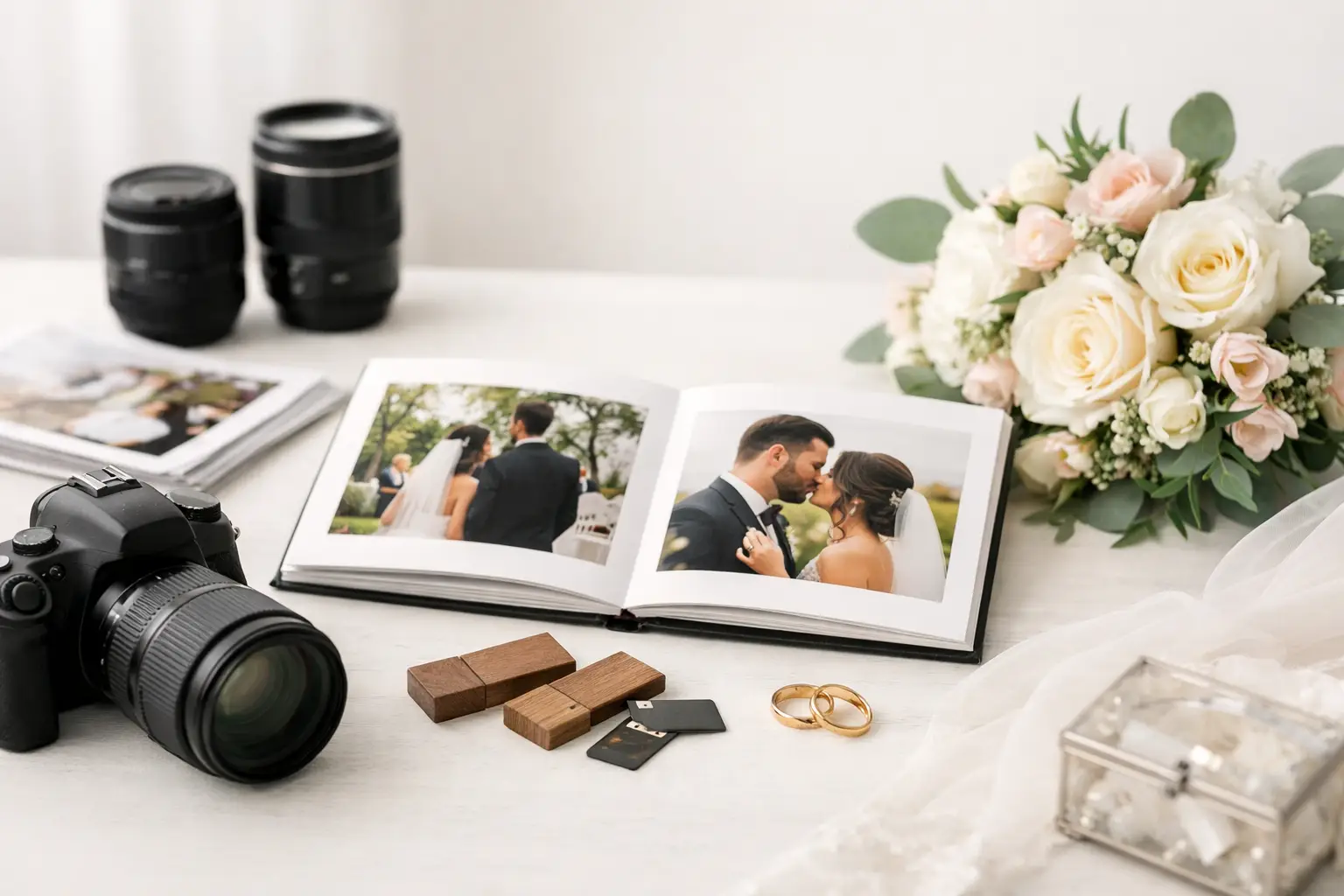
Wedding Photography Packages Explained
Most couples do not start by asking how many hours of coverage they need. They start with a feeling. They want to remember the look on a parent’s face during the ceremony, the energy of the dance floor, the quiet breath before walking down the aisle. That is why wedding photography packages matter so much. They are not just pricing structures. They are decisions about what parts of the story will be preserved, how fully it will be documented, and how supported you will feel throughout the process.
In a premium market like Washington, DC, couples quickly see that packages can look similar on paper while delivering very different experiences. One photographer may offer eight hours, an online gallery, and a second shooter. Another may offer the same headline features but approach the day with a more editorial style, less personal guidance, or a less experienced team. The package is important, but the way it is executed is what shapes the final result.
What wedding photography packages usually include
At the most basic level, wedding photography packages are built around time, coverage, and deliverables. Time usually refers to the number of hours your photographer is present. Coverage speaks to how much of the wedding story is documented, from getting ready through the reception. Deliverables include edited images, albums, prints, galleries, and sometimes engagement sessions.
For many couples, the first instinct is to compare packages only by number of hours and price. That is understandable, but it can be misleading. Eight hours with a seasoned photojournalistic team that knows how to anticipate moments, work discreetly, and create natural portraits efficiently is not the same as eight hours with a less experienced vendor. Experience changes everything, especially on a wedding day where the pace can shift quickly and there are no second chances.
You may also see packages that include one photographer versus two. That choice depends on the scale and structure of your celebration. If both partners are getting ready in separate locations, if your guest count is substantial, or if your event includes many moving parts, a second photographer often adds real value. Not because more is always better, but because some weddings genuinely benefit from broader visual coverage.
How much coverage do you really need?
This is where the most useful conversations happen. The right package is rarely the biggest one or the least expensive one. It is the one that fits your timeline and priorities.
If you care deeply about the full emotional arc of the day, shorter coverage can feel limiting. Getting ready often holds some of the most personal photographs. Cocktail hour captures guest interactions you may never witness yourself. Late reception coverage preserves the joy, movement, and release that define the celebration once formalities are over. Couples sometimes book less coverage to stay within budget, then later realize they have asked the photographer to skip meaningful chapters of the day.
That said, not every wedding needs all-day coverage. A smaller city wedding, a brunch reception, or a celebration with a streamlined timeline may be served beautifully by a more focused package. The question is not what is standard. The question is what story you want told.
A shorter package can work when
A shorter package makes sense when your wedding is intentionally concise, when events are taking place in one location, or when portraits and family photography have been planned efficiently, particularly for Washington DC wedding photography. It can also work well for intimate weddings where fewer variables mean less time is needed to document the day comprehensively.
A fuller package often makes sense when
Longer coverage is usually the better fit when the wedding includes multiple locations, a larger guest count, extensive decor, cultural traditions, or a reception that is central to the experience. It also tends to be worthwhile when photography is one of the top priorities, not just another vendor line item.
Why package pricing varies so much
The wide range in wedding photography pricing is not random. It reflects differences in experience, artistic consistency, service level, and the amount of work before and after the event.
A trusted photographer is not simply showing up with a camera. You are paying for judgment under pressure, the ability to read light quickly, direct portraits without making them feel forced, manage timelines diplomatically, and produce a cohesive body of work that feels timeless rather than trendy. You are also paying for editing, curation, archival systems, insurance, professional equipment, and client service.
In the luxury and upper-middle market, personalization also plays a major role. Some studios offer a very hands-on planning experience, custom timeline guidance, album design support, and a more tailored approach to how the day is photographed. That level of attention can make the entire experience smoother, especially for busy professionals planning a wedding while balancing demanding careers.
The deliverables that add real value
Not every included item carries the same importance. Digital files matter, of course, but they are not the only measure of value.
Albums remain one of the most meaningful deliverables in any package. A well-designed wedding album turns hundreds of photographs into a finished story that lives beyond a screen. It becomes part of the family record. For many couples, an album feels optional during planning and essential afterward.
Engagement sessions can also be more valuable than they first appear. They give couples a chance to become comfortable in front of the camera, build rapport with the photographer, and understand how direction will feel on the wedding day, particularly when working with a Washington DC wedding photographer. That comfort often leads to more natural, confident photographs later.
Rush delivery, rehearsal dinner coverage, additional photographers, and fine art prints can be worthwhile depending on your priorities. The key is to choose additions that improve either the story being captured or your long-term enjoyment of the images, rather than selecting extras simply because they sound generous.
What to ask before choosing between wedding photography packages
The smartest questions go beyond what is included. Ask how the photographer approaches the day. Ask how portraits are kept natural and efficient. Ask how family groupings are organized without taking over the celebration. Ask whether the person you meet is the person photographing your wedding.
It is also wise to ask to see full wedding galleries, not just highlights. A portfolio shows what is possible at its best. A full gallery shows consistency across lighting conditions, locations, and fast-moving moments. That consistency is often what separates a strong package from a truly dependable one.
For DC-area weddings especially, local experience matters more than couples sometimes realize. Ballrooms, historic venues, private clubs, embassies, museums, and tented estates all present different lighting and logistical demands. A photographer who knows the region and has worked across these environments can often move with greater confidence and efficiency.
Packages should fit the wedding, not force it
A good package creates structure. A great package still leaves room for customization.
Some couples want extensive pre-ceremony coverage because the anticipation is important to them. Others care more about staying through the final hour of the reception. Some prioritize an engagement session in Georgetown, while others would rather direct those resources toward an heirloom album. The strongest studios understand that no two weddings have the same rhythm.
That flexibility is especially important for multicultural weddings, multi-day celebrations, or events with significant ceremonial traditions. A rigid package may look simple, but it can leave gaps where it matters most. Thoughtful customization allows the photography to follow the event naturally instead of compressing the event to fit a preset offering.
Rodney Bailey has long been known in Washington for this kind of tailored, story-first approach, where the package supports the day rather than dictating it.
The best value is not always the lowest number
When couples talk about value, they are usually talking about confidence. They want to know they chose someone who will notice the fleeting moments, work gracefully with guests and planners, and deliver images that feel as meaningful in twenty years as they do now.
That is why the best wedding photography packages are about more than coverage hours and line items. They reflect a photographer’s ability to preserve the atmosphere, relationships, and emotional truth of the celebration. If the work feels authentic, the experience feels polished, and the service feels personal, the investment tends to make sense.
As you compare options, pay attention to what makes you feel understood. The right package should not feel like a generic bundle. It should feel like a thoughtful fit for your wedding, your priorities, and the story you want to keep.
Related Posts