10 Top Proposal Photo Ideas That Feel Natural
The best proposal photographs are rarely the ones with the most elaborate backdrop. They are the images that hold the pause before the question, the astonishment after it, and the way you look at each other when the rest of the world seems to disappear. The right top proposal photo ideas do not turn a deeply personal moment into a production. They give it room to unfold naturally while preserving every meaningful detail.
For couples planning a proposal in Washington, DC, Northern Virginia, or Maryland, the setting can be extraordinary, from iconic monuments to quiet gardens and favorite neighborhood streets, particularly when working with a Washington DC proposal photographer.
Still, location is only one part of the story. A successful proposal photo plan considers light, privacy, logistics, and most of all, what will feel true to the two of you.
What Makes a Proposal Photograph Memorable?
A proposal is different from an engagement session. There is no repeat take for the moment the question is asked, which is exactly why preparation matters. The strongest images balance careful planning with enough flexibility to capture a real reaction rather than direct one.
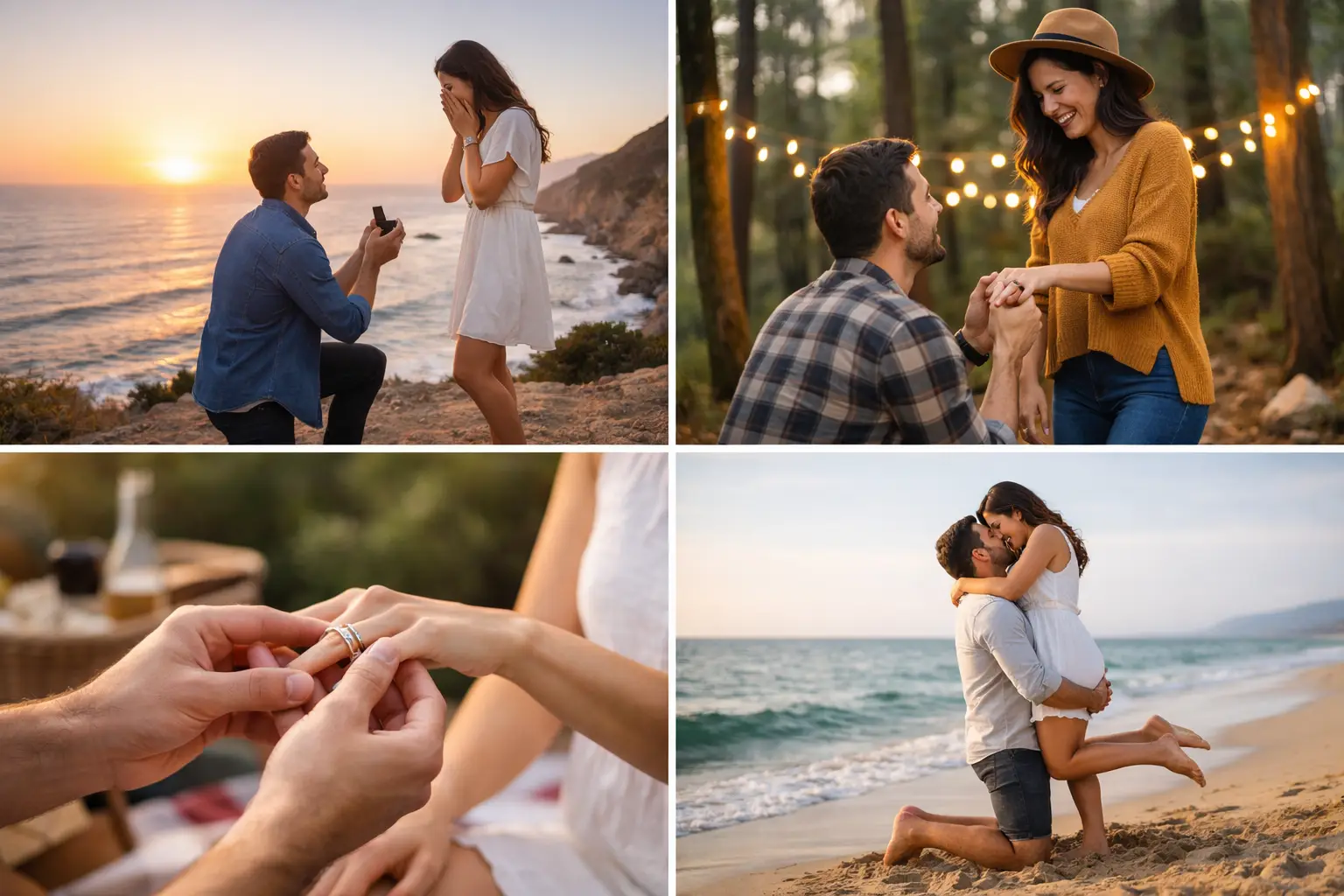
Think beyond the kneeling photograph. A complete proposal story includes the approach, the anticipation, the immediate embrace, the ring on a shaking hand, and the laughter that often follows the happy tears. It may also include the friends and family waiting nearby, a celebratory toast, or a quiet walk together after the surprise has settled in.
10 Top Proposal Photo Ideas for Real Reactions
1. Choose a setting with personal history
A first-date restaurant, the park where you walk your dog, a favorite museum, or the neighborhood where you built a life together can be more meaningful than a landmark chosen only for its visual appeal. Personal locations tend to relax both of you, and that ease comes through in photographs.
If the location is visually simple, that is not a drawback. A skilled photographer can use architecture, light, and composition to create beautiful images while the significance of the place gives the story its emotional depth.
2. Use a landmark, but make it your own
Washington, DC offers exceptional settings, including the Lincoln Memorial, the Tidal Basin, the National Gallery of Art area, Georgetown, and the U.S. National Arboretum. These places can create a sense of occasion without requiring an overly elaborate setup.
The trade-off is that popular locations can be crowded. Plan for an early weekday morning, a quieter nearby vantage point, or a composition that minimizes visual distractions. A recognizable destination should frame your moment, not compete with it.
3. Plan around the light, not just the schedule
Soft morning light and the hour before sunset are especially flattering, but the right choice depends on the setting and the surprise. A sunrise proposal may offer privacy and a calm atmosphere. A sunset proposal brings warmth and romance, though it often comes with more people in the background.
For an indoor proposal, window light can be just as beautiful. A hotel suite, private dining room, or home filled with natural light may produce photographs that feel intimate and timeless, especially during colder months or unpredictable weather.
4. Create a believable reason to be there
The most natural reactions happen when your partner is genuinely surprised. Build the proposal into a plan that makes sense for your relationship: an anniversary dinner, a walk before brunch, a visit from out-of-town friends, or a family portrait session.
Avoid a story that feels too complicated to manage. If you need to remember several precise cues, carry decorations, and coordinate a large group without raising suspicion, the logistics can begin to overshadow the experience. Simple, well-considered plans are often the most effective.
5. Let the photographer document the approach
The approach is one of the most overlooked parts of proposal coverage. A photographer positioned discreetly can capture the two of you walking in, holding hands, talking, or taking in the view before either person knows what is about to happen.
Those images provide context that the proposal itself cannot. They show the ordinary, affectionate moment just before life changes, which makes the final sequence feel more like a story than a single portrait.
6. Give the reaction time to breathe
After asking, resist the instinct to immediately look toward the camera or move into a planned pose. Stay in the moment. Hug, laugh, cry, talk, and take a few seconds to admire the ring.
The emotion after the question is often as powerful as the question itself. Giving yourselves a little unhurried space creates the candid images couples tend to value most years later.
7. Include loved ones in a second reveal
A hidden group of family members or close friends can add another meaningful chapter to the proposal. They might be waiting around the corner, watching from a discreet distance, or arriving moments after the question has been asked.
This idea works best when the couple values a shared celebration. For someone who would prefer a private proposal, plan the gathering afterward instead. There is no universal right answer. The best choice reflects the person being proposed to, not social media expectations.
8. Add a small, meaningful detail
A handwritten letter, a favorite bottle of champagne, flowers from a local florist, or a playlist tied to your relationship can enrich the experience without overwhelming it. These details photograph beautifully because they tell viewers something specific about you.
Keep the visual elements intentional. A proposal with too many signs, balloons, props, and competing colors can pull attention away from the expressions that matter most. One or two thoughtful details usually have more impact than a crowded scene.
9. Plan a short portrait session after the surprise
Once the initial emotion has settled, set aside 15 to 30 minutes for relaxed portraits nearby. You will be dressed for the occasion, glowing from the moment, and far more at ease than you may expect.
This is the ideal time for the classic ring photograph, a wider view of the location, and a few editorial-style images that still feel authentic. It also ensures you have a balanced collection: genuine photojournalistic moments paired with polished portraits you may want to share or print.
10. Build in a weather backup that still feels special
Rain does not have to derail a proposal, but it does require a confident alternative. Consider a covered terrace, a museum-adjacent space, a refined hotel interior, or a private home with good window light. If you decide to embrace the weather, clear umbrellas and a willingness to be spontaneous can create remarkably romantic images.
The key is to make the backup plan feel chosen rather than second-best. When everyone understands the plan in advance, weather becomes a creative consideration instead of a source of stress.
How to Plan the Photography Without Spoiling the Surprise
Discretion begins with a detailed conversation before proposal day. Share the exact location, preferred arrival route, approximate timing, a recent photo of both of you, and a description of what you will be wearing. If a particular pose or moment matters to you, such as getting down on one knee with a specific view behind you, communicate that beforehand.
A simple signal is also helpful. You might straighten your jacket, place a hand on a railing, or pause at a designated spot. The photographer should know where to be and how to recognize the moment without calling attention to their presence.
Build a timing cushion into the plan. Traffic, parking, crowds, and delayed reservations are common in the DC area. Arriving early gives everyone flexibility and allows the photographer to assess the light and find a discreet position. If the proposal is at a publicly managed venue, confirm photography policies and any permit requirements well ahead of time.
At Rodney Bailey, this kind of preparation is informed by more than 30 years of documenting milestone celebrations. The goal is not to direct your proposal from the sidelines. It is to anticipate the scene well enough that the photographs feel effortless when the moment arrives.
A Few Choices Worth Making Before Proposal Day
Decide whether you want a completely candid experience or a lightly guided one after the question.
Some couples want the photographer to remain unnoticed until after the proposal, particularly when working with a Washington DC proposal photographer.
Others prefer a quick introduction immediately afterward so they can move comfortably into portraits. Both approaches work well when expectations are clear.
Also consider what happens after the photographs end. A reservation, a private celebration, or time alone together provides a natural finish to the day. If friends and family are involved, designate one person to coordinate their arrival so you are free to focus on your partner rather than the schedule.
Most of all, choose an idea that sounds like the two of you. A quiet proposal on a favorite walk can be every bit as moving as a grand gesture at a landmark. When the plan honors your relationship, the photographs will carry that truth long after the surprise becomes a cherished story you tell together.
Related Posts