How Candid Event Photos Happen at Great Events
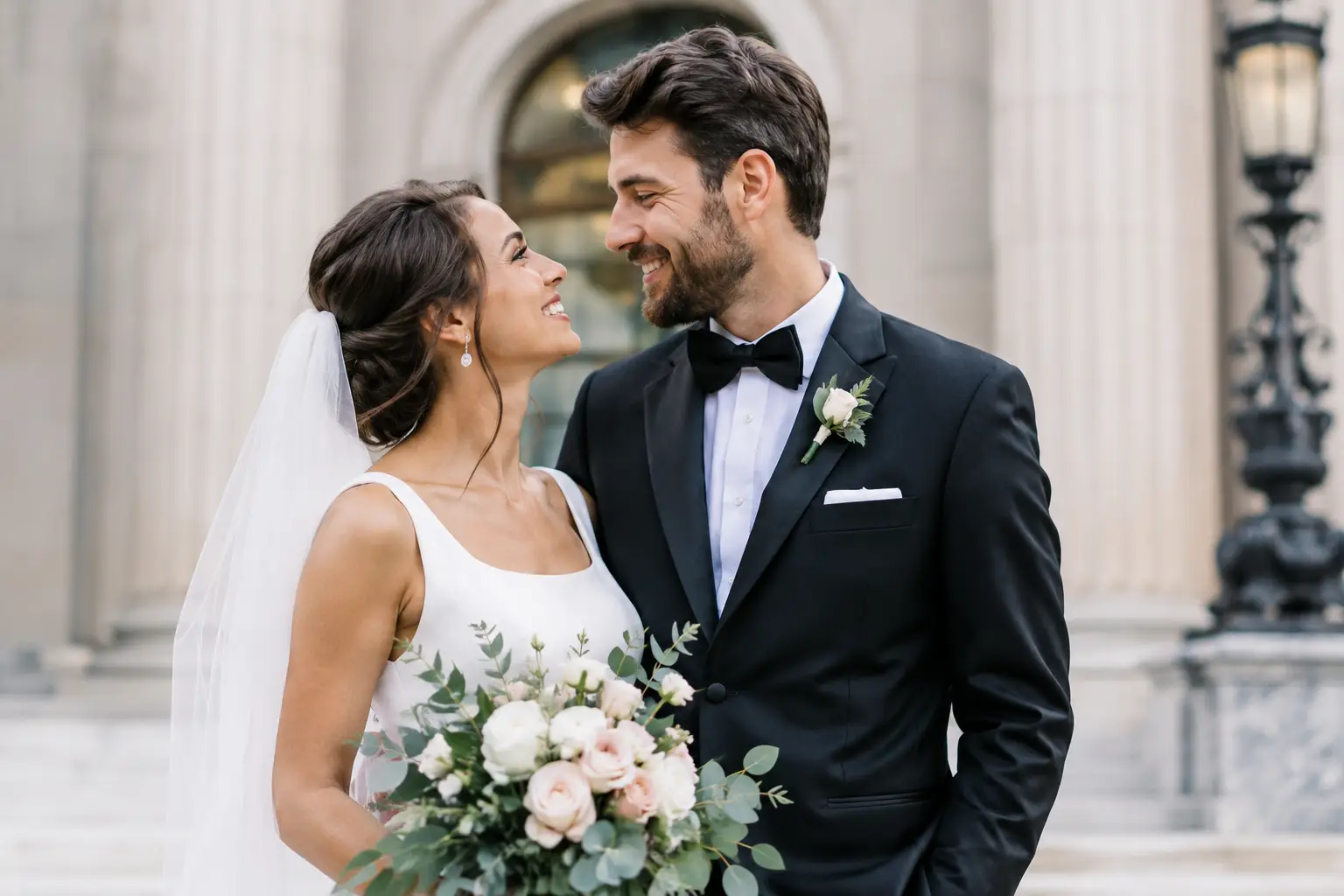
A parent seeing their child in formal attire for the first time. A newly engaged couple taking one quiet breath before joining their guests. The spontaneous laugh that erupts halfway through a toast. These are the moments people remember, and they reveal how candid event photos happen: not by chance alone, but through preparation, trust, and a photographer’s ability to recognize meaning before it disappears.
Candid photography should never feel intrusive or random. At its best, it is a thoughtful form of visual storytelling that preserves the personality, emotion, and atmosphere of a celebration as it truly unfolded.
How Candid Event Photos Happen Without Feeling Forced
The strongest candid images begin well before guests arrive. A photographer needs to understand what matters most to the people hosting the event: the relationships that define the day, the traditions that deserve special attention, the schedule, and the details that set the tone.
At a Washington, DC wedding, that may mean knowing that the bride’s grandmother is the person everyone turns to for advice, or that a couple has planned a private first look in a quiet corner of their venue, particularly for Washington DC event photography. At a bar or bat mitzvah, it may mean recognizing the importance of a grandparent’s expression during the service, the energy of the hora, or the joy of friends filling the dance floor. At a nonprofit gala, it may mean anticipating the connection between a speaker and an honoree.
This context gives candid photography purpose. Rather than simply photographing activity, an experienced event photographer watches for the human story within it.
Trust Creates Natural Expressions
People are more relaxed when they know they are in capable hands. That confidence matters, particularly during emotional, once-in-a-lifetime occasions. If a photographer is constantly interrupting conversations, over-directing guests, or asking people to repeat a moment, the room changes. Expressions become self-conscious and interactions lose their ease.
A refined approach is present but unobtrusive. The photographer offers clear direction when it is useful, such as for family portraits, a wedding party photo, or a quick couple’s portrait. Then, during the celebration itself, the focus shifts to observation. Guests are free to be with one another instead of performing for the camera.
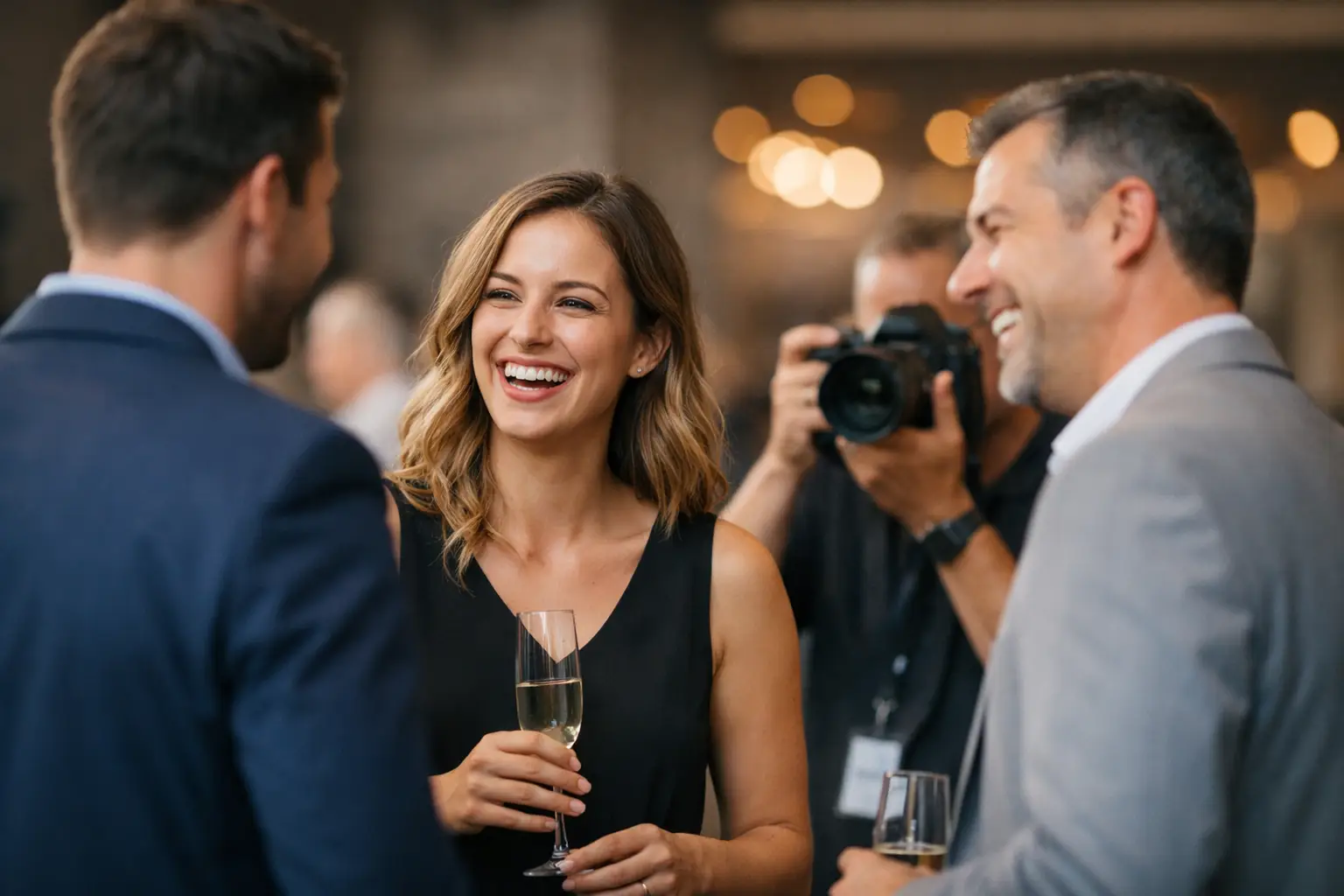
This balance is one reason candid images feel so personal. A photograph of a guest laughing is pleasant. A photograph of that guest laughing with the person who knows them best, at the precise moment the room joins in, carries the feeling of the event, particularly for event photography in Washington DC.
Timing Is the Skill Behind the Spontaneous Look
A candid image may appear effortless, but timing is rarely accidental. Event photographers learn to read the rhythm of a room: when anticipation builds, where people naturally gather, and which moments often lead to an emotional reaction.
Before a first dance, for example, the couple may be focused on each other, but the most moving image could come from a parent watching nearby. During a speech, the speaker is important, yet a great storyteller also watches the reactions around the table. During cocktail hour, a photographer pays attention to greetings, embraces, and the small reunions that happen away from the center of the room.
Experience makes this anticipation more reliable. After more than 30 years documenting celebrations, Rodney Bailey understands that a meaningful photograph is often found in the second before or after the expected moment. The hand squeeze before a processional begins can be as powerful as the walk itself. The delighted release of laughter after a formal portrait can say more about a family than the portrait alone.
This does not mean every second must be photographed. Selectivity is part of the craft. The goal is not to create a record of every movement, but to preserve the moments that bring the day back to life.
Discretion Lets the Event Stay the Event
The best candid event photography protects the guest experience. People should remember the warmth of the party, the ceremony, or the celebration itself, not a photographer standing between them and the moment.
That requires quiet movement, awareness of sight lines, and respect for the natural flow of the occasion. A skilled photographer knows when to step closer and when to work from a distance. During a private exchange or solemn moment, distance can preserve intimacy. During a high-energy dance floor, getting close enough to feel the motion and excitement may be exactly what the image needs.
There is a practical side to discretion, too. Venues in DC, Maryland, and Northern Virginia vary widely, from historic ballrooms and museums to private clubs, gardens, and homes. Each setting has its own lighting, layouts, restrictions, and pacing. A photographer who adapts quickly can keep coverage polished without asking hosts or guests to rearrange the event around the camera.
Light and Composition Shape the Feeling
Authentic does not mean unconsidered. Candid photos still need beautiful light, intentional composition, and a strong sense of place. Those elements turn a fleeting reaction into a photograph worth returning to for decades.
An experienced photographer looks for window light during wedding preparations, warm ambient light during dinner, and the architectural details that give a venue its character. They also consider the background. A genuine moment can lose impact if it is framed against a distracting exit sign, crowded service station, or unflattering angle. Small adjustments in position can make a substantial difference without disrupting what is happening.
Flash can also be used thoughtfully. In a dark reception space, it may be necessary to preserve the color, energy, and movement of dancing. The difference is in the approach: light should support the atmosphere, not flatten it or make every guest feel as though they are under a spotlight.
A Few Posed Photos Make Better Candid Photos Possible
There is no real divide between portraiture and candid coverage. Most successful events benefit from both. Family formals, wedding party portraits, and a few elegant images of the hosts provide a lasting visual record and give clients the confidence that essential people have been photographed well.
When these photographs are organized efficiently, everyone can move on and enjoy the celebration. That creates more room for genuine interaction, which is where candid storytelling thrives.
The trade-off is time. A highly detailed portrait list can reduce the time available for unscripted moments, particularly on a tightly planned wedding day. A thoughtful photographer helps clients identify what is essential, build a realistic timeline, and protect the portions of the event where they most want to be present with family and friends.
What Hosts Can Do to Encourage Meaningful Candid Images
Clients do not need to stage their day to receive beautiful candid photographs. In fact, trying too hard to manufacture spontaneous moments usually has the opposite effect. The most helpful step is choosing a photographer whose work already reflects the emotional, natural style you value.
It also helps to share priorities in advance. Let the photographer know about important relationships, meaningful traditions, surprise performances, or people who may be especially significant to photograph. This is not a request to script the day. It is simply the insight that helps a photographer recognize significance quickly.
Then give yourself permission to be present. Put the phone down during the ceremony. Stay close to the people you love. Take the extra moment to hug your friends. If the schedule allows, leave a little breathing room between formal obligations. Real connection is the source material for every candid image.
The photographs that endure are rarely the ones that show an event simply looked beautiful, though that matters. They are the ones that let you feel who was there, what they meant to you, and why the day can never be repeated. Give your celebration room to unfold, and the right photographer will be ready when its most honest moments appear.
Explore More Insights and Related Photography Articles