Micro Wedding Photography Guide for Intimate Days
A 20-person wedding can hold just as much feeling as a 200-person celebration. In some ways, it holds more. With fewer distractions, the quiet glance between partners, a parent’s deep breath before the ceremony, and the laughter around a single dinner table become the heart of the story. This micro Washington DC wedding photography guide is designed to help you protect those moments while planning photography that feels effortless, personal, and true to your day.
Micro weddings are not simply large weddings with a shorter guest list. They have their own rhythm, priorities, and photographic opportunities. The best coverage balances documentary awareness with thoughtful direction, allowing the celebration to unfold naturally while ensuring you have the meaningful portraits and family images you will want for decades.
Start With the Feeling You Want to Remember
Before discussing hours of coverage or creating a shot list, consider how you want the day to feel when you look back at it. Perhaps you are hosting a candlelit dinner at a favorite Washington, DC restaurant, exchanging vows at a historic Maryland estate, or gathering a few loved ones at a Northern Virginia garden. The setting matters, but the emotional atmosphere matters more.
Some couples want their micro wedding to feel completely unhurried. Others are planning an intimate ceremony within a full weekend of activities, from a welcome dinner to a brunch the next morning. A photographer should understand that distinction early. It shapes how the day is documented, how much time is reserved for portraits, and where the most meaningful interactions are likely to happen.
Share the reasons behind your choices. If your grandmother is reading a poem during the ceremony, if you chose a particular venue because it was the site of your first date, or if a small guest count reflects the people who know you best, those details inform more attentive storytelling. Great photographs are not just beautiful compositions. They carry context.
Build a Timeline That Leaves Room for Real Life
A smaller wedding often creates the illusion that everything can happen quickly. In practice, intimate celebrations still need breathing room. Hair and makeup can run late, a close friend may need a few extra minutes before a toast, and the people you care about most will want time with you. A compressed timeline can turn a relaxed celebration into a series of rushed transitions.
Plan more generously than you think you need. Allow time for getting-ready photographs, a first look if you choose one, couple portraits, family portraits, the ceremony, and candid guest interactions. The goal is not to make the day feel scheduled. It is to keep photography from interrupting it.
For many micro weddings, a first look is especially valuable. It gives you a private moment together before guests arrive and often creates more flexibility for portraits. That said, there is no universal right choice. If seeing one another for the first time during the ceremony is important to you, honor that tradition. Your timeline can still include a calm portrait window afterward, particularly if you reserve 20 to 30 minutes before dinner or sunset.
Consider the Light, Not Just the Clock
Natural light changes quickly, especially in urban settings and venues surrounded by mature trees or tall buildings. A ceremony at 4:00 p.m. may look entirely different than portraits at 5:00 p.m. An experienced photographer will assess the venue in advance or arrive early to identify flattering light, discreet ceremony positions, and locations that suit the mood of the day.
If sunset portraits matter to you, build them into the schedule rather than hoping they happen. Even ten minutes away from dinner can yield luminous, unforced images. For an evening wedding, consider how interior lighting, candles, and window light will photograph. Atmosphere is beautiful, but very dark spaces may call for a deliberate lighting approach that preserves the warmth you created without making the room feel artificially lit.
Choose Coverage Based on the Full Story
Photography coverage should reflect the shape of your celebration, not a preset package alone. A simple courthouse ceremony followed by dinner may need only a focused period of coverage. A micro wedding with preparations, a ceremony, portraits, cocktails, dinner, toasts, and a private exit may deserve a longer documentary approach.
Think beyond the formal milestones. Some of the photographs you will value most may happen while your sibling adjusts a veil, guests embrace after the ceremony, or your parents sit together during dinner. With a smaller group, every guest is likely to be someone with a meaningful place in your life. Their reactions and relationships deserve attention.
There is a trade-off to consider. Minimal coverage can be ideal when the event itself is intentionally brief and simple. But ending coverage immediately after the ceremony often means missing the ease that follows it: hugs, laughter, a toast, and the first few moments when everyone realizes the day is truly underway. Discuss your priorities honestly so coverage can be tailored around the chapters you care about most.
Make Portraits Personal, Not Performative
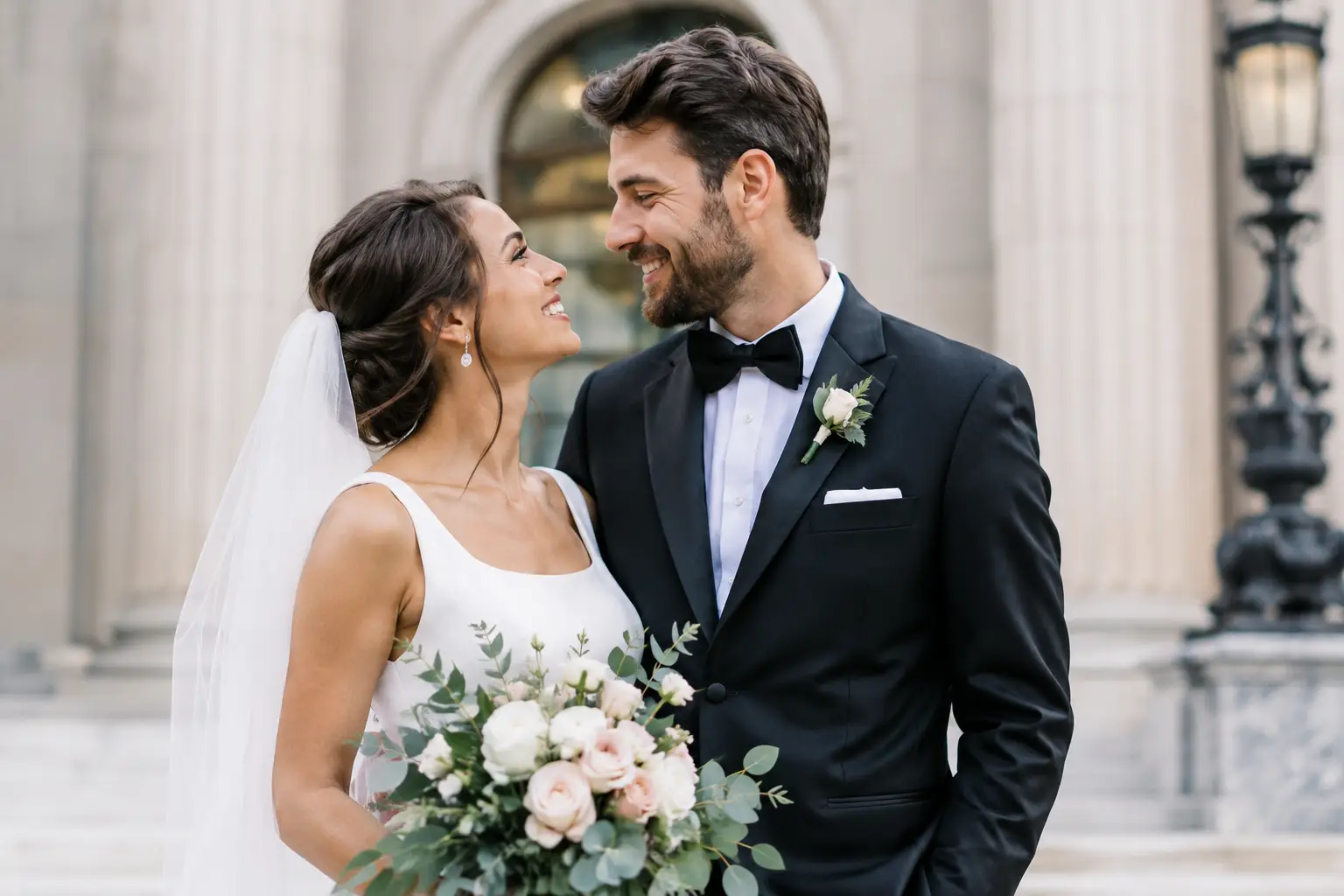
A micro wedding gives you a rare luxury: time to create portraits without stepping away from a crowd of hundreds. That does not mean filling the day with poses. The most timeless portraits often come from simple direction, beautiful light, and enough space for you to be yourselves.
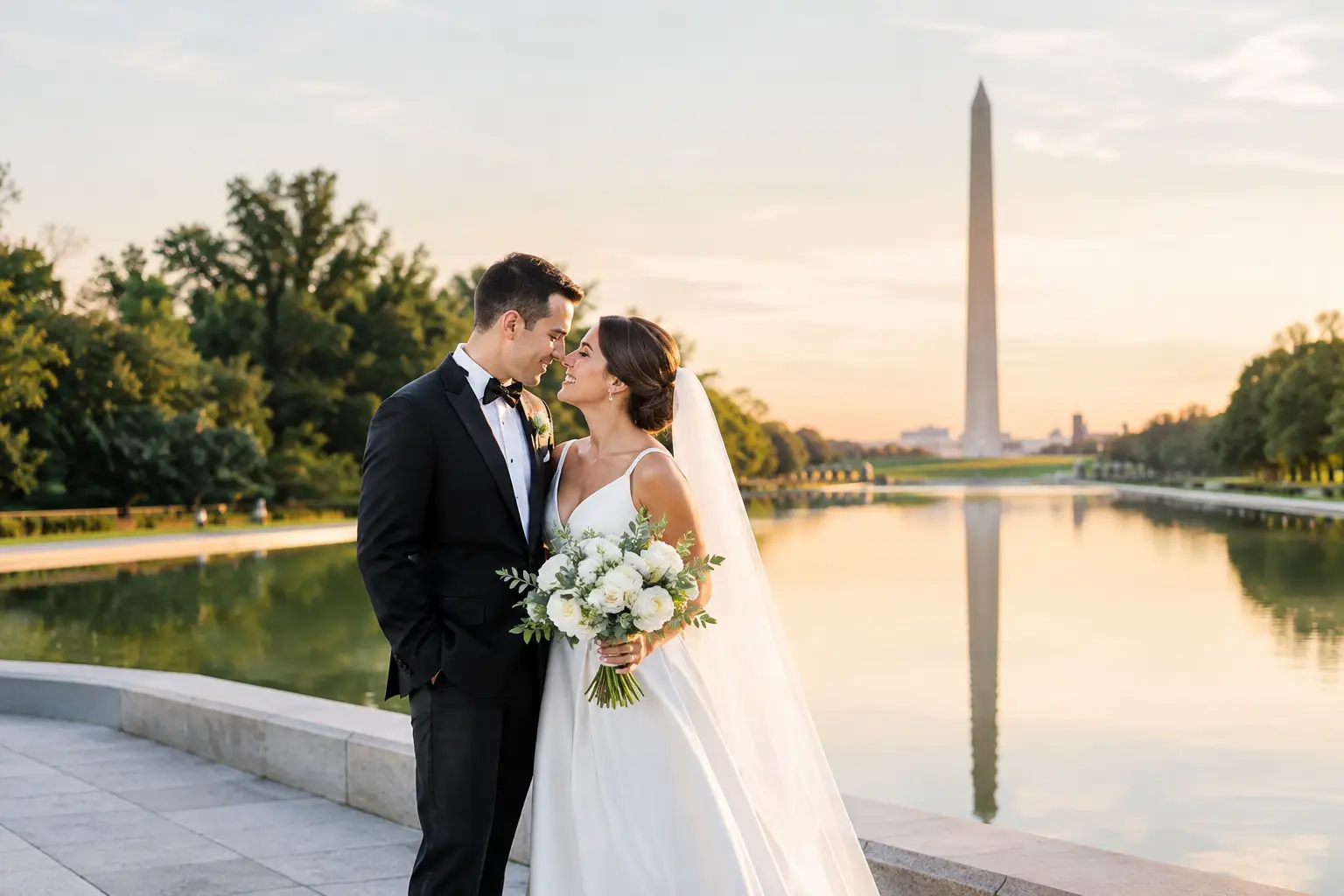
Choose one or two portrait locations that feel connected to the day. It might be the architecture outside your venue, a quiet garden path, or a nearby street that gives your Washington, DC celebration a distinct sense of place, particularly when working with a Washington DC wedding photographer. Moving between too many locations can consume valuable time and shift the focus away from your guests.
For family photographs, prepare a concise grouping plan before the wedding. At a micro wedding, the combinations are usually fewer, but emotions can be higher. A clear plan helps everyone move through this part of the day quickly and comfortably. Include the essential groups first, then allow room for spontaneous combinations that may emerge naturally.
Let the Ceremony Stay Sacred
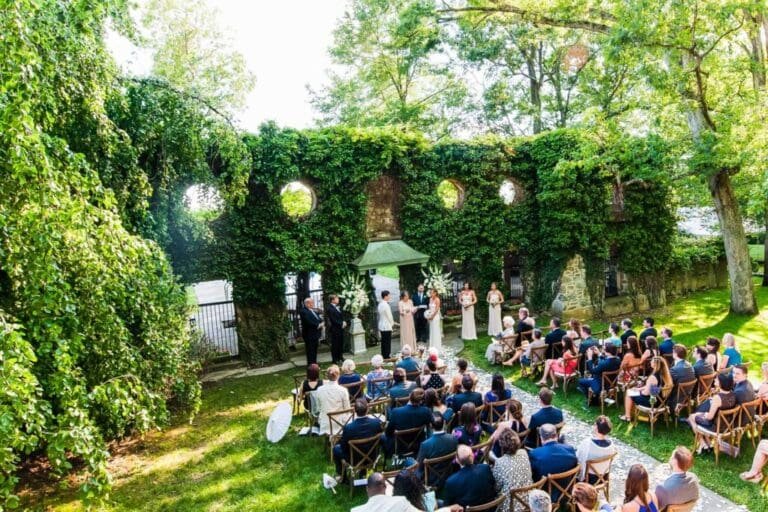
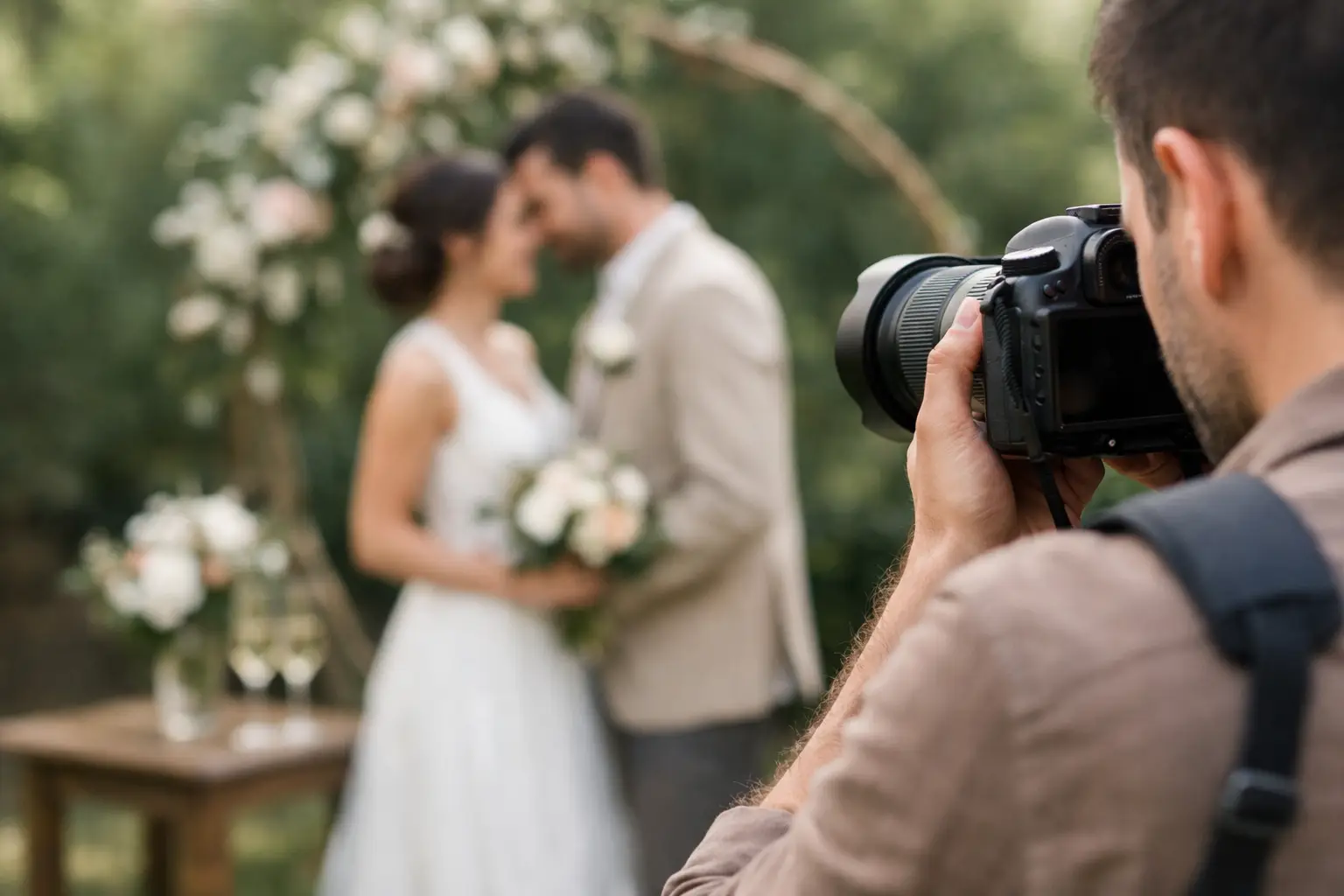
Intimate ceremonies feel different because every person in attendance is visible and emotionally present. Photography should respect that closeness. The right approach is observant and unobtrusive, with a photographer anticipating moments rather than constantly redirecting them.
Ask your officiant and venue about any movement restrictions before the ceremony. Some spaces limit where photographers can stand or prohibit flash. These are not obstacles when they are understood in advance. They are part of creating a respectful plan that protects both the experience and the imagery.
If you are writing personal vows, consider the pace of the moment. Speak slowly enough to be heard and felt. Pause when emotion arrives. The photographs from that exchange are stronger when you are not rushing to the next line.
Give Your Guests a Role in the Story
At a large wedding, candid photographs often capture the energy of the room. At a micro wedding, they reveal intimacy. Guests may help you get ready, read during the ceremony, offer a meaningful toast, or share dinner at one long table. These are not background moments. They are part of the narrative.
Let your photographer know if there are relationships or traditions to watch for. Perhaps a guest traveled from overseas, a parent has been closely involved in planning, or a family heirloom is being worn for the first time. This guidance is not about manufacturing a shot list. It helps ensure that personal history receives the attention it deserves.
You can also encourage guests to be present. A phone-free ceremony or a gentle request to keep devices away during vows can make a noticeable difference. It gives your loved ones permission to experience the moment fully, and it keeps the view of your ceremony clear and uncluttered.
Questions Couples Often Ask
How many hours of photography do we need for a micro wedding?
It depends on what happens around the ceremony. Couples planning only vows and a short portrait session may need less coverage than those including preparations, a first look, dinner, toasts, and an evening celebration. Begin with your actual timeline, then choose coverage that leaves space for the unscripted moments.
Do we still need an engagement session?
An engagement session can be particularly helpful for couples who feel uncertain in front of a camera. It offers a chance to become comfortable with your photographer’s direction and to create images that reflect this season before the wedding. It is not required, but many couples appreciate arriving on the wedding day already knowing what the experience feels like.
Should we provide a detailed shot list?
A short list of essential family groupings and meaningful details is useful. A long list of general Pinterest-style images is usually less helpful. Your photographer should be focused on the genuine interactions unfolding in front of them, not checking off images that may not fit your location, light, or personality.
Your micro wedding does not need to be grand in scale to be extraordinary in memory. Give the day enough time, choose a photographer who sees beyond the formalities, and let the people you invited be fully present. The photographs will carry the warmth of that decision long after the last toast is made.
Related Posts