What Makes Documentary Wedding Photos Timeless?
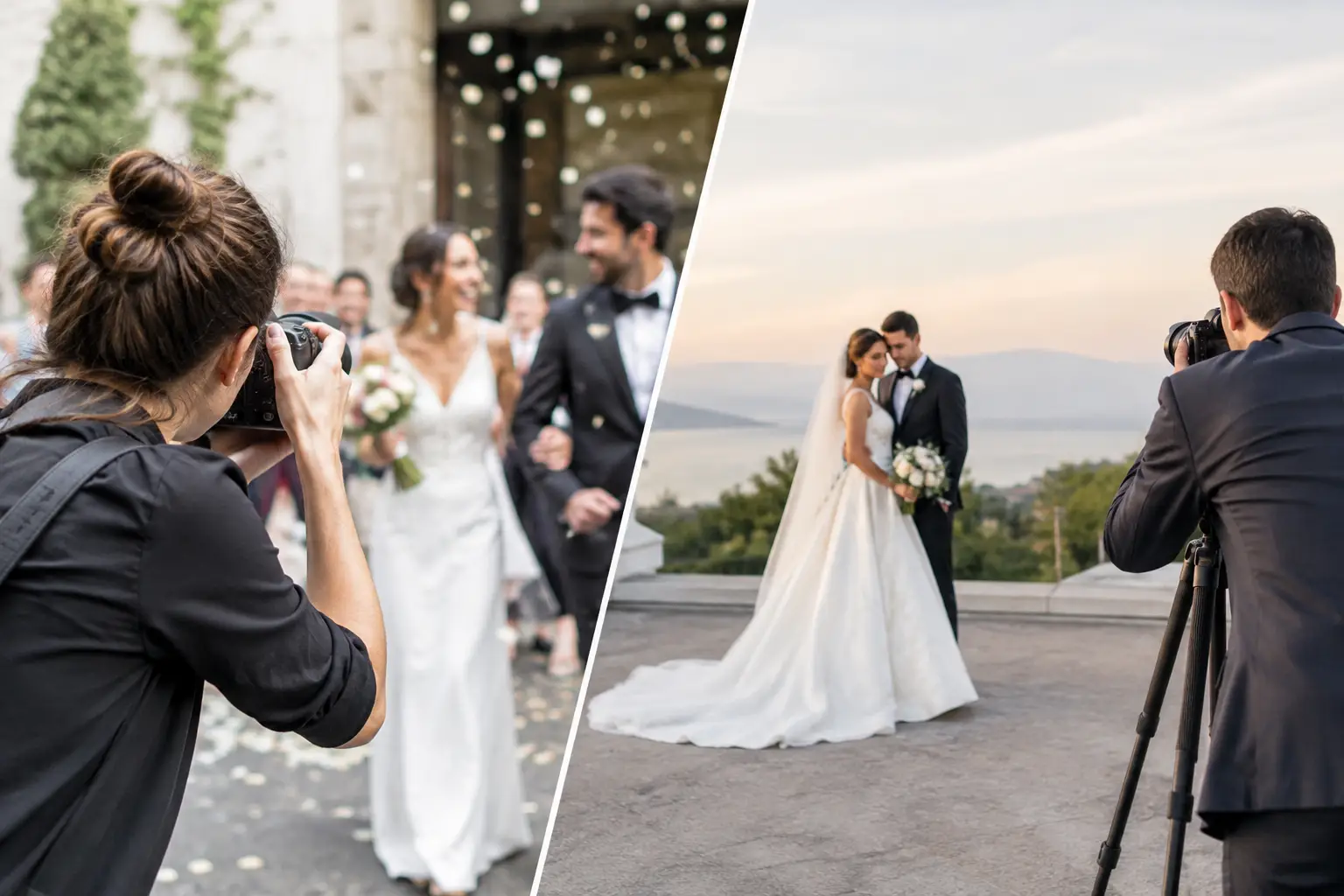
A father straightens his tie just outside the ceremony doors. A bride catches her grandmother watching from across the room. Two people who have planned for months forget the camera entirely for one perfect minute on the dance floor. If you are asking what makes documentary wedding photos timeless, the answer starts there – in moments that were felt before they were photographed.
Timeless wedding photography is often misunderstood. Many people assume it means formal, traditional, or carefully posed. In reality, the images that hold their value over decades are usually the ones rooted in truth. Documentary Washington DC wedding photography endures because it preserves not just how a wedding looked, but how it moved, unfolded, and felt to the people who were there.
What makes documentary wedding photos timeless in the first place?
A timeless photograph does not rely on a trend to be interesting. It does not need a dramatic editing style, an exaggerated pose, or a manufactured reaction to create impact. Instead, it draws its strength from something more durable – human expression, meaningful context, and a sense of place.
Documentary wedding photography works especially well because weddings are naturally rich with unscripted emotion. There is anticipation in a getting-ready suite, nervous energy before the ceremony, relief after the vows, and joy that becomes more spontaneous as the day goes on. When a photographer knows how to recognize those shifts and preserve them with restraint and precision, the result feels elegant now and credible years from now.
That does not mean every candid image is timeless. Timing matters. Composition matters. Experience matters. The documentary approach is not simply taking pictures as things happen. It is knowing which moments reveal the real story and photographing them with enough intention that they still feel elevated.
Real emotion ages better than performance
The biggest reason documentary imagery lasts is simple: authentic emotion does not go out of style.
A trend-driven image can feel current for a season and dated by the next. A genuine expression rarely does. The look exchanged during a ceremony, the reaction of parents during toasts, the unguarded laughter between old friends – those moments remain compelling because they are not built around a temporary aesthetic. They are built around relationships.
This is especially important for couples who want their wedding gallery to feel personal rather than generic. Posed portraits absolutely have a place, and every strong wedding collection benefits from some degree of direction. But if an entire gallery is built on prompts, repeated Pinterest concepts, or heavily orchestrated setups, it can start to feel detached from the actual event.
Documentary coverage gives a wedding its own visual identity. No two celebrations unfold in the same way, even in the same venue. When the images are shaped by the people in them rather than by a formula, they carry more meaning.
The story matters as much as the single image
A timeless wedding album is not just a collection of pretty frames. It has narrative.
Documentary photographers think in sequences as well as highlights. They notice the transition from calm to excitement, the interactions happening just beyond the center of attention, and the visual threads that connect one part of the day to the next. That sense of storytelling gives the photographs depth.
Years later, couples do not only want to remember the ceremony kiss or the first dance. They want to remember who helped button the dress, how the room looked just before guests entered, which relative cried during the vows, and what it felt like to move through the day surrounded by people they love. Storytelling preserves those details without forcing them.
This is where experience becomes invaluable. A seasoned documentary photographer understands anticipation. They know when to stay back, when to move closer, and when a fleeting glance is likely to become the image everyone returns to. In a city like Washington, DC, where weddings often blend elegance, family tradition, and architecturally significant venues, that awareness helps create imagery that feels both emotionally immediate and visually lasting.
The Beauty of Restraint in Timeless Wedding Photography
One of the quiet strengths of documentary photography is restraint.
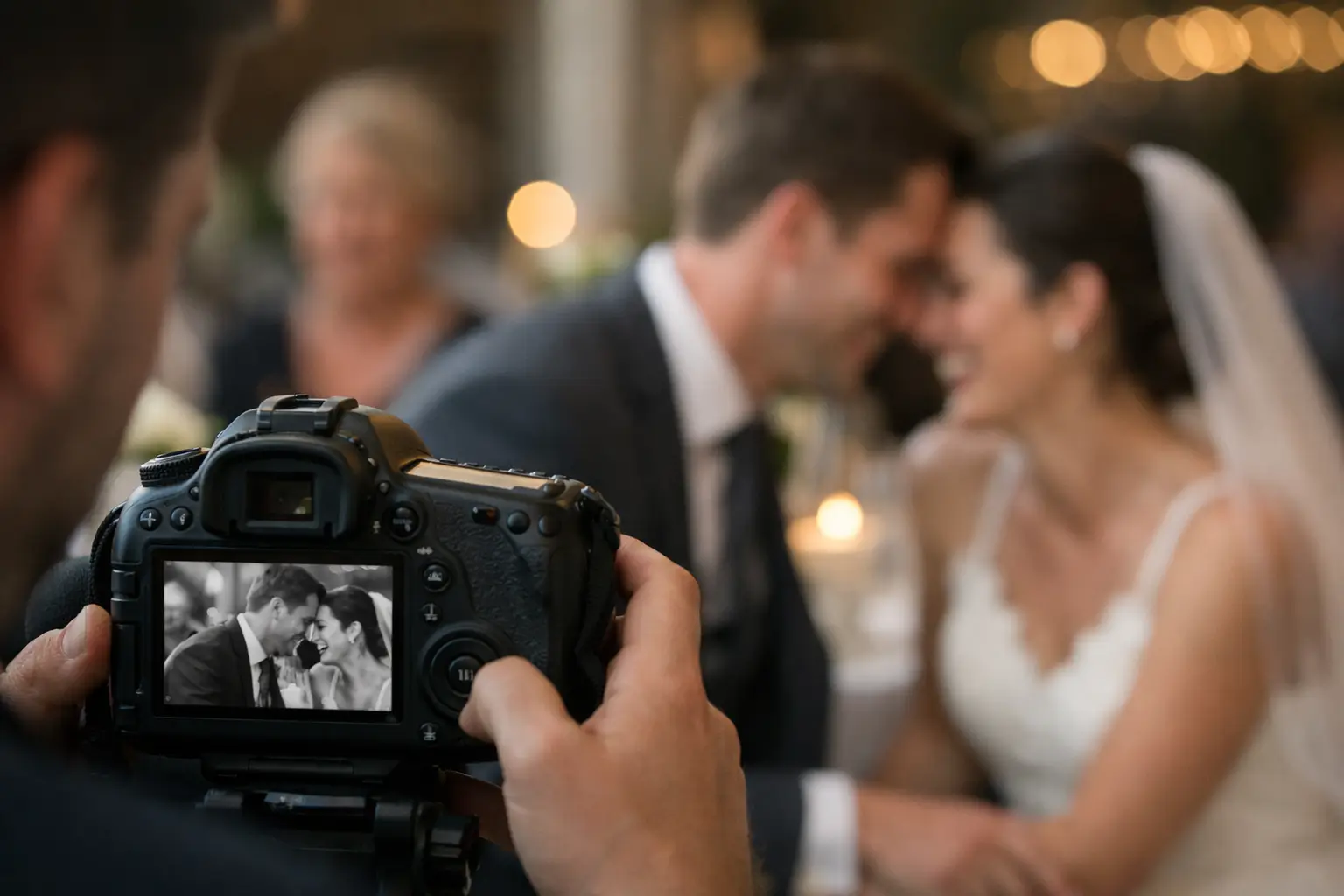
Timeless images rarely feel overworked. They are not dependent on extreme filters, heavy-handed retouching, or effects that call attention to the editing rather than the subject. Clean color, true skin tones, balanced contrast, and thoughtful black-and-white conversions tend to endure because they honor the scene instead of reinventing it.
The same principle applies during the wedding day itself. A photographer who can work discreetly often captures more honest expressions than one who constantly interrupts the flow. There are moments that benefit from guidance, especially family portraits, timelines, and certain portraits of the couple. But when every interaction is managed too closely, the imagery can lose the spontaneity that makes it memorable.
The best documentary wedding photography strikes a balance. It gives structure where it is helpful and space where authenticity matters most. That balance is one reason discerning couples often gravitate toward a photojournalistic style. They want artistry, but they also want the day to remain their own.
Timeless does not mean unplanned
There is a common misconception that documentary coverage is purely passive. In practice, the strongest results often come from thoughtful preparation.
A photographer can only tell the story well if they understand what matters to the couple. Family dynamics, cultural traditions, meaningful locations, and the pacing of the day all shape what should be prioritized. A wedding with a formal cathedral ceremony and black-tie reception will be documented differently from an intimate celebration at a private residence, even if both are photographed in a documentary style.
Preparation also protects candor. When logistics are handled well, there is less need to manufacture moments later. A strong timeline, clear communication, and an understanding of the venue allow the photographer to be present for the emotional moments instead of reacting too late.
For premium clients, this matters. A luxury experience is not just about beautiful results. It is also about confidence that the day will be handled with calm professionalism and that the photography will feel effortless, even though a great deal of expertise is working behind the scenes.
What makes documentary wedding photos timeless is also what makes them personal
The most enduring wedding photographs are rarely the most complicated. They are the most specific.
A timeless image might show a bride taking a breath before walking down the aisle. It might show a groom laughing with college friends he sees only a few times a year. It might show a flower girl asleep under a table while the party continues around her. None of those moments are universal in a generic sense. They are universal because they are deeply human, and personal because they happened only once, to these people, on this day.
That specificity is what keeps images from feeling interchangeable. It is also why documentary photography often becomes more valuable with time. Ten or twenty years later, details that felt incidental on the wedding day become emotionally significant. A parent’s expression. A relative who is no longer living. The way a room looked before it was transformed by memory. Documentary photography preserves those pieces with dignity.
Studios with a long track record in wedding storytelling, including Rodney Bailey in the Washington region, understand that this kind of permanence comes from consistency as much as creativity. Anyone can capture a lucky candid. Creating an entire collection that feels polished, emotional, and honest requires skill refined over many years.
Not every couple wants the same balance
There is always some nuance here. A fully documentary approach is not the right fit for everyone.
Some couples want extensive direction and a highly editorial look. Others want as little interruption as possible. Most fall somewhere in between. The right photographer knows how to adapt while still preserving a cohesive style. They can create beautiful portraits efficiently, manage family groupings with authority, and still leave room for the unrehearsed moments that give the gallery its life.
That flexibility is often what separates a polished professional from someone who is simply following a trend. Timeless wedding photography is not about refusing all posed images. It is about knowing that the posed images are only one part of the story, not the whole of it.
When couples look back on their photographs years later, they want to recognize themselves. Not a version of themselves performing for the camera, but the real atmosphere of the day and the emotions that shaped it. That is what keeps documentary wedding photography relevant long after styles, platforms, and visual fads have shifted.
The most lasting wedding photographs do more than flatter. They witness. And when they are made with discretion, artistry, and experience, they give you something rare – images that still feel true when the day itself has become part of family history.
If you are choosing a Washington DC wedding photographer, it helps to ask not only whether the images look beautiful now, but whether they will still feel honest years from now. That is usually where timelessness begins.
Related Posts