12 Natural Wedding Portraits Ideas That Feel Real
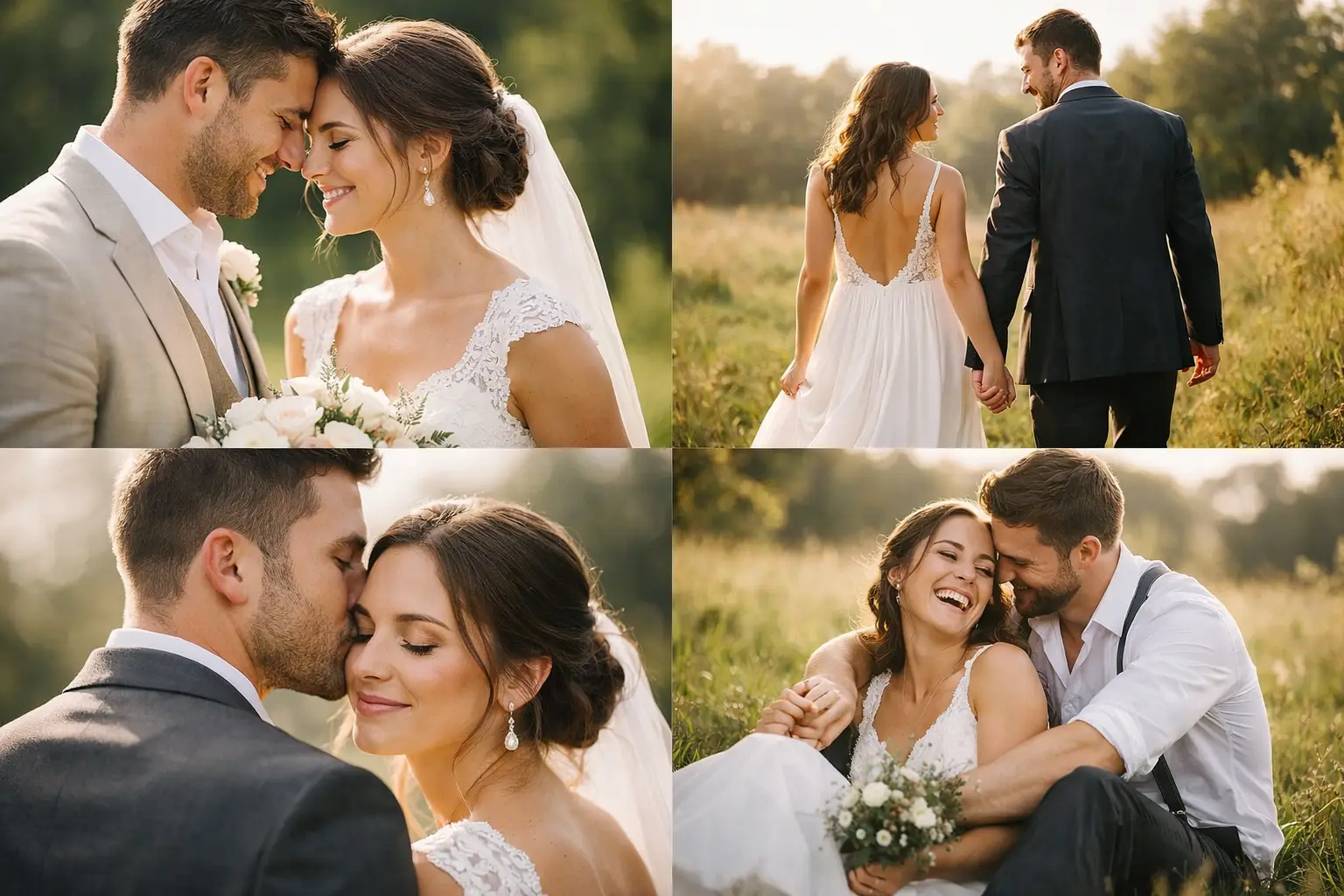
A great wedding portrait rarely begins with a command to smile. It begins when you have a moment to breathe, look at one another, and remember what brought everyone together. The best natural wedding portraits ideas make room for that feeling. They give you gentle direction when it helps, then allow the laughter, anticipation, tenderness, and occasional happy tears to unfold without forcing them.
For couples planning a celebration in Washington, DC, Maryland, or Northern Virginia, the setting may be elegant, historic, urban, or outdoors, particularly for Washington DC wedding photography. The approach remains the same: portraits should feel like you on one of the most meaningful days of your life, not like a performance for the camera.
What Makes a Wedding Portrait Feel Natural?
Natural does not mean unplanned. It means the photography is guided by real connection rather than a long series of rigid poses. An experienced photographer pays attention to flattering light, clean backgrounds, posture, and timing, while creating enough ease for your expressions to remain your own.
That distinction matters. A completely hands-off approach can leave couples uncertain about where to stand or what to do with their hands. Too much direction can make every image feel identical. The most enduring portraits sit in the middle: polished, intentional, and alive with personality.
12 Natural Wedding Portraits Ideas for Your Day
1. Start with a quiet first look
A first look offers more than a convenient way to organize the timeline. It gives you a private pause before the ceremony, when the anticipation is still fresh and you can respond to each other without an audience. Rather than rushing through a few formal images, take a moment to embrace, talk, and simply take in the occasion.
If tradition is important to you, there is no need to force a first look. Couples who wait until the ceremony can still create beautifully natural portraits afterward. The key is reserving enough time so the session does not feel like another item to check off.
2. Walk somewhere with purpose
Walking photographs work because they give you something to do together. Stroll through the courtyard of your venue, along a tree-lined DC street, or toward the reception space. Hold hands, talk about the ceremony, and let the pace remain easy.
The goal is not a dramatic runway walk. A short, unhurried movement creates a natural rhythm in your body language and often produces genuine smiles between the more composed frames.
3. Choose a location with meaning, not just a view
A grand staircase, a city monument, or a sweeping garden can be stunning, but the best backdrop is one that supports your story. Perhaps it is the room where you will exchange vows, the terrace where your guests will toast, or a corner of the property that reminds you of a favorite place together.
In the DC region, weather and crowds can affect a portrait plan. A strong photographer will identify a few beautiful options nearby, including an indoor or covered alternative, so a sudden shower never dictates the quality of your photographs, particularly when working with a Washington DC wedding photographer.
4. Make space for the in-between moments
Some of the most personal portraits happen between planned events: fastening a cufflink, adjusting a veil, sharing a note, or taking a final breath before walking down the aisle. These are not interruptions to the portrait session. They are part of the visual story.
Ask your photographer to document the preparations with restraint. A calm room and a little extra time will usually yield more meaningful images than a crowded, hurried schedule.
5. Let your hands have a job
Many people worry that they will look awkward in portraits. That concern is completely normal, particularly if being photographed is not part of everyday life. Simple points of connection solve much of it: hold hands, link arms, straighten a lapel, rest a hand at the waist, or bring your foreheads close for a moment.
These gestures should never look rehearsed. They are small prompts that help you settle into a natural closeness while keeping the composition refined.
6. Use the light just before sunset
Late-day light can soften a portrait and give the two of you a brief escape from the reception. Even ten minutes outside near sunset can offer a change of pace from daylight photographs, especially at a venue with gardens, architectural texture, or an open view.
The trade-off is timing. If sunset overlaps with dinner, speeches, or a packed dance floor, do not disappear for too long. A thoughtful timeline protects the experience for you and your guests while still allowing for a few exceptional evening portraits.
7. Focus on each other, not the lens
Not every photograph needs direct eye contact with the camera. Looking at your partner often produces a more intimate image because it gives the moment a clear emotional center. Share a memory from your relationship, whisper something funny, or take a few seconds without speaking.
A portrait session should also include a few classic images looking toward the camera. Those are often the photographs parents frame and families treasure. Variety is what makes a final collection feel complete.
8. Include the energy of your wedding party
Wedding party portraits do not have to be a row of people standing at attention. Begin with a clean, well-composed group photograph, then allow the group to loosen up. A shared laugh, a toast, or the natural movement of everyone walking together can show the relationships that made your wedding day feel full.
Keep this portion efficient. Your friends and family will appreciate clear direction, and you will appreciate having time to enjoy them rather than managing a prolonged photo session.
9. Photograph the embrace after the ceremony
The ceremony exit often carries a rush of relief and joy. Before heading into cocktail hour, take a minute together just beyond the ceremony doors or aisle. The rings are on, the vows are complete, and the emotion is often unmistakable.
This is one of the simplest natural wedding portraits ideas, but it works because there is nothing to manufacture. The moment already has meaning.
10. Use architecture as a frame, not a distraction
Washington is rich with iconic architecture, from historic estates and museums to stately hotels and embassies. A doorway, colonnade, window, or sweeping corridor can add scale and sophistication to a portrait without overpowering it.
The best images keep you as the focus. Architecture should frame your connection, not turn the photograph into a travel postcard where the couple is difficult to find.
11. Ask for a few unhurried family portraits
Family formals can be elegant, warm, and genuinely expressive when they are planned well. Provide your photographer with a concise list of essential groupings ahead of time, and designate someone who knows the family to help gather people quickly.
Once the must-have portraits are complete, there is room for softer moments: a parent smoothing a jacket, grandparents smiling at the two of you, or siblings sharing a look. Those details often become more valuable with time.
12. Step back into the reception for one final portrait
Later in the evening, the reception reveals a different atmosphere. Candlelight, florals, city lights, and the energy of the dance floor can create a portrait that feels entirely distinct from the daytime images. It may be a quiet image at the edge of the room or a joyful frame surrounded by your guests.
This is not about pulling you away from the party for an elaborate production. A few intentional minutes can preserve the feeling of the celebration at its most relaxed and joyful.
Plan the Timeline Around Experience, Not Just Photos
The strongest portraits are often the result of a wedding day that has breathing room. Build in transition time between getting ready, the ceremony, family photographs, and the reception. When every minute is accounted for, even a skilled photographer has less opportunity to notice the unscripted exchange that becomes a favorite image.
Share your priorities before the wedding. If portraits with grandparents matter deeply, say so. If you would rather spend cocktail hour with guests than pose for a long session, that should shape the plan. At Rodney Bailey, more than three decades of wedding storytelling have reinforced a simple truth: the best direction is always personalized to the people in front of the camera.
Wear and Choose What Lets You Move
Natural photographs benefit from comfort. Choose shoes you can stand and walk in, plan a wrap if the forecast calls for a cool evening, and consider how a long veil, cape, or train will move through your venue. These decisions affect not only how you feel, but how freely you can interact.
The same applies to locations. A dramatic overlook may look appealing, but it may require a long walk, permit restrictions, or travel time that separates you from your guests. Sometimes the most compelling portrait location is steps from the celebration, where you feel present rather than transported into a separate production.
The portrait you return to years from now may not be the most posed or technically elaborate image of the day. It may be the one where your hands found each other, you forgot the camera was nearby, and for a second, everything felt exactly as it should.
Explore More Wedding Photography Insights