How to Plan Surprise Proposal Photos
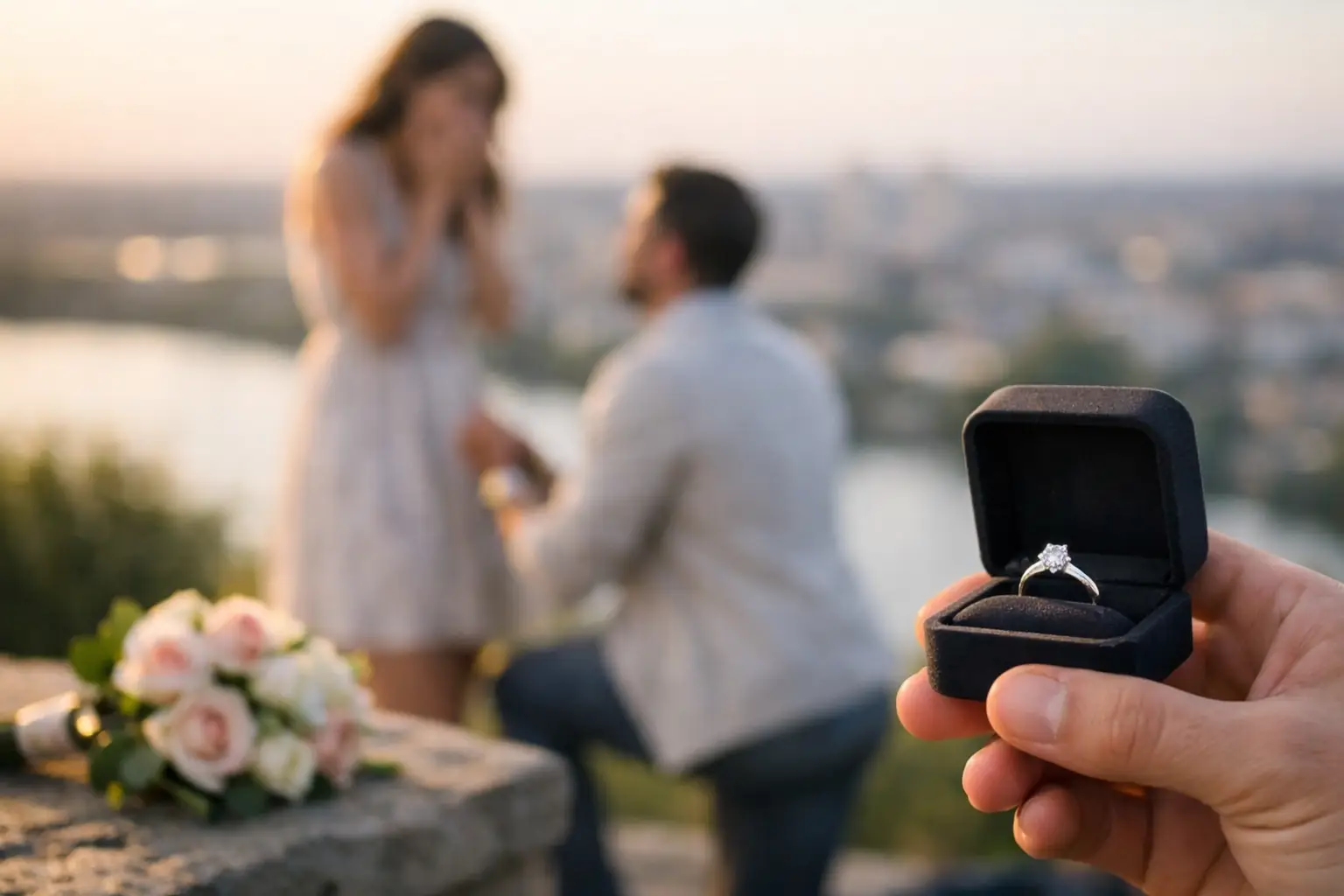
A surprise proposal lasts a few seconds. The photographs from it need to hold up for a lifetime.
That is why knowing how to plan surprise proposal photos matters as much as choosing the ring or the location. When the moment is real, there is no second take. The best images come from a plan that feels invisible in the moment but precise behind the scenes.
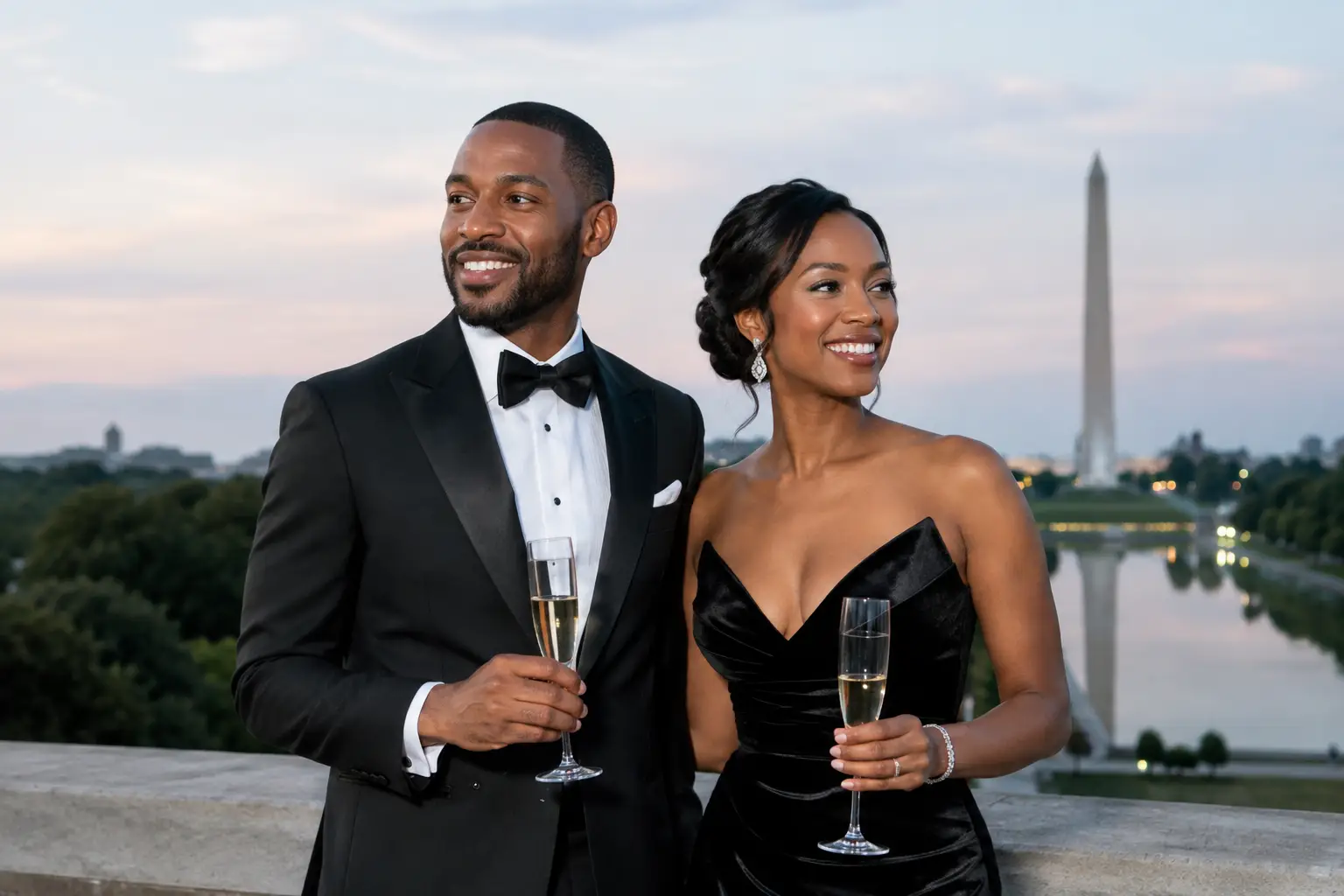
In Washington, DC, where proposals often happen against iconic backdrops, elegant restaurants, and meaningful neighborhood streets, the difference between average coverage and exceptional storytelling usually comes down to preparation. A strong plan protects the surprise, gives the photographer the right vantage point, and leaves room for genuine emotion to unfold naturally.
How to plan surprise proposal photos without losing the surprise
The first priority is always discretion. A proposal should feel intimate, not orchestrated, even when there is careful coordination happening in advance. That means choosing a photographer who knows how to work quietly, read a scene quickly, and adapt without drawing attention.
Start with the setting. Some locations photograph beautifully at almost any hour, while others depend heavily on light, foot traffic, and sightlines. A broad plaza may offer dramatic architecture but very little privacy. A tucked-away garden may feel romantic, but it can also create visibility challenges if the photographer has nowhere to position themselves without being noticed.
This is where experience matters. A seasoned proposal photographer will think beyond the obvious backdrop and ask practical questions. Where will you approach from? Where will your partner be facing? Is there enough room to kneel without turning your back to the camera? Will tourists, joggers, or parked cars cut through the frame at the wrong moment? Those details shape the final images more than most people expect.
Timing also deserves more attention than it usually gets. Golden hour is popular for good reason, but it is not always the right choice if the location is crowded or if your partner is likely to grow suspicious about a very specific pre-sunset walk. Sometimes a quieter mid-morning proposal produces stronger photographs because the scene feels relaxed and the surprise remains intact.
Build the plan around your partner, not just the photos
The most successful proposals feel true to the couple. That may sound obvious, but it is where many people overcorrect. They chase a grand visual idea and end up creating a moment that feels out of character.
If your partner loves understated, personal gestures, a crowded public proposal may not feel romantic to them, even if the skyline is beautiful. If they appreciate formality and a sense of occasion, then a carefully chosen landmark or luxury setting may be exactly right. The photographs should reflect who you are together, not just what looks impressive online.
When clients ask how to plan surprise proposal photos, one of the smartest places to begin is with routine. Think about what would feel natural enough not to trigger suspicion. Maybe it is a walk before dinner in Georgetown, a museum-area stroll, or a weekend outing along the waterfront. The proposal plan works best when it fits into a believable version of your day.
Clothing is part of that equation too. If you want polished images, you may need a reason your partner will be dressed accordingly. A dinner reservation, theater tickets, or family celebration can provide that context without making the proposal too obvious. At the same time, if formalwear would feel forced, it is better to have authentic style than overly coordinated outfits that do not feel like you.
Choose a location with both meaning and photographic value
There is a balance between sentiment and visual quality. Ideally, you want both.
A meaningful location often brings out a more honest emotional response. That could be where you had your first date, a favorite view in the city, or a place tied to your life together in DC, Maryland, or Northern Virginia. Emotional connection tends to show on camera in a way that no backdrop alone can create.
At the same time, photography has technical needs. The space should offer clean backgrounds, flattering light, and enough distance for the photographer to remain discreet before moving in closer after the proposal. If the setting is too dark, too crowded, or too visually chaotic, it can compromise the images no matter how touching the moment is.
The strongest proposal locations usually have a primary spot for the proposal itself and a nearby secondary area for portraits right after. That transition matters. Once the surprise has happened, your partner will likely be emotional, excited, and glowing. Those first few minutes often produce the most natural portraits of the day.
Coordinate the exact moment carefully
A surprise proposal should feel spontaneous to your partner, but it should never feel vague to your photographer.
The plan needs a clear marker for when it will happen. That could be reaching a certain bench, stopping at a specific overlook, or pausing after a simple cue like, “Let’s take a picture here.” Without a defined moment, the photographer may have to guess when to begin shooting more aggressively, and that creates risk.
It is also wise to talk through pacing. Some people walk very quickly when nervous. Others forget the agreed-upon spot and stop too early. A quick rehearsal, even done mentally, helps. Think through where you will stand, where your partner will be in relation to the light, and how you will turn your body so the reaction is visible.
A good photographer will often recommend subtle adjustments that improve the outcome without making the event feel staged. Turning slightly instead of facing straight away from the camera can make the difference between a hidden expression and a full emotional frame. Small refinements matter here.
Have a plan for what happens right after
The proposal is only the beginning of the photographic story.
Once your partner says yes, there is usually a brief window where emotions are high and everything still feels wonderfully unreal. This is the time for candid celebration, close-up ring shots, and a few gently guided portraits. It should not turn into a long production, but it does benefit from a clear next step.
Some couples want a short portrait session nearby and then private time. Others want family waiting at a second location. Some are heading directly into a dinner reservation or a larger engagement celebration. None of those choices is inherently better. It depends on personality, timing, and the kind of memory you want to create.
If family or friends are involved, coordination becomes even more important. Too many moving parts can threaten the surprise. The cleaner approach is usually better. Keep the circle small, keep arrival instructions specific, and make sure everyone understands the proposal comes first. The photography should support the moment, not crowd it.
Trust weather, light, and real-world variables
Even the best proposal plan needs flexibility. Weather changes. Traffic runs late. Public spaces get unexpectedly busy. A couple arrives ten minutes behind schedule and suddenly the light is different.
This is one reason premium photography is not simply about having a camera. It is about judgment under pressure. An experienced photographer can pivot to a nearby angle, adjust for harsher light, work around crowds, or accelerate the portrait portion before conditions shift again.
If your proposal is outdoors, ask about a backup strategy. That does not always mean changing the date. Sometimes it means changing the exact spot or shifting the time slightly. The right plan is not rigid. It is thoughtful enough to absorb real-life disruptions without losing the feeling of the occasion.
For many couples, this level of guidance is where a studio like Rodney Bailey becomes especially valuable. Discretion, timing, and storytelling are not separate skills. They work together in moments that cannot be repeated.
What makes surprise proposal photos feel timeless
Timeless proposal photography is rarely about elaborate posing. It comes from emotion, composition, and restraint.
The images people return to years later are usually the ones that show the instant before your partner realizes what is happening, the expression as it lands, the laughter right after, and the way you look at each other once the nerves are gone. Those photographs feel alive because they are not overdirected.
That does not mean there is no guidance. It means the guidance is calibrated. After the proposal, a photographer may offer light direction on where to stand or how to walk together, but the goal remains natural connection. Sophisticated photography should elevate the moment, not flatten it into something generic.
When you are considering how to plan surprise proposal photos, think less about performing for the camera and more about making room for the real moment to happen well. The best preparation is the kind that disappears once you are in it.
A proposal is one of the rare milestones that is both deeply private and worth documenting beautifully. Give it enough planning to protect the surprise, enough structure to support the photographs, and enough trust to let the emotion lead once the question is asked.
Related Posts