How to Choose Wedding Photojournalist
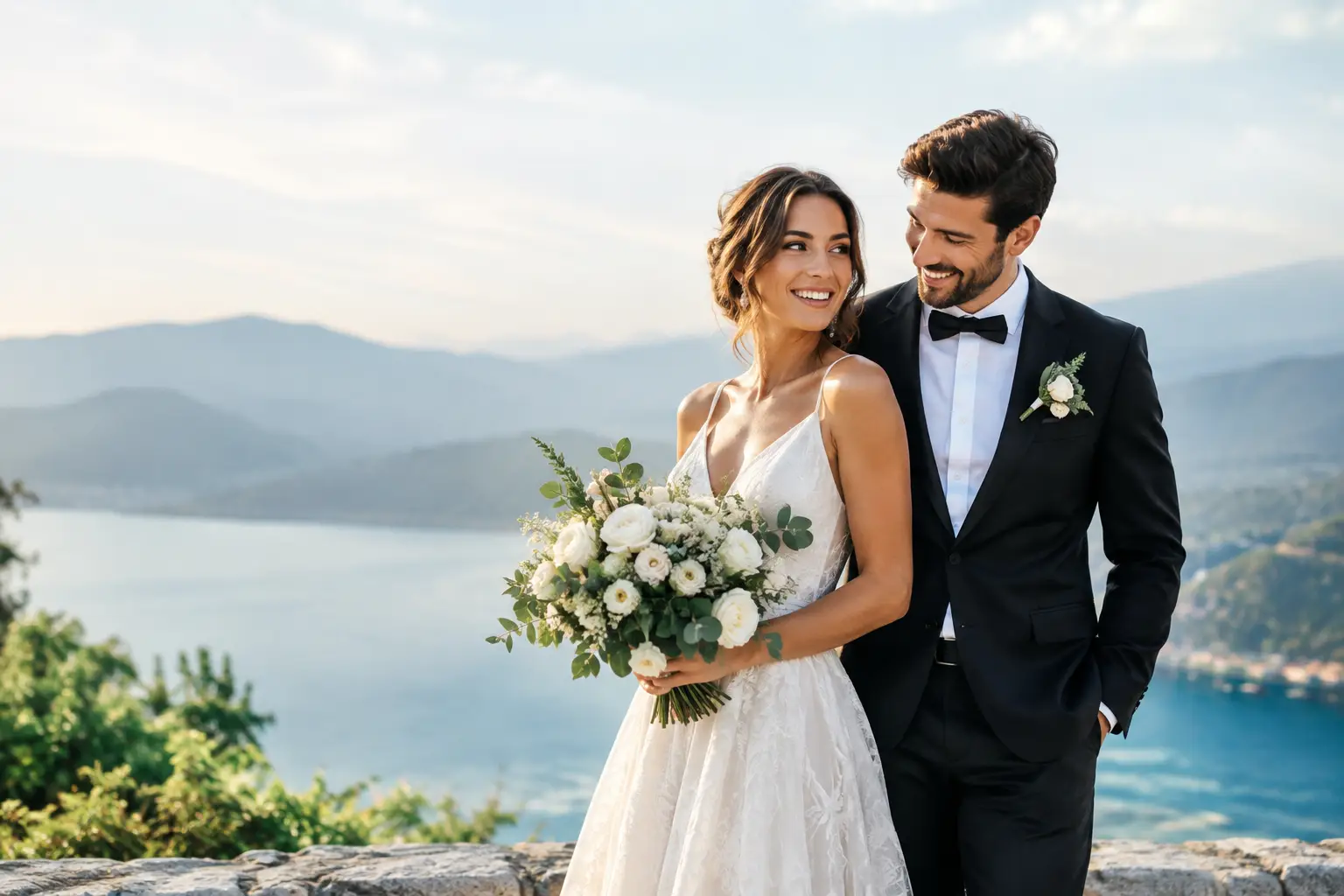
A beautiful portrait can hang on a wall for decades. A photojournalistic wedding image does something more – it brings you back to the exact second your father steadied his voice, your partner exhaled before the vows, or your friends lost all composure on the dance floor. If you are wondering how to choose wedding photojournalist coverage that truly preserves the feeling of your day, the decision starts with more than price or availability.
Wedding photojournalism is not simply candid photography. At its best, it is observational, intuitive, and deeply disciplined. The photographer is reading a room, anticipating emotion, understanding light in real time, and documenting the event without interrupting it. That distinction matters because many photographers can capture a few natural moments. Far fewer can tell the full story of a wedding with consistency, polish, and restraint.
What a wedding photojournalist actually does
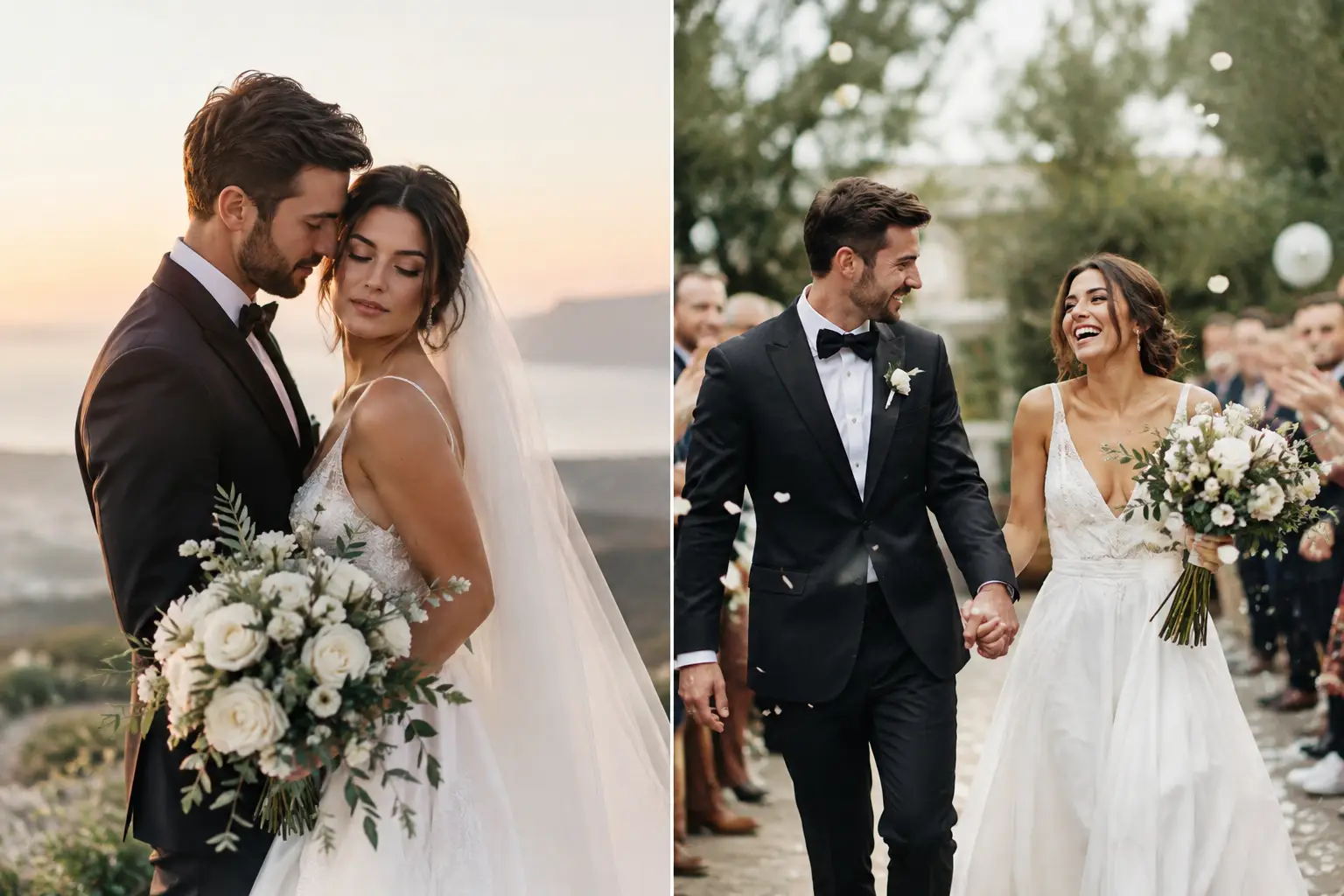
A true wedding photojournalist is focused on narrative. Rather than directing every scene, they watch for interactions as they unfold and record them with artistry and precision. The result is a gallery that feels alive, not manufactured.
That does not mean there is no guidance at all. Most couples still want elegant portraits, family photographs, and a thoughtful timeline. The difference is that a photojournalistic photographer knows when to step in and create structure, and when to step back so the day can breathe. The strongest work often comes from that balance.
For couples planning a wedding in Washington, DC, Northern Virginia, or Maryland, this is especially relevant. Many venues in the region have a mix of dramatic architecture, fast-moving schedules, and varied lighting conditions. A photographer needs more than taste. They need experience, adaptability, and the confidence to work discreetly in high-pressure environments.
How to choose wedding photojournalist style with confidence
The first question is not whether the images are pretty. It is whether the storytelling feels honest. When you review a portfolio, look beyond the hero shots. Pay attention to what happens between the formal moments.
Do you see anticipation before the ceremony begins? Do family dynamics feel natural rather than arranged? Is the laughter believable? Are quiet moments treated with as much care as the grand ones? A refined portfolio should show emotional range, not just visual consistency.
It also helps to notice whether the images feel timeless. Heavy filters, trend-driven editing, or overly dramatic processing can date a wedding gallery quickly. Photojournalistic work should feel polished and elevated, but still grounded in reality. Skin tones should look true. Black-and-white images should feel intentional. Nothing should distract from the people in the frame.
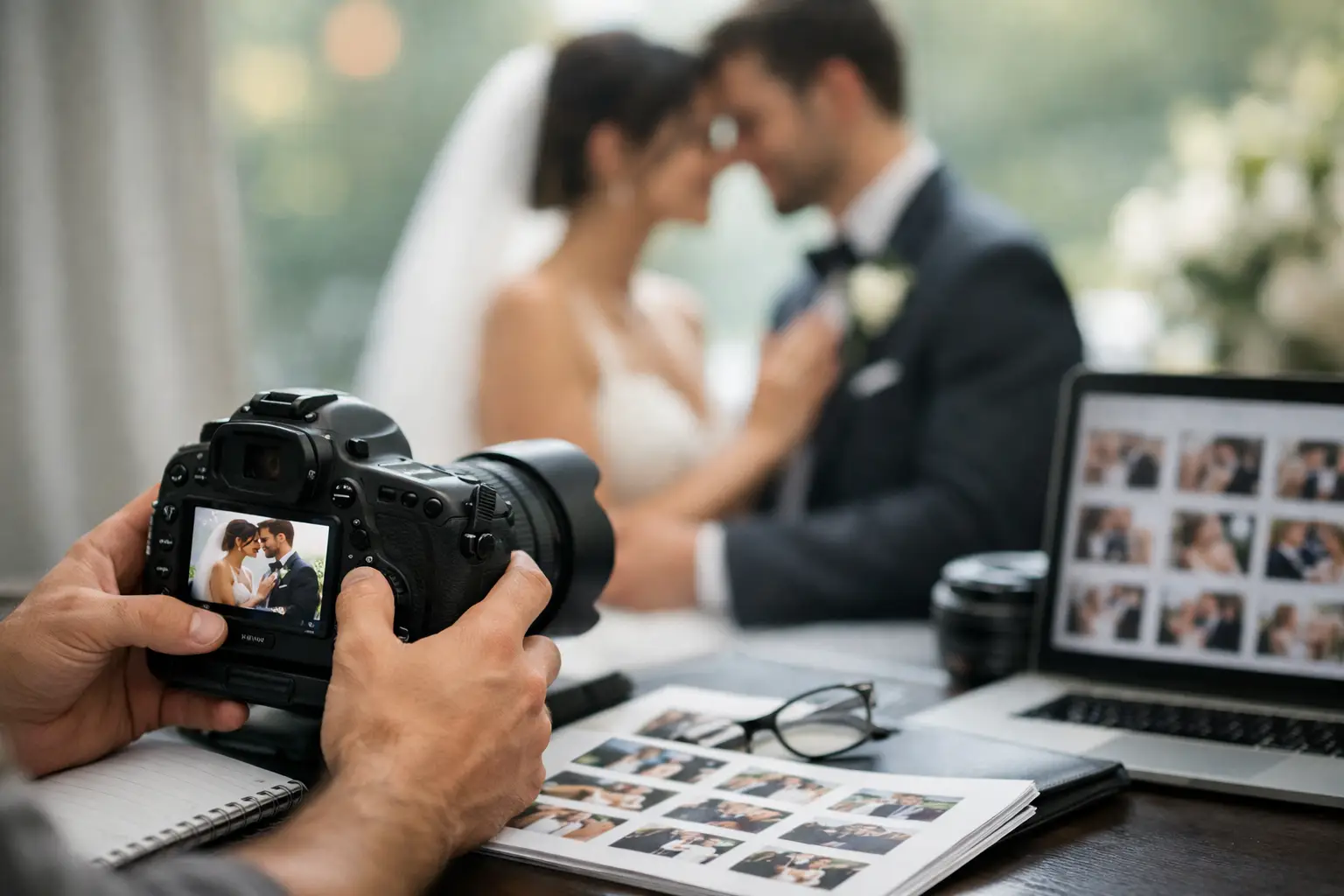
A full wedding gallery tells you far more than a homepage highlight reel. Anyone can curate a dozen standout images from several events. Ask to see complete coverage from weddings similar to yours in scale, setting, or lighting conditions. This is where consistency becomes visible.
Experience matters more than many couples expect
Weddings do not offer second chances. The first look, the ceremony entrance, the exchange of rings, the embrace with a grandparent – these happen once. An experienced wedding photojournalist understands how to anticipate those moments before they happen.
That kind of judgment usually comes from years of photographing live events, not just technical skill. Experience shows up in subtle ways. A seasoned photographer knows how to work in a dim ballroom without making the room feel harshly lit. They know when family formals are about to become chaotic and how to keep them moving with grace. They recognize when weather shifts, timelines slip, or emotions run high, and they adjust without passing stress on to the couple.
This is one of the clearest trade-offs in the market. Newer photographers may offer lower pricing, and some are genuinely talented. But wedding photojournalism is built on anticipation and consistency, which are hard to fake. For a once-in-a-lifetime event, many couples decide that proven reliability is worth the investment.
Personality is part of the work
A wedding photojournalist may spend more time with you on your wedding day than almost anyone besides your planner or partner. Their presence matters. The best fit is someone who is calm, observant, and easy to trust.
You do not need a performer. In fact, couples who want authentic images often prefer a photographer who is confident without being intrusive. During your conversations, notice whether the photographer listens carefully or dominates the call. Do they ask thoughtful questions about family relationships, priorities, and the flow of your celebration? Do they seem genuinely interested in your day, or are they giving you the same rehearsed pitch they give everyone else?
There is also a practical side to chemistry. People relax when they feel seen and respected. That comfort translates directly into better photographs. Genuine expressions rarely happen when a couple feels managed. They happen when the photographer creates confidence and space.
Review full galleries, not just social media
Social media rewards spectacle. Weddings require coverage.
When you are deciding how to choose wedding photojournalist services, ask to review full galleries from start to finish. This is where you can evaluate how a photographer handles transitions, family moments, reception candids, and the less glamorous parts of the day that still matter. You want to know whether the story holds together beautifully from the first frame to the last.
Look for strong coverage in getting-ready spaces, ceremonies with difficult lighting, and receptions where movement is fast and unpredictable. If every portfolio example comes from bright outdoor portraits, that may not tell you enough about how the photographer performs in a candlelit ballroom or a historic indoor venue.
Pay attention to sequencing as well. A sophisticated photojournalist does not simply collect good images. They build a narrative rhythm. The gallery should feel coherent, emotionally layered, and complete.
Ask better questions before you book
Most couples ask about hours, price, and turnaround time. Those details matter, but they rarely reveal the quality of the experience. Better questions lead to better decisions.
Ask how the photographer approaches a wedding day with a strong documentary emphasis while still making room for portraits and family images. Ask how they prepare for venues they know well versus venues that are new to them. Ask what they do when the timeline shifts or lighting becomes difficult. Ask who will actually photograph the event and whether a second photographer is recommended for your guest count and format.
You should also ask how they work with planners, videographers, and families. A highly skilled wedding photographer is not operating in isolation. They are part of a larger event team, and their ability to collaborate affects the flow of the day.
Price should be evaluated in context
Premium wedding photography is rarely just about the hours on site. You are paying for artistic judgment, event fluency, preparation, editing discipline, backup systems, and the ability to deliver under pressure.
If one photographer is significantly less expensive than others you are considering, there is usually a reason. Sometimes that reason is simple, such as fewer years in business or lighter coverage. Sometimes it means less support, less refined editing, or less consistency across a full gallery. Lower pricing is not automatically a red flag, but it should prompt closer evaluation.
On the other hand, the highest price does not guarantee the best fit. Some photographers are excellent artists but more editorial than documentary. Others may have a recognizable brand but a style that feels too posed for your preferences. Value comes from alignment – style, experience, service, and trust all working together.
For couples who care deeply about genuine storytelling, this category is worth protecting in the budget. Flowers, menus, and music shape the day itself. Photography is what remains when the day is over.
Local knowledge can be a real advantage
In a market like Washington, DC, regional experience adds meaningful value. Permits, traffic patterns, monument sessions, weather shifts, hotel timelines, and venue restrictions all influence how a wedding day unfolds. A photographer who knows the area well can make smarter decisions quickly.
That familiarity can also improve the client experience. Planning tends to feel easier when your photographer understands local venues, can anticipate timing challenges, and knows how to move efficiently without sacrificing artistry. For many couples, especially those organizing a sophisticated celebration with multiple locations, that kind of confidence is part of the luxury.
Studios such as Rodney Bailey have built their reputation on exactly that combination of storytelling, longevity, and polished service. For discerning couples, that track record can be just as reassuring as the portfolio itself.
Trust your reaction to the work
After all the practical questions are answered, there is still one final test. When you look at the photographs, do you feel something? Not admiration alone, but recognition. Can you imagine your own wedding day being documented with that level of honesty and care?
The right photojournalist will not just show you what your wedding looked like. They will preserve how it felt, with elegance, discretion, and narrative depth. Choose the photographer whose work makes you believe your memories will be handled with that kind of respect, because that belief is usually grounded in what their images have already proven.
Related Posts