How to Capture Candid Wedding Moments
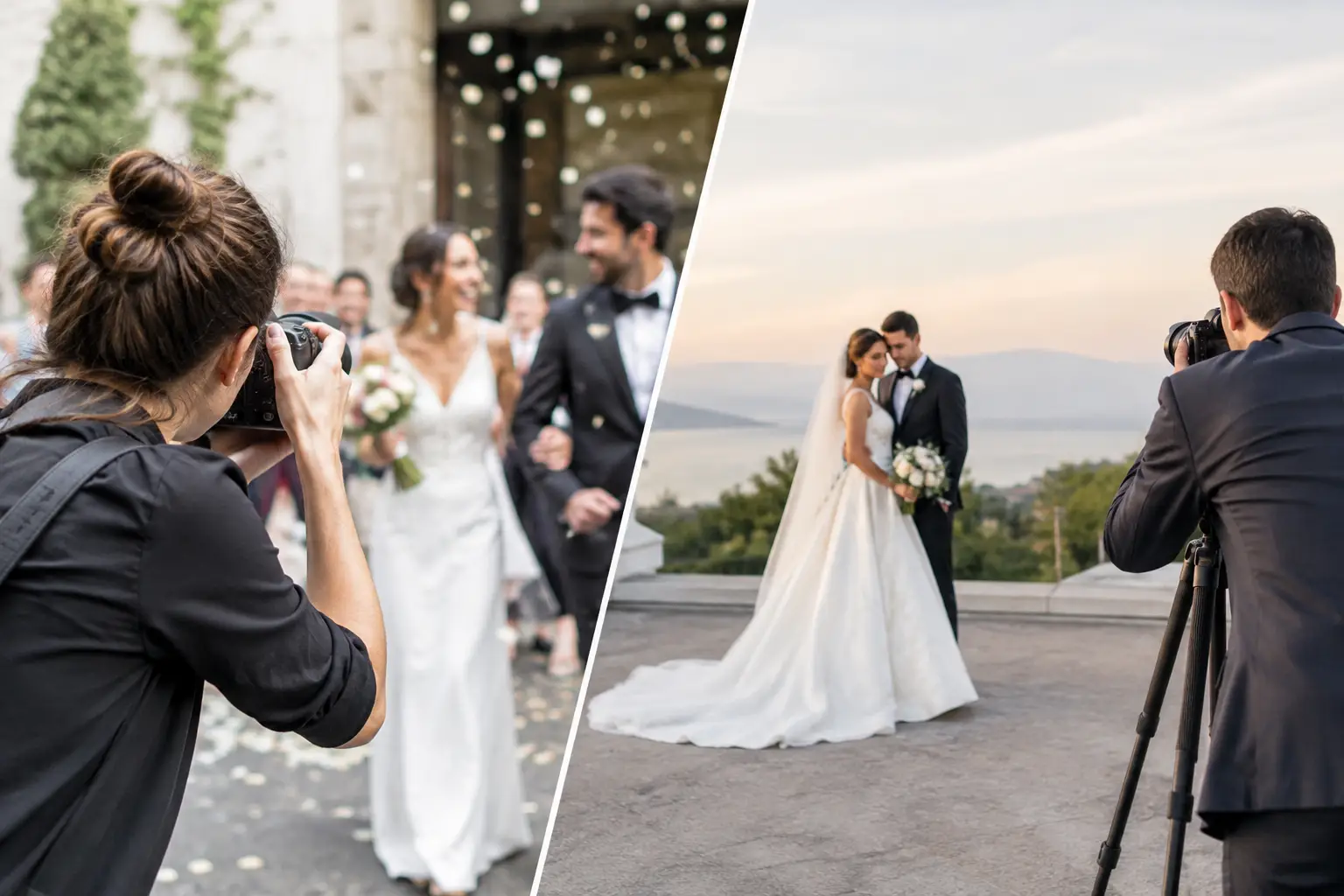
The best wedding photographs often happen half a second before anyone realizes they matter. A parent steadies their voice during a toast. The couple lock eyes across a crowded dance floor. A flower girl decides the schedule is irrelevant and steals the scene. If you are wondering how to capture candid wedding moments, the answer is not to leave everything to chance. Real moments are spontaneous, but strong candid photography is built on preparation, timing, and trust.
For couples planning a wedding in Washington, DC, Northern Virginia, or Maryland, this matters more than most realize. Beautiful venues, thoughtful design, and elegant portraits all have their place. But the images people return to year after year are usually the ones that feel alive. They show what the day actually felt like, not just how it looked.
Why candid wedding photography takes intention
There is a common misconception that candid photography simply means the photographer stands back and waits. In practice, that approach is too passive for a fast-moving event. Weddings are layered, emotional, and often unpredictable. To document them well, a photographer has to anticipate where the next meaningful interaction is likely to happen and be ready before it unfolds.
That kind of anticipation comes from experience. It means knowing when a bride is likely to take a breath before walking down the aisle, when grandparents tend to react during family portraits, and when the energy of the reception is about to shift. Photojournalistic wedding coverage is not about photographing everything equally. It is about recognizing what matters in real time and preserving it without interrupting it.
How to capture candid wedding moments before the wedding day
The strongest candid coverage starts long before the first photograph. A photographer needs context. Family dynamics, the couple’s priorities, cultural traditions, and the flow of the celebration all shape where real moments are most likely to happen.
This is why planning conversations are so valuable. When couples share what matters most, the coverage becomes more personal and far more precise. Maybe the groom has a quiet relationship with his father and the getting-ready portion deserves extra attention. Maybe the ceremony includes traditions that happen quickly and only once. Maybe the couple cares less about staged table shots and more about their guests truly enjoying the evening. Those details guide the photographer’s instincts.
A realistic timeline also makes a measurable difference. If the schedule is too compressed, everyone feels rushed, and candid moments get replaced by stress. When there is breathing room between events, people settle in. They interact naturally. They forget the camera more easily. Ironically, a well-planned wedding often produces the most effortless-looking photographs.
Trust changes the camera behavior in the room
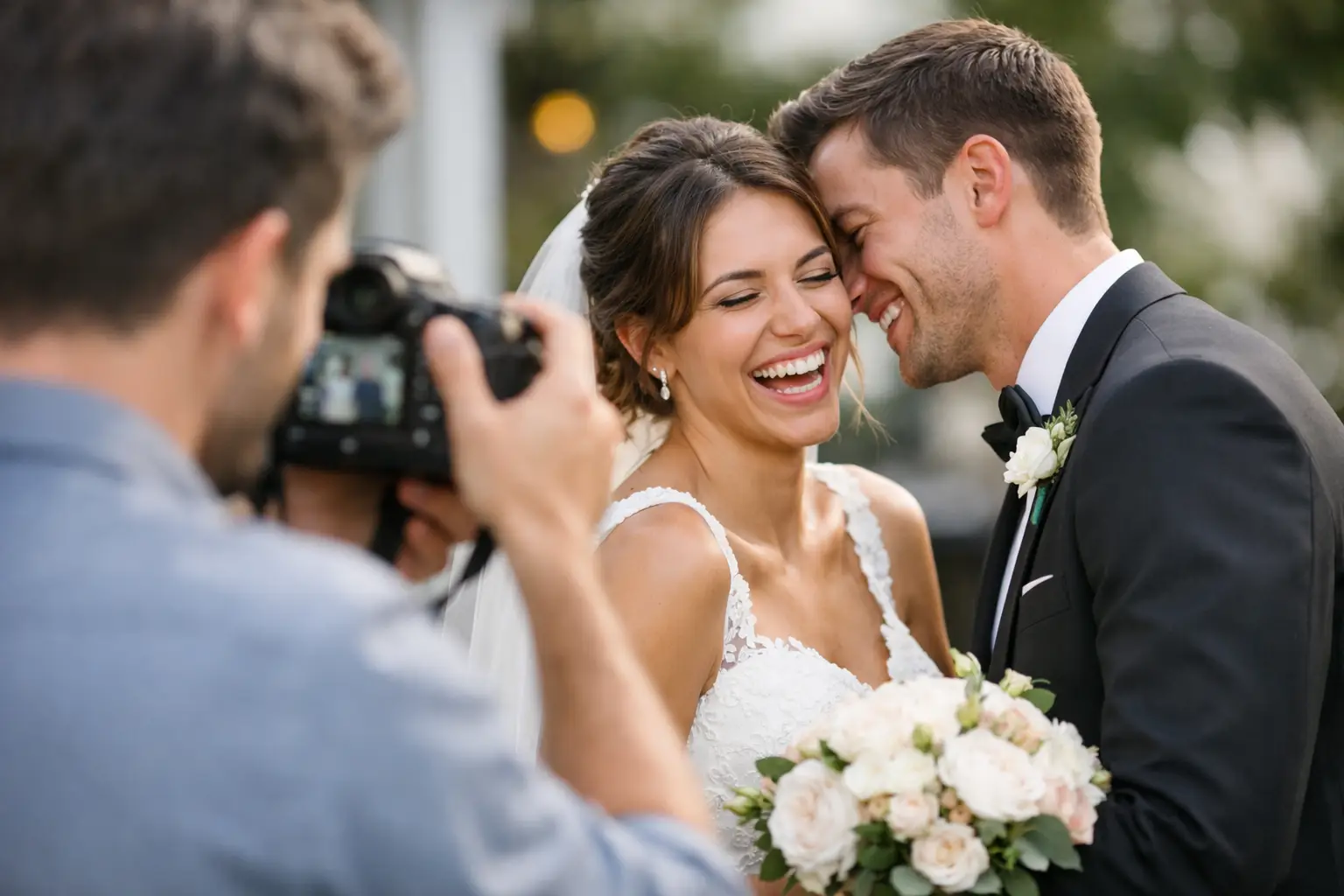
People do not act naturally when they feel watched too closely. One of the keys to how to capture candid wedding moments is building enough trust that the couple and their guests stop performing.
That trust comes from presence, professionalism, and restraint. A seasoned photographer knows when to offer direction and when to disappear into the background. During portraits, some guidance is helpful. During emotionally charged moments, too much direction can flatten the scene. If every interaction is interrupted for adjustment, authenticity starts to fade.
Couples often worry that candid means unflattering or chaotic. It should not. The goal is not randomness. The goal is honest, polished storytelling. A refined candid image still depends on composition, light, and timing. It simply preserves those elements in a way that feels natural rather than imposed.
Where the real moments usually happen
Some of the most meaningful images happen outside the obvious headline moments. The ceremony kiss will matter, of course, and so will the first dance. But candid storytelling lives in the edges of the day.
Getting ready is one of the richest parts of the wedding for this reason. The room is often full of anticipation, nerves, humor, and family connection. A mother adjusting a veil, a best friend calming the room, handwritten notes being opened in silence – these scenes carry emotional weight without needing any staging.
Transitions are equally important. The walk from the ceremony to cocktail hour. The few private seconds just after the recessional. Guests greeting one another before taking their seats. These in-between spaces tend to produce expressive, unguarded photographs because people are moving, reacting, and not yet aware that a moment is visually significant.
The reception offers another layer. Toast reactions, children on the dance floor, embraces between old friends, and the way the couple move through the room all reveal the personality of the celebration. A photographer focused only on the formal events will miss much of the story.
Light, positioning, and restraint
Natural-looking wedding photography still requires technical control. A candid image may feel effortless, but the photographer is making constant decisions about light, lens choice, angle, and distance.
Positioning matters. Standing too close can change behavior. Standing too far away can disconnect the viewer from the emotion. Experienced photographers move with purpose and know when a longer lens will preserve intimacy without intrusion. They also understand that not every candid moment should be photographed from eye level. Sometimes stepping slightly aside or anticipating a reaction from the perimeter creates a far more elegant frame.
Light is another quiet differentiator. Harsh flash can pull people out of the moment if it is used carelessly. In darker interiors, however, technical support is necessary. The answer is not to avoid flash entirely. It is to use it in a way that preserves atmosphere rather than overpowering it. This is where experience at luxury venues, historic spaces, private clubs, and tented receptions becomes especially valuable. Every environment asks for a different approach.
The balance between candid and guided
Couples sometimes assume they must choose between candid storytelling and beautiful portraits. In reality, the best wedding coverage includes both.
Portraits create space for intention. They ensure the couple looks their best, family groupings are handled efficiently, and key relationships are documented with care. Candid coverage brings dimension and emotion. One supports the other. When the formal portions are organized and well managed, the rest of the day opens up for more spontaneous imagery.
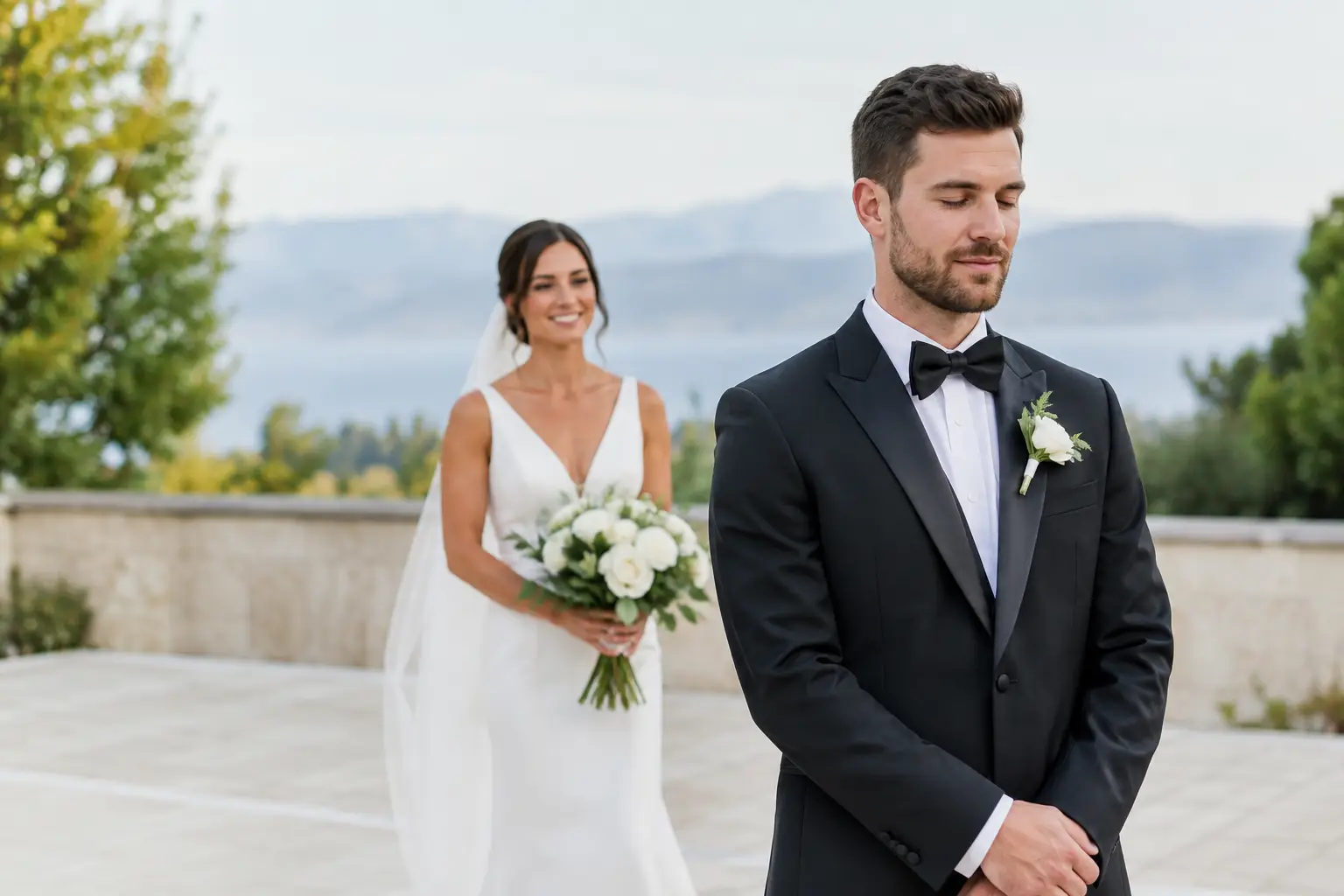
There is also a middle ground that often produces exceptional photographs: lightly guided moments. Rather than asking people to hold stiff poses, a photographer might simply place them in strong light and let the interaction unfold. A couple walking together, talking quietly, or reacting to each other naturally will usually produce stronger images than a heavily posed setup. The result feels candid, even though it was shaped with intention.
What couples can do to help create candid moments
The photographer carries the technical and creative responsibility, but couples influence the environment more than they think. If you want images that feel genuine, protect the parts of the day where genuine interaction can happen.
Choose a timeline with margin. Stay present instead of treating the day like a checklist. Resist the urge to over-script every minute. Share with your photographer which relationships and emotional beats matter most, then trust them to observe. The less energy spent performing for the camera, the more room there is for real feeling.
It also helps to set expectations with family and the wedding party. When everyone understands that the goal is elegant, natural coverage rather than constant posing, the atmosphere changes. People relax. They engage with each other. That shift is visible in the final gallery.
At Rodney Bailey, this balance of discretion, preparation, and storytelling has long defined the work. After decades of documenting weddings across the DC region, the principle remains the same: the most memorable photographs are earned through experience, not forced through interruption.
Why experience matters more than luck
Anyone can capture a candid image. Capturing candid wedding moments consistently, beautifully, and under pressure is something else entirely. Weddings move quickly. Lighting changes. Emotions peak without warning. Family dynamics can be subtle. There are no retakes.
This is why couples investing in premium wedding photography often prioritize experience as much as style. They are not only hiring someone to make attractive images. They are trusting that photographer to recognize significance, work gracefully in high-stakes environments, and preserve the emotional truth of the day with polish and consistency.
The photographs that last are rarely the loudest ones. They are the images that reveal something true – a look, a gesture, a reaction that might have gone unnoticed in the moment but becomes invaluable later. That is the art in candid wedding photography. Not just seeing what happened, but understanding what it meant while it was happening.
If you want your wedding gallery to feel timeless, give real moments room to happen and choose a photographer who knows how to recognize them before they disappear.
Related Posts