Photojournalism Versus Fine Art Photography
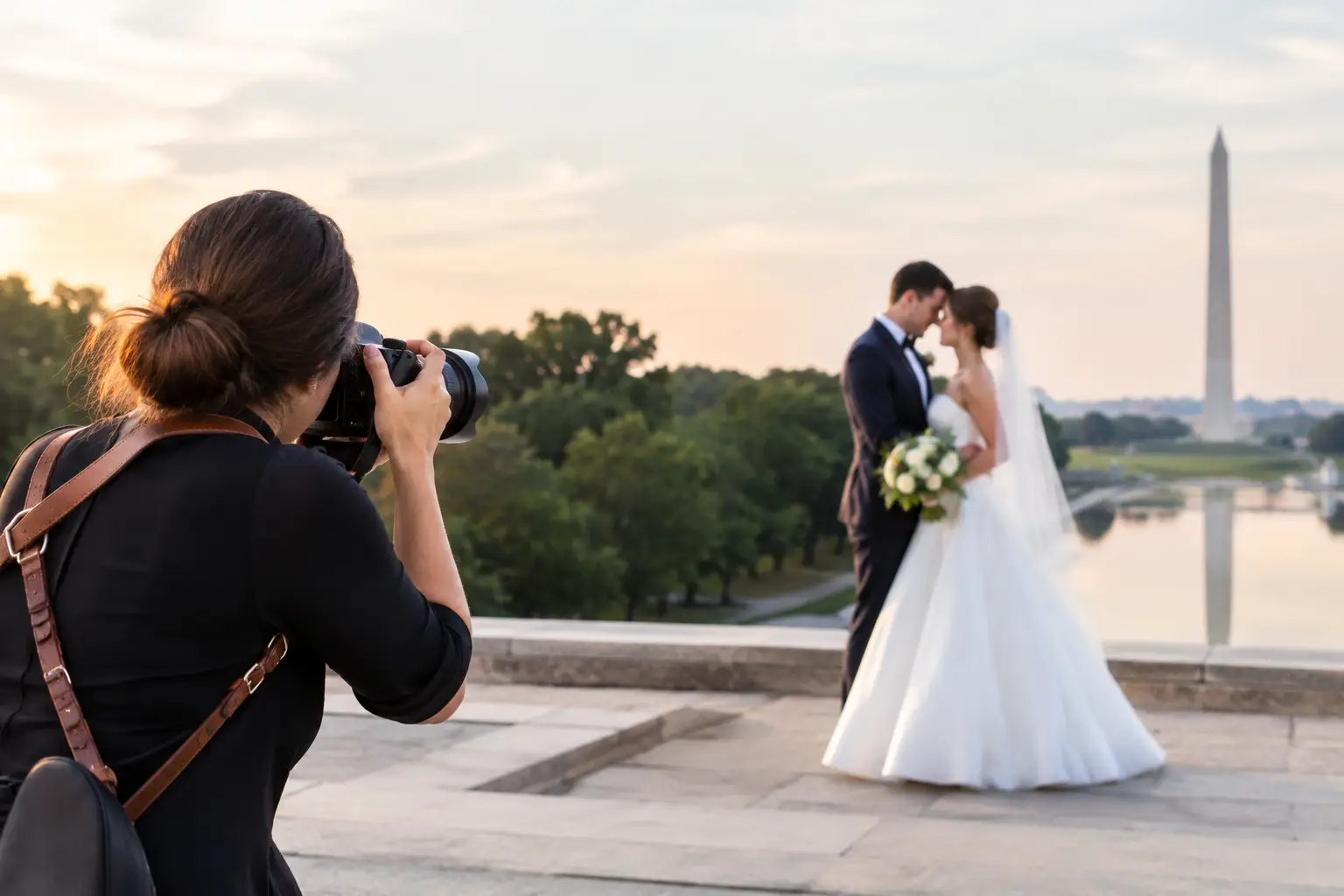
A Washington DC wedding photographer can stand in the same sunlit ceremony space, photograph the same first kiss, and create two entirely different kinds of images. That distinction sits at the heart of photojournalism versus fine art photography. Both approaches can be beautiful, polished, and worthy of a place on your walls. The question is not which style is universally better. It is which approach best reflects the way you want your celebration to feel when you look back on it years from now.
For couples planning a wedding in Washington, DC, Northern Virginia, or Maryland , the answer often comes down to a balance of authenticity, artistry, and ease, particularly for Washington DC wedding photography. You want images with intention, but you also want to be present with the people you invited to celebrate.
What Is Photojournalism in Wedding Photography?
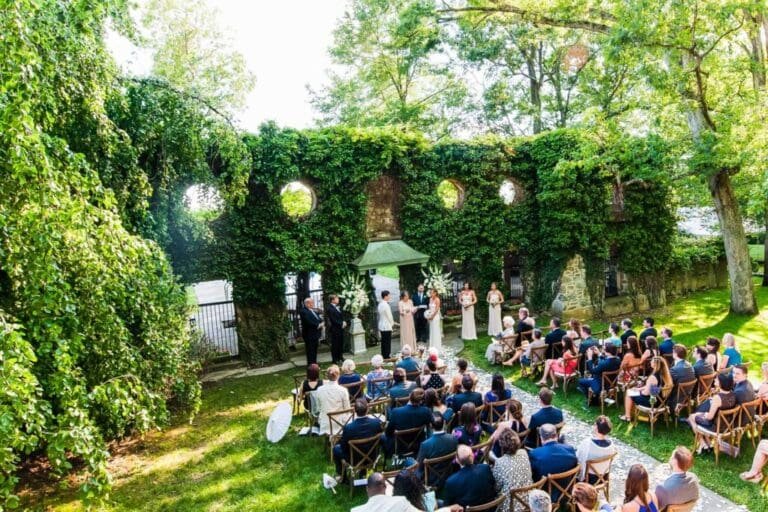
Photojournalistic wedding photography is rooted in observation. The photographer anticipates moments rather than directing every one of them: a parent taking a quiet breath before the ceremony, friends reacting to a heartfelt toast, a child racing across the dance floor, or the expression shared between two people who have just realized the room is full of everyone they love.
The best photojournalism is not accidental or passive. It requires experience, timing, technical command, and an ability to read a room. A skilled photographer recognizes when emotion is building, chooses the right position without disrupting the moment, and makes a strong composition in seconds. The result feels natural because it is built from real behavior rather than a manufactured scene.
For weddings and milestone events, that discretion matters. The day has its own momentum. A photojournalistic photographer works within it, allowing the ceremony, family traditions, and celebration to unfold while preserving the details that might otherwise pass too quickly to notice.
This style is particularly meaningful for couples who are uneasy about being photographed for hours. Rather than feeling as though they are performing for the camera, they can spend more of the day connecting with each other and their guests. Portraits still have a place, but the overall story is shaped by genuine interactions.
What Defines Fine Art Photography?
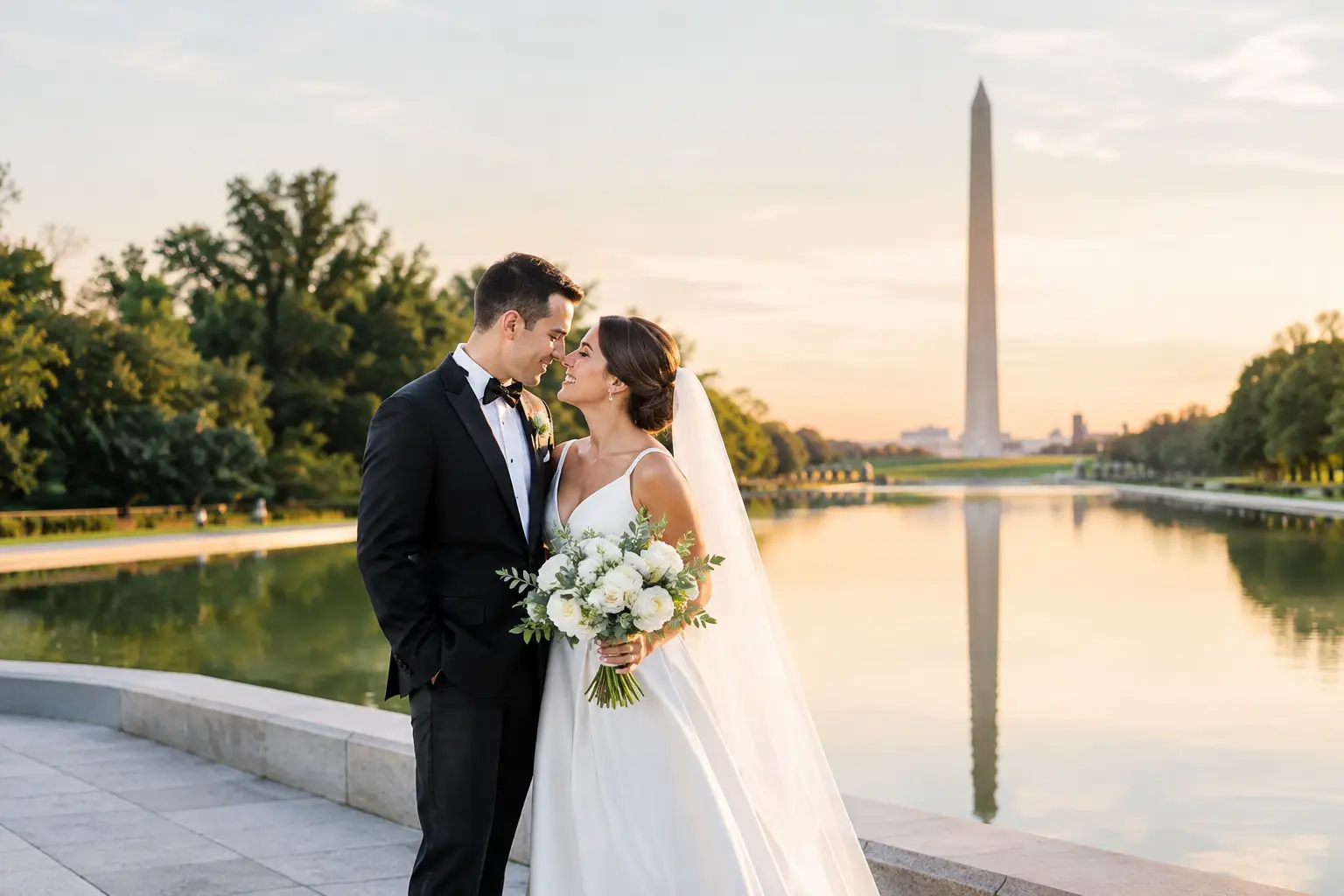
Fine art photography begins with a more overtly authored point of view. The photographer may carefully shape the light, direct the pose, curate the setting, and edit the final image to create a specific visual mood. The result can be romantic, editorial, painterly, dramatic, or minimal, depending on the artist’s aesthetic.
At a wedding, fine art influence often appears in deliberately composed portraits, detailed flat lays, fashion-inspired images, and carefully arranged scenes. A photographer may ask a couple to pause near a window, guide the placement of hands and posture, or move a bouquet and veil so the image has a particular balance. These choices are not less meaningful. They simply prioritize visual construction alongside documentation.
Fine art photography can be an excellent fit for couples who love highly stylized imagery and have a clear aesthetic vision for their wedding. If the visual design of the day is central to your priorities, an approach that gives more time to directing and refining images may be especially appealing.
The trade-off is time and attention. More intricate styling and direction can create extraordinary photographs, but it may require a slower schedule, more cooperation from the wedding party, and a willingness to step away from the celebration at selected points during the day.
Photojournalism Versus Fine Art Photography: The Essential Difference
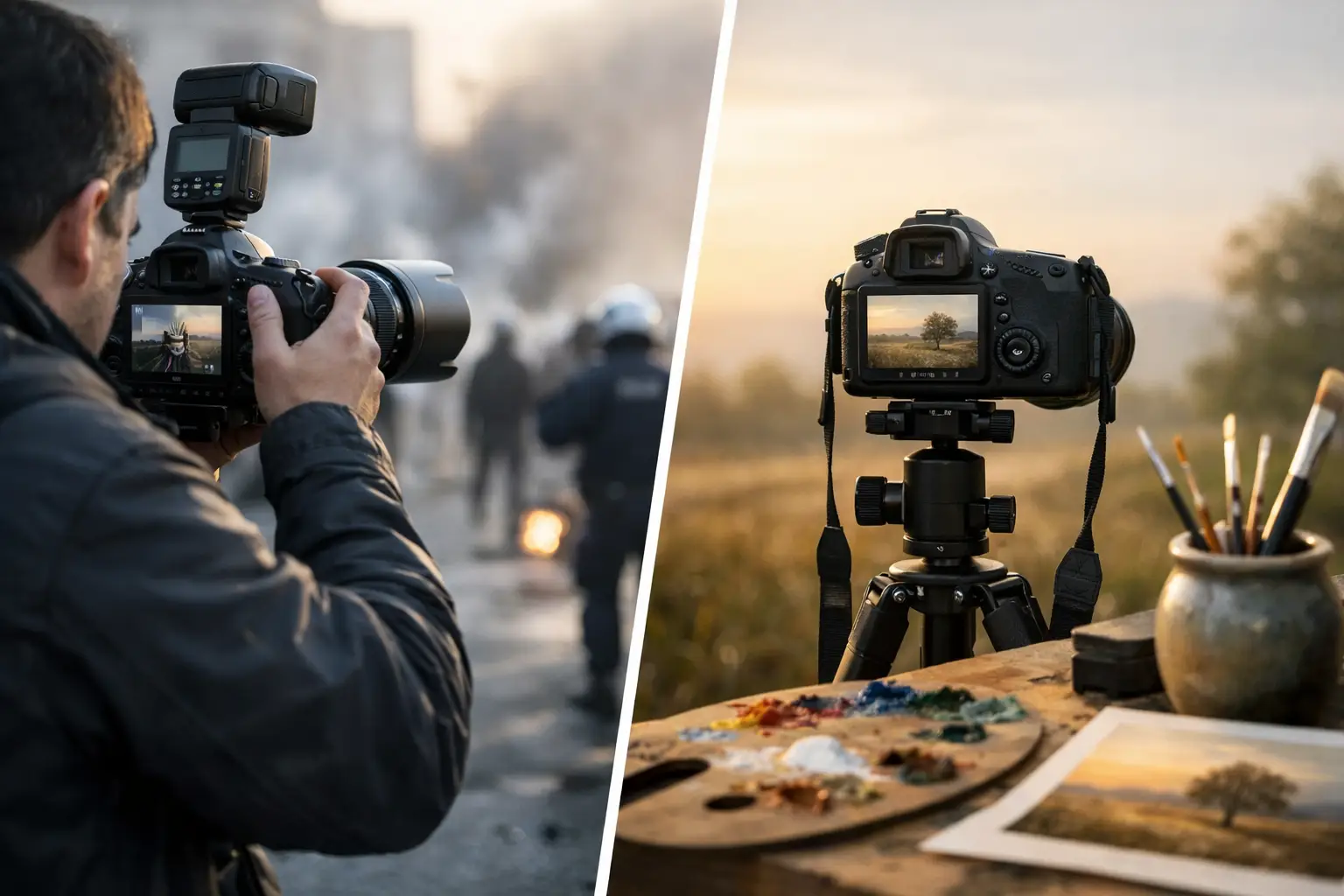
The clearest difference between photojournalism versus fine art photography is the photographer’s relationship to the scene. Photojournalism finds the story already happening. Fine art photography more actively shapes the scene to express an artistic vision.
That distinction affects everything from posing to post-production. A photojournalistic image often preserves the imperfect, personal details that make a moment believable: a hand reaching across the table, a tear arriving before it can be brushed away, laughter that is not symmetrical or camera-ready. Fine art imagery may refine a scene through cleaner composition, controlled gesture, and a consistent visual treatment.
Neither style is entirely rigid. An experienced wedding photographer can create an elegant, flattering portrait with thoughtful direction and then step back to document an unguarded embrace moments later. In fact, many of the most complete wedding collections combine both instincts. The key is understanding which one leads the photographer’s work.
For clients seeking natural, emotional coverage, photojournalism is often the foundation. It protects the life of the event. Fine art sensibility can then elevate selected portraits and details without turning the entire day into a production.
How Each Style Feels in Your Wedding Album
A photojournalistic album tends to feel immersive. Looking through it is like returning to the rhythm of the day: anticipation in the getting-ready room, the shift in the room as the ceremony begins, the energy of cocktail hour, and the release of joy on the dance floor. It tells you not only what everything looked like, but also how it felt.
A fine art album tends to feel more curated. It may emphasize beauty, atmosphere, design, and visual consistency. You may see carefully rendered florals, striking architecture, luminous portraits, and images that feel ready for an editorial feature.
Most couples want some of both. They want to look their best in portraits, honor the work that went into planning the event, and have images with a refined finish. Just as importantly, they want to see the people who made the day matter. The strongest photography makes room for the grand scene and the fleeting human truth within it.
Questions to Ask Before You Choose a Style
Begin by looking beyond a photographer’s best individual images. Ask to see full wedding galleries. A single dramatic portrait can be impressive, but a complete gallery reveals how a photographer handles changing light, family formals, emotional ceremonies, fast-moving receptions, and quiet in-between moments.
Consider what you value most when you imagine opening your album on an anniversary. Do you picture artful, directed portraits that could hang in a gallery? Do you want to relive your grandmother’s reaction during the vows or the spontaneous celebration after a meaningful speech? Your answer will help clarify the style that feels most personal.
It is also wise to ask how the photographer works on the wedding day. How much direction do they typically give? How do they approach portraits? What happens if the timeline changes or the weather shifts? A seasoned professional should be able to explain their process with confidence and adapt without creating unnecessary stress.
For a large, multi-generational celebration, photojournalistic awareness is especially valuable. There may be religious traditions, family relationships, cultural rituals, or formal moments that happen quickly and cannot be repeated. The photographer must understand when to guide and when to remain invisible.
The Value of a Blended, Story-First Approach
The most enduring wedding photography rarely fits into a single label. A thoughtfully directed portrait can be every bit as authentic as a candid image when it reflects the connection between the two people in it. Likewise, an unposed moment still benefits from an artist’s eye for light, framing, and timing.
After more than 30 years of photographing weddings and events, Rodney Bailey’s approach is built around that balance: refined imagery created with a photojournalist’s respect for real moments. The goal is not to make your wedding look like someone else’s. It is to preserve the atmosphere, relationships, and joy that made it unmistakably yours.
When comparing photographers, choose the work that makes you feel something before you analyze it. The right images should let you remember the elegance of the day, while bringing you back to the laughter, nerves, affection, and celebration that no amount of staging could replace.
Related Posts