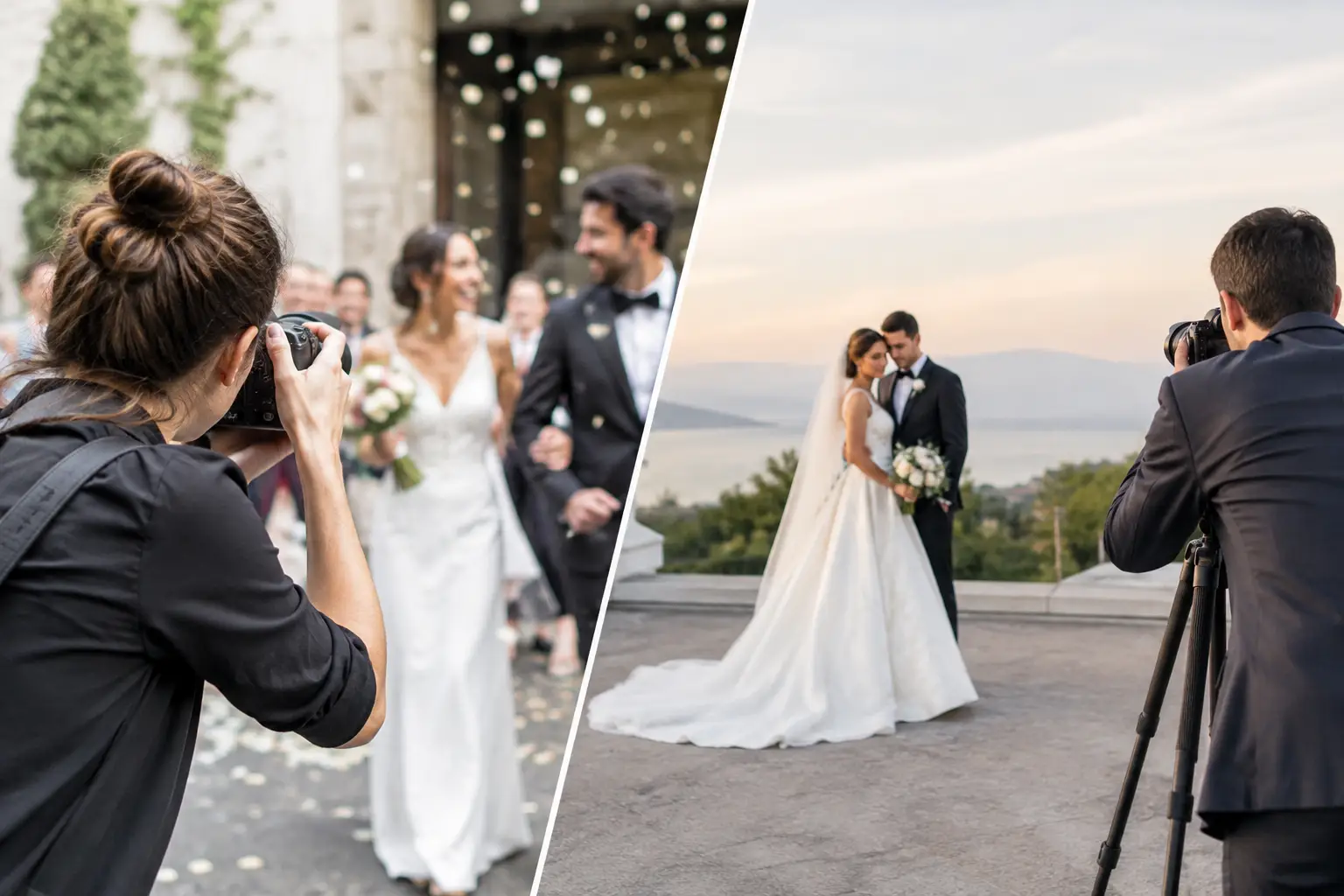

Wedding Photography Timeline Planning Guide
A beautiful wedding gallery rarely comes from rushing. It comes from margin – enough time for real interactions, thoughtful transitions, flattering light, and the unexpected moments that often become the most meaningful photographs of the day. This Washington DC wedding photography timeline planning guide is designed to help you build that margin so your celebration feels elegant, personal, and well cared for from start to finish.
The biggest misconception couples have is that photography happens in neat, isolated blocks. In reality, the best coverage is connected. The timing of hair and makeup affects getting-ready portraits. Family photo organization affects cocktail hour. Ceremony timing affects sunset portraits. When a timeline is built thoughtfully, the entire day feels calmer, and your photographs reflect that ease.
Why a wedding photography timeline planning guide matters
A strong photography timeline is not about turning your wedding into a production schedule. It is about protecting the experience you want to have. If you value natural, emotional images, your photographer needs time to observe, anticipate, and document moments as they unfold rather than compressing everything into a series of hurried setups.
This is especially true for Washington, DC weddings, where traffic, security procedures, venue access, and travel between locations can all influence the day more than couples initially expect. Cathedral ceremonies, hotel preparations, private clubs, museum venues, and city portraits each bring different timing realities. A refined timeline accounts for those variables early, before they become stress points.
There is also a practical advantage. Couples often remember how the day felt just as vividly as what happened. A schedule with breathing room supports both. You enjoy the celebration more fully, and your photography has the space to capture genuine expression rather than visible time pressure.
Start with the light, not just the clock
One of the smartest ways to approach a wedding day timeline is to begin with the ceremony time, then work backward and forward based on light, season, and location. Natural light influences almost every part of the visual story, from getting-ready portraits near a window to romantic evening images outdoors.
If you are planning an outdoor first look or couple portraits, the time of year matters. A winter wedding in DC loses daylight much earlier than a summer celebration. If your ceremony begins near sunset, most formal portraits may need to happen beforehand. If your reception venue has dramatic architecture or skyline views, twilight may offer a brief but exceptional portrait opportunity. Those choices shape the rest of the schedule.
This does not mean every couple needs the same timeline. Some prefer a first look and a more relaxed post-ceremony flow. Others want to preserve the tradition of seeing each other for the first time at the aisle. Both can work beautifully. The right choice depends on what matters most to you – private time together before the ceremony, maximum cocktail hour attendance, family logistics, or a more traditional reveal.
Build the day in segments that actually work
The most effective wedding photography timeline planning guide is grounded in realistic pacing. Rather than assigning arbitrary times, think in terms of what each part of the day needs to feel complete.
Getting ready usually needs more time than couples expect. Beyond hair and makeup, there is time for detail photographs, candid moments with your wedding party, finishing touches, and portraits once everyone is dressed. If your room is crowded, dark, or split across multiple locations, additional time can be helpful.
First looks are often most successful when they are private and unrushed. That means allowing time not only for the reveal itself, but also for a few portraits immediately afterward while the emotion is still fresh. If family and wedding party portraits happen before the ceremony, those should follow with a clear plan for who is needed and when.
Ceremonies tend to run on their own rhythms. Religious services, cultural traditions, and multi-part ceremonies may require more flexibility than a standard civil ceremony. Your photography timeline should respect that rather than trying to force precision where it does not belong.
Cocktail hour often becomes the most contested part of the day. Couples want to join their guests, and understandably so. But if all family formals, wedding party portraits, and couple portraits are pushed into that window, it can disappear quickly. A first look can help reclaim some of that time. If you are not doing one, a highly organized family photo plan becomes even more important.
Reception coverage also deserves thoughtful timing. Grand entrances, first dance, toasts, parent dances, dinner service, and open dancing should flow in a way that feels natural for guests and workable for photography. If every formal event is delayed, portrait opportunities and candid dance-floor coverage can be affected later in the evening.
The moments that deserve more time than you think
There are a few parts of the day that couples routinely underestimate. Family portraits are at the top of that list. Even when they are efficient, they involve gathering people, confirming names, managing dynamics, and adjusting for anyone who has stepped away. Large extended families or blended families may need a more tailored approach.
Travel is another common blind spot. Ten minutes on a map is not the same as ten minutes on a wedding day, especially in downtown DC, Georgetown, or during peak weekend traffic, particularly when working with a Washington DC wedding photographer. Add valet delays, elevator waits, or venue restrictions, and tight transitions can become fragile very quickly.
Bustling a dress, freshening makeup, and stepping into a veil or jacket also take time. These are small details, but they affect whether the day moves smoothly. A premium experience is usually the result of planning for these real-life transitions instead of pretending they do not exist.
How to make family photos fast and graceful
Family portraits do not need to feel cumbersome, but they do need structure. The most successful approach is to create a concise, prioritized list in advance, beginning with immediate family and adding meaningful extended combinations selectively.
It also helps to appoint one person on each side of the family who knows the key relatives and can help gather them quickly. Your photographer should be focused on composition, expression, and pace – not searching for an uncle no one can locate.
If there are sensitive family dynamics, communicate them ahead of time. Divorced parents, strained relationships, remarriages, and mobility concerns are all manageable when they are known in advance. Discretion and planning go a long way toward keeping this portion of the day smooth and respectful.
A sample flow, with room for real life
No single schedule fits every wedding, but a well-paced day often follows a simple principle: front-load what can happen before the ceremony so the celebration feels freer afterward. That may mean details, getting ready, a first look, wedding party portraits, and many family photos all happening before guests take their seats.
For couples who prefer not to see each other before the ceremony, the timeline can still work beautifully. The key is to protect enough time afterward for portraits and to keep family groupings streamlined. In that case, sunset portraits later in the day can add another layer of atmosphere without requiring a long absence from the reception.
At Rodney Bailey, we often find that the best timelines are the ones that feel intentional without feeling rigid. They leave space for the emotional truth of the day, which is where the most memorable photographs usually live.
Questions to ask before finalizing your photography timeline
Before locking in your schedule, consider a few practical questions. How many locations are involved, and how far apart are they in real traffic conditions? Are there venue rules around access, flash, or portrait locations? Do you want most formal photographs completed before the ceremony, or would you rather preserve tradition and make time later? Is there a sunset window worth protecting?
These questions are not meant to complicate the process. They help align the timeline with your priorities. The right plan should reflect the kind of wedding you want to have, not just the order of events on paper.
The best timeline feels effortless because it was planned well
When couples look back on their wedding photographs years later, they respond to the feeling in the images. They remember the quiet breath before walking down the aisle, the relief and joy after the ceremony, the way the room looked as the evening settled in. Those moments are never improved by hurry.
A thoughtful timeline gives your photographer the ability to document the day with artistry and precision, but it also gives you something just as valuable – the freedom to be fully present. If your schedule protects that, you are planning wisely.
Related Posts