Wedding Reception Photography Tips That Work
A reception changes character by the minute. Candlelight gives way to a packed dance floor, grandparents lean in during a toast, and the couple finally has a moment to breathe together. The best wedding reception photography tips are not about forcing every tradition into a checklist, particularly for Washington DC wedding photography. They are about creating the conditions for real moments to unfold, then photographing them with intention, discretion, and a clear sense of the story.
For couples planning a Washington, DC, Northern Virginia, or Maryland celebration, that preparation begins well before guests enter the ballroom, particularly when working with a Washington DC wedding photographer. Historic venues, tented estates, rooftop gatherings, and restaurants all bring different visual opportunities and constraints. A thoughtful plan protects the experience while ensuring the photographs feel as alive as the evening itself.
Wedding Reception Photography Tips Begin Before the Reception
The most successful reception coverage starts with a conversation about priorities. Some couples care deeply about the first dance and every speech. Others want less emphasis on formalities and more photographs of friends, family, and the energy of the party. Neither approach is better, but your photographer needs to know what matters most to you.
Share a concise list of essential people and meaningful details ahead of time. This may include a parent who traveled a long distance, a close friend giving a toast, heirloom jewelry, a custom seating display, or a cultural tradition that deserves special attention. The goal is not to turn the photographer into a guest wrangler. It is to provide context so important moments are recognized as they happen.
A well-built timeline is equally valuable. Allow enough time between the ceremony and reception events for a few portraits, a room reveal if desired, and a calm entrance. When formalities are stacked back-to-back, there is little room for natural reactions, transitions, or a couple to enjoy the celebration. A modest buffer often produces more relaxed photographs and a better guest experience.
Coordinate With Your Planner, Venue, and Entertainment Team
Reception photography works best when the vendor team shares the same sequence of events. Your planner should provide the timeline, while the bandleader, DJ, caterer, and photographer should know when major moments are about to begin. A two-minute warning before a toast or parent dance can make the difference between being in position and photographing through a crowd.
Ask your entertainment team to avoid placing speakers, microphone stands, or bright uplights directly in front of the couple during speeches when possible. This is not always avoidable, particularly in a compact room, but early coordination can preserve cleaner sightlines. Your photographer should also know whether a spotlight, cold spark effect, confetti moment, or dance-floor lighting change is planned.
Design the Room With Photographs in Mind
A beautifully designed reception deserves to be documented before the room fills. Plan for your photographer to photograph the tables, florals, stationery, cake, and overall atmosphere shortly before guests enter. If your schedule permits, a brief private room reveal can be a meaningful pause for the two of you and provides an opportunity to see the work that went into the celebration.
Lighting has an outsized effect on how a room feels in photographs. Warm, layered light generally creates a more flattering and dimensional result than a single, harsh source. Candlelight, pin spots on centerpieces, and ambient overhead fixtures can work beautifully together. If you are adding colored uplighting, consider using it selectively. Saturated magenta, blue, or green light can cast difficult colors onto skin and formal attire, especially during first dances and speeches.
It is worth discussing flash photography with your venue and photographer in advance. An experienced professional can preserve the mood of a dim room while using light carefully enough to keep faces natural, expressions clear, and movement crisp. The right lighting should support the atmosphere, not announce itself.
Choose a Thoughtful Seat for the Couple
Your sweetheart table or head table becomes a visual anchor throughout the evening. Position it where you can see your guests and where guests can see you, but avoid placing it directly beneath an exit sign, in front of a service station, or against a visually busy backdrop if alternatives exist.
Think about what will be behind you during toasts and candid moments. A backdrop of candlelight, florals, windows, or architectural detail can elevate these images. More importantly, choose a setting that lets you remain present. If you are isolated at the far end of the room, guests may be less likely to stop by, and those spontaneous interactions are often among the most meaningful photographs of the night.
Let Formal Moments Breathe
Entrances, toasts, cake cutting, and dances are familiar reception traditions, but their photographs become personal through reaction. During a speech, the person at the microphone matters, yet so do the tears in a parent’s eyes, the laughter shared at a table, and the way one partner reaches for the other’s hand.
Give toasts enough time to develop. A rushed sequence of speeches can feel transactional, while a few well-chosen words and a natural pause afterward create space for emotion. If several people will speak, ask them to keep remarks focused. This helps maintain the room’s attention and keeps the evening moving without diminishing the sentiment.
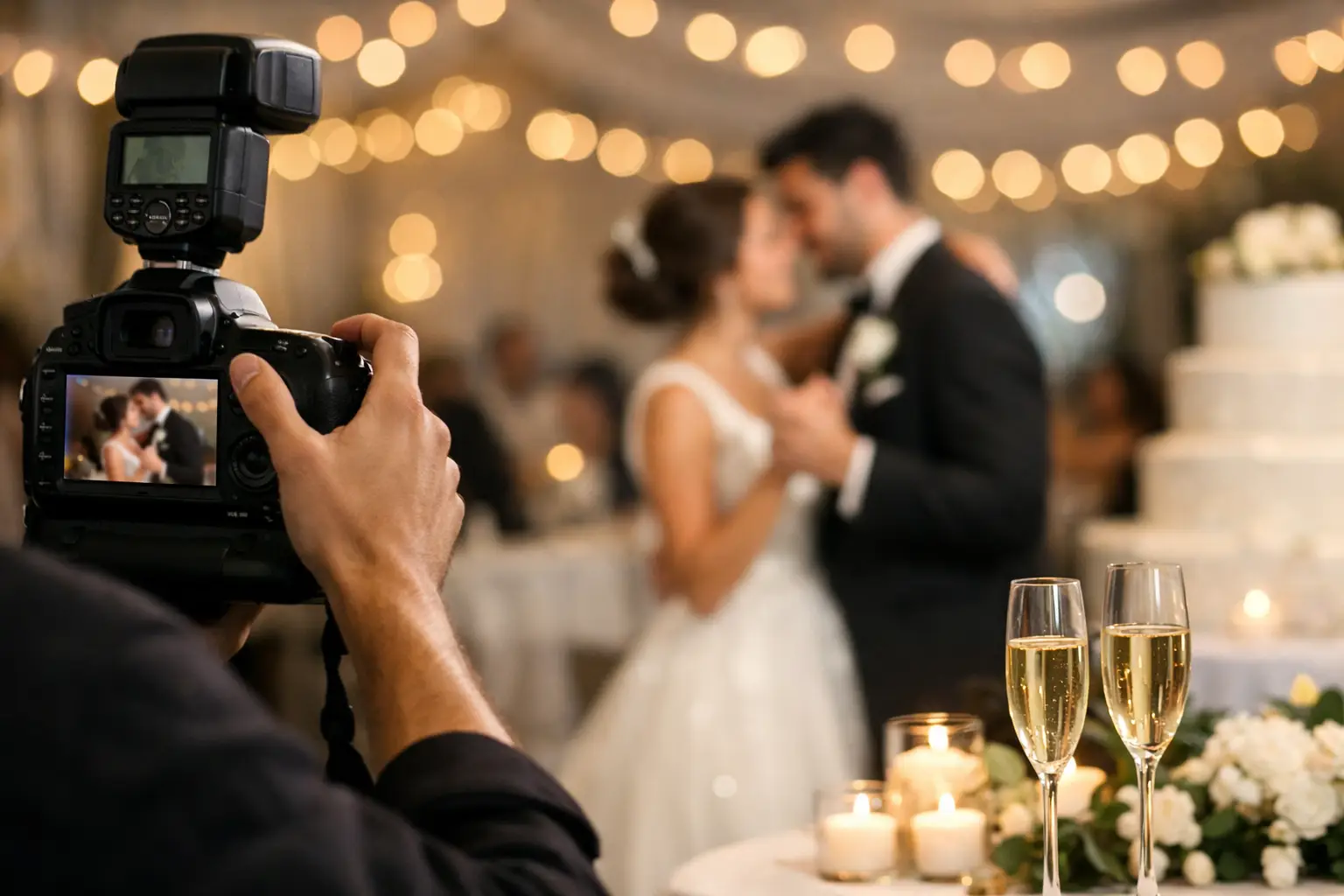
For the first dance, consider inviting guests to hold off on joining you for the first minute or two. That short window gives you a chance to be together and gives your photographer clear views of the connection, movement, and setting. Afterward, welcome everyone in if that suits your style. The resulting photographs can show both the intimacy of the moment and the joy of being surrounded by your people.
Cake cutting is another event that benefits from a little intention. Choose a spot with workable light and enough room for guests and photographers to see. If you are cutting the cake immediately after dinner, confirm the cake has been moved into place and that the coordinator has cleared nearby clutter. A simple adjustment can turn a hurried documentation photo into a polished part of the visual story.
Make Space for Honest Candid Images
The dance floor is rarely at its best in the first ten minutes. Once guests are comfortable, jackets come off, generations mix, and the party develops its own rhythm. Trust your photographer to move through the room, watch for expressions, and anticipate the small interactions that cannot be recreated.
You can help by being on the dance floor yourselves. Couples who spend time with their guests tend to receive more energetic, connected reception images because they are at the center of the celebration rather than watching it from a distance. This does not mean you need to perform for the camera. It means giving yourselves permission to participate fully.
A premium photojournalistic approach is especially valuable here. Rather than interrupting a laugh to arrange people into a pose, the photographer observes, anticipates, and responds quickly. The result is imagery that recalls not only how the room looked, but how it felt to be there.
If there are people you would especially love to see photographed, mention them early in the evening or ask a trusted planner or family member to point them out discreetly. This is useful for older relatives, childhood friends, or loved ones who may leave before the final songs. It is a practical request, not an intrusion on candid coverage.
Build a Strong Exit Strategy, Even Without a Formal Exit
Not every wedding needs a sparkler exit. In fact, a staged departure can interrupt a lively dance floor or require guests to leave before they are ready. If a formal exit is important to you, schedule it when the energy is high and confirm venue rules, safety requirements, and available lighting with your vendor team.
If you prefer to keep the party going, there are other ways to close the photographic story. A late-night portrait under the venue’s architecture, a quiet moment outside after the dance floor fills, or a final image of the two of you taking in the room can be just as memorable. These brief pauses often become some of the most personal images from the reception.
After more than 30 years documenting milestone celebrations, Rodney Bailey understands that the strongest reception photographs are built on trust and presence. A clear plan matters, but the real magic happens when you stop managing the evening and begin living it. Choose the traditions that mean something to you, give your team the information they need, and leave room for the joyful surprises no timeline can predict.
Related Posts