What Should Wedding Photographer Include?
A beautiful portfolio can get your attention. A thoughtful photography experience is what protects your wedding day.
If you are asking what should wedding photographer include, you are already asking the right question. The answer goes far beyond a set number of hours or an online gallery. The best Washington DC wedding photography collections include not only coverage, but planning, communication, consistency, and the ability to tell the story of the day with honesty and polish.
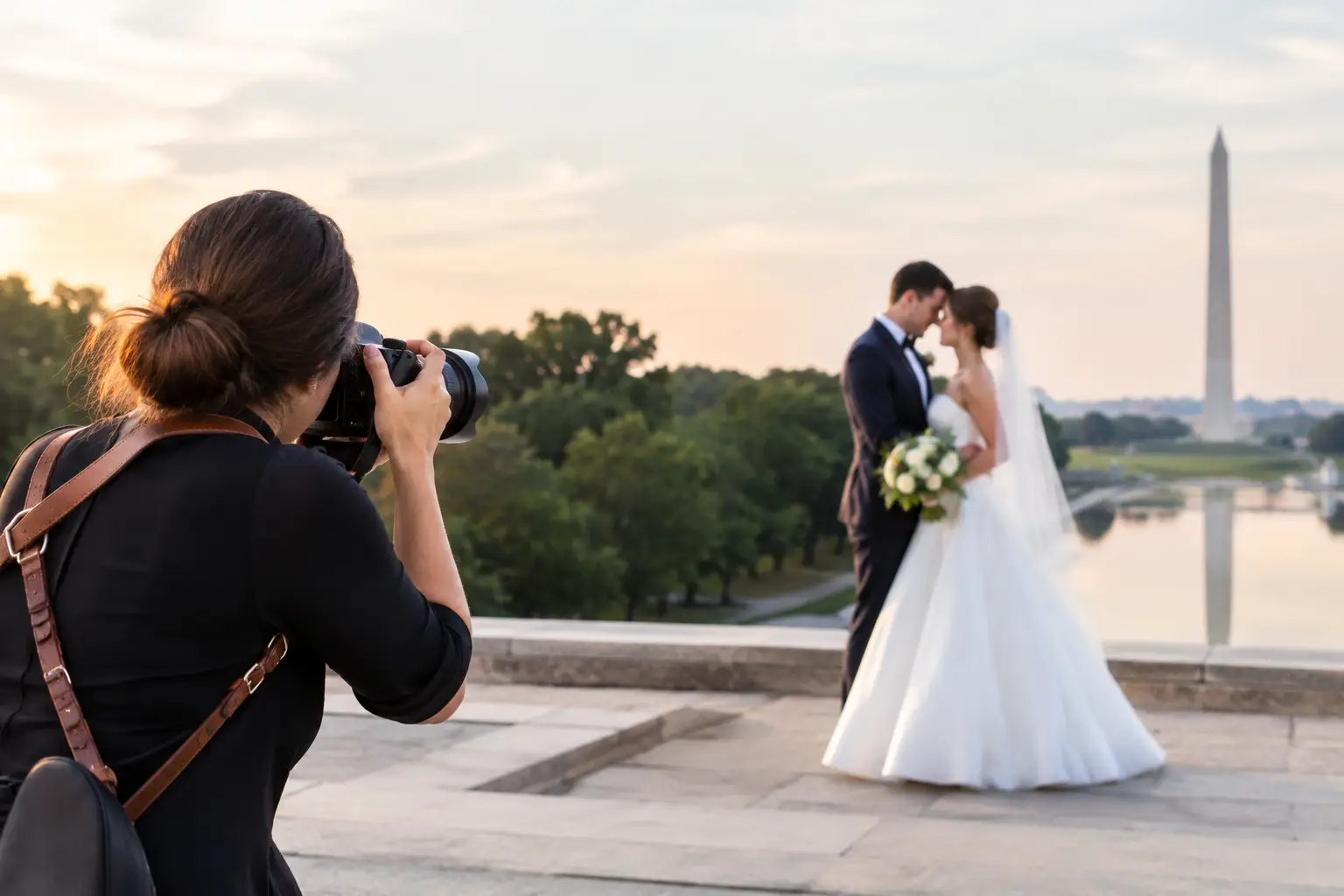
For couples in Washington, DC, Northern Virginia, and Maryland, that distinction matters. Weddings here often move quickly, involve multiple locations, and bring together families, traditions, and logistics that leave very little room for guesswork. A photographer should bring much more than a camera.
What should wedding photographer include in a professional package?
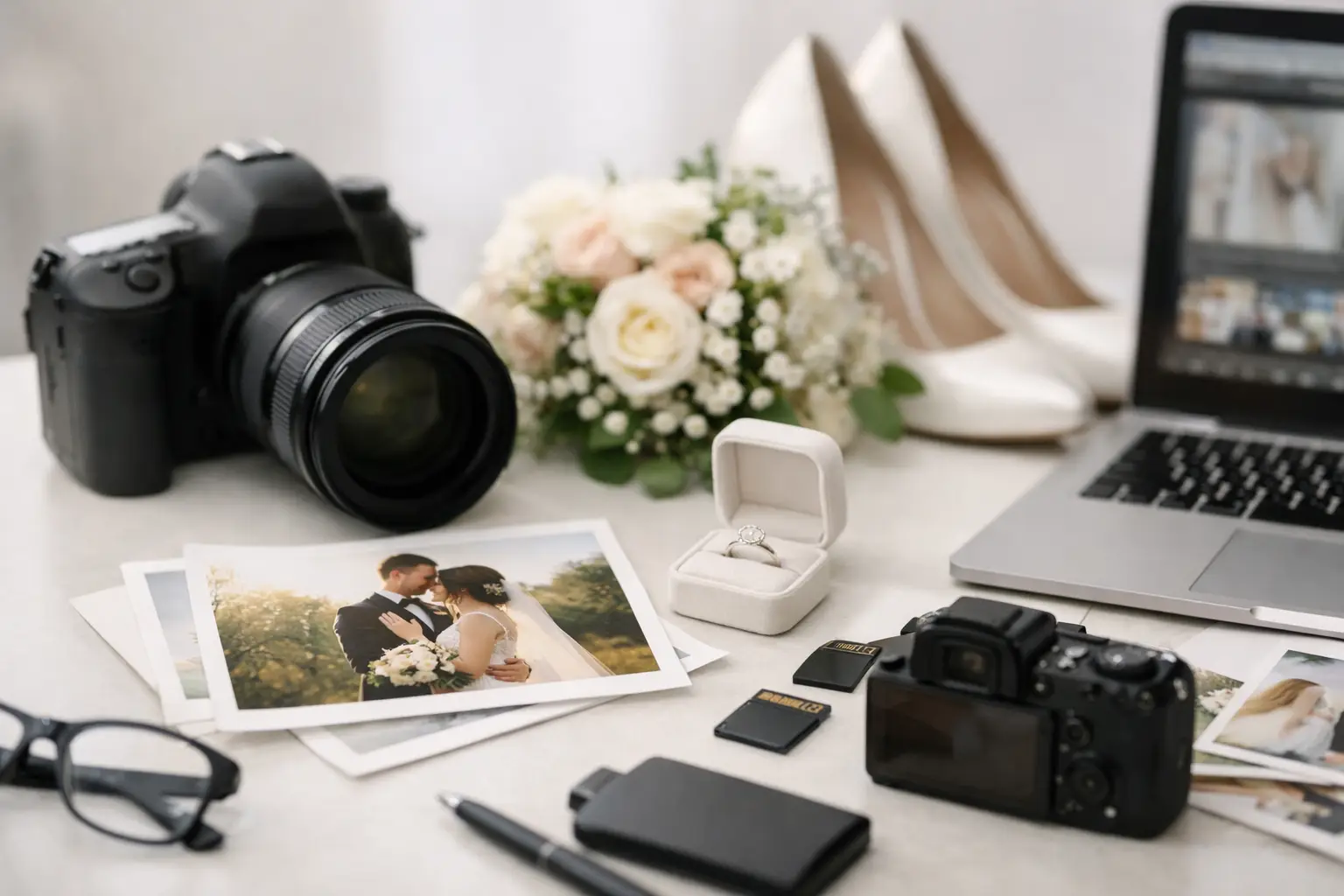
At the most basic level, a wedding photographer should include clear coverage time, edited high-resolution images, and a defined delivery process. Those are the essentials. But premium service means looking deeper at what supports those deliverables and whether the photographer is set up to perform at a high level under real wedding-day conditions.
Coverage hours should be clearly stated, with realistic guidance on how much time is needed for your actual timeline. This sounds simple, but it is one of the first places couples get tripped up. Eight hours may be enough for one wedding and too tight for another. If you are getting ready at a hotel in Georgetown, holding a ceremony at a church downtown, and hosting your reception at a separate venue, timing needs to be planned with precision. A good photographer helps you think this through in advance rather than leaving you to guess.
Edited images should also be part of the standard offering. That means professionally selected and refined photographs with consistent color, exposure, and finishing. It does not mean every frame taken that day. Curation is part of the craft. You want the strongest storytelling images, not a bloated folder filled with near-duplicates and test shots.
The delivery process should be transparent. You should know when your images will arrive, how they will be delivered, and what rights you have to print and share them. Ambiguity here often leads to disappointment later.
The service behind the images matters just as much
The strongest wedding photography experience includes planning support before the wedding, calm direction during the day, and dependable follow-through after the event. This is especially important for couples who want natural photographs but do not want to spend the day being overly posed or pulled away from their guests.
Pre-wedding consultation should be included in some form. That may involve timeline review, family-photo planning, venue logistics, and understanding what matters most to you personally. Every couple has a different rhythm. Some want ten minutes of portraits and maximum candids. Others value a more structured approach to family coverage. Neither is wrong, but your photographer should know your priorities before the wedding day begins.
A family photo plan is another detail worth expecting. Formal portraits can be done efficiently and elegantly, but only when there is a list, a sequence, and someone experienced enough to keep things moving. Without that preparation, family photos can become the most stressful part of the day.
Good communication should not be treated as a luxury add-on. It is part of the service. Couples deserve timely responses, clarity around expectations, and guidance that reduces uncertainty rather than adding to it.
A second photographer can be valuable, but not always essential
One of the most common questions tied to what should wedding photographer include is whether a second photographer belongs in every package. The honest answer is that it depends.
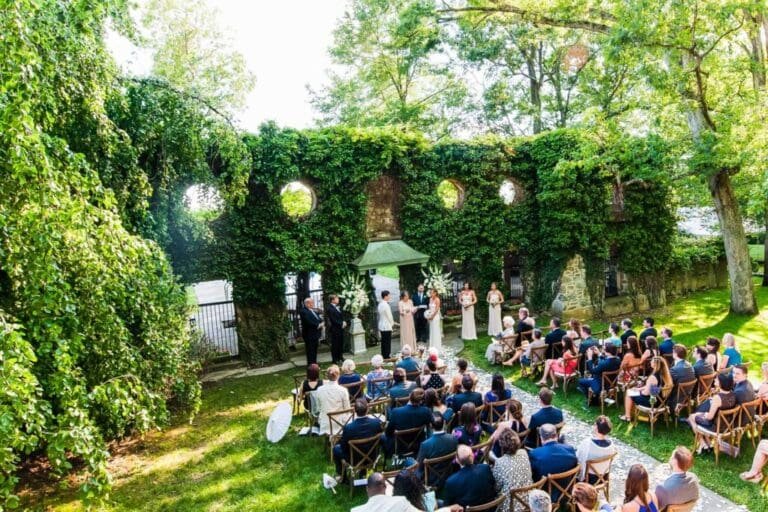
For larger weddings, multiple locations, or events with extensive guest coverage needs, a second photographer can be extremely helpful. It allows simultaneous documentation of both partners getting ready, more comprehensive cocktail hour coverage, and alternate angles during the ceremony and reception. In a fast-moving celebration, that extra layer of coverage can add real value.
For smaller weddings, intimate celebrations, or events built around a simpler timeline, one experienced lead photographer may be all you need. More is not automatically better. What matters is whether the coverage matches the shape of the day.
An experienced studio should be able to explain when a second photographer strengthens the story and when it simply adds cost without a meaningful return.
What should wedding photographer include beyond the wedding day?
The answer should include preparation, editing, archival care, and final presentation. Couples often focus on the event itself, but some of the most important value happens before and after the wedding.
Before the wedding, engagement photography may be offered as part of a collection or as an option. This can be useful, not because every couple needs a save-the-date image, but because it builds comfort and rapport. Many people say they are not naturally comfortable in front of the camera. An engagement session gives you a chance to experience your photographer’s approach in a low-pressure setting.
After the wedding, image editing and delivery should be handled with care and consistency. This includes not just correcting files, but shaping a finished gallery that feels cohesive and emotionally true to the day. The best galleries move with rhythm. They do not simply document who was present. They bring you back into the room.
Album design is another feature worth considering. Not every couple wants an album immediately, but professionally designed heirloom books remain one of the most meaningful ways to preserve a wedding story. Digital files are convenient. Albums are lasting.
Backup practices should also be part of the conversation, even if they are not always listed in bold on a pricing guide. A professional photographer should have systems for file protection, equipment redundancy, and image preservation. Couples rarely ask about this until something goes wrong, which is exactly why it matters.
Style and consistency should be included, not left to chance
A photographer’s artistic point of view is part of the product. You are not just hiring someone to show up. You are hiring judgment, timing, restraint, and the ability to recognize meaningful moments as they unfold.
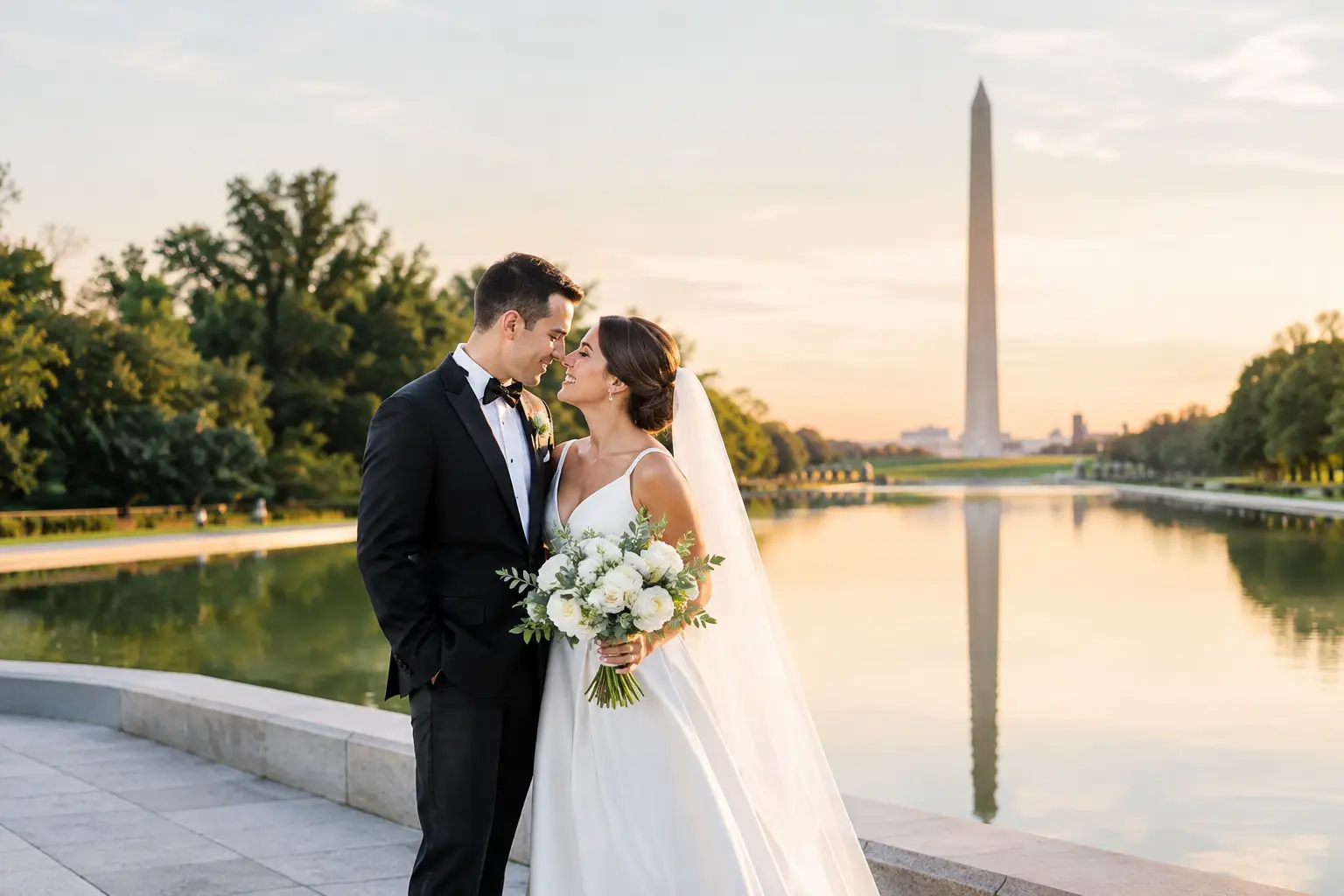
That is why consistency matters more than a few standout portfolio images. A wedding photographer should include a reliable approach to storytelling across many kinds of lighting, venues, weather conditions, and family dynamics. One dramatic sunset photo is lovely. A full wedding gallery with depth, elegance, and emotional range is what actually matters.
For a photojournalistic studio, that means natural interactions, unforced emotion, and portraits that feel polished without looking overly manufactured. The strongest wedding coverage balances candor with direction. Couples should feel seen, not staged.
Red flags when comparing what is included
Some omissions are more telling than the package price itself. If coverage terms are vague, turnaround times are undefined, or editing standards are unclear, pause there. If everything sounds customizable but nothing is actually specified, that can create confusion later.
It is also worth being cautious of photographers who compete heavily on image count alone. More files do not automatically mean better storytelling. In many cases, a carefully edited gallery is far more valuable than hundreds of repetitive frames.
Another area to watch is experience with wedding-day logistics. Weddings are live events. There are no retakes for the ceremony entrance, the first kiss, or a parent quietly wiping away tears during the toasts. A photographer should include not only creativity, but the ability to anticipate and perform under pressure.
That is one reason many couples choose an established studio with a long record of wedding coverage. At Rodney Bailey, for example, the emphasis has always been on authentic storytelling paired with a polished, deeply personalized client experience. That combination is difficult to fake and easy to feel when it is present.
How to decide what you actually need
The right photography package is not the one with the longest feature list. It is the one that reflects your priorities, your timeline, and the level of service you want around a once-in-a-lifetime event.
If you care most about candid storytelling, ask how the photographer works throughout the day when moments are unfolding naturally. If family photographs are especially important, ask how they organize groupings efficiently. If you want a calm, elevated experience from inquiry through delivery, pay attention to communication as much as imagery.
A strong Washington DC wedding photographer should include professional guidance, emotional intelligence, and the discipline to create lasting images without turning your celebration into a production set. That balance is where real value lives.
When you are choosing who will document your wedding, look for more than coverage. Look for care, judgment, and a proven ability to preserve the feeling of the day long after it has passed.
Explore More Insights on Wedding Photography