Candid Wedding Photography vs Traditional
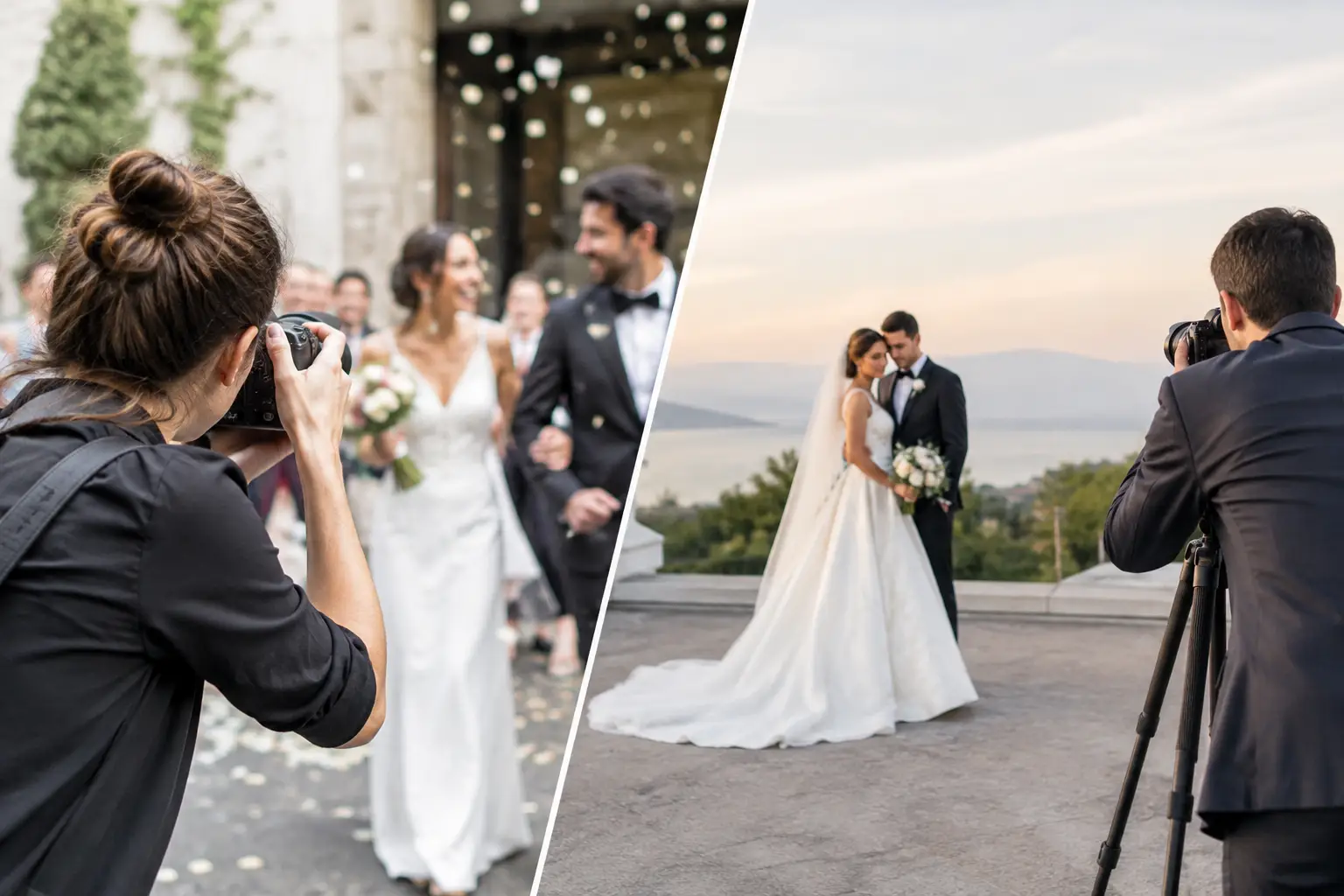
The difference between candid wedding photography vs traditional often becomes clear about ten minutes into a wedding day. One photographer is quietly watching your father straighten his tie before the ceremony. Another is arranging everyone into perfect rows and making sure every face is turned toward the camera. Neither approach is wrong. But they create very different records of the same celebration.
For couples planning a wedding in Washington, DC, Maryland, or Northern Virginia, this choice matters more than most people expect, particularly for Washington DC wedding photography. Your photography style shapes not only how your images look, but also how your day feels while it is being documented. If you want to enjoy your wedding rather than perform for it, the distinction is worth understanding early.
What candid wedding photography vs traditional really means
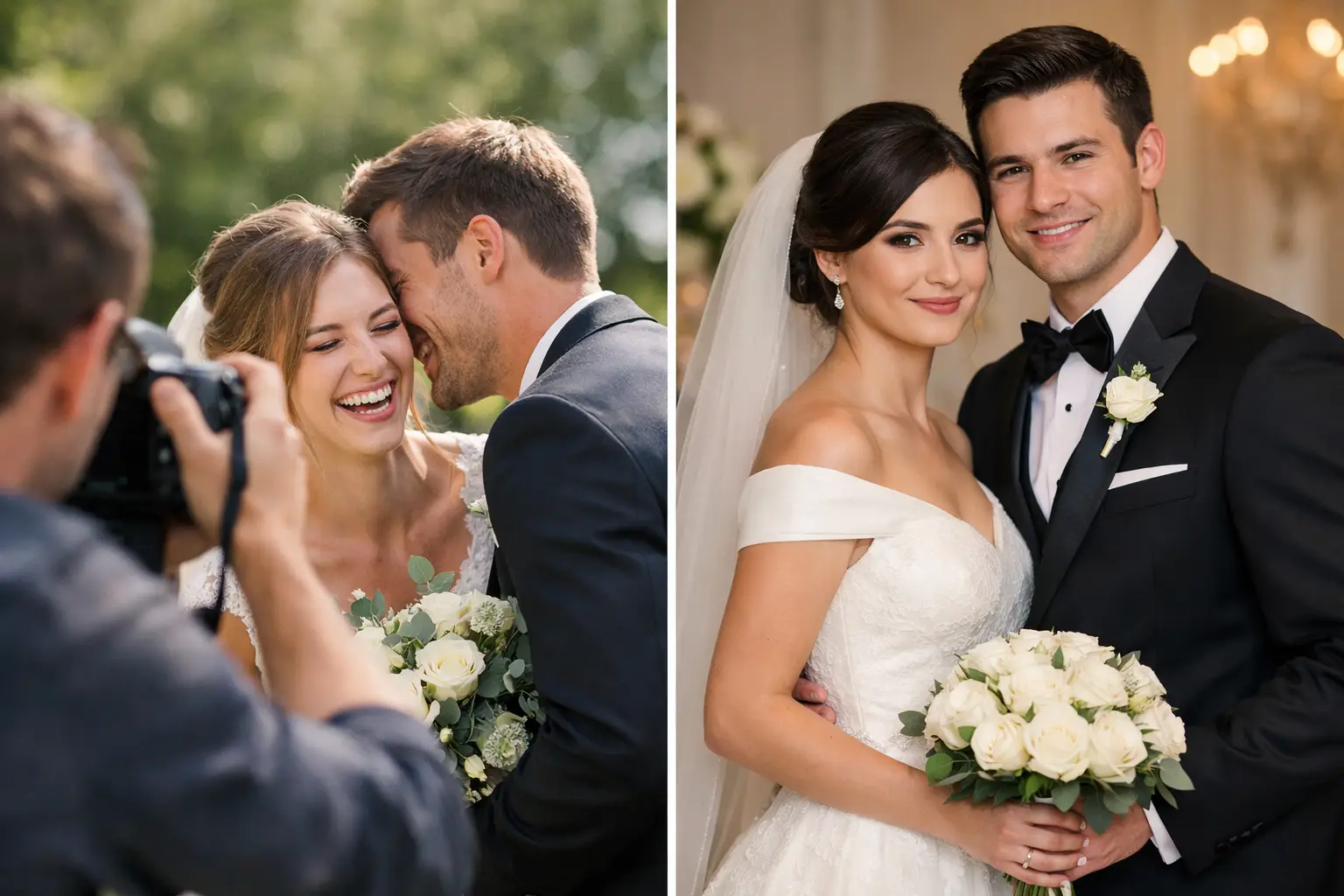
Candid wedding photography is rooted in observation. The photographer pays close attention to real interactions, unscripted expressions, and the small transitions that hold emotional weight. A glance across the aisle, the quick laugh during portraits, your grandmother reacting during the toasts – these are the moments that define the story.
Traditional wedding photography is more directed. It emphasizes structured portraits, classic compositions, and a clear sense of order. Family formals, looking-at-the-camera shots, and carefully posed images are central to the approach. This style has long been popular because it delivers polished photographs with predictability and clarity.
Most experienced wedding photographers understand both languages. The real question is not whether one style is better in every situation. It is which one should lead the day, and how much direction you want built into the experience.
The emotional difference in the final gallery
Candid photography tends to feel more alive because it preserves behavior rather than just appearance. You are not simply seeing what everyone wore or where they stood. You are seeing how the day unfolded. That distinction becomes more meaningful over time.
Years from now, couples rarely say their favorite image is the one where every napkin was perfect. More often, it is the image of a parent tearing up during the ceremony, friends collapsing into laughter on the dance floor, or the expression that flashed across a partner’s face during the vows. Candid work excels at preserving that emotional truth.
Traditional photography offers a different kind of value. It creates a strong visual record of who was present and marks the major milestones in an elegant, organized way. A formal portrait of your full family may not feel as spontaneous, but it can become one of the most cherished photographs from the day. For many families, especially during multigenerational celebrations, that matters deeply.
This is why the conversation should not be framed as emotion versus quality. Both styles can be beautiful. The real distinction is whether you want your gallery to feel primarily observed or primarily arranged.
How each style affects the wedding day itself
Photography does not happen in a vacuum. The style you choose influences the rhythm of the day, your timeline, and how much time you spend being directed.
A candid approach is generally less disruptive. The photographer anticipates moments and works with the flow of the event instead of repeatedly stopping it. That can create a more relaxed experience, especially for couples who do not love being in front of the camera. There is less pressure to perform and more room to be present.
Traditional coverage usually requires more active participation. Posed portraits take time, groupings must be organized, and the photographer will guide posture, placement, and expression. Some couples appreciate that structure. Others find it tiring, particularly if the schedule is already tight.
There is also a social dynamic to consider. With candid coverage, guests tend to settle in and forget the camera more quickly. With heavily traditional coverage, the camera can become a stronger presence in the room. Again, that is not automatically negative. It depends on the atmosphere you want.
Candid does not mean careless
One of the biggest misconceptions about photojournalistic coverage is that candid means random. In reality, exceptional candid photography requires experience, timing, and a refined understanding of light, composition, and human behavior.
A skilled photographer is not simply hoping good moments happen. They are reading the room, anticipating reactions, positioning themselves discreetly, and recognizing where the story is likely to unfold next. The best candid images look effortless because the photographer has done the hard work invisibly.
That level of expertise becomes especially important at fast-moving weddings, complex family events, and elegant city venues where lighting shifts quickly and moments do not repeat. A true candid specialist knows when to step back, when to move in, and when a split second matters.
Traditional photography still has an essential place
It is easy for style conversations to become too binary. In practice, most weddings benefit from some traditional photography, even when the overall approach is candid.
Family formals are the clearest example. Grandparents, siblings, extended relatives, and wedding party groups often need efficient, well-composed portraits. These images are not only useful. They are often expected. A photographer who can organize them with calm authority saves time and prevents frustration.
There are also moments when a bit of direction improves the outcome. Couple portraits usually benefit from light guidance on posture, placement, and use of the environment. That does not require stiff posing. It simply means helping people look natural and confident while still allowing personality to come through.
At Rodney Bailey, that balance is often where the strongest work happens – authentic storytelling throughout the day, paired with polished portraiture when the moment calls for it. For many couples, that combination delivers the best of both worlds.
Which style fits your personality?
If you are drawn to candid coverage, you probably care more about feeling than formality. You want your wedding photographs to reflect what the day actually felt like. You may dislike forced smiles, long photo sessions, or anything that pulls you too far out of the celebration.
If you lean traditional, you may value order, clarity, and a more guided experience. You might feel reassured knowing your photographer will direct portraits carefully and make sure every key combination is covered. You may also be planning a wedding where family expectations play a significant role, and formal imagery matters.
Most couples are not purely one or the other. They want emotional, unscripted coverage for the ceremony, cocktail hour, and reception, while also wanting timeless portraits that parents will frame. That is a very reasonable middle ground.
Questions worth asking before you choose
Instead of asking a photographer whether they shoot candid or traditional, ask how they handle specific parts of the day. How do they photograph getting ready? How much direction do they give during couple portraits? How do they manage family formals efficiently? What does their reception coverage feel like in the room?
Portfolio review matters here. If every image looks heavily posed, the photographer may not naturally document spontaneous moments. If every image is purely documentary, they may not excel at structured portraiture. Look for consistency, emotional range, and evidence that the photographer can work confidently in both intimate and high-pressure moments.
It also helps to ask yourself a simple question: when you look back at your wedding album, what do you want to remember most? If the answer is how everything looked, traditional photography may deserve a larger role. If the answer is how everything felt, candid storytelling should likely lead.
The best choice is usually not extreme
The most successful wedding photography is rarely all one thing. Weddings are layered events. They include quiet anticipation, formal family portraits, emotional ceremonies, stylish details, and lively receptions. A rigid approach can miss part of the picture.
What experienced couples often discover is that they do not need to choose between artistry and structure. They need a photographer with the judgment to know when each approach serves the moment. That is the real difference between basic coverage and exceptional coverage.
When your photographer understands both candid Washington DC wedding photographer vs traditional, the day feels easier. You are guided when guidance helps, and left alone when the moment is better untouched. That balance creates images that are elegant, emotionally honest, and lasting in the way wedding photography should be.
Choose the style that lets you recognize yourselves in the photographs. The right images should not just show that your wedding happened. They should bring you back to it.
Explore More Wedding Photography Insights