How to Look Natural in Photos
Most people do not dislike being photographed. They dislike the moment they become aware of the camera and suddenly stop acting like themselves. If you have ever wondered how to look natural in photos, the answer is rarely about being more photogenic. It is usually about feeling comfortable, being directed well, and making a few small adjustments that let real expression come through.
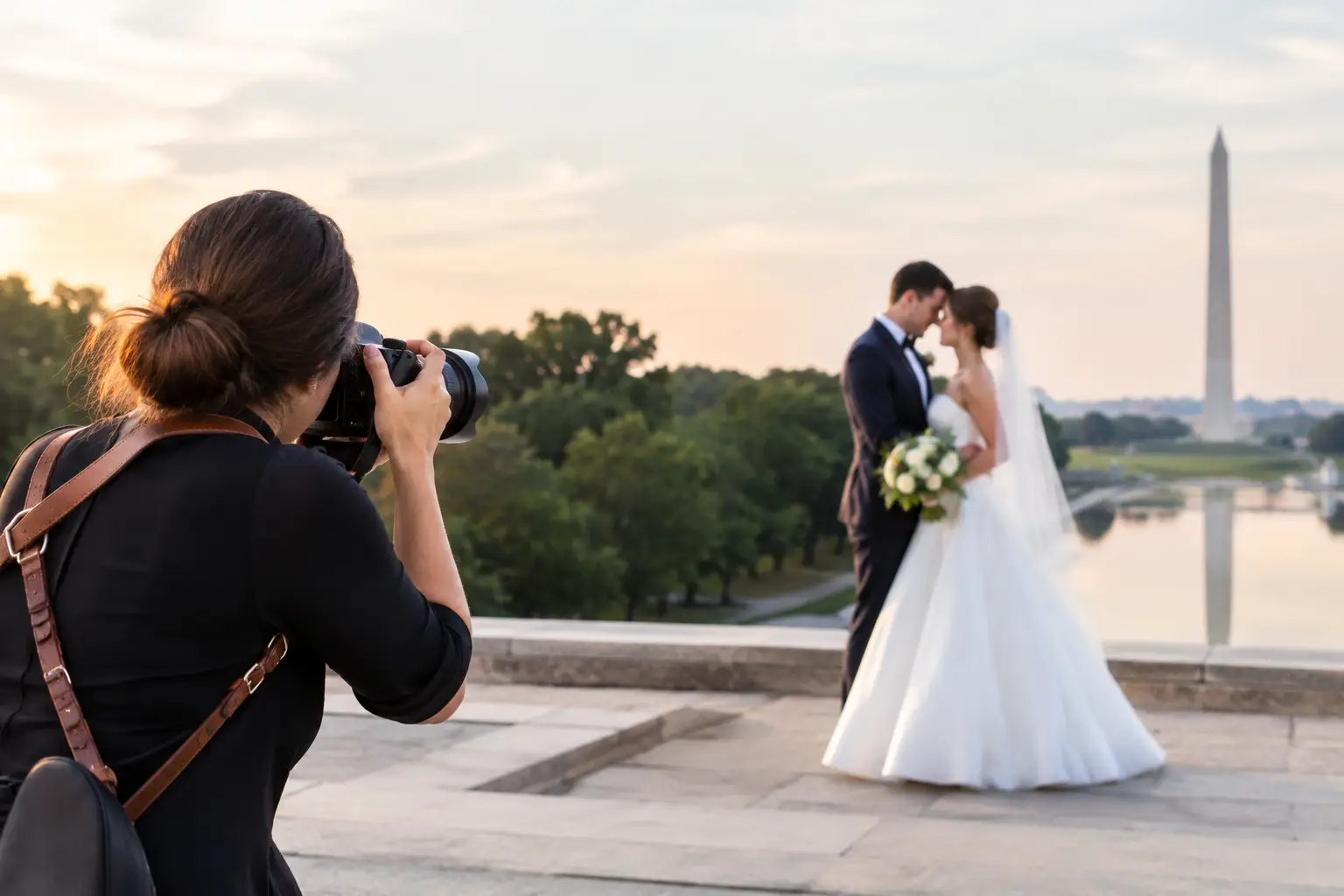
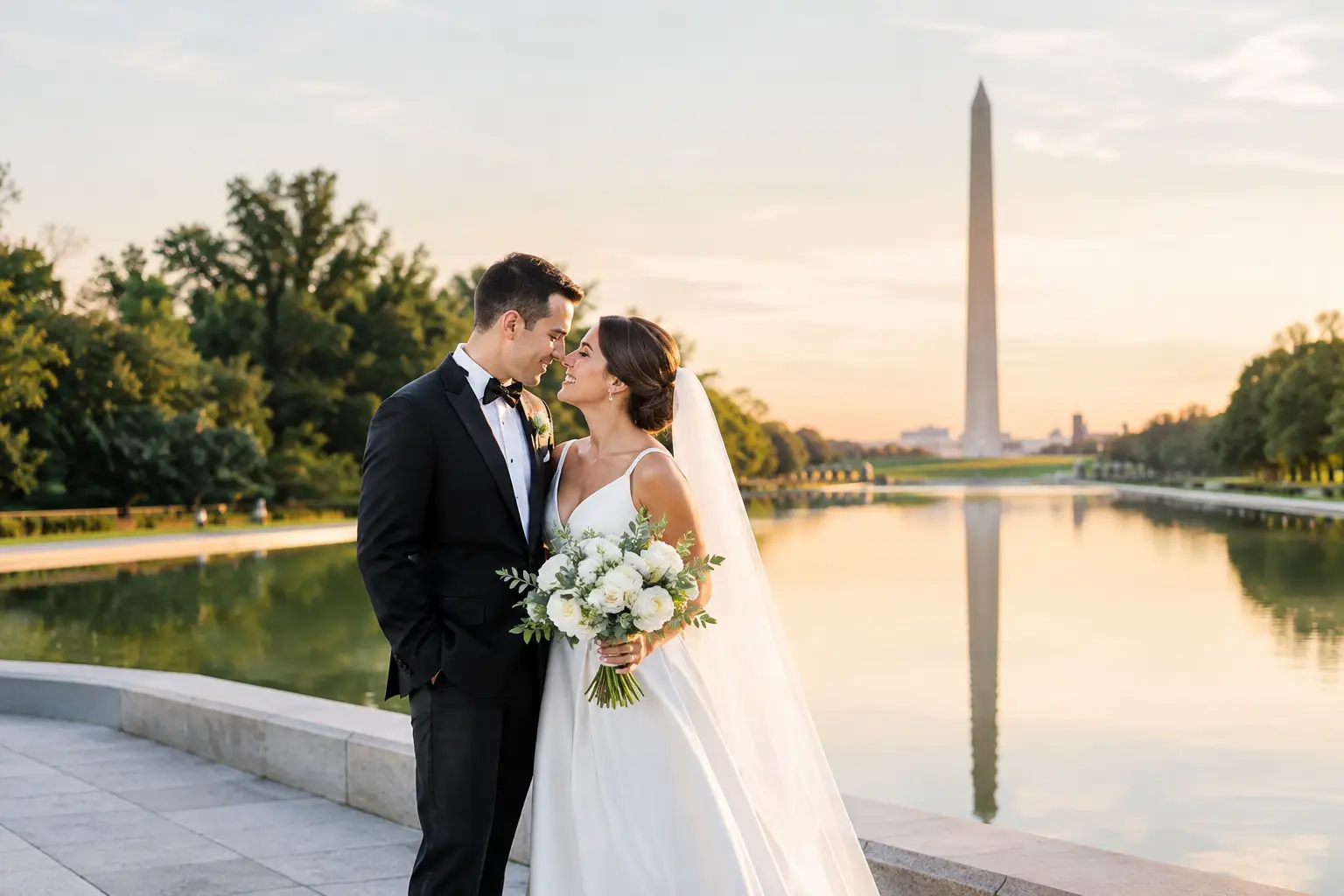
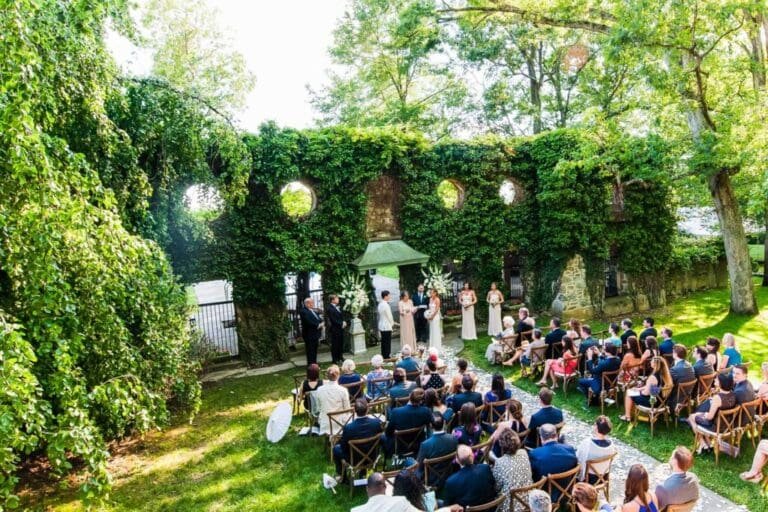
After decades of photographing weddings, proposals, mitzvahs, and milestone events across Washington, DC, we can say this with confidence: natural-looking images are not an accident, particularly for Washington DC wedding photography. They come from a combination of preparation, environment, timing, and guidance. The goal is not to look perfect. The goal is to look like yourself at your best.
How to look natural in photos starts before the camera comes out
A natural photograph begins long before the shutter clicks. If you walk into a session tense, rushed, or worried about what to do with your hands, that anxiety will show up in subtle ways. Your shoulders rise, your smile tightens, and your posture becomes more rigid than it feels in real life.
That is why preparation matters. Wear something that fits well and feels like you. Choose clothing you do not need to constantly adjust. Build in enough time so you are not arriving breathless. If the photo session is part of a wedding day or major event, a well-structured timeline makes a meaningful difference. People look more relaxed when they are not being hurried.
There is also a psychological piece here. Many clients believe they need to perform for the camera. In reality, the best images tend to happen when you shift your focus away from the lens and back to the moment, the person beside you, or the reason you are there in the first place.
Stop posing and start interacting
One of the fastest ways to look stiff is to think of a photo as a frozen performance. Natural photographs usually have a sense of life in them, even when the subject is standing still. That is why interaction matters more than posing alone.
If you are being photographed with a partner, talk to each other. Walk slowly. React naturally. Share a private comment. Look at each other, not just at the camera. If you are at an event, stay engaged with your guests instead of scanning the room for the photographer. Real expression comes from real connection.
This does not mean posing has no place. It means good posing should feel easy rather than obvious. The strongest direction often sounds simple: turn slightly, soften your shoulders, take a breath, step closer, look here for a moment, now back to each other. Those are small prompts, but they create shape and emotion without making the image feel staged.
The camera notices tension before you do
Most people carry tension in the jaw, mouth, neck, and hands. You may feel completely fine and still look a bit rigid in a frame. A slight exhale can help more than people expect. Loosening your jaw, dropping your shoulders, and bending one arm or one knee just a touch can change the entire feel of a photograph.
Hands deserve special attention because they often reveal discomfort. When people are unsure what to do, they press their arms flat to their sides or clench their fingers. Holding a partner’s hand, adjusting a jacket cuff, resting a hand lightly at the waist, or simply keeping movement in the body tends to look far more natural.
Expression matters more than a perfect smile
A natural expression is not the same thing as a constant smile. In fact, some of the most compelling photographs are quiet, joyful, thoughtful, or affectionate without being broadly grinning. What matters is that the expression matches the moment.
For weddings and proposals especially, forced smiling can flatten emotion rather than enhance it. A softer expression often photographs as more genuine. Think less about showing the camera that you are happy and more about actually connecting with what is happening. If the moment is emotional, let it be emotional. If it is playful, let that come through. Authenticity is always more memorable than a smile that feels rehearsed.
There is a practical point here too. Smiling on command for too long creates fatigue. The face tightens, and the smile starts to look fixed. It is often better to reset between frames, breathe, and let expression return naturally.
Movement is one of the best answers to how to look natural in photos
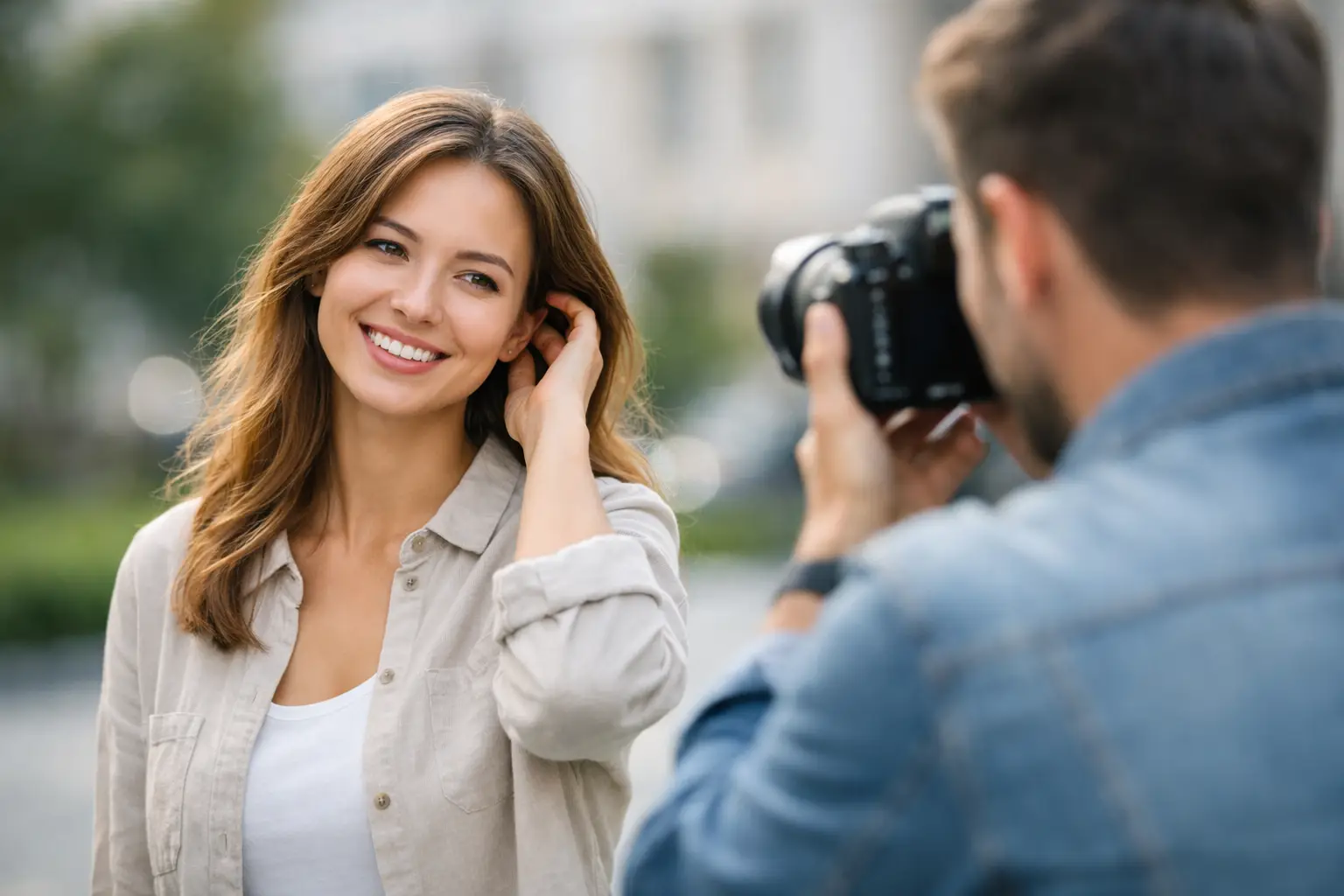
Stillness can work beautifully, but movement often helps people relax into themselves. Walking is particularly effective because it gives the body something to do. So is turning toward someone, brushing hair away from the face, adjusting your bouquet, or leaning in close for a quiet exchange.
Movement should be subtle. The idea is not to create dramatic action for the sake of the photograph. It is to keep the body from locking up. Even a slight shift of weight from one foot to the other can make a portrait feel more effortless.
This is especially helpful for people who say they are awkward in photos. Often, they are not awkward at all. They are simply more comfortable in motion than in a static pose. An experienced photographer knows when to let a moment unfold and when to add gentle direction that creates a natural rhythm.
Why candid does not always mean unplanned
Many people say they want candid photographs, but what they usually mean is that they want images that feel honest. Sometimes those images happen spontaneously. Sometimes they are lightly guided. There is no contradiction there.
The best photojournalistic work often lives in that balance. A photographer may place you in beautiful light or suggest an easy movement, then step back and let the real interaction happen. The result looks unforced because it is rooted in something genuine, even if the setting was intentional.
Use posture that feels open, not formal
Good posture helps, but overly formal posture can make a person look uncomfortable. Standing up straight is useful. Standing at attention is not. The difference is in how the body settles.
A more natural stance usually includes relaxed shoulders, length through the spine, and weight distributed a little more on one leg than both. Angling the body slightly rather than facing the camera straight on is often more flattering. Leaning in just a touch, especially in couples’ portraits, creates connection and energy.
It also helps to create space between the arms and torso. When arms are pressed flat against the body, everything can appear more rigid. Even a small bend at the elbow gives the frame a more elegant, effortless shape.
Trust the setting and the photographer
People tend to look most natural when they are not trying to manage every detail. That is one reason environment matters so much. The right location, the right pace, and the right photographer all make it easier to relax.
Beautiful light softens features and flatters skin tone. A calm setting reduces distraction. Clear direction removes guesswork. For important events, experience matters here. A seasoned photographer knows how to read people quickly, recognize when someone is becoming self-conscious, and shift the approach before stiffness takes over, particularly when working with a Washington DC wedding photographer.
This is also why personalized guidance matters more than generic posing tips. What works for one person may not work for another. Some clients open up through conversation. Others relax when they are given a simple task. Some want more direction. Others need very little. The strongest images come from adapting to the person, not forcing the person into a formula.
What to do if you feel awkward on camera
First, assume that feeling awkward is normal. Even confident, accomplished people can become self-conscious in front of a lens. That feeling does not mean you will look awkward in the final photographs.
Second, focus on one thing outside yourself. Your partner. Your child. Your guests. The energy of the room. The significance of the day. Self-consciousness grows when all of your attention turns inward.
Third, give it a few minutes. The beginning of any photo session is rarely the best indicator of how it will go. Most people settle in once they realize they do not have to perform. At Rodney Bailey, that easing-in process is part of the craft. The camera should never feel like an obstacle to the moment.
Natural photos are built on comfort, not perfection
If there is one misconception worth letting go of, it is the idea that natural photographs belong only to people who are effortlessly photogenic. They do not. They belong to people who are well guided, well lit, and free to be present.
That means the most valuable thing you can bring to a photo session is not a perfected pose. It is a willingness to relax, engage, and trust the process. When that happens, the camera stops recording performance and starts capturing presence. That is where timeless images live.
The best photographs do not ask you to become someone else. They simply preserve you, with honesty and grace, in a moment worth remembering.
Explore More Photography Tips and Insights