7 Candid Wedding Photography Trends to Know
A great candid image usually happens in the few seconds no one planned for – the look between vows and applause, the deep breath before a parent speaks, the burst of laughter that never appears on a formal timeline. That is exactly why candid wedding photography trends matter right now. Couples are asking for coverage that feels less performed and more personal, with images that reflect how the day actually moved, sounded, and felt.
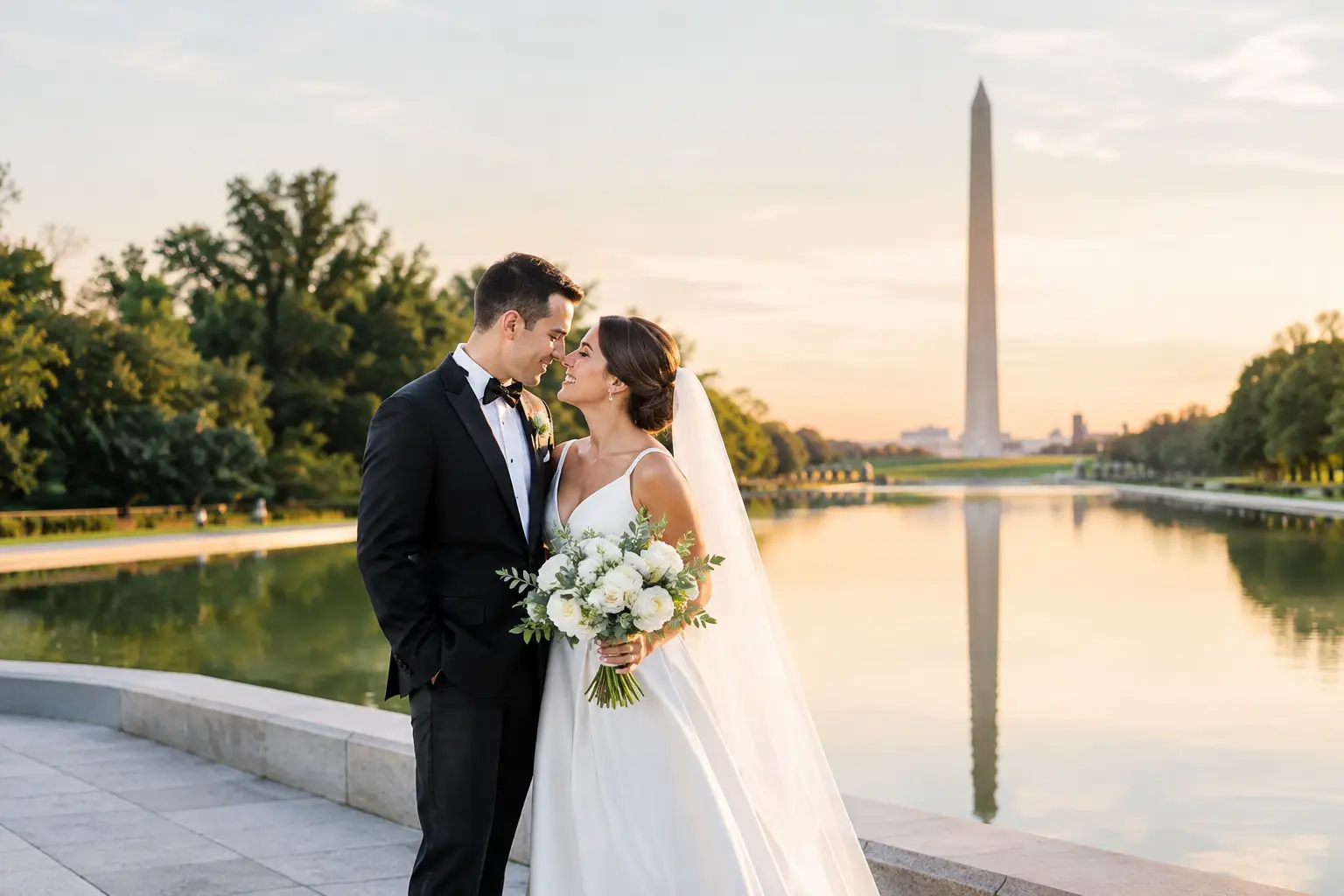
This shift is not about abandoning portraiture or ignoring timeless wedding photographs. It is about recalibrating the balance. The strongest wedding coverage today blends refined art direction with honest observation, so couples receive both beautifully crafted portraits and a visual record of real emotion, particularly when working with a Washington DC wedding photographer.
Why candid wedding photography trends are gaining ground
Weddings have become more personal in every sense. Ceremonies are often smaller or more intentionally designed, receptions are built around experience, and couples are placing greater value on the atmosphere of the day rather than just the checklist of events. Photography has followed that change.
Many clients no longer want albums dominated by images that could belong to almost anyone. They want photographs that reveal their families, their relationships, and the distinct energy of their celebration. Candid coverage answers that need because it captures what staging often misses – personality, spontaneity, and connection.
There is also a practical reason these images resonate. When a photographer works with a photojournalistic mindset, the gallery tends to feel more complete. Instead of isolated highlights, the images form a narrative. You see not only what happened, but how one moment led naturally into the next.
The move toward quieter direction
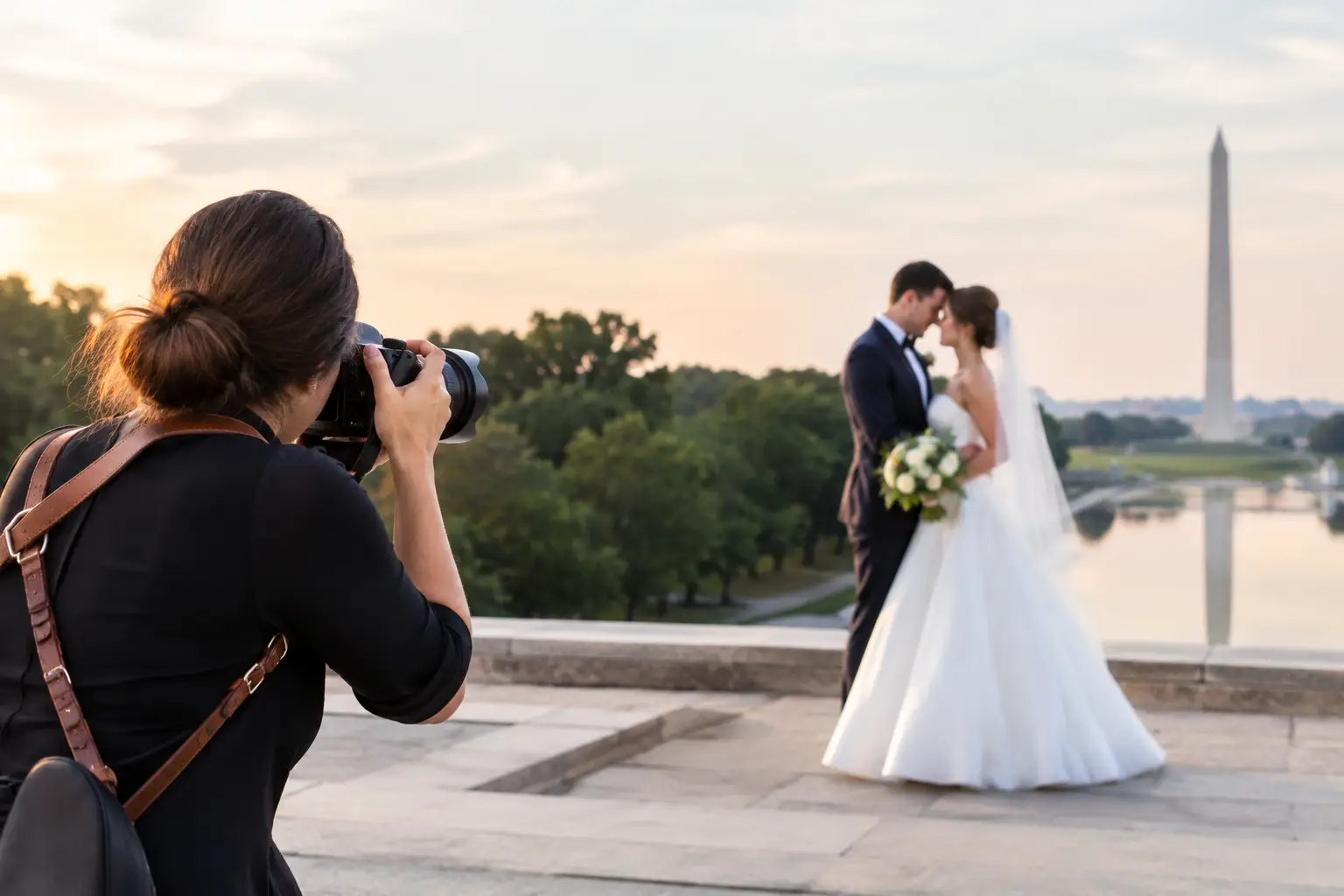
One of the clearest trends is not the absence of direction, but the refinement of it. Experienced photographers are stepping in with a lighter touch, giving enough guidance to create flattering light and composition while leaving room for natural movement.
That distinction matters. Truly candid photography does not always mean completely hands-off coverage. In reality, some of the most authentic images come from a photographer who knows when to gently position a couple near better light, when to step back, and when to let a moment unfold without interruption.
For couples, this creates a more comfortable experience. They are not asked to hold artificial poses for long stretches, yet they still benefit from professional attention to detail. The result is imagery that feels polished without feeling overproduced.
Real reactions are taking priority over perfect symmetry
For years, wedding photography leaned heavily toward highly controlled compositions. Those images still have value, especially for portraits and family formals. But many of today’s clients are more interested in emotional truth than technical perfection for every frame.
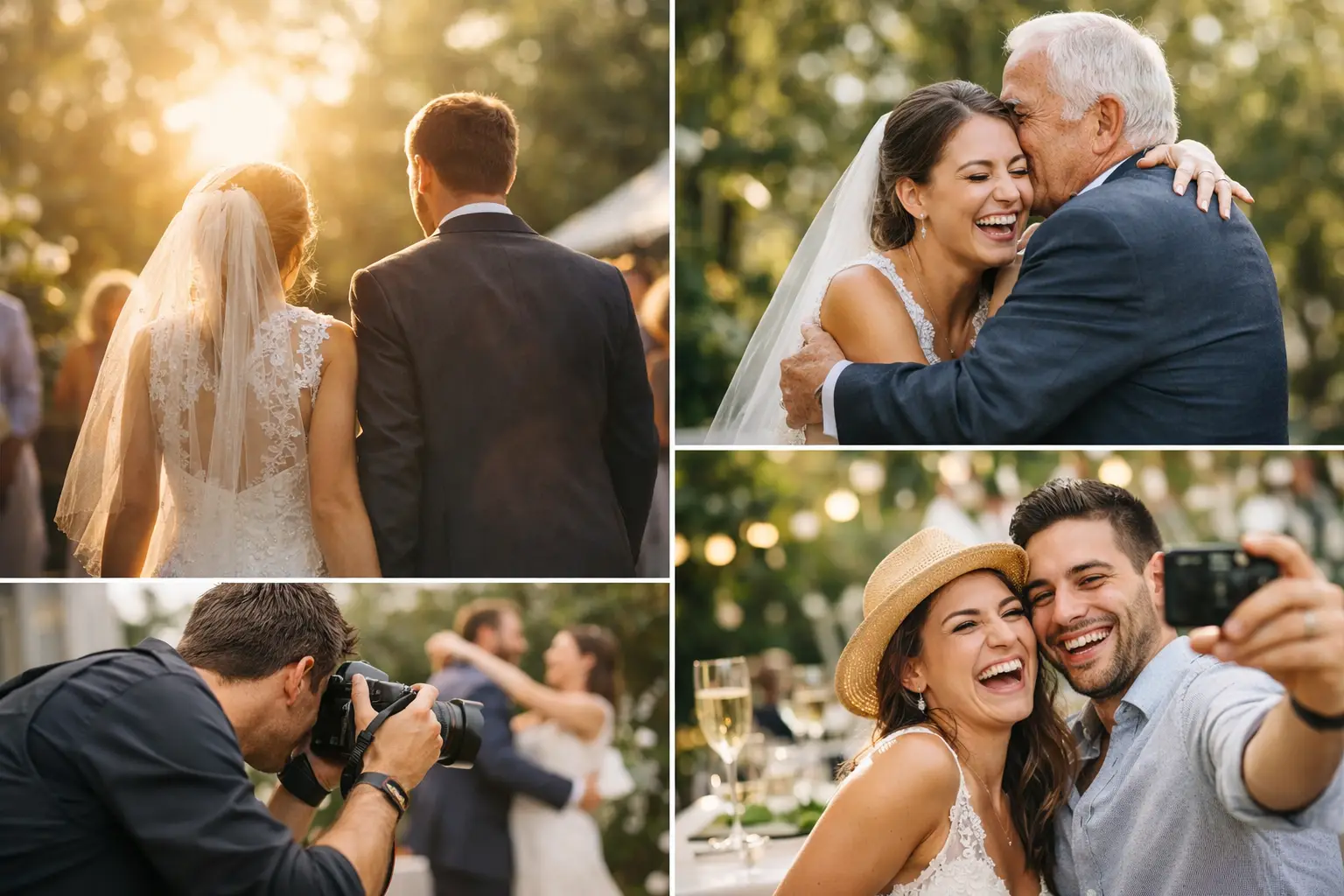
That means a photograph with imperfect symmetry and a remarkable reaction often carries more weight than one that is meticulously posed but emotionally neutral. A father wiping away tears, a couple laughing during an unexpected mishap, or friends surging onto the dance floor can become the photographs that define the memory of the day.
This trend does not lower standards. It raises them in a different direction. The photographer must anticipate emotion, read the room, and respond quickly. That kind of consistency comes from experience, not chance.
Story-first coverage of the in-between moments
Another major development in candid Washington DC wedding photography trends is the growing importance of transitional moments. Couples still want the first kiss, the first dance, and the cake cutting. But increasingly, they also want the seconds before and after those marquee events.
Often, those are the photographs with the greatest staying power. The bride adjusting her veil before walking down the aisle. The groom exhaling after the ceremony. Grandparents watching quietly from the edge of the room. Guests greeting each other at cocktail hour. These are not filler images. They are what give a wedding gallery texture and emotional depth.
A story-first approach also reflects a more sophisticated understanding of what photography is for. The gallery is not just a record of key milestones. It is a way of preserving atmosphere, family history, and fleeting interactions that would otherwise disappear.
True-to-life editing is replacing heavy filters
Editing trends tend to move in cycles, and wedding photography is no exception. Right now, one of the strongest preferences is for clean, balanced, true-to-life color. Couples want their images to look elegant and refined, but they also want skin tones to feel accurate, black tuxedos to stay rich, and the color palette of the venue and florals to remain believable.
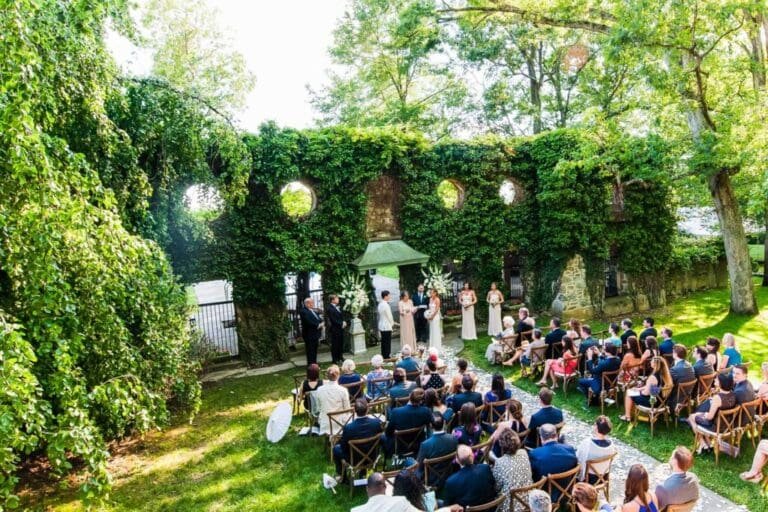
This is especially important for weddings with carefully considered design. If a couple has invested in a classic ballroom, a garden celebration, or a dramatic city setting, they usually want the photography to honor those details rather than wash them out under a trendy preset.
Timeless editing is not boring editing. It simply avoids choices that may feel dated a few years from now. For many clients, that matters more than a look that is momentarily fashionable.
Flash is being used more creatively, but with restraint
Reception photography has become a place where candid work can feel especially dynamic. There is renewed interest in direct flash, motion, and a more editorial energy on the dance floor. When used well, this approach can create vivid, joyful photographs that bring the reception back to life.
Still, it depends on the event and the photographer’s judgment. Not every wedding benefits from aggressive flash coverage, and not every couple wants that aesthetic throughout the evening. In a refined celebration, the strongest approach may be a mix – energetic flash for late-night dancing and more subtle lighting for toasts, dinner, and ambient scenes.
The key is intention. Trend-driven lighting should support the story of the celebration, not overpower it.
Guests, parents, and family dynamics matter more than ever
Couples are increasingly aware that their wedding photographs are not only for them. These images become part of a family’s visual history. As a result, candid coverage now extends well beyond the couple and bridal party.
That means thoughtful attention to parents, siblings, grandparents, and the guests who shape the emotional life of the day. A sophisticated wedding gallery does not treat these people as background. It recognizes that their reactions, rituals, and relationships are central to the story.
For photographers, this requires emotional intelligence as much as technical skill. It means knowing when a parent needs space, when a child is about to do something memorable, and when a meaningful exchange is happening quietly at the edge of the room.
Less interruption, better timeline design
One of the most useful shifts behind these trends is happening before the wedding day even begins. Couples and planners are building timelines that create room for natural photography instead of crowding every minute with activity.
This has a direct effect on candids. If a schedule is overly compressed, everyone feels rushed, and moments pass too quickly to be documented well. If there is thoughtful breathing room, the photographer can observe more, react better, and work with less disruption.
This is where experience becomes invaluable. A seasoned team understands how to protect the flow of the day while still producing the essential portraits and family photographs. That balance is often what separates a gallery that feels stressful from one that feels effortless.
What couples should look for in a candid-focused photographer
If candid imagery is a priority, portfolio review matters more than promises. Many photographers describe their style as natural or documentary, but the work itself tells the real story. Couples should look for consistent emotional range, not just a few standout reaction shots.
It also helps to pay attention to how people look in those images. Do they appear comfortable? Are moments captured with discretion and respect? Is there a sense of rhythm from one photograph to the next? Strong candid work should feel observational, but never accidental.
Communication matters too. The best results come when couples are clear about what they value – whether that is family interaction, cultural tradition, quiet intimacy, or a high-energy party. At Rodney Bailey, that personalized approach has long been essential to creating wedding coverage that feels elegant, natural, and unmistakably personal.
Trend-conscious, not trend-dependent
The most lasting wedding photography does not chase every new look. It pays attention to evolving taste, understands what clients respond to, and incorporates those ideas without losing discipline. That is the healthiest way to think about trends.
Candid wedding photography is not popular simply because it is fashionable. It is popular because it answers a real desire: to remember a wedding as it was genuinely lived. The best images do more than show what everyone wore or where they stood. They preserve expression, atmosphere, and emotion with enough artistry to remain compelling for decades.
When you choose a photographer who understands both the trend and the timeless standard behind it, your images feel current now and meaningful much later. That is the difference couples tend to appreciate most when the celebration is over and the photographs are all that remain.
Explore More Insights on Wedding Photography Trends