Real Wedding Storytelling Photography Examples
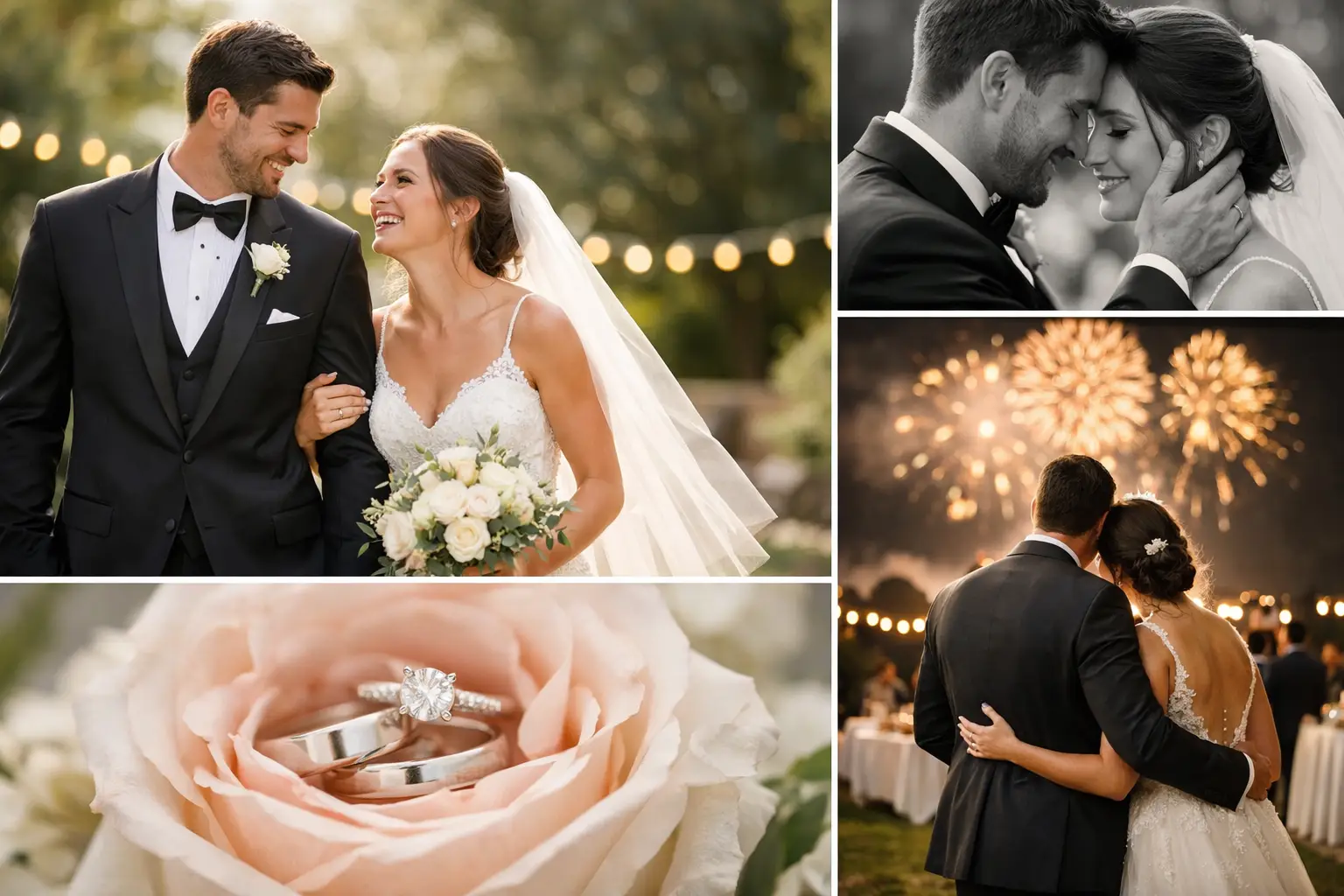
A great wedding photograph does more than show how the day looked. It shows how it felt – the inhale before the doors open, the grip of a parent’s hand during the ceremony, the laughter that breaks out when no one is trying to perform. That is why couples so often search for real wedding storytelling photography examples. They are not just looking for beautiful images. They are looking for proof that a photographer can recognize meaning as it happens and preserve it with honesty.
Storytelling in wedding photography is often misunderstood. It is not simply a collection of candid frames, and it is not the opposite of elegance. In experienced hands, storytelling photography is refined, intentional, and deeply observant. It has structure. It has rhythm. Most importantly, it reflects the couple rather than the photographer’s ego.
What real wedding storytelling photography examples actually show
The strongest examples are rarely built around one dramatic portrait. They work because each image contributes to a larger narrative. A quiet getting-ready frame matters because of what comes later. A wide scene of the ceremony matters because it sets context for the close emotional reactions that follow. The story is in the sequence as much as the individual photograph.
For that reason, a true storytelling gallery usually includes both expected and unexpected moments. You might see a bride stepping into her gown, but you may also see the flower girl studying the room from under a table, or grandparents sharing a glance during the vows. These are not filler images. They are the connective tissue of the day.
This is one of the clearest differences between documentary-minded Washington DC wedding photography and coverage that feels generic. Generic coverage records events. Storytelling photography interprets them without forcing them. It captures atmosphere, relationships, and emotional transitions.
Real wedding storytelling photography examples by moment
The anticipation before the ceremony
Some of the most meaningful storytelling begins well before the ceremony. The room has its own emotional weather. One person is calm. Another is trying not to cry. Someone adjusts a cufflink with shaking hands. Someone else makes a joke because the tension has become too real.
A strong example here is not just a dress hanging in a window or neatly styled shoes. Those details can be lovely, but on their own they do not tell much. The stronger image might be a mother fastening a necklace while looking at her daughter with a mix of pride and disbelief. It might be a groom standing alone for thirty seconds of stillness before the day accelerates. These images work because they show emotional context.
The ceremony as lived, not staged
Ceremony coverage is where experience becomes especially visible. Lighting changes quickly. Movement is limited. The emotional stakes are high, and there are no second takes. In real wedding storytelling photography examples, the best ceremony images usually balance perspective. There is the establishing frame that shows architecture, guests, and scale. Then there are the intimate reactions that reveal what the ceremony meant to the people in it.
A storytelling approach might include the couple’s expressions during the vows, a parent wiping away tears in the second row, and the small release of tension just after the rings are exchanged. None of these moments need direction. They need anticipation.
This is also where restraint matters. A photographer can over-cover a ceremony by chasing every possible angle and missing the emotional center. The stronger approach is deliberate. It prioritizes the moments that hold weight and lets them breathe.
Portraits that still feel like the couple
Storytelling and portraits are not opposites. In fact, some of the best portraiture is lightly guided rather than rigidly posed. The goal is not to eliminate direction. The goal is to create space for natural interaction within beautiful light and composition.
For one couple, that may mean walking together and talking rather than staring into the camera. For another, it may mean a more classic frame with just enough guidance to keep the image polished while preserving authenticity. The trade-off is simple: too little direction can leave people feeling awkward, while too much can strip away personality. Experienced photographers know how to read the couple and adjust.
The most persuasive storytelling portrait examples are the ones where elegance and truth coexist. You can feel the connection, not just admire the styling.
Reception moments with real energy
Receptions are often where storytelling becomes most layered. Formal events and spontaneous emotion start overlapping. A well-sequenced gallery might move from grand entrances to toasts, then into bursts of dance floor energy, quieter conversations, and fleeting reactions around the room.
One excellent example is a toast image that captures three stories at once: the speaker in the foreground, the couple reacting, and guests behind them responding in their own way. Another is a dance floor photograph where movement, expression, and environment all come together without chaos taking over the frame.
This kind of work looks effortless when it is done well. It is not. It requires timing, technical control, and a clear instinct for where meaning is about to happen.
How to evaluate real wedding storytelling photography examples
When couples review portfolios, it is easy to be won over by a handful of standout images. The better test is consistency across a full wedding. Can the photographer tell a complete story from beginning to end, under different lighting conditions, with different personalities, venues, and timelines?
Look for emotional range. If every image feels highly polished but emotionally distant, the work may be more editorial than documentary. If everything is candid but visually inconsistent, the storytelling may lack refinement. The strongest portfolios deliver both artistry and reliability.
It also helps to notice how people appear in the images. Do they look self-conscious, or comfortable? Do family interactions feel genuine? Are the transitions of the day represented, or only the biggest headline moments? Great storytelling coverage usually includes subtle images that become more valuable over time.
Why experience changes the story
Wedding storytelling is not just about having a good eye. It is about judgment. Knowing when to step in and when to disappear. Knowing how to work quietly in a sacred ceremony, efficiently during family portraits, and invisibly during an emotional exchange. These decisions shape the final narrative.
In the Washington, DC region, that experience matters even more because weddings often combine architectural venues, tight timelines, sophisticated guest lists, and multi-layered family dynamics, particularly when working with a Washington DC wedding photographer. A photographer needs to move comfortably in formal environments while staying attentive to unscripted moments. That balance is one reason couples seeking premium coverage often gravitate toward established studios with a long record of consistent work, such as Rodney Bailey.
There is also a practical side to experience that clients sometimes overlook. A seasoned photographer knows how to build a narrative even when the schedule shifts, the weather changes, or the available light is less than ideal. Storytelling is not dependent on perfect conditions. In many cases, it becomes more meaningful when the day takes on real texture.
What these examples mean for your own wedding
The right examples should help you picture more than a visual style. They should help you understand how your wedding might be seen and remembered. If you value authenticity, your photographer should not treat your day like a template. The coverage should reflect your family, your pace, and the emotional character of the celebration.
That may mean a quieter set of images for an intimate city wedding, or a more expansive narrative for a large ballroom reception. It depends on the event and on what matters most to you. Some couples want more emphasis on family connection. Others care deeply about atmosphere and guest experience. The best storytelling photographers can honor both.
When you review galleries, pay attention to the images that stay with you. Often, they are not the obvious ones. They are the frames that reveal tenderness, anticipation, relief, humor, or joy without announcing themselves. Those are usually the photographs that age best.
A wedding passes quickly, even when it is beautifully planned. The photographs that matter most are the ones that return you to the feeling of being there – not just how the room was arranged, but who you were in it, who was beside you, and what the day meant while it was still unfolding.
Explore More Wedding Storytelling Resources