Event Photography Checklist for Better Coverage
The missed photo is almost never about the camera. It is usually about planning.
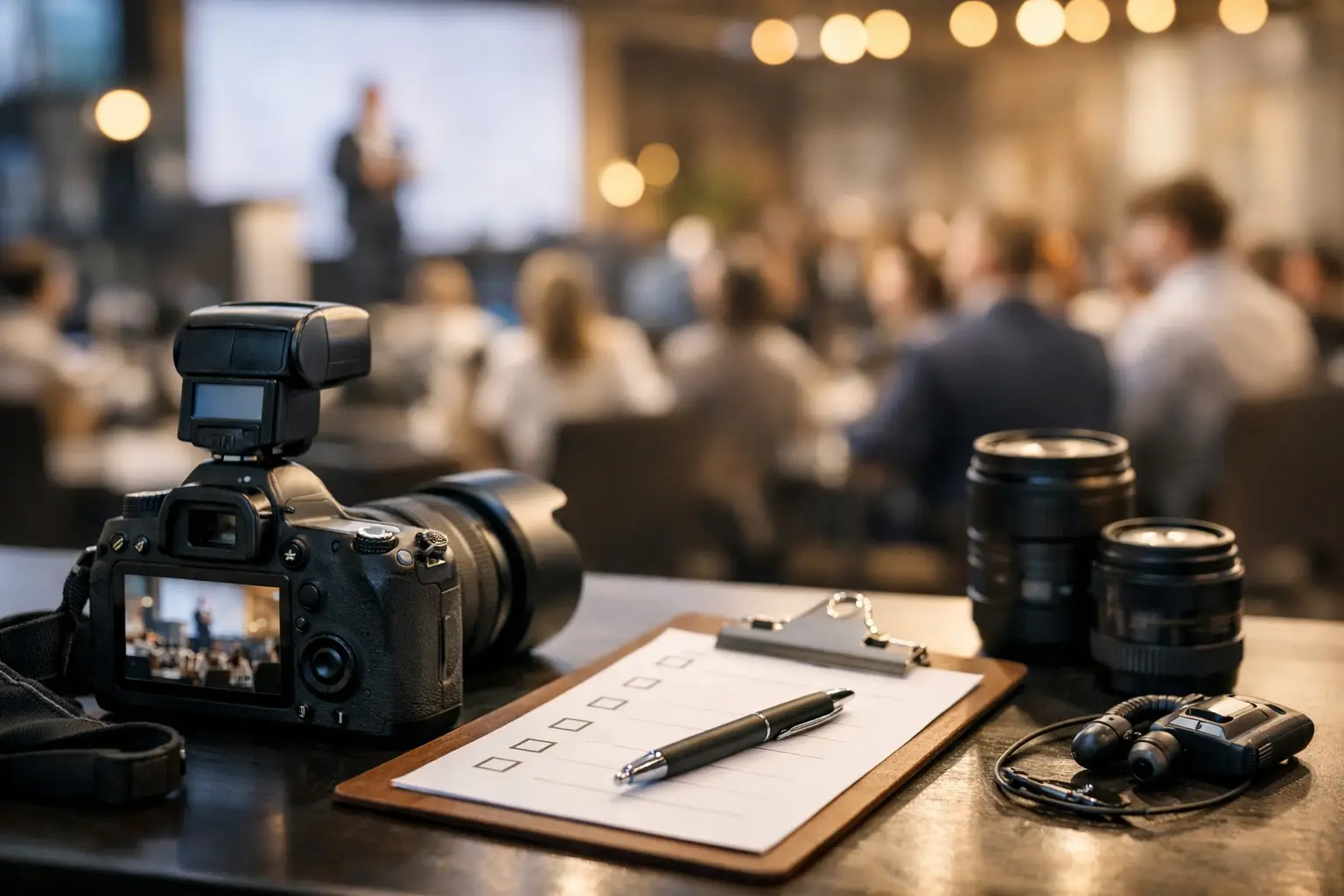
That is why an event photography checklist matters so much. Whether you are organizing a Washington, DC wedding, a mitzvah, a nonprofit gala, or a corporate celebration, the strongest coverage starts long before guests arrive. A thoughtful checklist helps your photographer protect the moments that matter, move through the event with purpose, and create images that feel both natural and complete.
At the premium level, photography is not simply about recording who was there. It is about preserving atmosphere, relationships, emotion, and timing. The best event images feel effortless, but the process behind them is precise.
What an event photography checklist should actually do
A strong checklist is not a rigid shot list filled with generic ideas copied from the internet. It should clarify priorities. There is a difference.
For example, a couple may care deeply about quiet family interactions before the ceremony, while a nonprofit host may be most focused on sponsor visibility, wide room scenes, and key speakers. A family planning a bar or bat mitzvah may want equal attention on tradition, candid reactions, decor details, and portraits with grandparents. The checklist should reflect the real purpose of the event, not just a standard sequence of pictures.
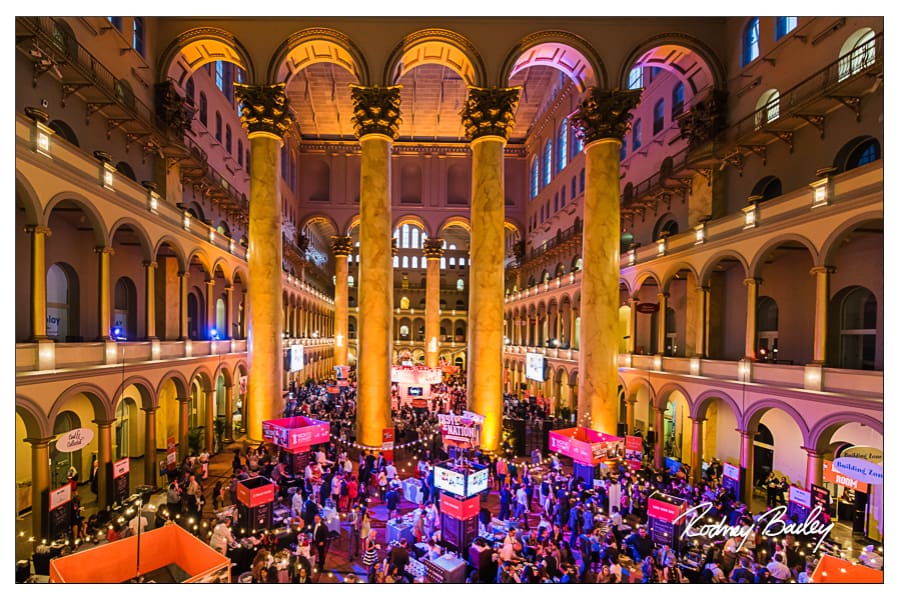
That distinction matters because every event has trade-offs. More time for formal groupings can mean less time for candid coverage. A longer receiving line can compress portrait time. A dark ballroom may create a more beautiful atmosphere in person, but it also requires an experienced photographer who can work quickly and elegantly in difficult light. Good planning does not eliminate these realities, but it helps everyone make better decisions before the pressure of the day sets in.
Event photography checklist: what to confirm before the day
The first part of any event photography in Washington DC checklist should focus on logistics. This is where smooth coverage begins.
Start with the event timeline. Your photographer should know not only the official start and end times, but also when meaningful activity begins. Hair and makeup, final setup, family arrivals, rehearsal touches, VIP greetings, and room reveals often produce some of the most emotionally resonant images of the day.
Next, confirm the full list of locations. Include addresses, parking details, building access, loading instructions, security procedures, and any venue restrictions. In the DC area especially, urban venues, private clubs, hotels, museums, and institutional spaces can all operate differently. A few minutes lost at check-in can affect coverage later.
You will also want to identify your priority people. This includes immediate family, honorees, hosts, VIP guests, speakers, and anyone whose presence is central to the story of the event. Share names when it helps, but just as important, explain relationships. A photographer who understands who matters to you can recognize key moments as they unfold rather than waiting to be told.
The same applies to event goals. If you need publication-worthy decor photographs before guests enter, those images need time. If sponsor signage must appear in a polished but unobtrusive way, that should be discussed in advance. If you care most about documentary coverage and want minimal interruption, that changes how portraits and formal requests should be handled.
The moments that deserve special attention
Every event is different, but certain categories almost always belong on a Washington DC event photography checklist.
There are the establishing images that set the scene – exterior views, interiors, florals, lighting, tablescapes, signage, and other design details. These frames matter because they capture the atmosphere before it changes under the movement of guests and staff.
Then there are arrival moments. These are easy to underestimate, but they often reveal genuine excitement. Guests greeting one another, family members seeing the room for the first time, the host taking in the setup, or a couple sharing a private breath before a ceremony can become some of the most meaningful images from the day.
The central program should be mapped carefully. Ceremonies, speeches, candle lightings, blessings, awards, toasts, dances, presentations, and surprise elements all need context and timing. It helps to know not just what happens, but where the photographer can stand, whether movement is restricted, and if any moments happen quickly.
Finally, leave room for the in-between. The laughter at the edge of the dance floor, the embrace after a speech, the child sneaking a look at the cake, the proud expression from a parent across the room – these are often the photographs clients treasure most. A checklist should support those moments, not crowd them out.
Family photos, group portraits, and the balance of efficiency
Portraits are often where a checklist becomes most practical.
If you want family or group photographs, create a concise list of combinations that truly matter. Keep it focused on relationships that will hold long-term meaning. When lists become too long, portrait time can start to dominate the event, and energy shifts. People grow impatient, expressions tighten, and the photography starts to feel procedural.
The better approach is to identify essential groupings, assign someone who knows the family or guest list to help gather people, and schedule these images when everyone needed can realistically be present. For weddings, that may be before the ceremony or immediately after. For mitzvahs and milestone celebrations, it may make more sense to complete key portraits before guests fully settle in. For corporate and nonprofit events, VIP groupings often work best either just before doors open or during a controlled transition point.
This is one of those areas where experience matters. An accomplished event photographer knows how to create polished portraits efficiently without letting the event lose momentum. That is especially important when you want sophisticated results but not a day that feels over-directed.
What clients often forget to include
The most common omissions are rarely dramatic. They are usually deeply personal.
Clients remember the first dance, the keynote, the candle lighting, or the awards presentation. They do not always remember to mention the handwritten note from a parent, the heirloom cufflinks, the framed family photo on a memory table, the custom cocktail napkins featuring a meaningful date, or the annual tradition that only their inner circle understands. Yet those details often anchor the story.
Another overlooked category is reaction coverage. It is natural to think about the person speaking at the microphone, but the emotion may actually be in the audience. The parent wiping away tears, the partner laughing mid-toast, the colleagues exchanging a knowing glance – those layers create depth.
This is also why communication about family dynamics or event sensitivities can be valuable. Divorced parents, unexpected absences, delicate relationships, security concerns, or cultural customs are all better addressed ahead of time. A refined client experience includes thoughtful awareness, not assumptions.
How to make your checklist useful without making it restrictive
A good checklist should guide the photographer, not micromanage them.
If the list becomes too detailed, the photographer can end up chasing requests instead of observing the event. That usually leads to coverage that feels complete on paper but emotionally flat in the final gallery. The strongest event photography combines preparation with responsiveness. You want the essentials covered, but you also want space for intuition.
That balance is especially important for clients who value authentic imagery. Natural storytelling does not happen by accident, but it also cannot be scripted line by line. The photographer needs enough information to anticipate what matters and enough freedom to notice what no one planned.
For that reason, the best checklist is often organized around priorities rather than dozens of individual commands. Think in terms of must-have people, must-cover moments, meaningful details, logistical realities, and overall style preferences. That gives the photographer a framework while still allowing artistry and discretion.
A better event photography checklist starts with conversation
The strongest photography plans are built collaboratively. A checklist on its own is helpful, but a conversation around that checklist is what turns it into excellent coverage.
That conversation should address timing, lighting, family dynamics, venue flow, and expectations for posed versus candid images. It should also account for the character of the event. A black-tie wedding at a DC hotel requires a different rhythm than a backyard proposal, a synagogue celebration, or a fast-moving corporate reception with multiple speakers and sponsor obligations.
With more than 30 years of experience photographing weddings and events across Washington, DC, Maryland, and Northern Virginia, Rodney Bailey approaches this process with the kind of care that helps clients feel both prepared and at ease. That is the difference between simply showing up with a camera and documenting a celebration with intention.
If you are building your own checklist, keep one principle in mind: the goal is not to control every frame. The goal is to make sure the right moments have room to happen and the right photographer is ready when they do.
Explore Additional Event Photography Insights