How Documentary Wedding Photography Works
A quiet hand squeeze before the ceremony. Your father taking a breath before walking you down the aisle. Friends laughing at something unscripted during cocktail hour. These are the moments couples remember most, and they explain exactly how documentary wedding photography works.
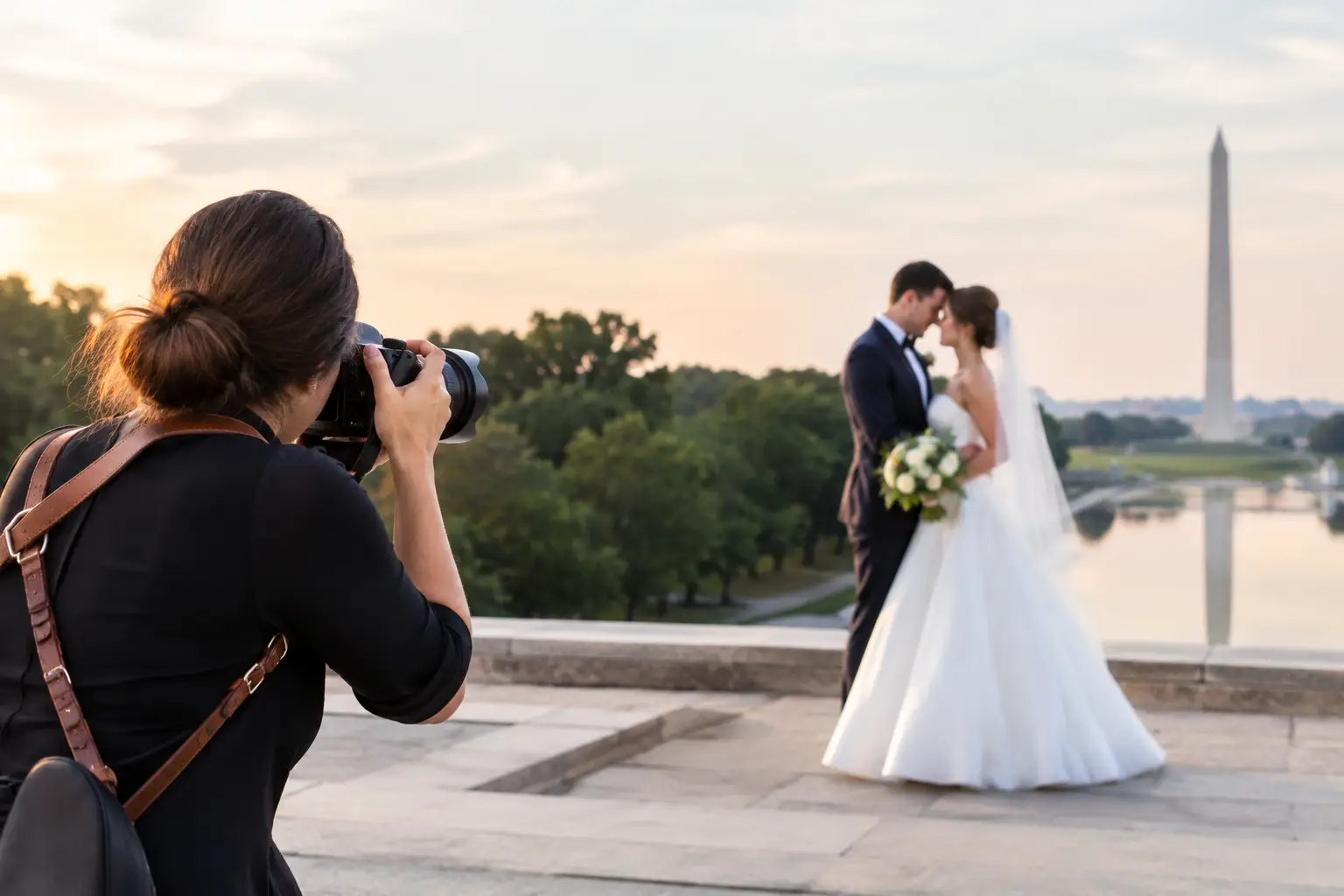
Rather than directing every frame, documentary wedding photography focuses on observing the day as it naturally unfolds. The goal is not to manufacture emotion. It is to recognize it, anticipate it, and preserve it with skill and discretion. For couples who want their wedding photographs to feel honest, elegant, and emotionally true, this approach offers something posed coverage often cannot – a visual record of what the day actually felt like.
What documentary wedding photography really means
Documentary wedding photography is often described as candid, photojournalistic, or story-driven. Those terms overlap, but the core idea is simple. The photographer documents real moments with minimal interruption, paying close attention to interactions, atmosphere, and timing.
That does not mean the photographer is passive or uninvolved. Quite the opposite. A strong documentary photographer is making constant creative decisions about light, composition, vantage point, and timing. They are reading the room, anticipating reactions, and positioning themselves where meaningful moments are likely to happen.
The finished gallery should feel cohesive and intentional, not random. You are not just receiving a collection of candid shots. You are receiving a visual narrative of the day, from the larger setting to the smallest expression.
How documentary wedding photography works throughout the day
The process begins long before the wedding itself. A seasoned photographer learns what matters most to the couple, how the celebration is structured, and where the emotional significance lives. Some weddings are centered around family tradition. Others are more intimate and understated. Some couples want almost no direction at all, while others appreciate a few lightly guided portraits without sacrificing a natural overall feel.
That planning stage matters because documentary coverage is not accidental. It works best when the photographer understands the flow of the day and the people who are most important within it.
Before the ceremony
During preparation, the photographer usually works quietly and efficiently, documenting details as well as atmosphere. This can include the dress, invitation suite, heirloom jewelry, and florals, but the strongest images often come from interactions rather than objects alone. A parent helping with a button. A sibling delivering comic relief. A pause in front of the mirror when the reality of the day finally lands.
This part of the day sets the emotional tone of the story. It is also where experience becomes especially important. Preparation spaces can be crowded, dimly lit, or visually busy. A refined documentary photographer knows how to create clean, polished images without turning the room into a production set.
During the ceremony
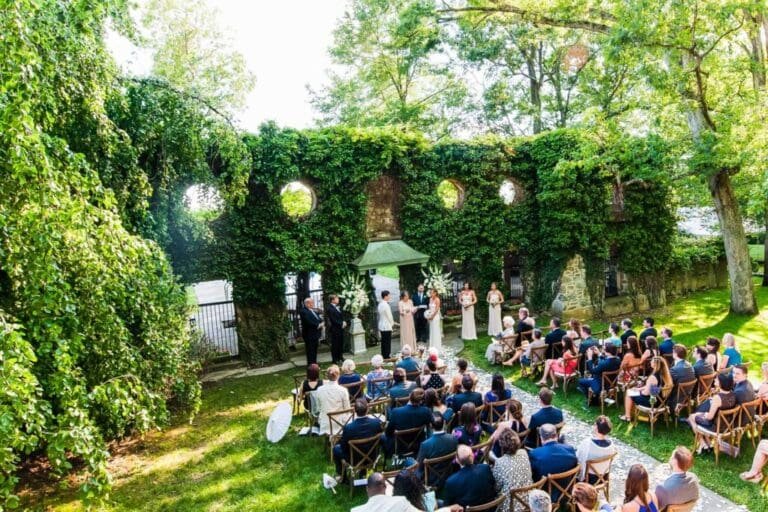
The ceremony is where documentary instincts are tested in real time. There are no second takes. The photographer must be attentive to the processional, the exchange of vows, reactions from parents and grandparents, and the subtle moments in between that couples may never see firsthand.
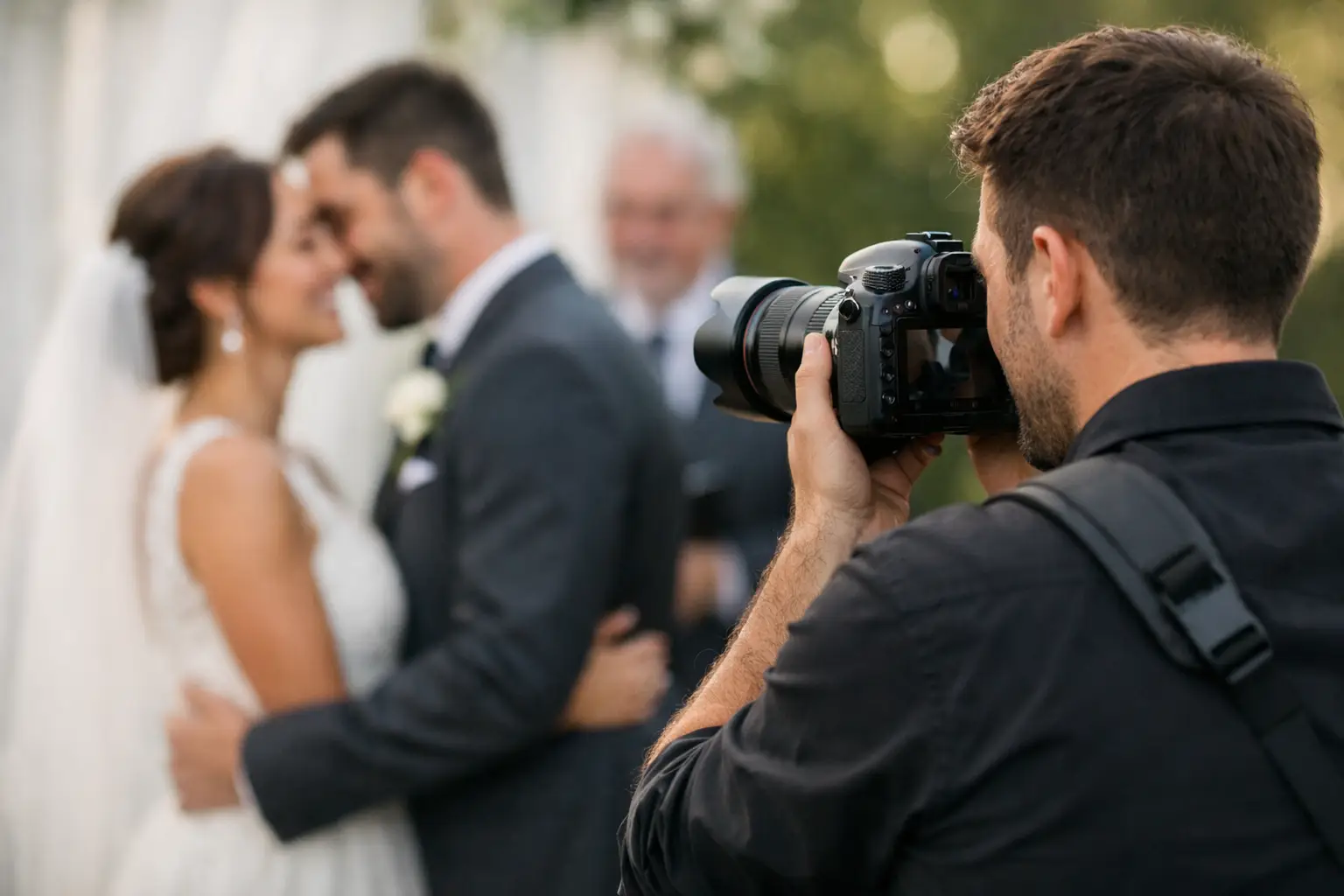
This is one reason many couples are drawn to a photojournalistic approach. While they are living the ceremony, their photographer is preserving the full emotional landscape around them. The result is not only a record of the formal milestones but also the expressions, tears, laughter, and quiet gestures that gave those milestones meaning.
During portraits and family photos
A common misconception is that documentary wedding photography means no portraits and no organization. In practice, most weddings benefit from some structured time for family groupings, wedding party portraits, and a few images of the couple together.
The difference is in how those moments are handled. The direction is typically efficient, relaxed, and designed to preserve natural body language and genuine connection. Instead of overly rigid posing, the photographer may offer light guidance, then allow interaction to take over. That keeps the images polished without making them feel forced.
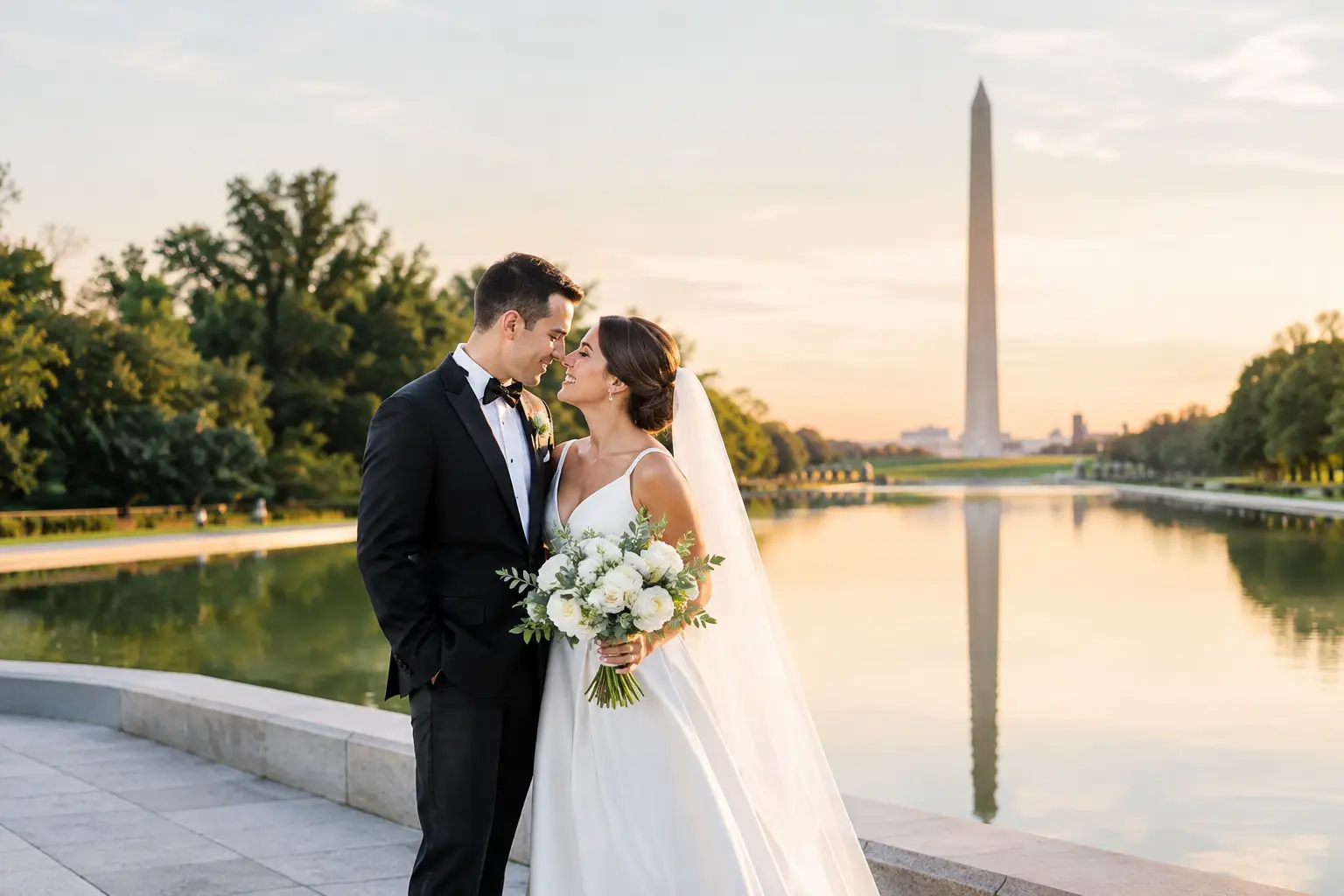
For families hosting sophisticated weddings in Washington, DC, Northern Virginia , or Maryland, that balance often matters, particularly when working with a Washington DC wedding photographer. You want the essential portraits done well, but you also do not want to spend your entire celebration standing in lines for the camera.
During the reception
Reception coverage is where documentary storytelling often shines. Once the formalities begin to loosen, people reveal themselves. The toasts, dance floor, greetings between generations, and spontaneous conversations all become part of the visual record.
A skilled photographer is watching for layers. They may frame the couple in the foreground while guests react in the background, or capture an elegant overall scene before isolating a fleeting emotional detail. That ability to move between wide context and intimate nuance is a hallmark of strong documentary work.
Why this style feels more personal
Documentary wedding photography tends to age well because it is rooted in truth rather than trend. Heavy-handed posing can look dated when styles change. Genuine emotion rarely does.
It also reflects the personality of the couple more accurately. Some people are naturally expressive, others more reserved. Some families are exuberant, others quieter and deeply sentimental. A documentary approach leaves room for those differences. Instead of imposing a formula onto every wedding, it allows the celebration to look and feel like itself.
For many couples, that is the real luxury – not just beautiful images, but images that are unmistakably their own.
What makes a documentary photographer effective
Not every photographer who uses the word candid is truly documentary-minded. Real documentary coverage requires a specific combination of technical control, situational awareness, and restraint.
First, the photographer needs strong command of changing light and fast-moving environments. Weddings rarely happen under perfect conditions from start to finish. Ballrooms can be dark, getting-ready rooms can be cluttered, outdoor ceremonies can shift from bright sun to cloud cover in minutes. Capturing authentic moments beautifully means solving those problems without interrupting the day.
Second, timing matters as much as aesthetics. A beautiful frame that misses the emotion is not enough. The best documentary wedding photographers anticipate moments before they happen.
Third, discretion is essential. Couples who choose this style usually do not want a photographer dominating the room. They want someone who can be present, prepared, and confident without making the event feel like a photo shoot.
That balance is one reason experienced studios are often so highly valued. After decades of photographing weddings and events, instinct becomes sharper. You know where to stand, when to step in, and when to let the moment breathe.
Is documentary wedding photography fully hands-off?
Usually not, and that is a good thing. Purely observational coverage sounds appealing in theory, but weddings are complex events with timelines, family expectations, and practical needs. Most couples still want a handful of classic portraits, organized family photographs, and a photographer who can keep things moving when needed.
The most effective approach is often a blend: documentary coverage for the majority of the day, paired with thoughtful guidance during key moments. That preserves authenticity while ensuring you also receive the images every family expects.
It depends on priorities. If a couple wants extensive editorial-style portraits, documentary coverage may play a smaller role. If they care most about emotion, atmosphere, and real interaction, then documentary storytelling will likely lead the day.
How to know if this style is right for you
If you want to spend more time experiencing your wedding than performing for it, documentary photography is worth serious consideration, particularly for Washington DC wedding photography. It is especially well suited to couples who value emotion over perfection, connection over choreography, and timeless storytelling over short-lived trends.
It is also ideal for celebrations with meaningful family dynamics, rich traditions, or layered guest experiences. In those settings, some of the most important images are not the obvious ones. They are the unscripted exchanges happening at the edges of the schedule.
That said, expectations should be clear from the start. Ask how the photographer handles portraits, family formals, and timeline planning. Review full wedding galleries, not only highlight images. A true documentary photographer should be able to show consistency across an entire day, not just a few striking candid frames.
For couples seeking a refined, story-first experience, this style often offers the best of both worlds: polished artistry and genuine memory. That is why it remains central to the work of respected studios such as Rodney Bailey, where authenticity, discretion, and years of experience shape every celebration that is photographed.
Your wedding will move quickly. The flowers will be gone, the music will fade, and even the clearest memories will soften around the edges. Photographs that preserve how it all really felt become more valuable with time.
Related Posts