Wedding Photography Shot List Guide
A great Washington DC wedding photography shot list guide should do one thing well: protect the moments that matter most without turning your wedding into a checklist. That balance is where strong coverage lives. You want the essential portraits, the meaningful family combinations, and the details you spent months choosing. You also want room for the real story to unfold naturally.
That distinction matters more than many couples realize. A thoughtful shot list helps your photographer prepare, understand priorities, and move efficiently through the day. An oversized, overly prescriptive list can have the opposite effect. It pulls attention away from genuine emotion and toward recreating images that may not fit your timeline, venue, or personalities.
The best approach is strategic, not exhaustive. Think of your shot list as a planning tool, not a script.
What a wedding photography shot list guide is really for
A shot list is most useful for the images that are easy to miss without advance planning. Family formals are the clearest example. Your photographer does not know, on sight, who should be grouped together, which relationships are sensitive, or whether a grandparent needs to be photographed early for comfort and convenience. Those decisions are best made before the wedding day.
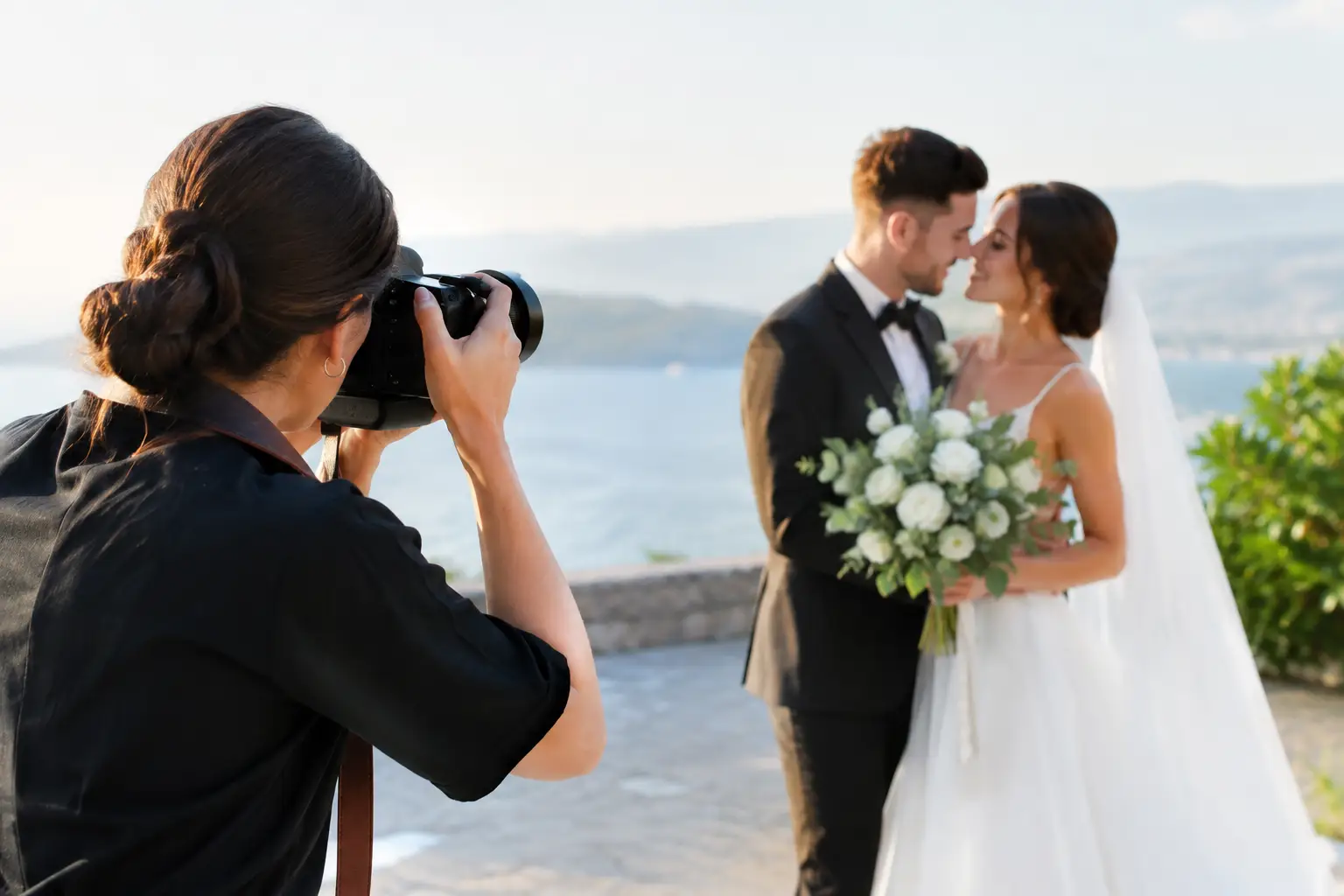
By contrast, the emotional heartbeat of a wedding usually should not be reduced to a line-by-line list. A skilled photojournalistic photographer is watching for the hug your mother gives you when no one else is looking, the expression on your partner’s face just before the ceremony begins, and the laughter that breaks out during a toast. Those are not moments you schedule. They are moments you trust your photographer to anticipate.
This is where experience makes a visible difference. A seasoned Washington DC wedding photographer knows how to work from a priority list while still leaving space for spontaneity, elegance, and timing.
Build your wedding photography shot list guide around priorities
The most effective shot list starts with categories, not dozens of example images pulled from social media. Inspiration can be helpful, but it often creates confusion when couples feel they need every trending pose, every styling detail, and every angle from someone else’s wedding.
Instead, begin with what is personal to you. Which people absolutely need to be photographed together? Which traditions carry family significance? Are there design details you invested in because they reflect your taste, your culture, or your story? Once those answers are clear, your photographer can shape a plan that fits your celebration rather than forcing your celebration to fit a template.
For most weddings, the priorities fall into a few core areas: getting ready, details, the ceremony, family portraits, wedding party portraits, couple portraits, and the reception. Within each category, the goal is not quantity. It is relevance.
Getting ready
The strongest preparation coverage is usually about atmosphere and relationships as much as hair, makeup, and wardrobe. You may want images of the dress, shoes, jewelry, invitations, rings, and bouquet, but also the quiet moments with parents, siblings, and close friends before the pace of the day picks up.
If you are getting ready in a hotel suite or private residence, timing and light matter. A cluttered room, a dark corner, or a delayed hair and makeup schedule can affect how much can be captured gracefully. This is one reason a shot list should be paired with a realistic timeline.
Details
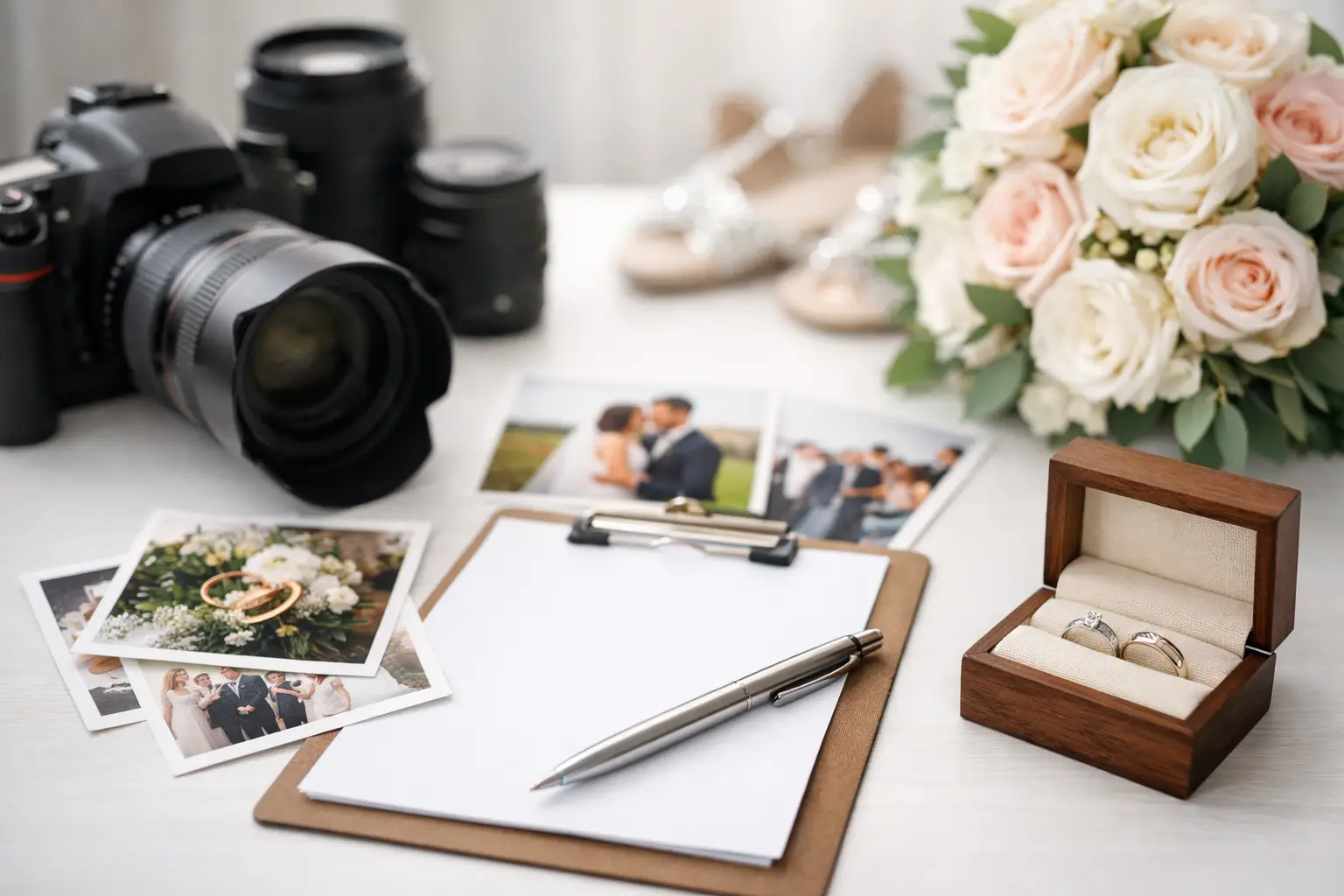
Detail photographs work best when they are curated, not crowded. Set aside the items that matter most and have them ready in one place. This might include rings, invitation suite, vow books, heirloom jewelry, cuff links, shoes, veil, and meaningful keepsakes.
Not every wedding needs an elaborate flat lay, and not every couple cares about every accessory being documented. If details are especially important to you, say so. If your priority is people and emotion, that is equally valuable.
Ceremony moments
Most ceremony coverage follows the natural flow of the event: processional, reactions, vows, ring exchange, first kiss, recessional. What helps your photographer most is knowing if there are restrictions or unique traditions involved. Houses of worship often have firm rules about movement, flash, or proximity. Cultural ceremonies may include key rituals that deserve special attention.
This is also the place to identify relationships and reactions that matter to you. If a grandparent traveled across the country, or if a parent is officiating, those details shape how a photographer watches the room.
Family portraits deserve the most planning
If one part of the wedding photography shot list guide should be precise, it is family formals. This is where organization saves time, avoids stress, and prevents omissions.
Start with your immediate families, then add extended combinations only if they are truly important. A long list of cousins, coworkers, and loosely defined friend groups can quickly consume cocktail hour. Most couples are happier when family portraits are concise, efficient, and well managed.
A practical order often begins with the largest group and then narrows down. For example, one side of the family together, then parents, siblings, grandparents, and smaller combinations. The exact sequence depends on family structure, mobility concerns, and the ceremony location.
It is also wise to flag any sensitive dynamics in advance. Divorce, remarriage, estrangement, recent loss, and family tension all affect how portraits should be handled. A discreet conversation before the wedding allows your photographer to navigate these situations with care and professionalism.
Assigning a family member, planner, or trusted friend to help gather people is one of the simplest ways to keep portraits moving. Your photographer should be directing the images, not searching the cocktail hour for an uncle who has wandered to the bar.
Keep the list readable
The format matters. A clean, simple document is far more useful than a crowded spreadsheet. Group names clearly, use real names where possible, and separate each side of the family. If someone is essential, make that obvious.
Good planning sounds like this: Couple with Bride’s Parents, Couple with Bride’s Siblings, Couple with Groom’s Grandmother. It should not read like a stream of half-formed ideas sent the night before.
Couple portraits should feel like you
Many couples worry about portraits because they do not want to feel posed or performative. That concern is valid. The answer is not to skip portraits. It is to work with a photographer who knows how to create natural direction without making the experience feel stiff.
Your shot list for couple portraits can be very simple. If there is a meaningful location on the property, a dramatic architectural backdrop, or a few must-have evening images, mention that. Beyond that, trust matters. A photographer with a strong storytelling style will guide you into flattering light, give just enough direction, and leave room for authentic connection.
It also helps to think about timing. Sunset portraits can be beautiful, but they may require stepping out of the reception briefly. Some couples love that pause. Others prefer uninterrupted celebration. Neither choice is wrong. It depends on how you want the day to feel.
What not to put on your shot list
The most common mistake is overbuilding the list with generic inspiration photos. Sending 75 saved images often creates pressure without clarity. Your photographer does not need a catalog of every Pinterest trend. They need to know what matters specifically to you.
It is also unhelpful to prescribe every candid moment. You can absolutely share that you care about guest reactions, dance floor energy, or quiet in-between moments. But once the day begins, those images are found through observation, timing, and instinct.
Another pitfall is forgetting logistics. If you want a full extended family portrait, there must be time and space for it. If you want night portraits outdoors, the venue and schedule need to support that plan. Strong photography is always part artistry, part coordination.
How to make your photographer’s job easier
The best client collaboration is clear, early, and focused. Share your family portrait list in advance, communicate priorities, and let your photographer know what has emotional importance. If there are heirlooms, surprise moments, or special guests, speak up.
Then allow room for expertise. A premium wedding photography experience should feel guided, not managed by you in real time. At Rodney Bailey, that is a central part of the value: planning carefully enough that the photography feels effortless on the day itself.
A good photographer is not simply checking boxes. They are reading light, adjusting to timing, managing people gently, and noticing the fleeting expressions that give your images life.
A simple framework for your final shot list
If you want a practical way to organize everything, keep your final list limited to three things: must-have family groupings, meaningful details, and unique moments or traditions your photographer would not automatically know to prioritize. That is usually enough.
Everything else should come from trust, preparation, and experience. The goal is not to manufacture coverage that looks complete on paper. It is to create photographs that feel true when you look back years from now.
The right shot list does not make a wedding more staged. It makes space for what matters, so the story can unfold with grace.
Related Posts